

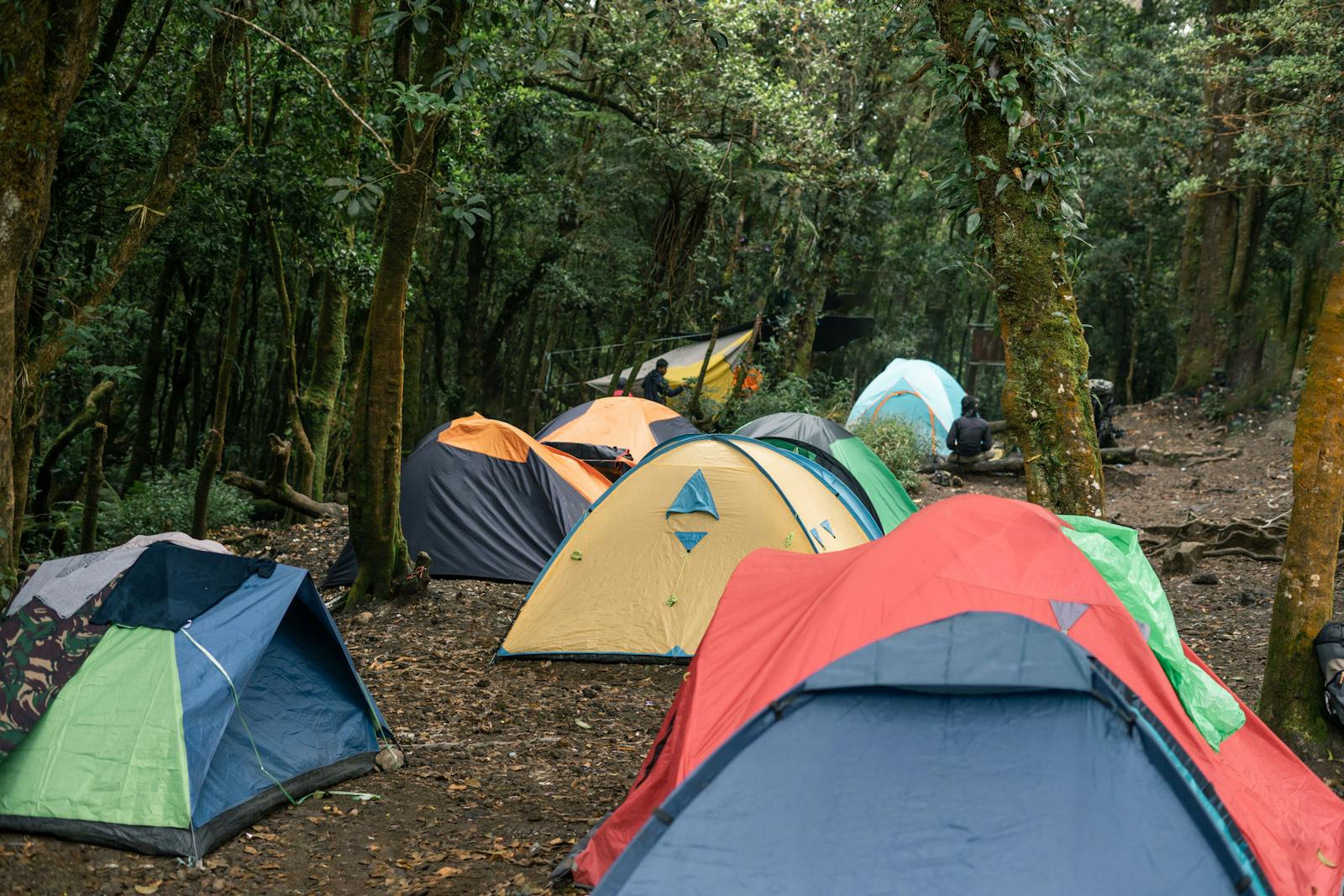
You want a tent that keeps weight low without sacrificing shelter, setup speed, or weather protection. The five options in this guide balance packability, durability, and user-friendly features so you can pick a tent that actually fits your trip and loadout.
You’ll find clear comparisons of key features—fabric and seam durability, trail weight, vestibule space, and ease of pitching—so you can match a model to the conditions you expect. Expect concise recommendations for solo and two-person setups, guidance on what matters most when choosing a lightweight tent, and simple care tips to extend its life.
Core Features of Lightweight Tents
Pick materials that balance strength and weight, choose a packing system that fits your pack profile, and prioritize rain and wind performance for the routes you plan to hike.
Essential Materials and Construction
Lightweight tents commonly use silnylon, Dyneema Composite Fabric (DCF), or ripstop nylon with silicone or polyurethane coatings. Silnylon offers good durability and stretch resistance for poles and seams at a moderate price. DCF (often called cuben fiber) delivers the best strength-to-weight ratio and low water absorption but costs more and resists sewing—manufacturers often use welded seams. Ripstop nylon with silicone/polyurethane coatings gives a balance of affordability and abrasion resistance; check the denier and coating method for tear and UV resistance.
Pole and seam design matter as much as fabric. Aluminum or carbon poles shave grams; aluminum bends predictably and repairs easily, while carbon is lighter but can fracture. Look for taped or welded seams, reinforced stake points, and minimal but well-placed guyline attachment points to reduce stress and avoid seam failure.
Weight and Portability Considerations
Decide which weight metric matters: trail weight (user-ready weight) or packed weight (with stuff sack). Trail weight includes stakes and repair kit and reflects what you actually carry on the trail. Packed size affects how the tent fits inside or outside your pack—cylindrical stuffsacks compress poorly, while compression sacks or stuff-sacks with straps reduce volume.
One- or two-person tents offer weight savings by sharing shelter or reducing interior volume. Single-wall designs cut weight by eliminating a separate fly but can increase condensation; double-wall tents add weight but improve ventilation. Evaluate included accessories: ultralight stakes and cords save grams. Finally, test setup time—faster, fewer-piece systems reduce the time you spend exposed to weather.
Weather Resistance Capabilities
Check hydrostatic head (HH) ratings: 1,500–3,000 mm is typical for ultralight rainflies; higher values mean greater ponding resistance. Pay attention to floor HH separately—floor fabrics often need higher HH because they sit on wet ground. Seam sealing or factory-taped/welded seams prevents leaks; factory tape typically lasts longer than DIY seam sealant.
Wind performance depends on shape and guying options. Low, taut profiles and multiple guy points shed wind better than tall, boxy tents. Ventilation controls condensation: adjustable vents, mesh panels, and a defined air gap between fly and inner tent help moisture escape. For cold, wet, or exposed routes pick shelters with robust pole geometry, fewer mesh panels, and proven fabrics rather than ultralight sacrifices that compromise protection.
5 Best Lightweight Tents for Camping
These five tents balance pack weight, weather protection, and livability so you can choose by priority: minimum weight, weather toughness, interior space, or quick setup. Each pick includes a short performance snapshot, clear pros and cons, and who will get the most use from it.
Key Performance Highlights of Each Model
- Durston X-Mid 1P — Exceptional strength-to-weight ratio; single-pole design sheds wind well and packs under 2 lb (shelter only). You get steep walls for headroom and a small footprint for minimal pack impact.
- Zpacks Duplex — Ultralight two-person option using cuben fiber; under 20 oz for the body (fly-only) and outstanding waterproofing. Requires careful stake placement and trekking-pole setup.
- Big Agnes Copper Spur HV UL2 — Roomier two-person tent with double doors and good ventilation. Weighs ~3 lb and balances comfort with solid weather performance.
- MSR Hubba Hubba NX 2 — Proven all-around tent with easy freestanding setup, reliable seam sealing, and a durable pole structure. Slightly heavier but highly durable for multi-season use.
- Gossamer Gear The Two — Extremely compact and breathable hybrid tarp/tent for minimalists; very low weight and good interior volume for its weight, but less forgiving in heavy, sideways rain.
Pros and Cons Comparison
- Durston X-Mid 1P
- Pros: Very light, strong in wind, small packed volume.
- Cons: Narrower interior, single entry limits gear access.
- Zpacks Duplex
- Pros: Ultra waterproof, extremely light, roomy for two.
- Cons: High cost, fragile to sharp impacts, care-intensive.
- Big Agnes Copper Spur HV UL2
- Pros: Spacious, dual doors/vestibules, stable ventilation.
- Cons: Heavier than ultralight solo tents, pricier than midrange.
- MSR Hubba Hubba NX 2
- Pros: Durable, easy pitch, consistent weather resistance.
- Cons: Heavier pack weight, poles add bulk.
- Gossamer Gear The Two
- Pros: Minimal weight, excellent livability for weight, budget-friendly.
- Cons: Less protection in driving rain, needs precise pitching.
Use this quick comparison to prioritize what matters: pack weight, durability, interior room, or budget. Each model trades one strength for another.
Target User Recommendations
- If you prioritize absolute minimum weight and expect variable wind, choose the Durston X-Mid 1P. It fits solo hikers who value stability and tight pack integration.
- If you want the lightest two-person shelter and accept careful handling, choose the Zpacks Duplex. It suits fastpackers and ultralighters who share gear and need superior waterproofing.
- If you want comfort and features for two people on longer trips, choose the Big Agnes Copper Spur HV UL2. It serves couples who value dual doors and storage space.
- If you need a dependable, all-season performer for varied conditions, choose the MSR Hubba Hubba NX 2. It fits weekenders and thru-hikers who want durability over grams.
- If you want extreme compactness and can tolerate compromises in sideways rain, choose the Gossamer Gear The Two. It benefits minimalists and section hikers who prioritize weight savings.
Choosing the Right Lightweight Tent
Pick a tent that fits your typical trip length, expected weather, and how much weight you can carry. Balance interior space, setup speed, and weather protection to match your priorities.
Capacity and Size Selection
Choose capacity based on who sleeps in the tent and how much gear you keep inside overnight. A 2P (two-person) tent often fits one solo backpacker plus gear; a 1P gives minimal weight but tight space. Check floor dimensions and peak height: if you plan to change clothes inside or store packs, look for at least 220–230 cm length and 100–110 cm width per occupant.
Pay attention to vestibule size for cooking or wet-gear storage. Vestibule area is more useful than claimed interior volume for most trips. Also compare stated floor area to real usable space—angled walls reduce usable width.
Weight matters: a tent’s trail weight (what you carry) is what you should compare, not packed weight. Factor in the weight of stakes, repair kit, and optional footprint.
Setup and Packability Ease
Pick a shelter you can pitch quickly in your typical conditions. Freestanding tents give easy repositioning; trekking-pole designs save weight but need compatible poles and a flat site.
Evaluate pole complexity and color-coding, and whether single- or double-wall suits you. Single-wall tents cut weight and speed pitch time but can increase condensation; double-wall lets you ventilate or stargaze.
Consider packed volume for your pack’s main compartment or top lid. A lightweight tent that fits inside a sleeping bag compression sack keeps gear stable. Practice a dry setup at home to spot gotchas like fiddly clips or short guylines.
Seasonal Suitability and Usage Scenarios
Match tent design to season and terrain. For most three-season use, choose a tent with a hydrostatic head of 1500–3000 mm, taped seams, and durable floor fabric (30–70 denier) for reliable rain protection. For shoulder seasons or high wind, prefer a sturdier pole structure and lower-profile geometry.
If you prioritize ultralight fastpacking, accept less living space and thinner fabrics; bring a lighter tarp or bivy option for fair-weather runs. For snow or alpine trips, choose four-season-rated shelters with stronger poles, reinforced guy points, and fewer mesh panels.
Think about typical campsite conditions: bushy, rocky, or windy sites call for more stake points and robust guyline systems. Tailor your choice to the environment you visit most.
Tent Care and Longevity Tips
Keep seams sealed, fabrics clean, zippers lubricated, and poles inspected after every trip to prevent small issues from turning into gear failure. Dry your tent thoroughly and store it loosely to protect coatings and stitching.
Maintenance Best Practices
Clean your tent after muddy or salty trips using a soft brush and lukewarm water. Spot-wash stubborn dirt with a mild, non-detergent soap; avoid machine washing or harsh chemicals that strip waterproof coatings.
Treat zipper tracks gently: remove grit with a soft brush, rinse, and apply a dry lubricant like paraffin or a specialist zipper wax. Test zippers slowly to avoid fabric snags.
Re-seal seams annually or after heavy rain with a silicone- or urethane-based seam sealer specific to your tent’s fabric. Follow the manufacturer’s directions and work on a flat, clean surface.
Inspect poles and shock cord every season. Replace cracked or bent pole sections and retension or replace frayed shock cord before your next trip to maintain structural integrity.
Proper Storage Recommendations
Always dry your tent completely before packing; store it in a cool, dry place away from direct sunlight. Damp storage promotes mildew and weakens seam tape and coatings.
Store the tent loosely in a breathable cotton or mesh bag rather than the small stuff sack. Long-term compression damages fabric fibers and shortens the life of waterproof treatments.
Keep tent components separate when possible: store rainfly, footprint, and tent body folded or rolled loosely. Label a zip pouch with repair essentials—needle, thread, patch, seam sealer—so you can fix small failures quickly in the field.
Avoid chemical exposure and rodents by keeping your tent off concrete floors and away from solvents, gasoline, or mothballs.