

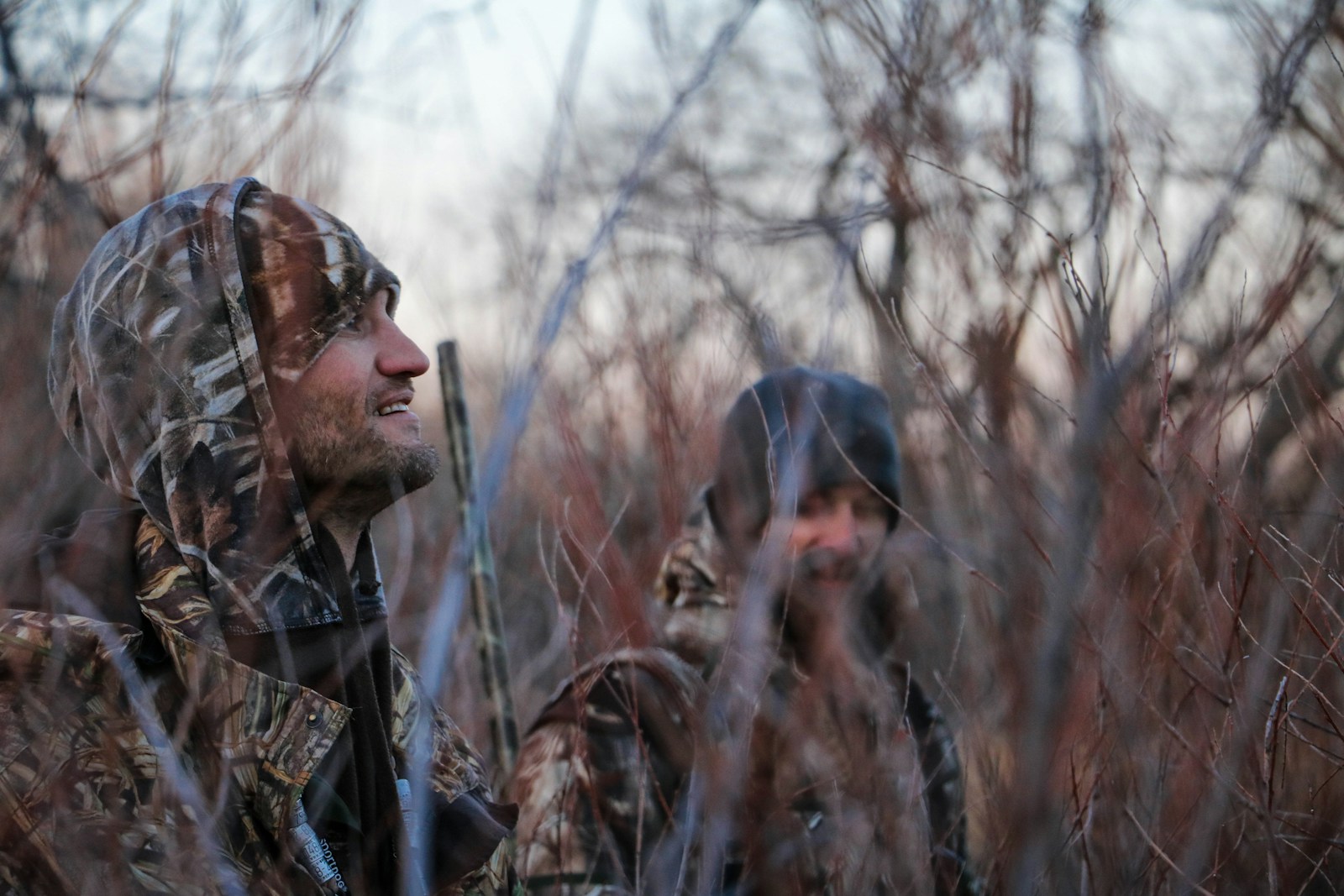
Getting into hunting can seem overwhelming at first. Between licenses, regulations, gear choices, and deciding what species to pursue, it’s easy to feel like you’re stepping into a world full of unknowns. But here’s the truth: hunting doesn’t require elite equipment or a lifetime of experience to begin. It requires preparation, respect, patience, and a willingness to learn.
If you’re serious about stepping into the woods for the first time, these five key steps will help you build the right foundation and start your hunting journey the right way.
1. Understand the Laws and Complete Hunter Education
Before you buy a rifle or lace up your boots, your first priority should be understanding your state’s hunting laws. Regulations vary widely depending on where you live, and they exist for good reason: conservation, safety, and ethical wildlife management.
Every state outlines:
-
Specific hunting seasons
-
Legal weapons and calibers
-
Tag requirements and limits
-
Public and private land rules
-
Safety equipment requirements
Most states require new hunters to complete a Hunter Education Course before purchasing a license. These courses cover firearm safety, wildlife conservation principles, ethical shot placement, and responsible field behavior.
Even if you’re not legally required to take the course, it’s one of the smartest decisions you can make. Hunting is a privilege, and learning the rules protects not only you but the future of the sport.
2. Choose One Species and Focus on It
One of the biggest mistakes new hunters make is trying to do too much too quickly. Start by choosing one species and learning everything you can about it.
For many beginners, the best starting points include:
-
Whitetail deer
-
Wild turkey
-
Small game such as squirrel or rabbit
Small game can be especially beginner-friendly because seasons are often longer, opportunities are more frequent, and the learning curve is manageable. Deer hunting, on the other hand, provides a deeper introduction to scouting, patience, and understanding animal movement.
Study your chosen species carefully. Learn:
-
Feeding patterns
-
Bedding behavior
-
Seasonal movement
-
Daily activity windows
-
Preferred habitat
The more knowledge you build before stepping into the field, the more confident and effective you’ll be when the season opens.
3. Get the Essential Gear — and Keep It Simple
There’s a temptation to overbuy when starting out. Social media and outdoor marketing can make it seem like you need thousands of dollars’ worth of equipment before you’re “ready.”
You don’t.
Start with the basics:
-
A reliable firearm or bow suited for your target species
-
Appropriate ammunition or arrows
-
Blaze orange (if required)
-
Weather-appropriate clothing
-
Durable boots
-
A sharp knife for field dressing
-
A backpack with water and basic supplies
That’s it.
Reliability and safety matter far more than brand names or high-end optics. As you gain experience, you’ll learn what upgrades truly benefit your style of hunting. But early on, simplicity keeps you focused on the fundamentals.
4. Scout the Land Before the Season
Success in hunting often comes down to preparation long before opening day. Scouting is where real hunters separate themselves from those who simply hope for luck.
If hunting public land:
-
Study topographic maps and satellite imagery
-
Identify water sources, food plots, and travel corridors
-
Look for fresh tracks, droppings, rubs, and bedding areas
-
Pay attention to wind direction and access routes
If hunting private land:
-
Walk the property well before the season
-
Observe how animals move at dawn and dusk
-
Identify pinch points and natural funnels
Scouting builds familiarity with the land. It teaches you how animals use terrain and how weather impacts their behavior. Even a few preseason trips can dramatically increase your odds when the season opens.
5. Commit to Safety, Ethics, and Patience
Hunting is about far more than harvesting an animal. It’s about responsibility.
Safety must always come first. That means:
-
Knowing your target and what lies beyond it
-
Practicing safe firearm handling at all times
-
Taking high-percentage, ethical shots
-
Respecting other hunters in the field
Ethics matter just as much as accuracy. A clean, humane harvest is the goal every time. That requires proper shot placement, patience, and discipline.
And patience is critical.
Many first-time hunters don’t fill a tag their first season. That’s normal. Hunting is a skill developed over years, not days. Every sit teaches something: how wind shifts, how animals approach feeding areas, how silence feels before sunrise.
The process is just as important as the outcome.
Final Thoughts
Starting your hunting journey isn’t about perfection — it’s about preparation and commitment. Learn the laws. Study your chosen species. Invest in essential gear, not unnecessary extras. Spend time scouting. And above all, hunt with safety and ethics at the forefront.
Hunting connects you to the land in a way few experiences can. It builds patience, discipline, and a deeper appreciation for wildlife and conservation. The first step may feel intimidating, but once you take it, you’ll discover that the woods reward those who show up willing to learn.
Start simple. Stay humble. Put in the work.
The pursuit is worth it.