
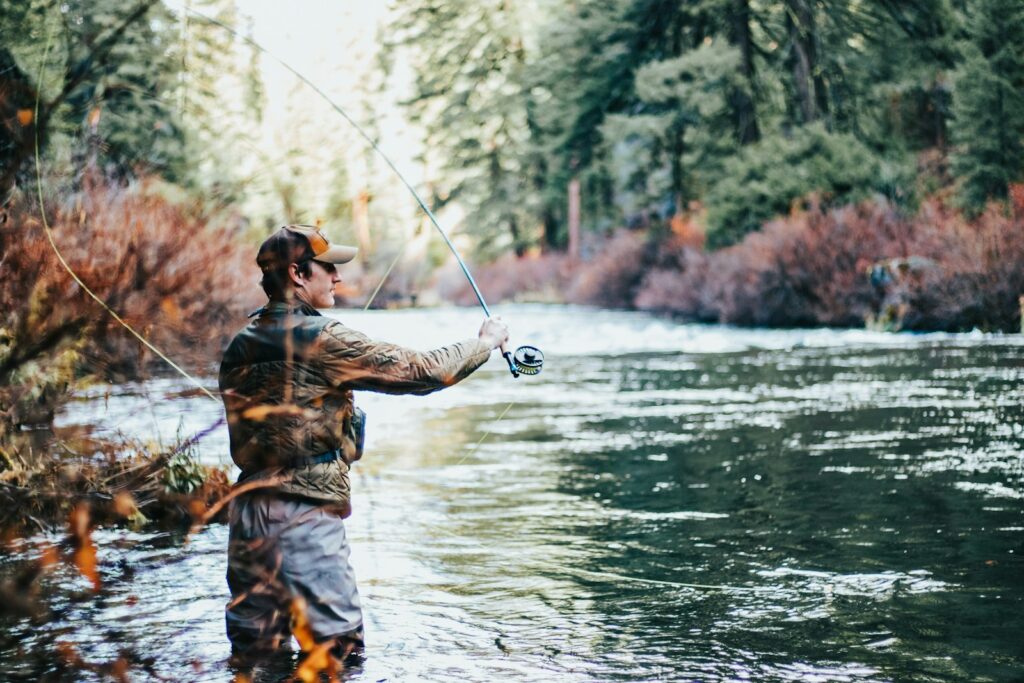
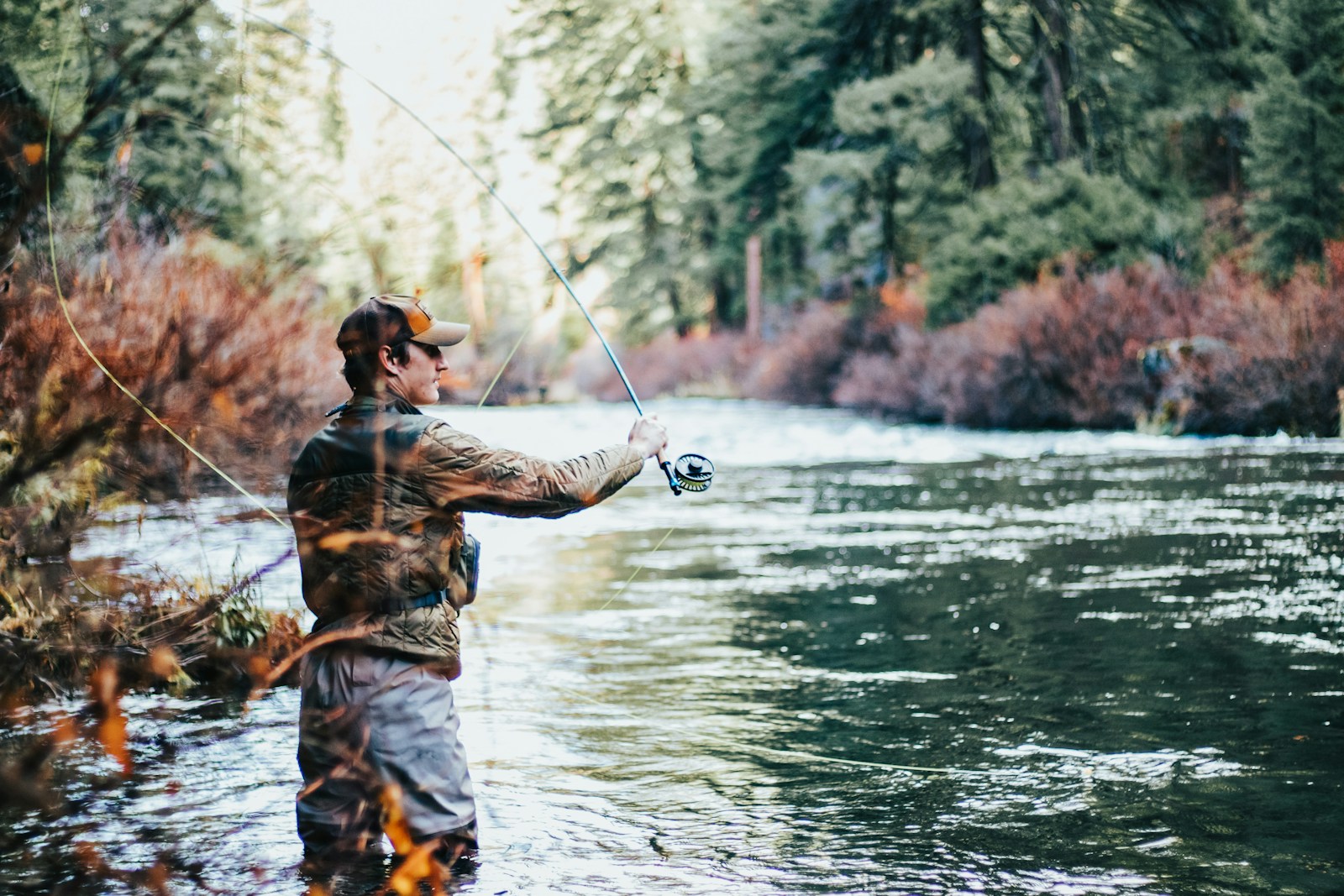
You face a common choice on the water: fly fishing or cast fishing. Both methods catch fish, but they rely on different gear, casting styles, and approaches to presentation. Fly fishing uses the weight of a specialized line to cast a lightweight fly, while cast fishing uses the weight of a lure or bait to carry the line.
That single difference shapes everything from the rod and reel you hold to the species you pursue and the water you fish. As explained in this overview of fly fishing vs. regular fishing, casting mechanics and equipment design set these styles apart from the start.
You will see how each method handles technique, target species, learning curve, and practical advantages. By the end, you will know which approach fits your goals, skill level, and the waters you plan to fish.
Defining Fly Fishing and Cast Fishing
You approach fly fishing and cast fishing with different tools, casting mechanics, and presentation styles. Each method shapes how you deliver bait or lures, how fish react, and the type of water you fish most effectively.
Understanding Fly Fishing
You use a lightweight artificial fly to imitate insects, baitfish, or crustaceans. Instead of casting the lure’s weight, you cast the weight of a specialized fly line, which carries the nearly weightless fly to the target.
Fly fishing relies on a fly rod, fly reel, weighted line, leader, and tippet. The casting motion creates controlled loops in the line, allowing you to place the fly gently on the water. Many anglers value this approach because it creates minimal disturbance and presents the fly naturally, which you can see discussed in comparisons of casting a fly rod vs. traditional tackle.
The method demands timing and line control. You often adjust your cast to match wind, current speed, and insect activity. Precision matters more than distance in most freshwater situations.
What Is Cast Fishing?
You cast fishing gear by using the weight of a lure or bait to pull line off a spinning or baitcasting reel. The rod loads under the lure’s weight, then releases it forward toward your target.
This method typically involves:
- Spinning or baitcasting rods
- Heavier lures or live bait
- Monofilament, fluorocarbon, or braided line
In cast fishing, the lure provides the casting momentum rather than the line. As outlined in explanations of cast-fishing vs. fly-fishing differences, you rely on reel mechanics and lure weight instead of specialized fly lines.
You can cover more water quickly with this setup. It works well for bass, pike, saltwater species, and situations where fish chase larger, heavier presentations.
Key Differences Between Fly and Cast Fishing
You control presentation differently in each style. Fly fishing focuses on imitating natural prey with lightweight flies and controlled drifts, while cast fishing emphasizes lure action and retrieve speed.
Core distinctions:
| Feature | Fly Fishing | Cast Fishing |
|---|---|---|
| Casting force | Weight of the line | Weight of the lure |
| Typical bait | Artificial flies | Lures or live bait |
| Presentation | Subtle, natural drift | Active retrieve or steady motion |
| Gear design | Specialized fly rod and line | Spinning or baitcasting setup |
You also notice differences in learning curve and environment. Fly fishing requires mastering line control and loop formation. Cast fishing centers more on lure selection, retrieval technique, and reel control.
Each method shapes how you interact with water, structure, and fish behavior.
Techniques and Equipment
You control presentation and accuracy through the gear you choose and how you cast. Fly fishing and cast fishing use different rods, reels, lines, and lure systems, which directly shape how you deliver bait or flies to fish.
Fly Fishing Methods and Gear
You cast the line, not the lure. The weighted fly line carries a nearly weightless artificial fly to the target, which defines the core difference in cast-fishing vs. fly-fishing techniques.
A standard setup includes:
- Fly rod (typically 7–9 feet, rated by weight such as 5‑weight or 8‑weight)
- Fly reel with a drag system
- Weighted fly line matched to the rod
- Leader and tippet that taper down to thin diameters
- Artificial flies such as dry flies, nymphs, or streamers
You use specific casting methods like the overhead cast, roll cast, and false cast to control distance and line placement. Timing and line control matter more than force.
You adjust technique based on water type and species. Freshwater trout fishing often focuses on delicate surface presentations, while saltwater fly fishing uses heavier rods and lines to handle wind and larger fish, as explained in this overview of saltwater vs freshwater fly fishing.
Cast Fishing Rods, Reels, and Tackle
You cast the lure or bait, not the line. The weight of the lure pulls monofilament, fluorocarbon, or braided line off the reel and toward the target.
Common rod and reel options include:
- Spinning rods and reels for lighter lures and ease of use
- Baitcasting rods and reels for heavier lures and greater control
- Medium to heavy power ratings depending on target species
You choose lures such as crankbaits, soft plastics, spoons, or live bait rigs. The reel’s braking system and drag setting help you manage casting distance and fight fish.
Spinning and baitcasting systems differ in control and learning curve, which this comparison of spinning, baitcasting or fly fishing tackle explains in practical terms. You rely more on lure weight and rod power than on line timing.
Line and Lure Differences
Fly fishing lines are thick and weighted. They taper to transfer energy during the cast, while a thin leader creates a subtle presentation at the fly.
In cast fishing, the line is usually thin and uniform in diameter. You select:
- Monofilament for stretch and ease of use
- Fluorocarbon for lower visibility underwater
- Braided line for strength and sensitivity
Your lure choice also changes how fish respond. Fly fishing uses lightweight imitations of insects or baitfish. Cast fishing uses heavier, self-weighted lures that create vibration, flash, or scent.
If you want a deeper breakdown of how gear, casting mechanics, and presentation differ, review this detailed guide on fly fishing vs regular fishing.
Target Species and Fishing Environments
You choose your technique based on the fish you want to catch and the water you plan to fish. Species behavior, feeding patterns, and habitat determine whether fly fishing or cast fishing gives you better control and results.
Common Species for Fly Fishing
You often target fish that feed on insects near the surface or in the water column. Trout and salmon lead the list, especially in rivers and cold freshwater systems.
Fly anglers also pursue grayling, steelhead, and selective stream trout that respond to dry flies, nymphs, and emergers. In some regions, you can use fly gear in saltwater for species such as bonefish or tarpon, but trout remain the most consistent focus.
Fly fishing commonly centers on freshwater species like trout and salmon, as noted in discussions of fly fishing target species and environments. These fish often feed on aquatic insects, which makes presenting lightweight artificial flies effective.
You succeed when you match your fly pattern to local insect activity. If fish rise to the surface, dry flies become practical. If they hold deeper, nymphs or streamers allow you to adjust depth and drift precisely.
Species Typically Caught With Cast Fishing
You gain flexibility with cast fishing because you can throw heavier lures or natural bait. This allows you to target a wider range of fish in both freshwater and saltwater.
Common freshwater targets include:
- Bass (largemouth and smallmouth)
- Walleye
- Catfish
- Pike
In many comparisons of fly fishing vs regular fishing differences, cast fishing stands out for its ability to use the weight of a lure or bait to cover more water and handle larger species.
You also fish for offshore or inshore saltwater species with spinning or baitcasting gear. Heavier tackle handles strong fish and deeper water, where fly gear becomes less practical.
If you want versatility across species and water types, cast fishing expands your options.
Ideal Water Types for Each Technique
You perform best with fly fishing in rivers, streams, and clear lakes where fish actively feed on insects. Moving water allows you to drift flies naturally with the current.
Fly fishing often suits rivers and streams with consistent insect life, as described in guidance on fly fishing vs traditional fishing environments. You benefit from clear water where fish track small presentations.
Cast fishing works well in:
- Lakes and reservoirs
- Ponds
- Large rivers
- Coastal waters and offshore areas
You can fish deeper structure, heavy cover, or windy conditions more easily with weighted lures. If you fish from a boat in open water or target fish near submerged structure, cast fishing provides better casting distance and power.
Match your method to water depth, clarity, and current speed. That alignment improves your efficiency and your catch rate.
Skill Level and Learning Curve
Your experience on the water depends heavily on how quickly you can develop casting control, line management, and fish presentation. Fly fishing and cast fishing demand different motor skills, practice time, and technical understanding.
Beginner Accessibility
If you are new to fishing, cast fishing is typically easier to start with. You rely on the weight of the lure or bait to carry the line, which simplifies the casting motion and reduces timing errors.
With spinning gear, you can learn the basics in a single outing:
- Open the bail
- Cast toward structure or open water
- Close the bail and retrieve
Many anglers find spinning setups easier to control and more forgiving, especially in wind or when targeting deeper water. As explained in this comparison of fly fishing vs spin fishing differences, spinning gear depends on lure weight rather than line weight, which reduces early frustration.
Fly fishing requires you to cast the weighted line itself, not the fly. That adds coordination demands from the start.
Mastering Advanced Techniques
Fly fishing has a steeper learning curve because you must control loop shape, line speed, and presentation accuracy. You manage false casts, mend line on the water, and adjust for drag.
You also need to understand:
- Leader and tippet selection
- Matching fly patterns to insect activity
- Precise placement in moving current
As noted in this breakdown of fly fishing vs spin fishing learning curve and use cases, fly fishing demands continuous casting and refined technique, especially in rivers.
Advanced cast fishing also requires skill, particularly with lure action, depth control, and structure targeting. However, the mechanical barrier to entry remains lower, and progression often feels more incremental rather than technical from the outset.
Pros and Cons of Fly Fishing
Fly fishing gives you precise presentation and close control over how your fly moves, but it also demands more skill, time, and specialized gear than most cast fishing methods.
Advantages of Fly Fishing
You control the line, not the lure. In fly fishing, the weighted line carries a nearly weightless fly, which lets you place small imitations gently on the water’s surface, as explained in this overview of how fly fishing uses a weighted line to cast a lightweight fly.
That setup allows you to present dry flies, nymphs, and streamers with subtle movement. When trout or other sight‑feeding fish inspect insects closely, that level of presentation matters.
You also gain tight line control at short and medium distances. Techniques like mending and roll casting help you manage current and reduce drag, which increases natural drift in rivers and streams.
Key benefits include:
- Precise, delicate presentations
- Effective insect imitation
- Strong performance in moving water
- High level of engagement and skill development
Limitations of Fly Fishing
You must learn specialized casting mechanics. Because the line provides the casting weight, timing and technique matter more than with spin or baitcasting gear, a distinction outlined in comparisons of fly fishing vs conventional fishing techniques and gear.
Expect a steeper learning curve. Beginners often struggle with line management, wind, and accurate distance control.
Equipment also costs more upfront. A quality rod, reel, fly line, leaders, and a selection of flies add up quickly compared to a basic spinning setup.
Fly fishing can limit you in certain conditions. Strong wind, very deep water, or heavy cover often favor heavier lures and conventional tackle, which handle weight and distance more easily.
Pros and Cons of Cast Fishing
Cast fishing gives you practical control, wide lure options, and a shorter learning curve than fly fishing. At the same time, it limits finesse in certain conditions and may reduce effectiveness when fish feed on small, natural insects.
Benefits of Cast Fishing
You can start quickly with cast fishing because the technique relies on the weight of the lure or bait to pull the line forward. Unlike fly fishing vs conventional fishing, you do not need to master specialized line control to make effective casts.
You can use spinning or baitcasting setups with live bait, soft plastics, crankbaits, jigs, and topwater lures. This range lets you target bass, pike, walleye, redfish, and many other species in lakes, rivers, and coastal waters.
Key advantages include:
- Easier learning curve for beginners
- Greater casting distance with heavier lures
- Stronger line options for heavy cover
- Lower upfront equipment cost in many cases
You also gain better control when fighting larger fish in structure. Heavier rods, braided line, and high-drag reels help you pull fish away from weeds, docks, and submerged timber.
Challenges of Cast Fishing
You may struggle with subtle presentations in clear water or when fish feed on small insects. Fly anglers rely on the weight of the line rather than the lure, which allows delicate delivery of lightweight flies, as explained in Cast-Fishing vs. Fly-Fishing differences.
Traditional tackle can also create more surface disturbance. Heavier lures often enter the water with noticeable splash, which can spook cautious fish in shallow conditions.
Common drawbacks include:
- Less precise presentation with very light offerings
- Reduced effectiveness during insect hatches
- Backlash risk with baitcasting reels
- Heavier gear that can cause fatigue over long sessions
You must also manage line twist, wind knots, and mechanical reel issues. Baitcasters require thumb control and practice to avoid backlash, especially when casting into wind or skipping lures under cover.
Choosing Between Fly Fishing and Cast Fishing
You choose between fly fishing and cast fishing based on your goals, the water you fish, and the gear investment you want to make. Your decision should match how you prefer to cast, what species you target, and the conditions you face most often.
Personal Preferences and Goals
Start with how you want to fish.
Fly fishing relies on the weight of the line to deliver a lightweight fly, which changes how you cast and present bait. As explained in this guide to fly fishing vs conventional fishing gear and casting differences, the line—not the lure—drives the cast. That design favors precise presentations, especially when fish feed on insects near the surface.
Cast fishing uses the weight of a lure or bait to load the rod and propel the line. You can throw heavier lures, reach deeper water, and cover large areas quickly. Many anglers prefer it when targeting bass, pike, catfish, or saltwater species that respond to larger baits.
Ask yourself:
- Do you enjoy technical casting and matching insect hatches?
- Do you want versatility with lures, bait, and depths?
- Are you targeting trout in moving water or multiple species across different environments?
Your answers point you toward the right method.
Environmental Considerations
Match your technique to the water you fish most often.
Fly fishing performs well in rivers and streams where you can control drift and present flies naturally. It also works on lakes, but tight vegetation and heavy wind can limit casting space and line control.
Cast fishing adapts easily to open water, deeper lakes, and heavy cover. It is widely used in lakes, rivers, and streams because it handles a broad range of conditions and lure weights, as outlined in this comparison of cast-fishing vs fly-fishing environments. You can fish from shore, boat, or pier with minimal adjustments.
Consider these factors:
- Casting space behind and around you
- Water depth and structure
- Wind strength
- Target species behavior
If you often fish tight creeks, fly gear may limit your backcast. If you fish thick weeds or deep drop-offs, conventional tackle may give you better control.
Budget and Resource Factors
Evaluate what you want to spend and how quickly you want to start catching fish.
Fly fishing requires a specialized rod, reel, and weighted line system. Flies are typically lightweight and imitate insects or small prey, which shapes both cost and setup. Many beginners face a steeper learning curve, as described in this breakdown of fly fishing vs regular fishing key differences.
Cast fishing setups range from basic spinning combos to advanced baitcasting rigs. Entry-level gear is widely available and often costs less upfront. You can also use live bait, artificial lures, or soft plastics without changing your entire system.
Review these cost areas:
- Rod and reel price
- Line type and replacement frequency
- Lures or flies
- Waders, vests, or additional accessories
If you want lower startup costs and broader flexibility, cast fishing may fit better. If you value specialized technique and targeted presentations, fly fishing may justify the added investment.
Conservation and Ethical Practices
Your choices on the water affect fish survival and long-term access to healthy fisheries. You protect fish populations by handling them correctly and by following regulations that support sustainable management.
Catch and Release Techniques
You increase survival rates when you reduce fight time and handle fish with care. Use tackle strong enough to land fish quickly, whether you fish with a fly rod or spinning gear.
Keep the fish in the water as much as possible. Wet your hands before touching it, and avoid squeezing the body or placing fingers in the gills.
Follow these core practices:
- Use barbless hooks or pinch barbs down for easier removal
- Avoid dry surfaces such as rocks or boat decks
- Limit air exposure to a few seconds
- Revive fish facing into the current until they swim away on their own
Many fly anglers emphasize catch and release as part of the sport’s culture, which aligns with broader conservation efforts discussed in fly fishing and conservation history. Regardless of method, you control how carefully you release each fish.
Sustainable Fishing Practices
You support sustainable fisheries when you follow bag limits, size restrictions, and seasonal closures. These rules protect spawning fish and maintain balanced populations.
Check current regulations before every trip. Agencies update limits based on population surveys and habitat conditions.
Adopt responsible habits such as:
- Respecting bag and size limits for each species as outlined by state agencies like Texas Parks and Wildlife fishing ethics guidelines
- Properly disposing of line and tackle to prevent wildlife injury
- Avoiding sensitive spawning areas during closed periods
Organizations that promote responsible fishing practices for fly fishers also emphasize science-based management and habitat protection. Whether you fly fish or cast fish, you share responsibility for protecting the water, the habitat, and the species you pursue.
Conclusion
You choose between fly fishing and cast fishing based on how you want to approach the water. Each method uses different gear, casting mechanics, and presentation styles. Your target species, location, and patience level all influence the right fit.
Fly fishing focuses on precision and controlled line movement. You cast the line itself rather than the weight of a lure, which requires refined timing and technique, as explained in this overview of fly fishing vs. conventional fishing techniques.
Cast fishing relies on the weight of bait or lures to deliver distance and power, which makes it versatile across many environments.
| Factor | Fly Fishing | Cast Fishing |
|---|---|---|
| Casting Style | Line-driven | Lure or bait-driven |
| Gear | Fly rod, reel, fly line | Spinning or baitcasting setup |
| Best For | Delicate presentation | Distance and heavier lures |
You may prefer fly fishing if you value finesse and controlled presentations. Many anglers compare these differences in gear and technique when choosing a style, as outlined in this fly fishing vs regular fishing guide.
You may prefer cast fishing if you want flexibility with bait choices and simpler mechanics. Your decision should reflect how you like to fish, not just what you want to catch.
Frequently Asked Questions
Fly fishing and spin fishing differ in casting mechanics, gear design, bait selection, and required skill. You need to understand how each method works before choosing the right setup for trout or other freshwater species.
What are the primary differences between fly fishing and spin fishing techniques?
Fly fishing uses the weight of the fly line to cast a lightweight artificial fly. You move the rod in controlled back-and-forth motions to keep line in the air before placing the fly on the water.
Spin fishing relies on the weight of the lure or bait to load the rod and carry the cast forward. You use a spinning or baitcasting reel and typically cast in one forward motion.
This comparison of cast-fishing vs fly-fishing techniques explains how the rod, reel, and casting mechanics differ in practical terms.
Can fly fishing and spin casting rods be used interchangeably for trout fishery?
You should not use fly rods and spin rods interchangeably. Each rod is engineered for a specific casting system and line weight.
A fly rod lacks the backbone and guides needed to cast weighted lures. A spinning rod cannot properly cast a nearly weightless fly because it depends on lure mass rather than line mass.
For trout, match your rod to the method. Use a 4–6 weight fly rod for dry flies or nymphs, and a light or ultralight spinning rod for small spinners or live bait.
What are the pros and cons of choosing fly fishing over traditional casting methods?
Fly fishing gives you precise control over presentation. You can drift a dry fly naturally in current or target selective trout feeding on specific insects.
It also requires more practice. Many anglers find that fly casting demands focused timing and coordination, as discussed in this breakdown of why fly fishing feels more difficult than spin fishing.
Traditional casting methods allow you to cover water quickly with less technical casting skill. However, they may offer less finesse when fish key in on small surface insects.
How do bait choices differ between fly fishing and spin fishing?
In fly fishing, you use artificial flies made of feathers, fur, and synthetic materials. These flies imitate insects, baitfish, or crustaceans and weigh very little.
Spin fishing typically uses heavier lures such as spinners, spoons, soft plastics, or live bait. The lure’s weight drives the cast and often creates vibration or flash to attract fish.
This guide to fly fishing vs regular fishing gear and technique differences outlines how bait and presentation shape each approach.
What type of gear is essential for a beginner interested in fly fishing compared to spin fishing?
For fly fishing, you need a fly rod, fly reel, weight-forward fly line, leader, tippet, and a selection of flies. Waders and polarized glasses also help when fishing rivers.
For spin fishing, you need a spinning rod, spinning reel, monofilament or braided line, and a small selection of lures or bait. The setup is generally simpler and faster to assemble.
As outlined in this overview of fly fishing vs conventional fishing gear requirements, each method demands purpose-built equipment.
How does the skill level requirement for successful fly fishing compare with that for spin fishing?
Fly fishing typically requires more initial practice. You must learn line control, mending, and accurate casting at varying distances.
Spin fishing allows you to begin casting effectively within a short time. You can focus more on locating fish and selecting lures rather than mastering complex line management.
That difference in learning curve influences how quickly you gain confidence on the water.