
You feel the effects of this fight even if you never visit northern Minnesota. Mining plans and court fights around the Boundary Waters can change water quality, outdoor jobs, and how we protect public lands across the country. What happens there can shape rules, local economies, and clean water that affect us all.
We follow this issue because it ties to how the nation balances nature, industry, and community choice. The coming Senate debate and recent House action to lift the mining moratorium make the stakes immediate and practical for anyone who cares about clean water, recreation, or shared public lands.
Key Takeaways
- Decisions about the Boundary Waters can affect clean water and recreation far beyond Minnesota.
- Ongoing policy and legal moves will shape local jobs and regional economies.
- National rules on public lands hinge on the outcome of this fight.
Understanding the Boundary Waters and Its National Importance
We explain the region’s lands, waters, people, and laws so readers see why decisions there matter far beyond northern Minnesota. The area includes lakes, rivers, federal wilderness, and treaty lands that shape recreation, culture, and water quality.
Geography and Ecology of the Region
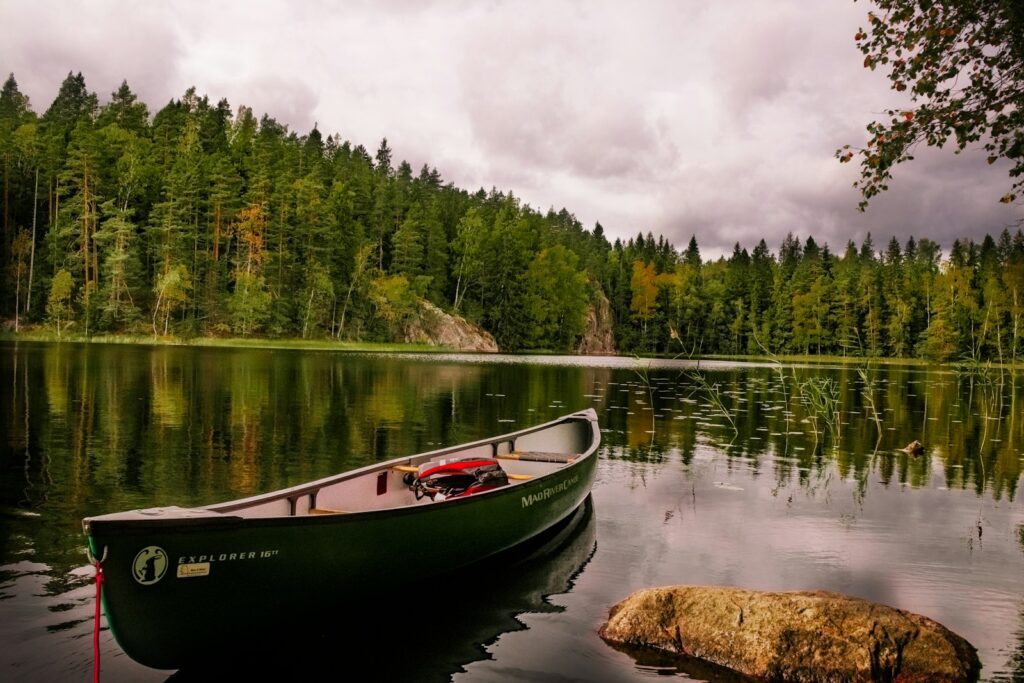
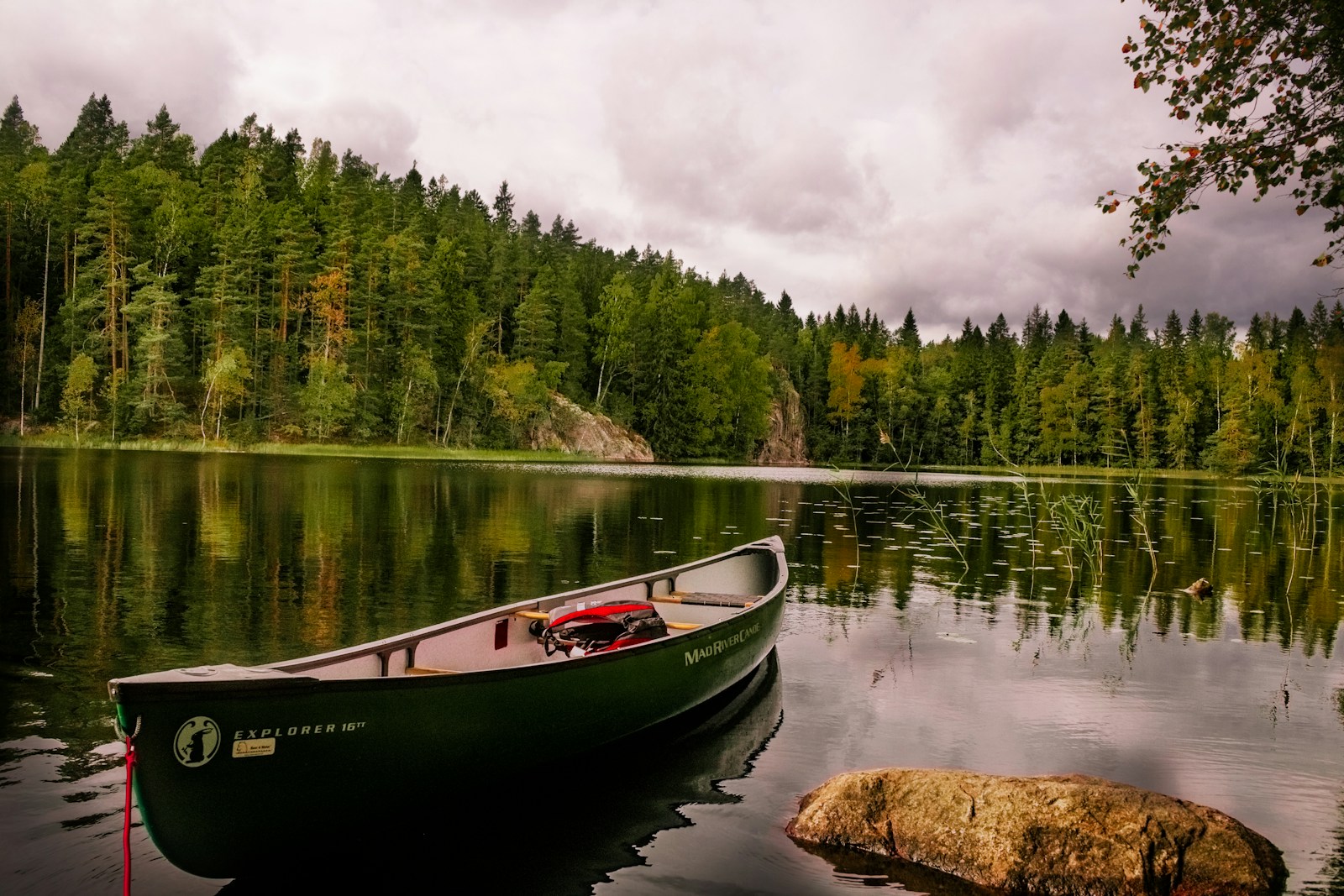
The Boundary Waters Canoe Area Wilderness sits inside Superior National Forest and contains more than 1,100 lakes and thousands of miles of canoe routes. Water flows from headwater streams into larger lakes and then toward Lake Superior or into rivers that cross the U.S.–Canada border. Wetlands, boreal forest, and granite ridges form a linked landscape that supports moose, wolves, loons, and native fish.
We value this place for clean water and intact habitat. Portaging connects routes and helps keep motorized access limited inside much of the Wilderness. The U.S. Forest Service manages campsites, permits, and rules that protect fragile shoreline and aquatic life.
Cultural and Historical Significance
The Boundary Waters lie within the 1854 Treaty Ceded Territory where Anishinaabe people have lived, traveled, and used waterways for generations. Canoe routes served as trade and travel corridors long before European arrival. The area’s history includes fishing, wild rice harvesting, and seasonal camps that continue today.
We must recognize treaty rights and tribal responsibilities. The Anishinaabe — also called Ojibwe or Chippewa — hold cultural and spiritual ties to specific lakes and portage routes. Those ties shape genealogy, language, and stewardship practices that survive despite displacement and changing laws.
Public Lands and Tribal Rights
Federal law protects large parts of the region through the Wilderness Act and later the Boundary Waters Canoe Area Wilderness Act. These laws limit development, logging, and motorized use inside the Wilderness. Outside the designated Wilderness, Superior National Forest lands still face competing uses like mining and leasing.
We look to treaty obligations and tribal trust responsibilities when federal agencies act. The U.S. Forest Service and other agencies must consider tribal treaty rights when planning land use. Proposed mining in the watershed has raised legal and public-policy debates because pollutants could flow into waters that both public users and tribes depend on for subsistence, tourism, and cultural practices.
The Mining Debate: Stakeholders, Proposals, and Legal Battles
We will outline who wants mining, who opposes it, how governments act, and the main legal fights. This section focuses on specific projects, key players, laws, and recent court and congressional moves.
Proposed Mining Projects and Companies
Twin Metals Minnesota, backed by Chilean parent Antofagasta, seeks to build a copper-nickel underground mine near Ely and the Boundary Waters watershed. The proposal centers on sulfide-ore copper mining that would target copper, nickel, cobalt, and other critical minerals. Twin Metals argues the mine would create jobs on the Iron Range and supply minerals important for clean-energy technologies.
Project plans call for underground shafts, processing facilities, and water management systems near Birch Lake and other headwaters. Local contractors and some county officials have supported study and permitting. Opponents warn that acid mine drainage and accidental releases, which have occurred at other sulfide-ore copper sites, could pollute lakes and rivers that flow into the Boundary Waters.
Opposing Interests and Advocacy
Conservation groups, canoe outfitters in Ely and Babbitt, and many recreational users oppose mining near the Boundary Waters. They emphasize the risk to lakes, fisheries, tourism jobs, and cultural resources. Organizations have run public campaigns, submitted hundreds of thousands of comments in federal reviews, and backed state bills to ban sulfide-ore copper mining in the watershed.
Some local labor and mining advocates support development for jobs and tax revenue. Elected officials like Rep. Pete Stauber have pushed legislation to lift or prevent mining bans. At the same time, lawmakers including Rep. Betty McCollum and state lawmakers such as Alex Falconer and Sen. Steve Cwodzinski have sponsored protections and permanent bans to block sulfide-ore copper mining on state lands.
The Role of Federal and State Governments
Federal agencies including the U.S. Forest Service and the Department of the Interior determine lease renewals and mineral withdrawals on federal lands. The Biden administration used authority to pause or withdraw areas from mineral leasing to protect the Boundary Waters and nearby lands. Federal permitting, environmental review, and enforcement shape whether a Twin Metals-style project can proceed on public or adjacent lands.
At the state level, Minnesota lawmakers introduced bills to permanently prohibit sulfide-ore copper mining in the BWCAW watershed and to limit state permits for such projects. The state’s existing permitting rules do not fully ban sulfide-ore copper mining upstream, which fuels legislative and ballot efforts. Congress also plays a role: members can use acts like the Congressional Review Act or pass laws to renew or override withdrawals and bans.
Key Legislation and Legal Challenges
Legal fights have focused on lease renewals, environmental reviews, and administrative decisions. Twin Metals sued to challenge federal lease denials; courts have dismissed some claims, but litigation continues. In 2026, the U.S. House voted on measures to lift protections and allow mining near the Boundary Waters, reflecting renewed congressional pressure.
Important policy tools include the 20-year moratorium or mining ban proposals, mineral withdrawals issued by the DOI, and state bills such as the Boundary Waters Permanent Protection Bill (HF 309 / SF 875). Advocates have also considered legislative actions tied to budget and reconciliation bills to restrict or permit mining. These legal and legislative moves determine whether mineral leases, federal permitting, and private proposals for copper-nickel mining advance or remain blocked.
Environmental, Economic, and Social Impacts
We outline the key risks to water, jobs, and communities from sulfide-ore mining proposals near the Boundary Waters. The following details show how water quality, outdoor recreation, and Indigenous and local communities could be affected.
Water Quality and Ecosystem Threats
Sulfide mining creates a high risk of sulfate pollution and acid mine drainage. When sulfide minerals are exposed, they can form sulfuric acid that leaches heavy metals into streams and lakes. That chemical mix harms aquatic plants and animals and can change lake chemistry for decades.
We worry about irreversible effects on wild rice beds, which need specific water chemistry to grow. Environmental groups and conservationists point to studies showing sulfide-ore projects near watersheds raise the odds of contamination. Federal and state environmental protections aim to limit these risks, but proposed projects and legislative moves could weaken those safeguards.
Monitoring and cleanup are costly and often incomplete. Even after mine closure, acid drainage can continue unless expensive treatment systems run indefinitely. That long-term pollution threat is why many conservation groups work to block mines near the Boundary Waters.
Impact on Recreation and Local Economies
The Boundary Waters supports a large recreation economy built on canoeing, fishing, guiding, outfitters, lodging, and outdoor gear sales. Visitors come for clean lakes and quiet campsites, which depend on good water quality and intact ecosystems. Sulfate pollution or a high-profile contamination event would reduce visitors and hurt small businesses.
We count jobs tied to tourism and outdoor recreation as sustainable local income. Studies and local leaders warn that mining disputes and degraded waters would lower property values and tax revenue in lake communities. Some industry advocates argue mining brings jobs and taxes, but those gains can be short term compared with long-term losses in the recreation economy.
Communities could face both economic uncertainty and costs for water treatment and remediation if contamination occurs. That risk makes many local businesses and conservation groups active in campaigns to protect the watershed.
Community and Indigenous Perspectives
Tribes and local residents have deep cultural and subsistence ties to the Boundary Waters watershed. Wild rice and fisheries carry food, cultural, and treaty rights importance for Native communities. We hear concerns that toxic mining and sulfate pollution would disproportionately harm Indigenous and low-income communities that rely on local waters.
Conservation groups like Friends of the Boundary Waters and Save the Boundary Waters have mobilized local people to defend protections. They emphasize legal tools, public campaigns, and scientific reviews to show the risks. Residents also worry about public health, drinking water safety, and the fairness of permitting decisions that may favor mining interests.
We note that lawsuits and environmental reviews have been key safeguards in the past. Still, ongoing political pressure to loosen protections keeps community groups on alert and active in advocacy.
What’s at Stake for the Future of Minnesota’s Boundary Waters
We must decide whether the Boundary Waters stay protected or face new industrial threats. The choices affect water quality, local economies, and federal and state rules that shape land use across the watershed.
Permanent Protections and Ongoing Threats
We face a choice between long-term safeguards and proposals that could reopen mining on watershed edges. Federal action in recent years created a 20-year mining ban in the Boundary Waters headwaters to block sulfide-ore copper projects that can release sulfuric acid and heavy metals into lakes and rivers. State-level measures, and bills like the Boundary Waters Permanent Protection proposals, aim to add layers of legal defense on public lands and within the watershed.
Conservation groups and local advocates, including Friends of the Boundary Waters, press for strong protections because a single pollution event could spread through the Boundary Waters watershed. We track litigation, Congressional moves, and administrative reviews closely. If protections are rolled back, the risks include long-term contamination of drinking water, harm to fisheries and tourism, and strained public-lands management across northeastern Minnesota.
National and Global Relevance
Our decisions here matter beyond Minnesota. The Boundary Waters is the most visited wilderness area in the U.S., and actions near its edge set precedents for how federal policy balances mining, conservation, and recreation. National groups have mobilized resources and legal teams to influence outcomes and public opinion.
We must also consider international investment in mining projects and how U.S. regulatory choices affect global mining practices. If Congress or agencies ease restrictions, other regions may see pressure to prioritize extraction over watershed health. Protecting the BWCA sustains a recreation-based economy, supports species that cross state lines, and reinforces conservation standards that environmental groups rely on nationwide.