
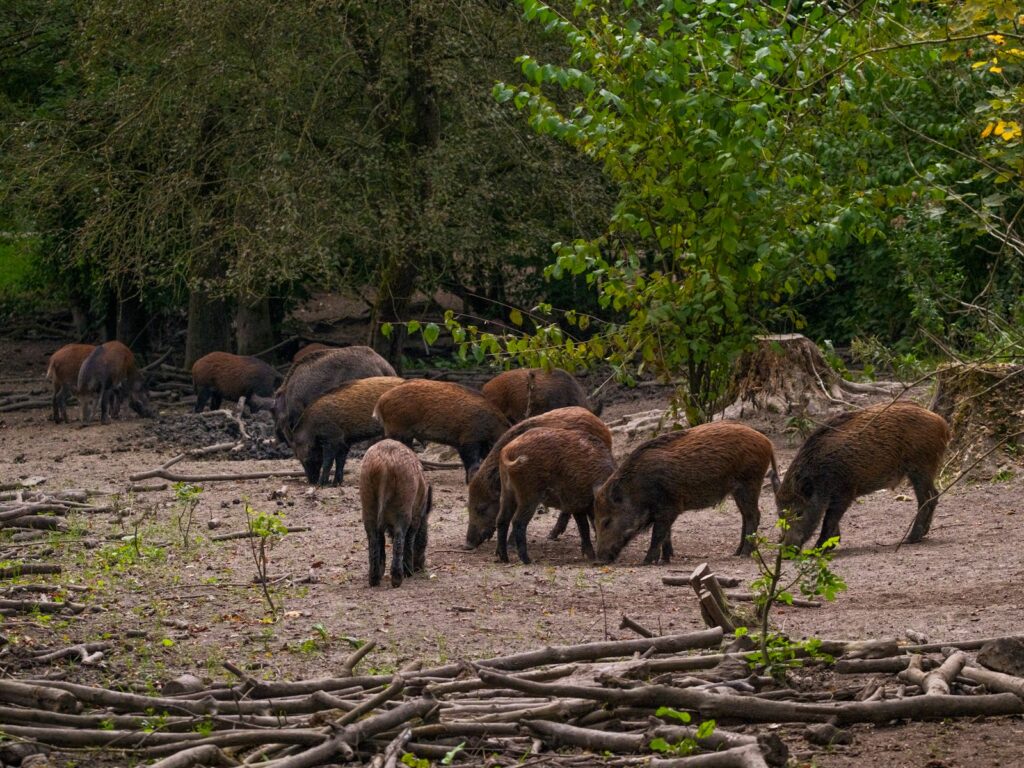
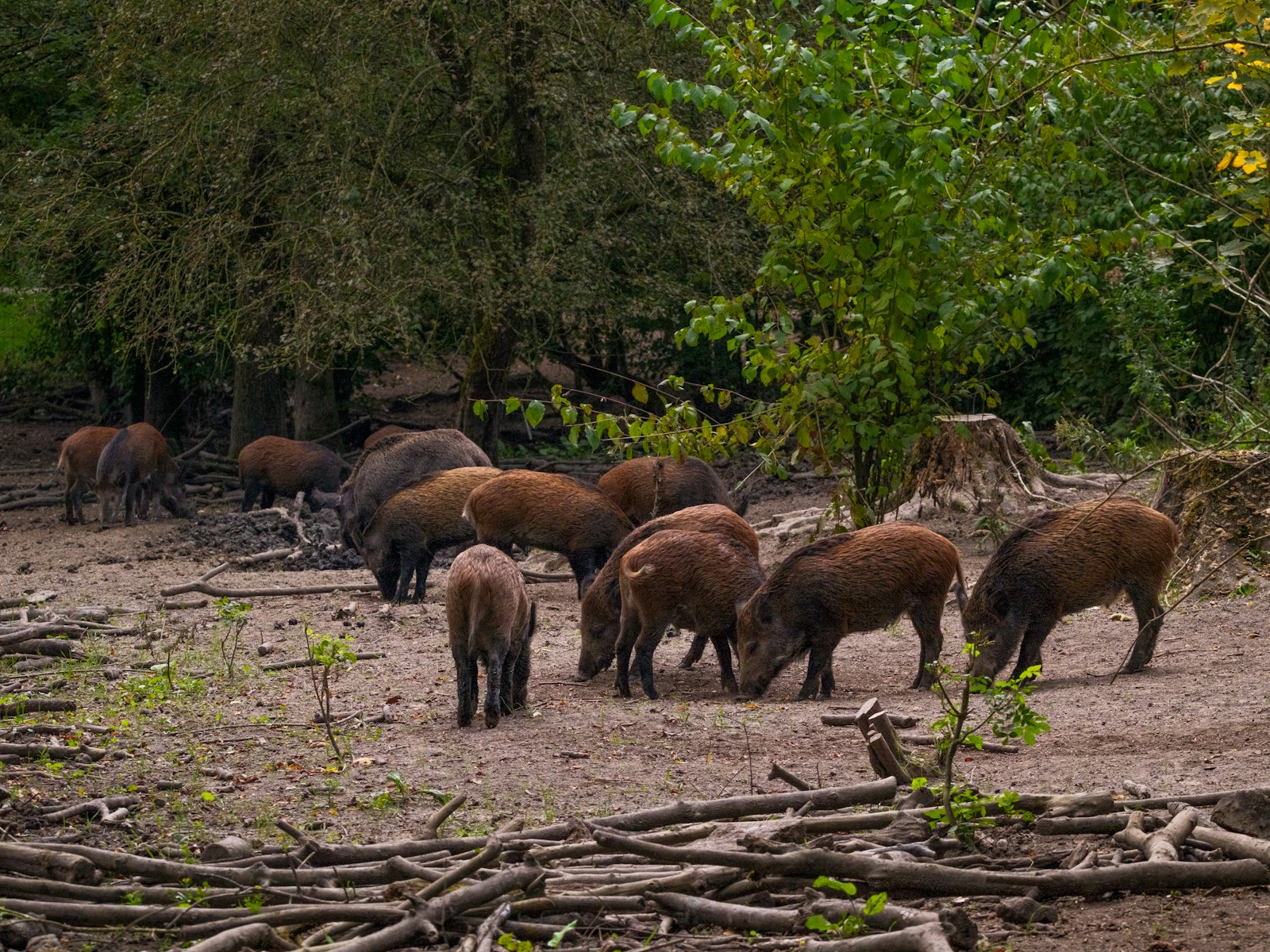
Everything’s bigger in Texas — including the adrenaline rush of chasing wild hogs across open ranch country with a seasoned guide at your side. Hog hunting in Texas isn’t just a hunt; it’s a full-throttle adventure where spotlights cut through the night, thermal scopes light up the brush, and the night erupts in chaos the second the first shot breaks. With an experienced guide who knows the land, the patterns, and the best setups, you’re not just hoping for action — you’re stepping straight into it. Whether you’re stalking river bottoms at dusk or riding shotgun in a tricked-out buggy after dark, guided hog hunts in Texas deliver nonstop excitement, big opportunities, and stories you’ll be telling long after the dust settles.
1) Texas Hog Hunting Outfitters
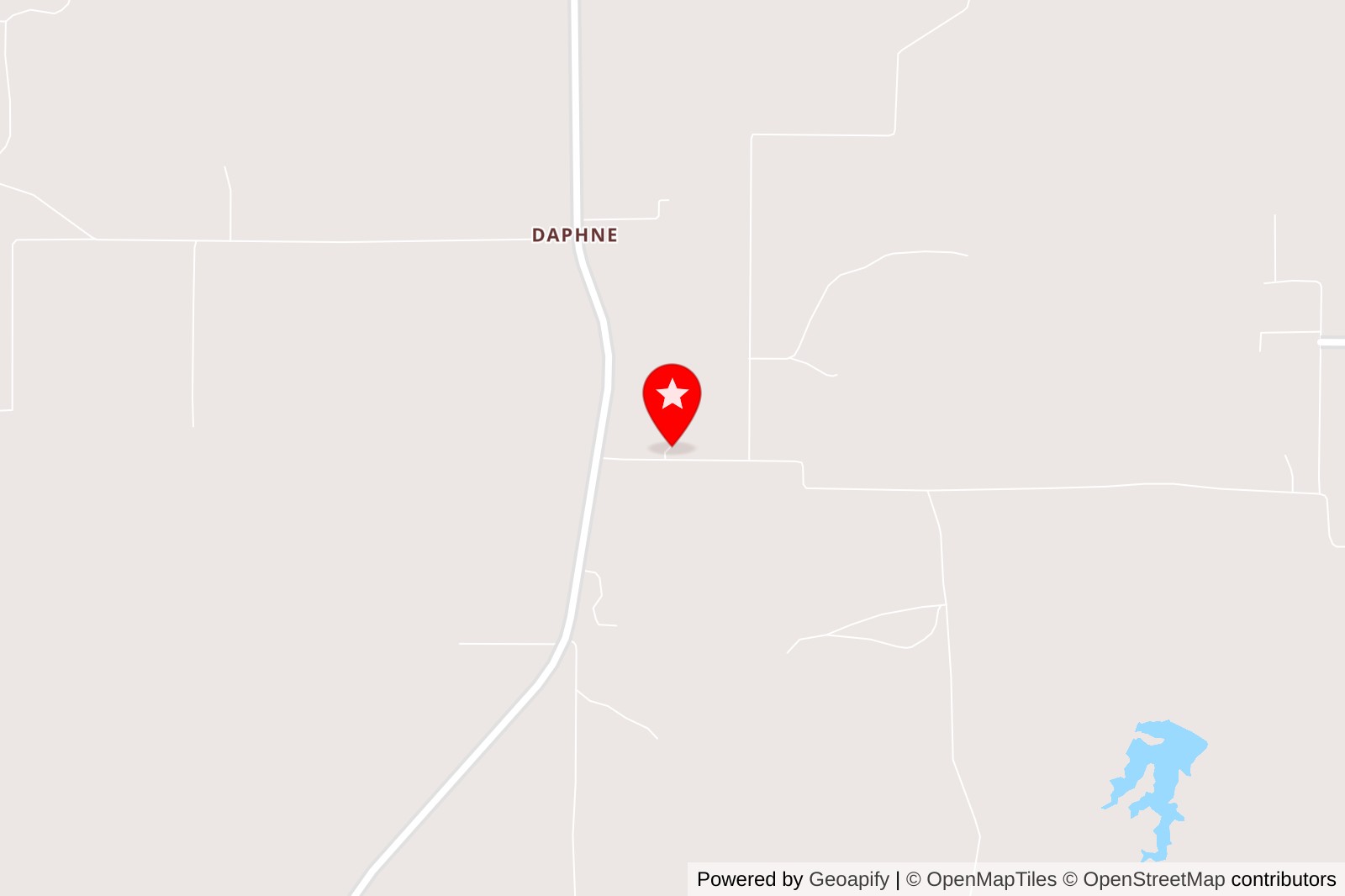
I arrived at Texas Hog Hunting Outfitters expecting a standard guide service and found a polished operation focused on practical results. The staff greeted me with clear safety briefings and walked me through the property layout, which felt well-managed and thoughtfully set up for varied hunts.
My hunt used a mix of stands and guided drives, and the guides adjusted tactics as conditions changed. They read wind and cover well, kept communication tight, and prioritized ethical shots, which made the outing efficient without feeling rushed.
Lodging and amenities were straightforward and clean, oriented toward hunters who want minimal fuss and maximum field time. The atmosphere was relaxed but professional, and I appreciated that gear and tags were handled with no surprises.
After a full day on the grounds I left with a better understanding of local hog behavior and practical tips I could apply on future hunts. The overall experience felt like working with a team that knows the land and values time spent in the field.
Rating: 4.9 (97 reviews)
Location: 205 County Rd NE 2190, Mt Pleasant, TX 75455
Contact: (903) 466-1358
Website: Visit Website
2) Dos Plumas Hunting Ranch
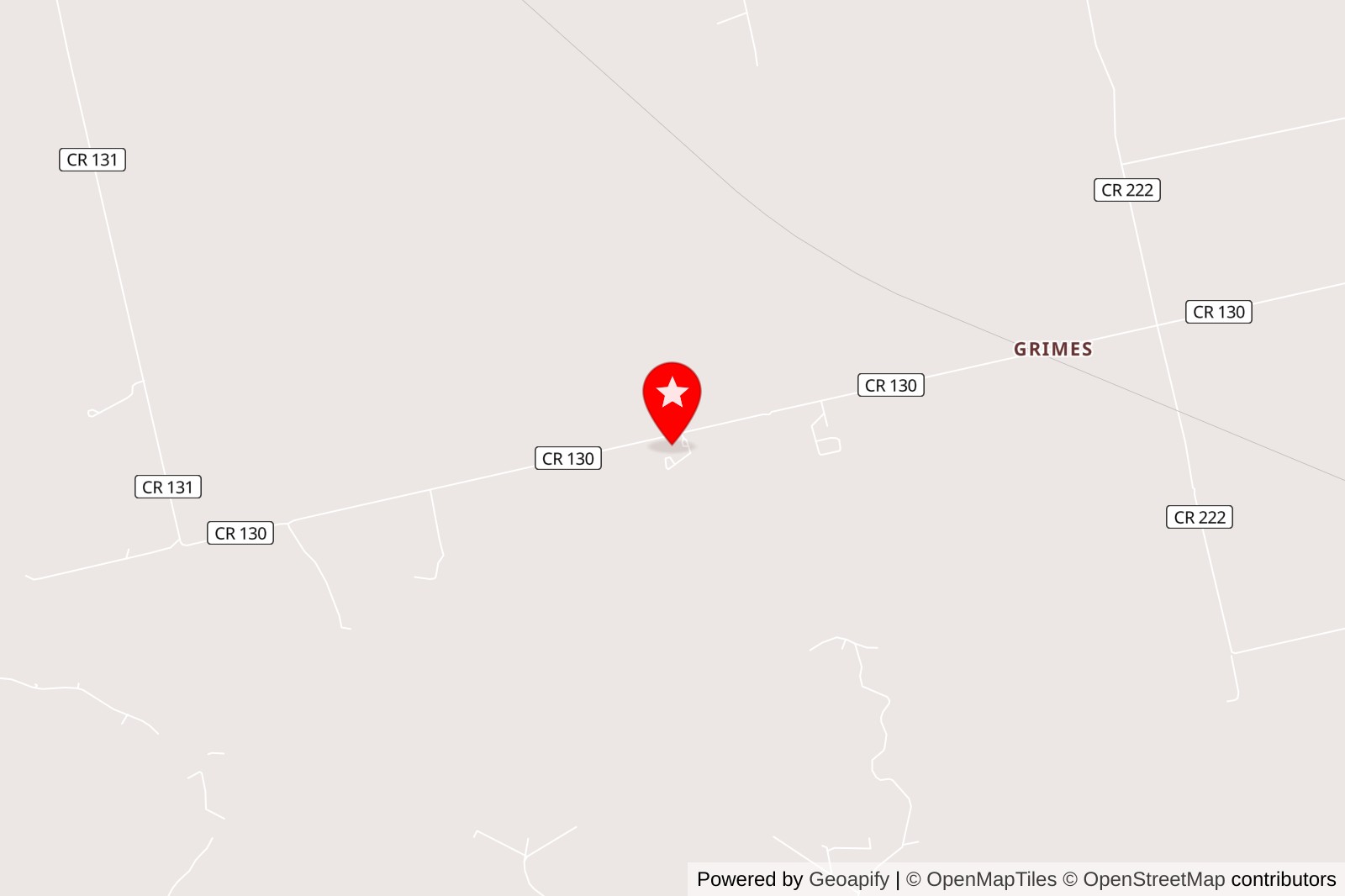
I drove onto the ranch and immediately noticed the organized layout and well-kept grounds. The staff greeted me, reviewed the day’s plan, and matched me with a guide who knew local hog behavior and terrain intimately.
The hunting setups felt intentional and safe, with clear shooting lanes and maintained blinds. My guide walked me through calling techniques and wind management, which improved my confidence and results that afternoon.
Terrain varies across the property, offering thick brushy draws and open pasture edges where hogs travel. I appreciated that the ranch balances challenging spots with areas that work well for newer hunters, so you can tailor the experience to skill level.
After the hunt, we used the on-site cleaning station and discussed meat processing options; service was straightforward and professional. Booking was simple and communication ahead of my visit was prompt, which made logistics easy.
Rating: 4.9 (496 reviews)
Location: 811 Co Rd 130, Trent, TX 79561
Contact: (325) 514-4794
Website: Visit Website
3) Wild Boar Outfitters
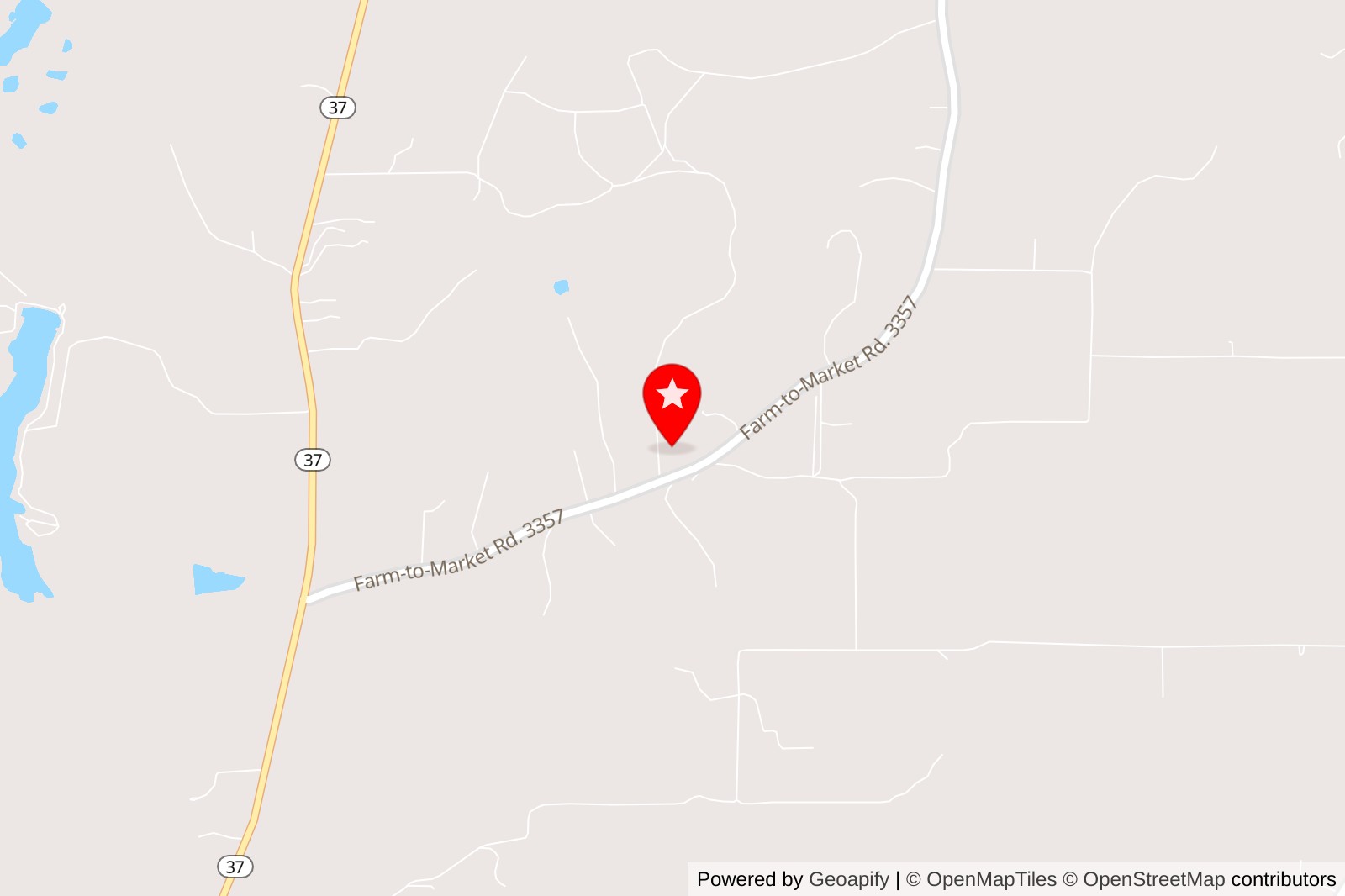
I drove onto a gravel lane and felt the place was set up for serious hog hunting. The staff met me, explained options for archery and gun hunts, and pointed out ground blinds and tree stands across rolling cover.
The hogs here show heavy Russian/Arkansas bloodlines; I saw mature boars with noticeable tusks during a walkthrough. Guides emphasized meat hog and trophy options, and they advised booking in advance to lock preferred dates.
Hunts run year-round, which gave me flexibility when planning. The operation felt organized—gear, stands, and safety briefings were ready when I arrived, and the guides stayed focused on practical hunting tactics.
Rating: 5 (24 reviews)
Location: 4352 N Farm Rd 3357, Winnsboro, TX 75494
Contact: (903) 365-7359
Website: Visit Website
4) Texas Wildwood Hog Hunts
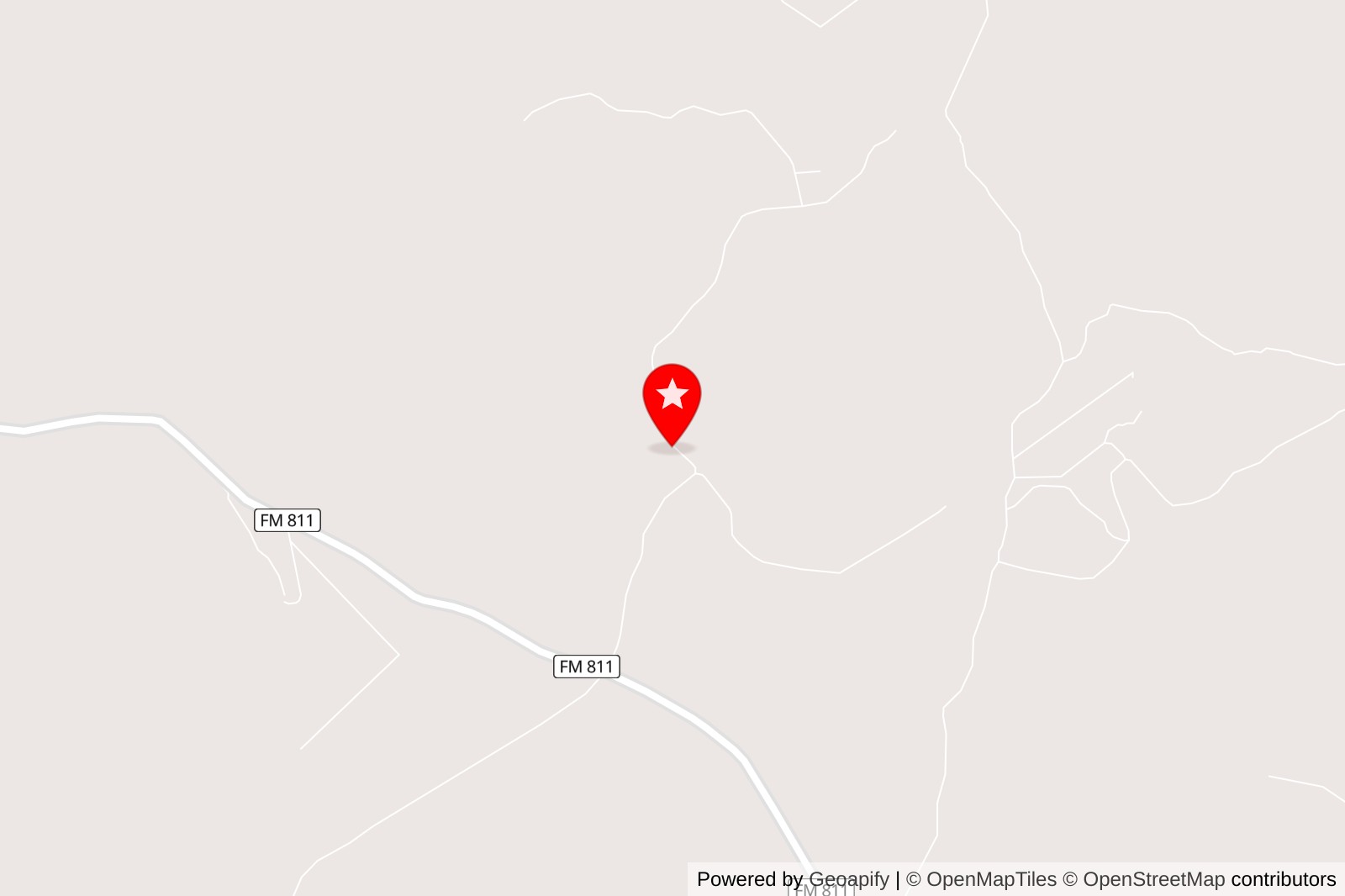
I spent a weekend at Texas Wildwood and came away impressed by how smoothly everything runs. The owners treat the place like family, and that shows in the cabin, the gear, and the personal attention during the hunt.
Guides put us on hogs quickly and adjusted tactics when animals moved differently than expected. I liked that they balance patient stand hunting with active calling and scouting, which led to several close encounters.
The property feels well-managed and comfortable for a multi-day stay. I appreciated the genuine enthusiasm from the hosts—stories, tips, and hands-on help made the trip both productive and memorable.
Many groups I talked with were repeat visitors, which speaks to the consistency here. If you want a guided hog hunt with experienced hosts who prioritize getting you on animals and making the outing enjoyable, this is a strong option.
Rating: 5 (31)
Location: 889 Co Rd 131, Centerville, TX 75833
Contact: (903) 391-0066
Website: Visit Website
5) Night Vision Hog Guide LLC
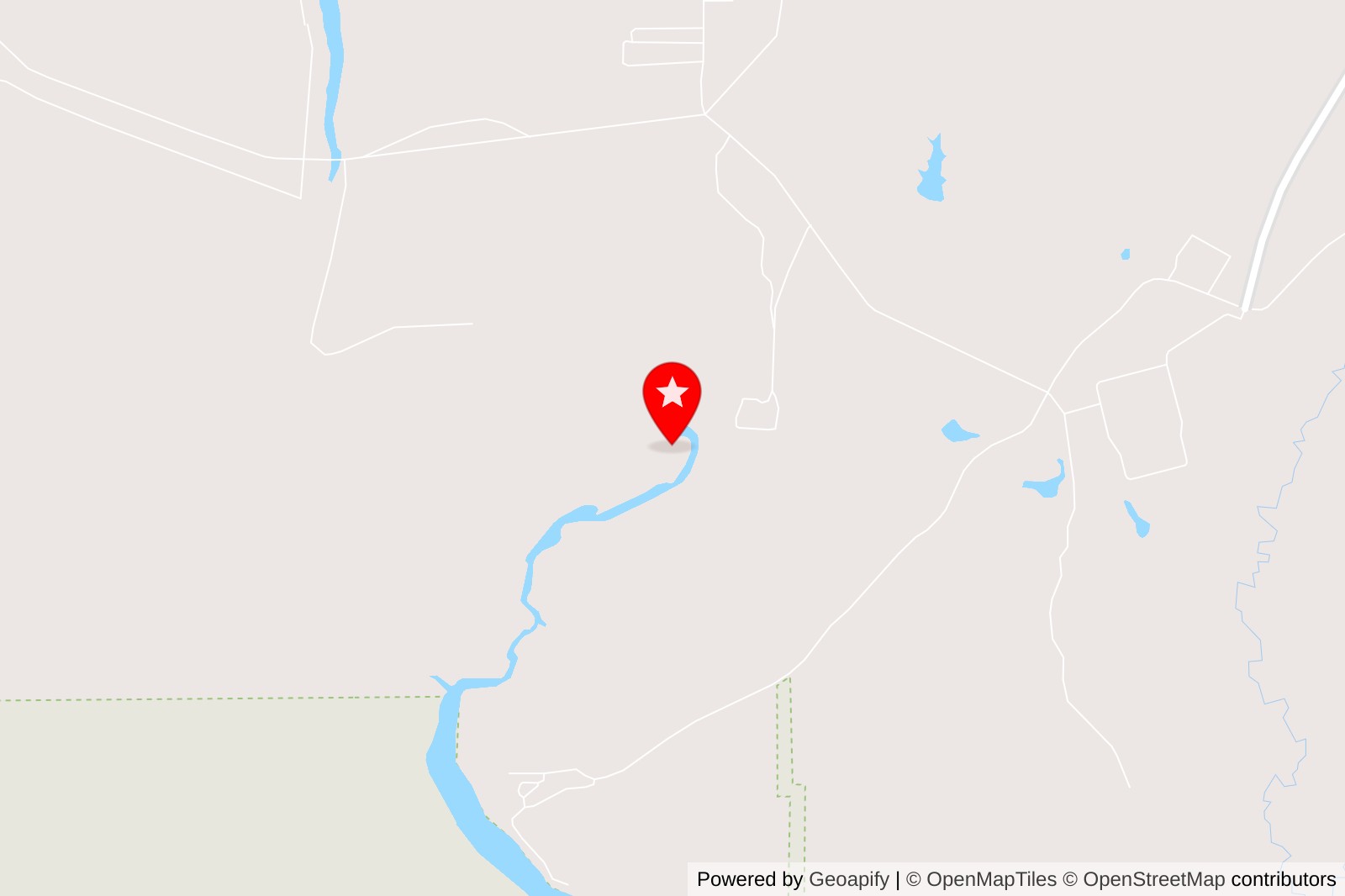
I arrived just after sunset and felt the change in rhythm the guides described—farmland quiet, animals moving, and the hunt shifting into a different gear. The team runs a tight operation: they provide suppressed firearms, military-grade night vision and thermal optics, and take a methodical approach to spot-and-stalk hunting in the Trinity River bottomlands.
The ride in the hunting vehicle felt organized and safe, with guides who know the terrain and hog behavior well. They set realistic expectations and kept things professional, balancing excitement with a focus on responsible shooting and hunter safety.
Lodging on the property made logistics easy for me; it’s straightforward to show up and hunt without hauling gear. The preserves and private ranches they use offer a mix of free-range hogs and managed game, so the experience can vary depending on the chosen trip.
Rating: 5 (141)
Location: County Rd 2901, Palestine, TX 75803
Contact: (903) 724-5183
Website: Visit Website
Key Factors to Consider When Choosing a Hog Hunting Guide
I prioritize guides who combine proven experience, clear safety procedures, and terrain that fits my preferred hunting style. Cost and convenience matter, but I place more weight on legal compliance, method transparency, and realistic success expectations.
Guide Experience and Licensing
I verify a guide’s hunting and guiding credentials before booking. That means checking state business licenses, U.S. Fish & Wildlife or Texas Parks and Wildlife permits where applicable, and proof of guide insurance. I ask how many years they’ve guided hogs specifically and request references or recent client reviews—experience with wild hog behavior and night operations matters more than general big-game resume.
I also confirm weapon and ammunition rules they enforce, and whether they carry liability and transportation coverage. A guide who documents land access agreements and demonstrates ethical harvest practices reduces the legal and logistical risk I accept on a hunt.
Hunting Methods and Safety Protocols
I ask which hunting methods they use: still-hunting, stand/blind with bait, night shooting with thermal, or driven hunts. I prefer guides who explain why a method fits the property and hog pressure, and who provide written rules about firearm types, caliber minimums, and shot placement expectations.
Safety protocols matter equally. I expect pre-hunt briefings covering emergency plans, radio or satellite comms, first-aid kit contents, and evacuation timelines. I confirm whether they require hunter education, mandate eye/ear protection, and run brief safety drills for night operations. A guide who records and shares after-action notes on incidents demonstrates continuous safety improvement.
Location and Terrain
I match the guide’s property to my skill level and goals. For high-density, roadside-access hogs I expect shorter walks and blinds; for remote ranches I prepare for longer glassing and hiking. I ask about acreage under management, fence lines or drainages that concentrate hogs, and availability of water sources that predict hog movement.
I also evaluate seasonality and terrain hazards: mesquite flats require different boots and optics than brushy river bottoms or brush/clay claypan areas. If I need lodging, I confirm drive times from airports and whether the outfitter provides ATV transport or requires self-supported trekking. When a guide can accurately describe access, habitat, and expected effort, I can plan gear and expectations accordingly.
What to Expect on a Texas Hog Hunt
I will describe the practical flow, the gear you’ll use or receive, and the key legal points that shape every hunt. Expect early starts, guided strategies, provided equipment options, and simple regulatory requirements that affect where and how you hunt.
Typical Itinerary
I usually arrive the evening before the hunt so I can check into the lodge, unpack, and attend a short safety orientation. Most outfits ask hunters to be ready at first light; that means breakfast between 4:30–5:30 a.m. and departure to blinds, bait sites, or trail-camera locations by 6:00 a.m.
Hunts typically run in half-day or full-day blocks. In the morning I’ll glass fields, set up for spot-and-stalk, or sit a blind for baited hogs. Lunch is often on-site or back at the bunkhouse, with an afternoon session that uses dogs, night drives, or helicopter operations depending on the outfitter. Evenings include processing options, meat storage, and debriefs about tracking and safety.
Equipment and Gear Provided
I find most reputable guides supply basic gear: blinds, bait, trail cameras, and ATVs or UTV transport. Standard offerings also include on-site meat coolers or freezers and access to processing partners if you want cuts vacuum-sealed.
Bring your own firearm or bow unless the outfitter provides rentals. Expect suggested calibers (like .270–.30-06 for rifles) and recommended optics such as 3–9x scopes for accuracy out to typical engagement ranges of 50–200 yards. Personal items—sturdy boots, hearing protection, headlamp, and layered clothing—remain your responsibility. Guides will list required licenses and any safety gear they insist you carry.
Hog Hunting Regulations in Texas
I verify license and tagging requirements before I hunt. Texas requires a valid hunting license for non-exempt hunters, and landowner permission when on private ranches. Bag limits for feral hogs are generally liberal, but specific ranches or guided outfits may enforce their own limits or fees for removed animals.
I also follow regulations on weapon types and hunting hours; some counties restrict night hunting methods or require permits for lights or helicopters. Chronic wasting disease and feral swine rules affect transport and disposal—if the outfit uses dogs or aerial methods, they will brief me on any additional permits or reporting requirements. For details about local outfitters and regional practices I review each ranch’s policy before booking, such as those listed by the Texas hog hunting directories and outfitters.