
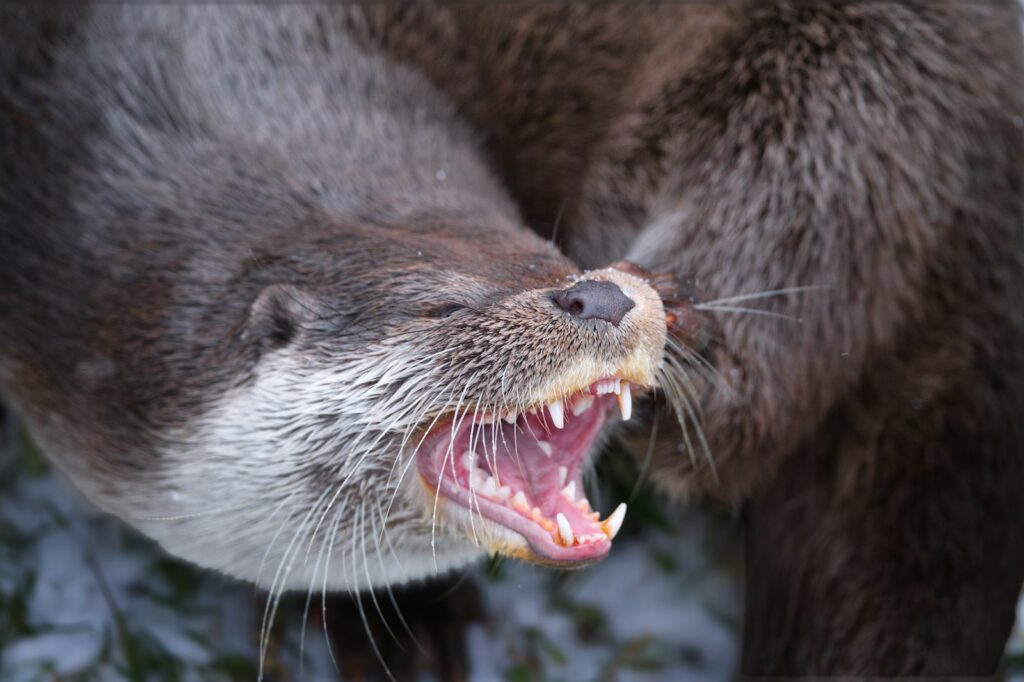
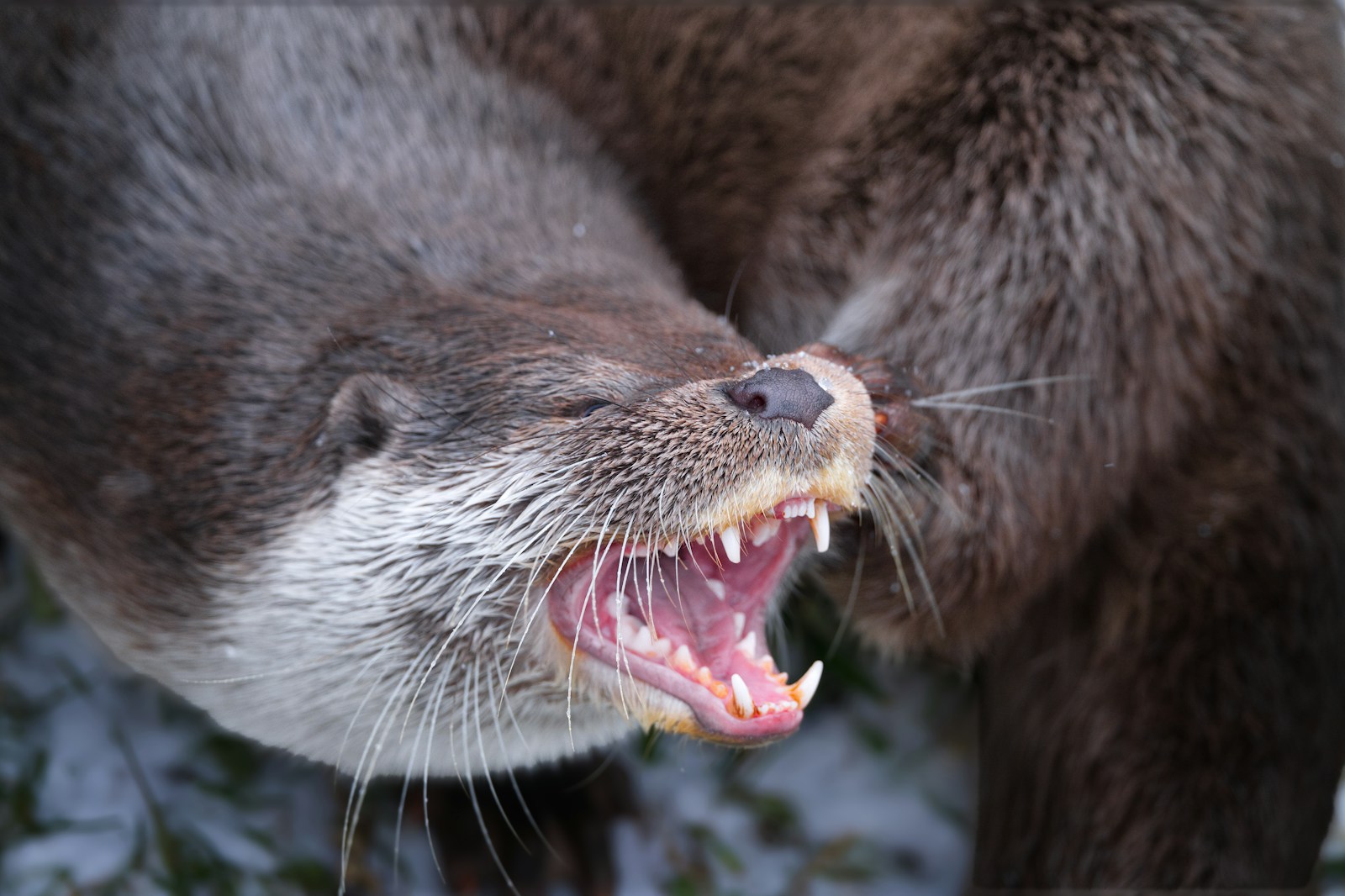
River otters are charismatic, agile, and downright fun to watch — so it’s no surprise that many wildlife agencies have worked to reintroduce them to watersheds where they once thrived. These reintroduction efforts, which gained momentum in the latter half of the 20th century, reflect both ecological restoration goals and a broader shift toward valuing biodiversity.
But as with any major wildlife initiative, reintroducing river otters comes with both benefits and drawbacks. Understanding the full picture helps hunters, anglers, and outdoor lovers appreciate why otter restoration matters — and why it sometimes sparks debate among stakeholders.
A Return to Healthy Waterways
One of the biggest reasons river otters were historically lost from many waterways was habitat degradation and pollution. By the mid-1900s, unregulated industrial discharge, agricultural runoff, and widespread trapping had decimated otter populations across much of the eastern and central United States.
As water quality improved through the Clean Water Act and landscape restoration projects, wildlife managers saw an opportunity: reintroduce river otters to help reestablish natural predator-prey dynamics and signal healthier aquatic ecosystems.
Today, river otters can be found again in many states where they had disappeared. Their return often indicates better water quality and abundant fish populations, because otters rely on clean water and healthy forage. To many conservationists, seeing otters in a river or wetland — swimming with effortless grace or sliding down a muddy bank — is a sign the ecosystem is moving in the right direction.
Top Pros of River Otter Reintroduction
1. Ecological Balance and Biodiversity
River otters are carnivorous top predators in freshwater systems. Their presence helps control populations of fish, crayfish, and other aquatic prey — contributing to a more balanced ecosystem and reducing the risk of any single species overwhelming the food web.
2. Indicator of Healthy Waters
Otters require clean, productive waterways to survive. Reintroduction efforts often coincide with water quality improvements, making otters a natural indicator species. If otters thrive, it often means the watershed is healthy enough to support diverse forms of life.
3. Enhanced Outdoor Experience
For anglers and wildlife watchers alike, spotting an otter is a memorable experience. These playful creatures add to the outdoor experience without the need for active engagement — they simply enrich the soundscape and sightlines of rivers and lakes.
4. Educational and Recreational Value
Reintroduction programs provide opportunities for public education about watershed conservation. From school programs to guided wildlife watching tours, otters help connect people with nature in meaningful ways.
The Cons and Challenges
1. Impact on Fish Populations
River otters eat fish — a lot of fish. This can create tension with anglers, particularly in areas where prized sport fish like trout or bass are under pressure. In some smaller watersheds or impoundments, fears arise that otters could reduce fish stocks or negatively affect hatchery recovery efforts.
2. Competition With Other Predators
Otters may compete with other predators — including humans, raccoons, herons, and mink — for forage. In some ecosystems, this competition can shift dynamics in unexpected ways, leading managers to carefully monitor population interactions.
3. Human-Wildlife Conflict
Closer proximity between otters and people sometimes leads to complaints. Otters can raid fish ponds or damage gear, leading some landowners to view them as nuisances. While these interactions are generally rare, they do require thoughtful management strategies.
4. Monitoring and Management Costs
Reintroduction isn’t a “set it and forget it” process. It requires ongoing monitoring, habitat protection, health assessments, and sometimes mitigation of conflicts. These efforts can be costly and demand long-term funding commitments.
A Balanced Approach
The reintroduction of river otters represents a broader trend in wildlife management: restoring native species to bolster ecological integrity while balancing human interests.
Many states now include otter monitoring alongside angler surveys, water quality testing, and habitat improvement initiatives. This integrated approach allows wildlife agencies to track otter populations without ignoring fishery goals or landowner concerns.
For outdoor enthusiasts, river otters are more than an ecological case study — they’re a reminder that healthy rivers support life at many levels. Their playful dives and sleek bodies are signs of water that heals. But every restoration effort carries complexity.
When otters return, we don’t just welcome a species back into a watershed — we accept responsibilities: to monitor, educate, mitigate conflicts, and protect the rivers that sustain them.
In the end, river otter reintroduction is about more than bringing back a single animal. It’s about fostering ecosystems that are robust, dynamic, and resilient — a legacy worth pursuing if we’re committed to healthy waters for generations to come.