
A wildlife enforcement operation in South Carolina has escalated into a civil lawsuit after criminal charges against a hunter were dismissed. The case centers on a decoy deer sting conducted by officers with the South Carolina Department of Natural Resources and has sparked debate over probable cause, enforcement tactics, and constitutional rights.
According to reporting by Outdoor Life, the incident occurred during a nighttime anti-poaching operation in November 2024. Officers placed a realistic deer decoy in a rural field near a roadway — a tactic commonly used nationwide to catch individuals illegally spotlighting or shooting deer after dark (Outdoor Life, “Hunter Sues South Carolina DNR for Wrongful Arrest”).
The Stop
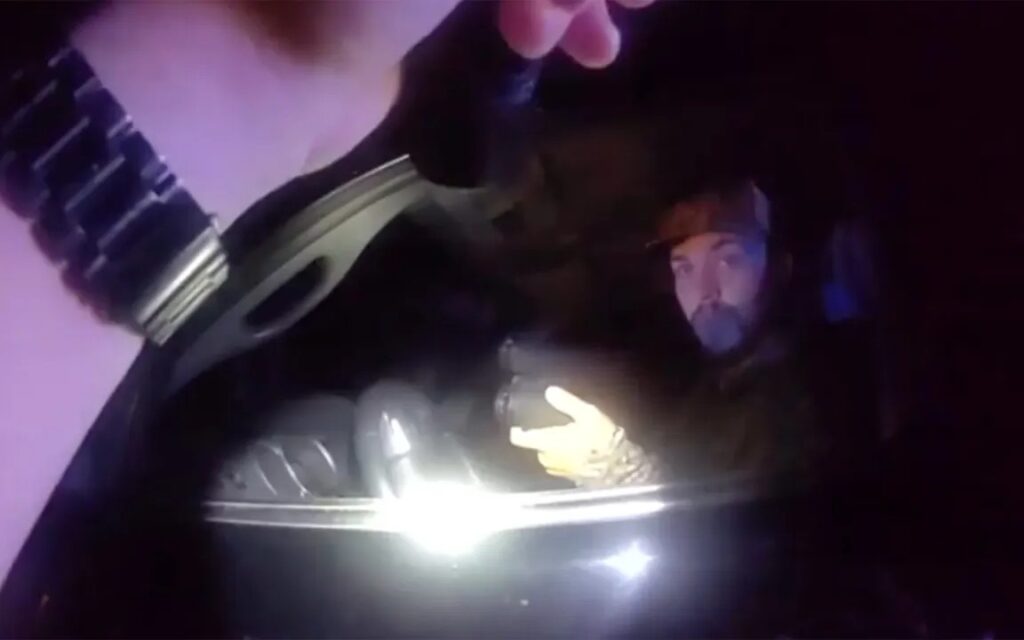
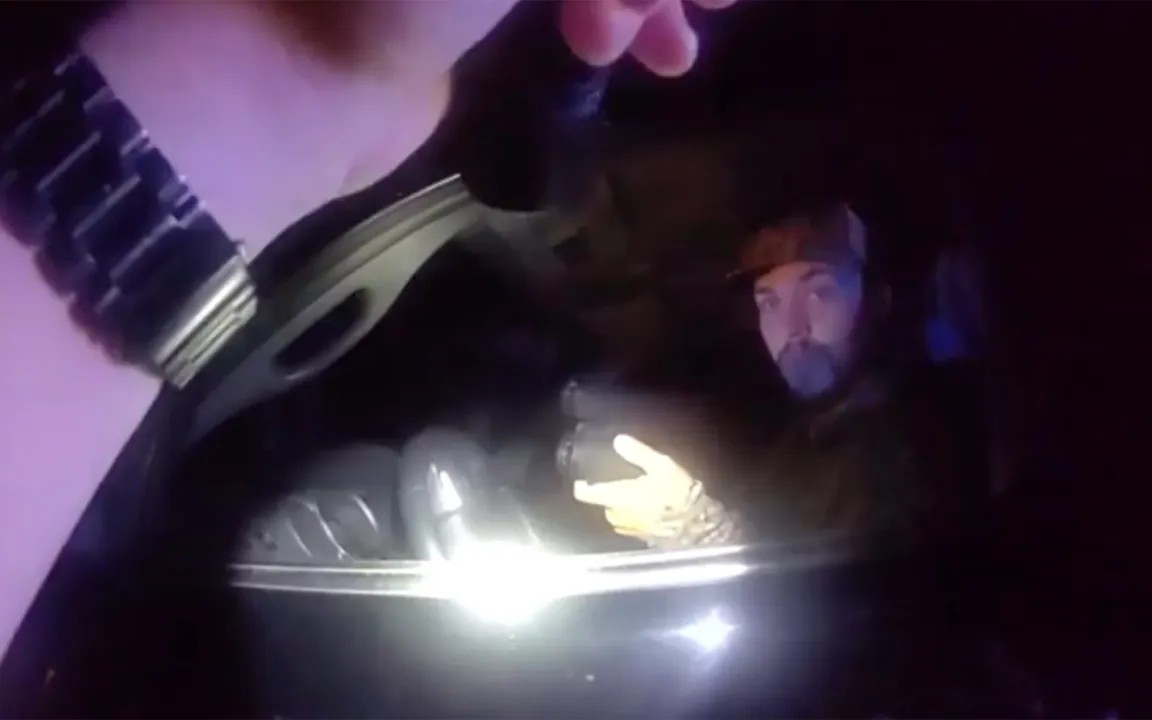
Body-camera footage later obtained by the hunter’s attorney shows the man, identified as Shane Huffman, driving past the decoy before slowing down, backing up, and briefly stopping his vehicle. As noted in Outdoor Life’s review of the footage, Huffman did not shine artificial light on the deer and did not fire a weapon (Outdoor Life).
Under South Carolina law, illegal night hunting typically involves the use of artificial light to locate or illuminate wildlife before attempting to harvest it. Simply observing a deer from a roadway is not, by itself, unlawful.
Despite this, officers initiated a traffic stop. In bodycam footage referenced by Outdoor Life, one officer acknowledged that Huffman had not used a spotlight but stated he intended to stop him regardless (Outdoor Life).
Body Cam Video Here: https://www.youtube.com/watch?v=vKv244K_w58
Charges Later Dropped
Huffman was charged with night hunting. However, prosecutors later dismissed the case due to insufficient evidence, according to Outdoor Hub (“Hunter Sues SCDNR After Charges Dropped”).
Following the dismissal, Huffman’s attorney obtained and reviewed the body-camera footage. In an interview covered by Outdoor Life, she expressed shock at what she described as comments by officers suggesting a predetermined decision to stop the vehicle despite no visible illegal activity (Outdoor Life).
Allegations in the Lawsuit
Huffman has since filed a civil lawsuit against SCDNR and the officers involved. According to Outdoor Hub, the lawsuit alleges wrongful arrest, violation of constitutional rights, and abuse of authority (Outdoor Hub).
The complaint also references portions of the bodycam footage that allegedly show officers discussing the stop after acknowledging no spotlighting occurred. The attorney argues that without probable cause, the stop constituted unlawful detention.
In statements reported by Outdoor Life, the attorney further claims that certain portions of the bodycam audio were muted during discussion between officers, raising additional concerns about transparency (Outdoor Life).
Decoy Deer Operations and Enforcement Authority
Decoy deer stings are widely used by wildlife agencies across the United States. According to conservation law enforcement professionals cited in Outdoor Life, these operations are designed to deter and catch poachers who shoot from vehicles or use artificial light to locate deer illegally (Outdoor Life).
Poaching remains a serious issue in many states, and wildlife agencies argue that proactive tactics are necessary to protect game populations and maintain public trust in regulated hunting systems.
However, legal experts cited by Outdoor Hub emphasize that even in wildlife enforcement, officers must meet constitutional standards for probable cause before conducting traffic stops or arrests (Outdoor Hub).
Public Reaction
The case has generated strong reaction among hunters and civil liberties advocates. Discussion threads referenced by Outdoor Life show divided opinion — some defend aggressive anti-poaching efforts, while others argue that law-abiding hunters should not be subjected to stops absent clear evidence of wrongdoing (Outdoor Life).
For many hunters, slowing down to observe deer along rural roads is common behavior, particularly during hunting season. Critics of the stop argue that normal wildlife observation should not automatically trigger law enforcement action.
Agency Response
As reported by Outdoor Life, SCDNR has declined to comment in detail on the pending litigation but indicated that the matter will be addressed through the court process (Outdoor Life).
The lawsuit is still working its way through the legal system. If the court finds constitutional violations, it could result in policy changes or financial damages. If not, the ruling may reinforce the authority of wildlife officers to conduct investigative stops tied to decoy operations.
Broader Implications
This case highlights a tension that extends beyond South Carolina: the balance between aggressive conservation enforcement and individual constitutional protections.
Wildlife agencies are tasked with preventing illegal hunting practices that can harm ecosystems and undermine regulated seasons. At the same time, the Fourth Amendment requires that law enforcement actions be supported by reasonable suspicion or probable cause.
As detailed by Outdoor Life and Outdoor Hub, the outcome of Huffman’s lawsuit could influence how decoy operations are conducted — and challenged — in the future.
For now, what began as a decoy deer placed quietly in a field has become a case study in enforcement boundaries, accountability, and the rights of lawful outdoorsmen.