

Camper Injured in Bear Encounter: What We Can Learn About Staying Safe in Bear Country
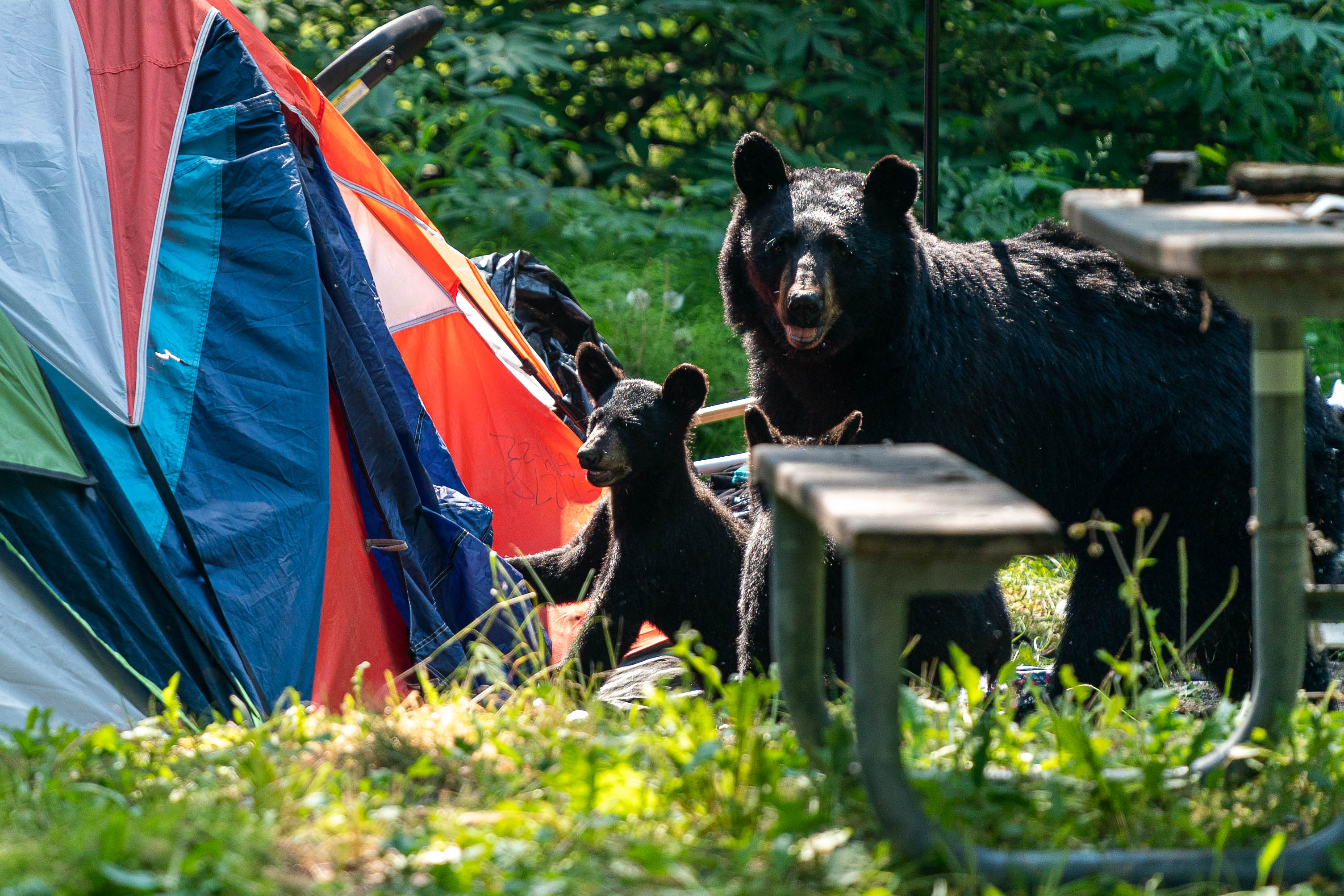

A recent bear encounter that left a camper injured serves as another reminder that time spent outdoors comes with responsibility — especially in areas where black bears are active.
According to officials with Colorado Parks and Wildlife, the incident occurred at a developed campground when a black bear entered the area during early morning hours. The camper reportedly surprised the bear near a campsite where food items had not been fully secured. The individual sustained non-life-threatening injuries, and wildlife officers later tracked the bear in the surrounding area.
Colorado Parks and Wildlife reports that the vast majority of black bear encounters in campgrounds are tied directly to food availability. Bears have an extraordinary sense of smell — estimated by wildlife biologists to be many times stronger than a bloodhound’s — and once they associate campsites with food, they are likely to return.
The National Park Service echoes that assessment in its backcountry safety guidelines, noting that most bear incidents are the result of food-conditioned animals rather than predatory behavior. In other words, bears aren’t typically hunting people — they’re hunting calories.
Why Campground Encounters Happen
Black bears enter a phase known as hyperphagia in late summer and fall, a period of intense feeding before winter denning. During this time, their caloric intake increases dramatically. According to Colorado Parks and Wildlife seasonal wildlife advisories, this heightened feeding drive often brings bears closer to developed areas where food smells are concentrated.
Unsecured coolers, food scraps, pet food, trash, scented toiletries, and even empty drink containers can attract bears. Once a bear successfully finds food in a campground, it may return repeatedly.
Unfortunately, bears that injure humans or repeatedly seek food in developed areas are often euthanized under wildlife conflict management protocols, according to Colorado Parks and Wildlife.
How to Avoid Bear Encounters While Camping
Preventing encounters starts long before you see a bear.
The National Park Service recommends the following precautions when camping in bear country:
1. Store Food Properly
Use bear-resistant food containers or designated bear lockers provided at campgrounds. If those aren’t available, store food inside a locked vehicle out of sight. Never leave coolers or trash unattended.
2. Keep a Clean Campsite
Cook and eat away from your sleeping area when possible. Immediately dispose of food scraps in bear-proof trash receptacles. Avoid leaving dishes out overnight.
3. Eliminate Scented Items
Toothpaste, sunscreen, deodorant, and even canned beverages should be secured just like food. Bears are attracted to scent, not just visible food.
4. Stay Alert During Low-Light Hours
Many bear encounters occur at dawn or dusk. Make noise when walking through wooded areas and carry a flashlight at night.
5. Carry Bear Spray
Wildlife agencies across the West, including Colorado Parks and Wildlife, recommend carrying EPA-approved bear spray in active bear country. Studies referenced by wildlife agencies show bear spray to be highly effective in deterring aggressive encounters.
What To Do If You Encounter a Black Bear
If you see a black bear in a campground:
-
Do not run.
-
Make yourself appear larger.
-
Speak calmly and back away slowly.
-
Do not turn your back on the animal.
According to the National Park Service, black bear attacks are rare, and defensive reactions can often prevent escalation.
The Bigger Picture
Bear encounters are not new, and they are not increasing because bears are becoming more aggressive. Wildlife agencies consistently report that human behavior — specifically food storage — remains the primary factor in campground conflicts.
The camper injured in this recent encounter is recovering, and wildlife officials continue to remind outdoor enthusiasts that preventing bear encounters protects both people and animals.
Because in bear country, a little prevention goes a long way — and it often determines whether everyone, including the bear, walks away safely.