
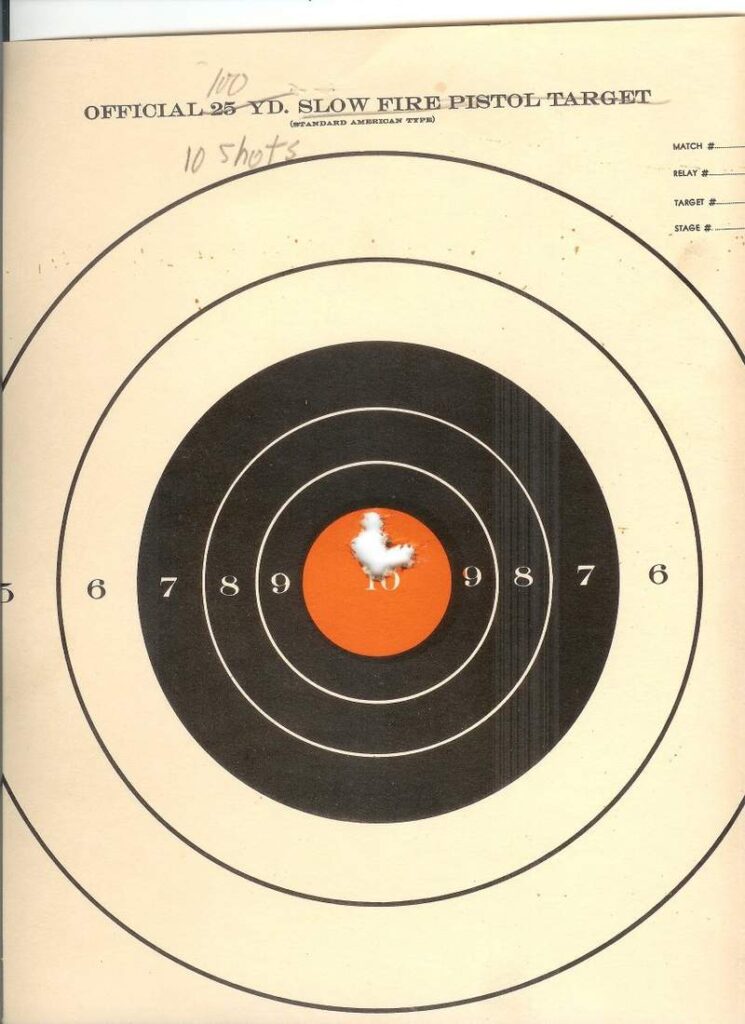
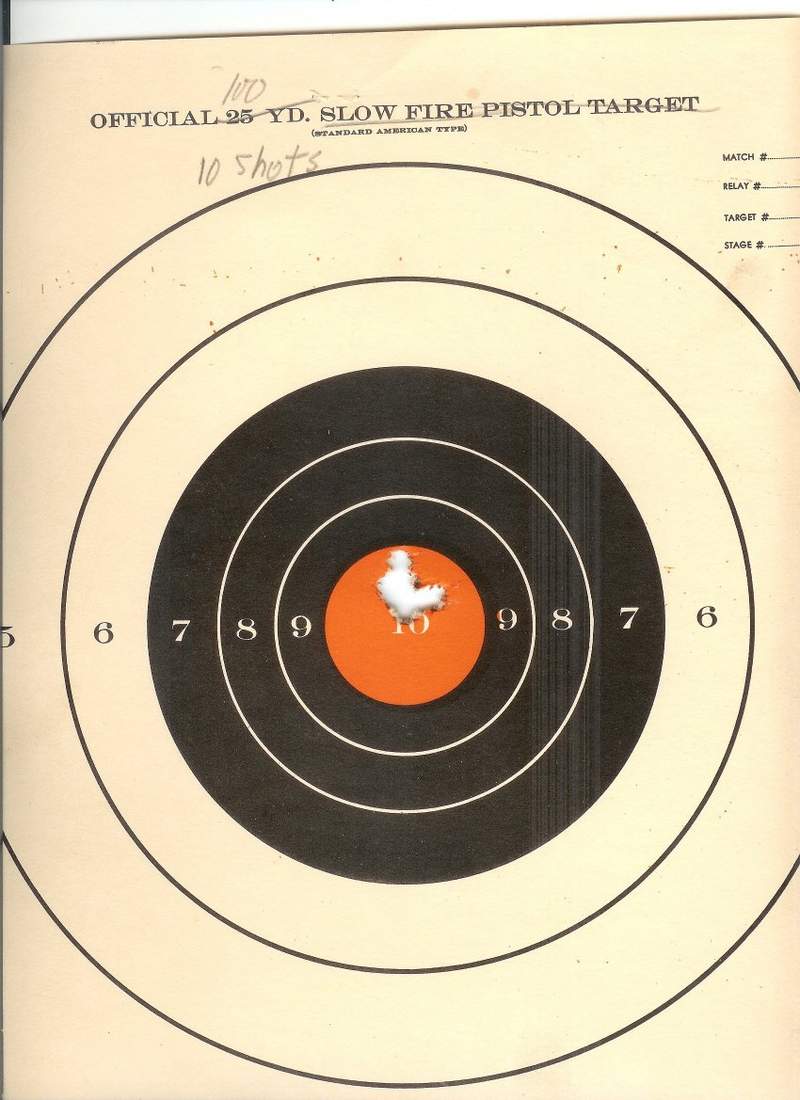
A properly zeroed rifle is the foundation of ethical shooting and consistent accuracy. Whether you’re preparing for deer season or dialing in a new optic, the most reliable way to establish a 100-yard zero is the three-shot group method — a process widely taught in hunter education programs and marksmanship instruction.
According to guidance published by the National Shooting Sports Foundation, establishing zero at 100 yards provides a consistent baseline for calculating bullet drop and confirming real-world performance. Many manufacturers test rifles and optics at this distance, making it the most common standard zero in the United States.
Below is a detailed step-by-step breakdown of how to zero using the three-shot method.
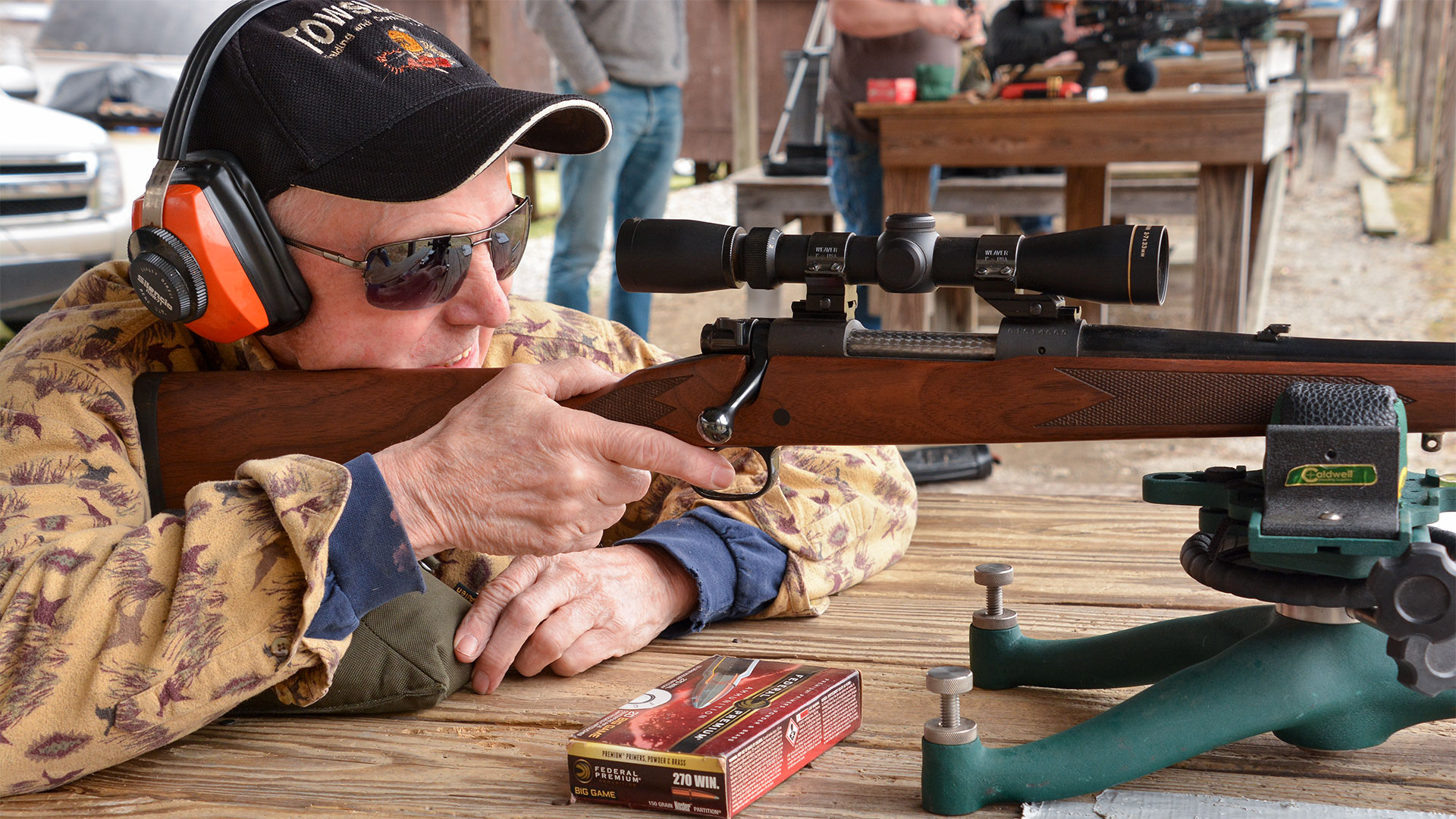
Step 1: Start at 25 Yards (Optional but Smart)
If you’re mounting a brand-new optic, begin at 25 yards to ensure you’re on paper. Fire a three-shot group and adjust windage and elevation until your impacts are roughly 1 inch low at 25 yards. This will typically put you close at 100 yards depending on your caliber and load.
The National Rifle Association emphasizes that stability and consistency are critical at this stage — use a solid bench, sandbags, or a bipod to remove as much shooter error as possible.
Step 2: Move to 100 Yards and Fire a Three-Shot Group
At 100 yards, fire three deliberate shots at the same aiming point. Do not adjust your scope after each shot. The purpose of the three-shot group is to identify your rifle’s true point of impact — not to chase individual rounds.
Let the barrel cool slightly between shots if possible. Barrel heat can shift impact slightly, especially with lightweight hunting rifles.
Once you complete the group, measure the center of the three-shot cluster. Ignore flyers caused by obvious shooter error.
Step 3: Understand Scope Adjustments
Most modern rifle scopes adjust in ¼ MOA (Minute of Angle) increments. One MOA equals approximately 1 inch at 100 yards.
That means:
-
1 click = ¼ inch at 100 yards
-
4 clicks = 1 inch at 100 yards
If your group is 2 inches low and 1 inch right:
-
Adjust 8 clicks up
-
Adjust 4 clicks left
Scope manufacturers such as Vortex Optics and Leupold publish similar adjustment standards in their owner manuals.
Always adjust toward where your group needs to move.
Step 4: Fire Another Three-Shot Group
After making adjustments, fire another controlled three-shot group at the same aiming point.
Do not assume you’re zeroed after a single correction. Confirm it.
If your impacts are now centered on your point of aim, you’ve achieved a 100-yard zero. If not, measure the new deviation and repeat the correction process.
Hunter education programs overseen by agencies such as the Texas Parks and Wildlife Department recommend confirming zero before every hunting season to account for scope bumps, travel shifts, or ammunition changes.
Step 5: Confirm with a Final Group
For true confidence, fire a final confirmation group once adjustments are complete. A consistent three-shot cluster at your point of aim confirms mechanical zero and shooter consistency.
Some shooters prefer firing a five-shot group for additional confirmation, but the three-shot method remains the most efficient and widely used zeroing technique.
Common Mistakes to Avoid
Chasing single shots: Adjusting after each round leads to overcorrection.
Poor rest setup: Even slight movement changes point of impact.
Switching ammo mid-process: Different loads can shift impact several inches.
Ignoring parallax and eye relief: Improper scope alignment affects accuracy.
Why 100 Yards?
A 100-yard zero offers a predictable ballistic starting point. According to the National Shooting Sports Foundation, this distance simplifies holdovers and provides consistent drop references for most common hunting calibers.
For example, many .308 Winchester and .30-06 Springfield loads will drop approximately 3–4 inches at 200 yards when zeroed at 100 — though exact drop varies by bullet weight and velocity.
Final Thoughts
The three-shot zeroing method works because it removes guesswork. It averages out minor shooter inconsistencies and shows you where the rifle is truly printing.
Zeroing isn’t about speed — it’s about precision. Take your time, measure carefully, and confirm your work.
A properly zeroed rifle builds confidence, increases ethical shot placement, and ensures that when the moment matters, your point of aim and point of impact are exactly where they need to be.