
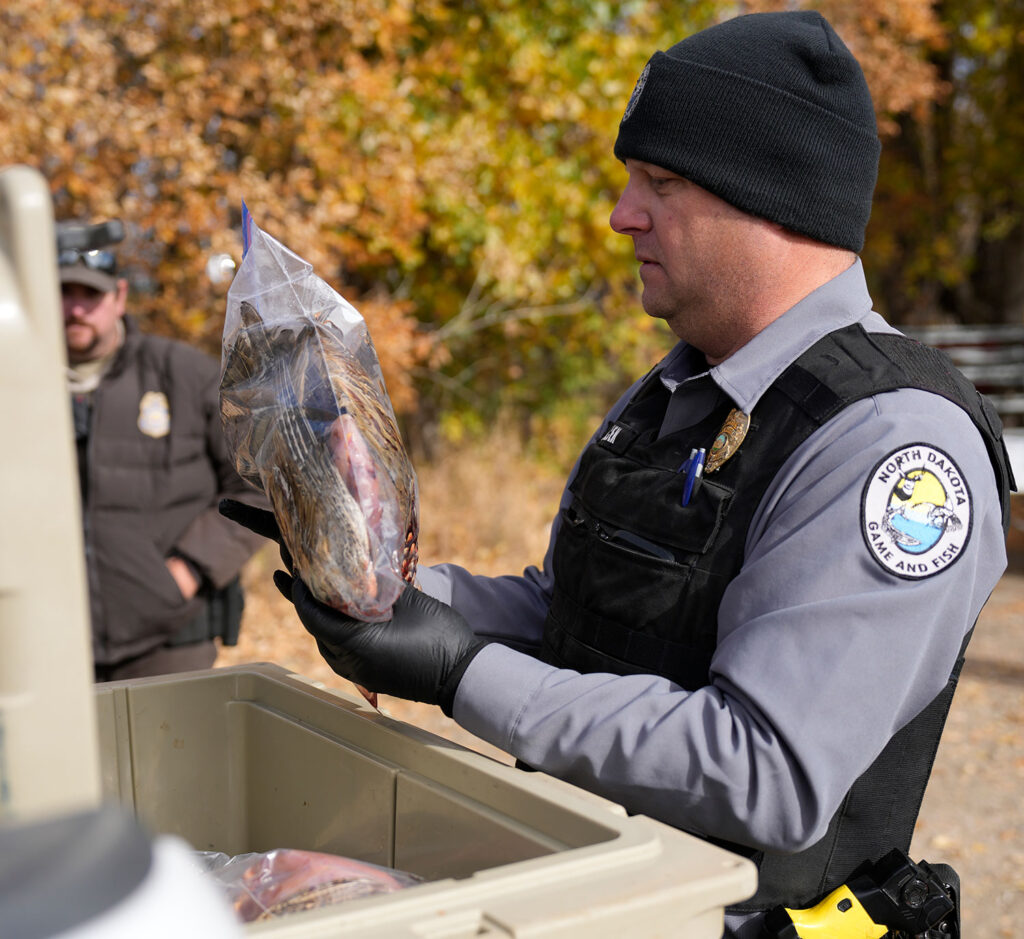
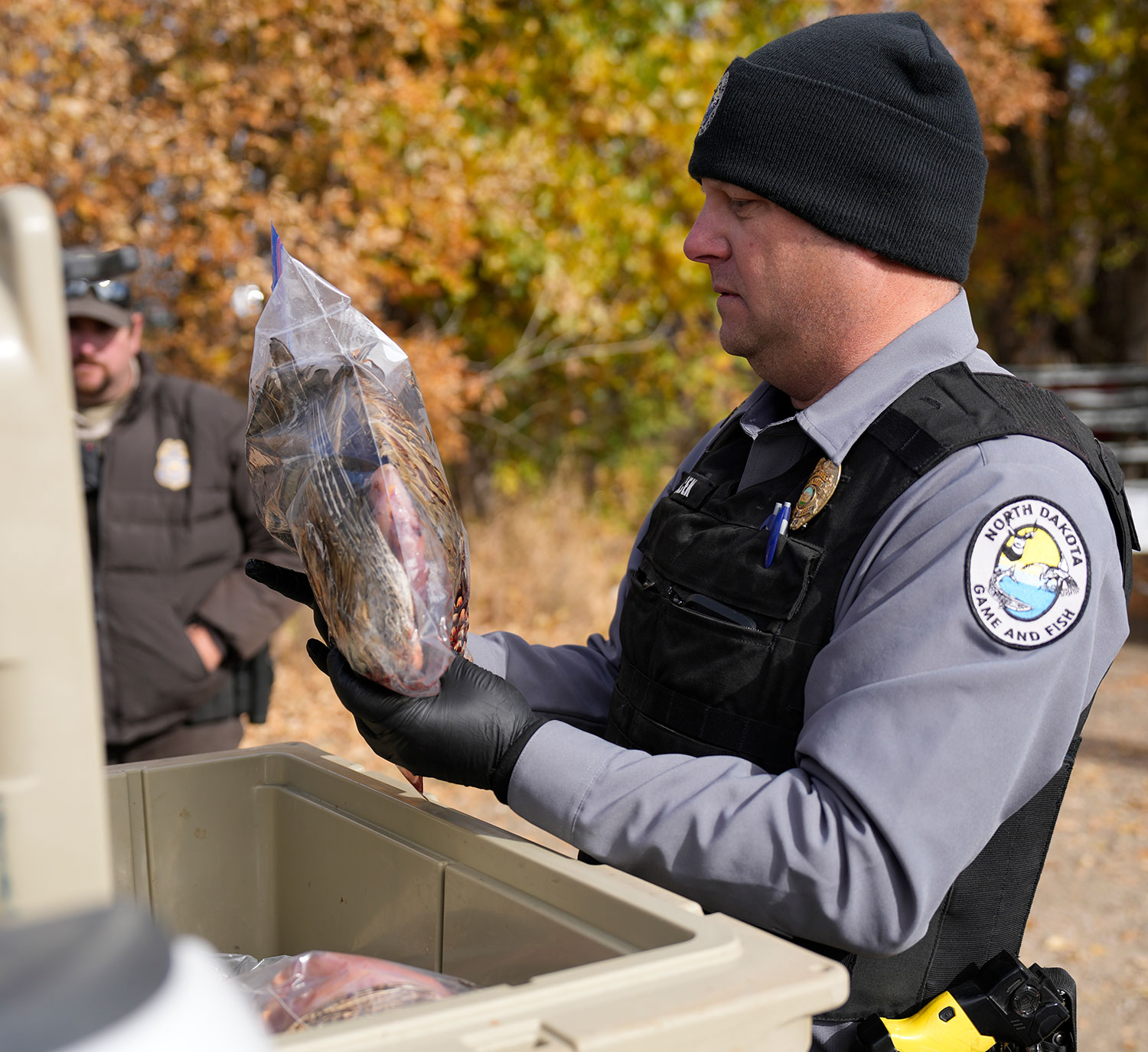
 A federal wildlife crime case in southern Illinois has drawn attention across the hunting community after a hunting club owner was ordered to pay tens of thousands of dollars in fines and restitution for running illegal duck hunts on baited fields. The case, which ranks among the larger financial penalties in waterfowl enforcement actions, highlights how seriously federal authorities treat violations tied to commercial hunting operations.
According to the U.S. Department of Justice, Hugh Thomas “Tom” Burns Jr. and his operation, Burns Hunting Club, pleaded guilty to a conspiracy involving illegal waterfowl hunting tied to the sale of guided hunts.
Federal prosecutors said the scheme involved baiting fields with corn to attract ducks and geese into shooting range—an illegal practice under federal migratory bird hunting regulations.
The Federal Charges
Burns pleaded guilty to violating the Lacey Act, which prohibits the sale or transport of wildlife taken illegally under state or federal law.
According to the Department of Justice, investigators documented hunting activity over baited areas while the club continued to sell memberships and guided hunts to customers.
Baiting waterfowl is illegal because it gives hunters an unfair advantage by drawing birds directly to a feeding site. Federal wildlife regulations strictly prohibit placing or maintaining grain or feed that could attract migratory birds to hunting areas.
Violations can result in criminal charges, fines, and equipment seizures.
Financial Penalties and Club Shutdown
Federal court documents show Burns was ordered to pay $11,000 in criminal fines and $50,000 in restitution to the Illinois Department of Natural Resources.
That brought the total financial penalty to $61,000.
The court also ordered the seizure of hunting equipment, including a pickup truck and a utility vehicle tied to the illegal operation.
In addition, Burns Hunting Club was ordered to shut down operations for two years.
Officials say the penalties were intended to reflect the commercial nature of the violation.
Unlike a typical hunting citation issued to an individual hunter, the case involved the sale of hunts where customers were unknowingly participating in illegal activity.
Why Baiting Is Taken Seriously

Wildlife agencies say baiting undermines the principles of fair chase that guide regulated hunting.
According to the U.S. Fish and Wildlife Service, federal waterfowl regulations prohibit hunting over baited areas because the practice artificially concentrates birds and disrupts natural migration and feeding patterns.
The agency notes that baiting can also lead to unsustainable harvest levels if birds repeatedly return to heavily baited locations.
Because of these concerns, waterfowl enforcement cases often involve federal charges rather than simple state citations.
Questions About the Restitution Amount
One element of the case that has drawn discussion among hunters is the size of the restitution payment.
Public court documents outline the total financial penalty but provide limited explanation for how the $50,000 restitution figure was calculated.
Restitution payments in wildlife cases are often based on the estimated value of wildlife taken illegally or damage to public resources managed by the state.
However, wildlife valuation formulas can vary depending on the case.
Growing Enforcement in Commercial Hunting Operations
Wildlife enforcement officials say cases involving commercial hunting operations often receive closer scrutiny.
When illegal activity occurs within a guided hunt or paid membership operation, investigators may view the violations as more serious because the business profits from unlawful activity.
Federal prosecutors have increasingly used the Lacey Act in cases involving illegal wildlife commercialization.
According to the Department of Justice, the law has been used to prosecute everything from illegal wildlife trafficking to unlawful hunting operations.
A Warning for the Hunting Industry
The Illinois case serves as a reminder that baiting violations can carry significant consequences, especially when money changes hands.
While most hunters understand that baiting waterfowl is illegal, some operations still attempt to push the limits of enforcement.
Wildlife officials say those risks can quickly escalate into federal charges.
The Bigger Debate
For many hunters, the case raises a broader question: should penalties like this be more common when commercial hunting operations break wildlife laws?
Some argue that strong enforcement protects ethical hunters and the integrity of regulated hunting.
Others believe restitution formulas and financial penalties should be clearer and more transparent.
What is clear is that federal wildlife laws carry serious consequences.
And when illegal hunting becomes a business model, the penalties can be far larger than a simple citation in the field.