

A controversial proposal to ban the commercial sale of fur in Colorado has moved forward after a narrow and confusing vote by the Colorado Parks and Wildlife Commission. The commission voted 6–4 on March 4 in Westminster to allow the citizen petition to enter the formal rulemaking process, despite a recommendation from agency biologists that the proposal be denied.
The decision came during a meeting attended by roughly 400 members of the public, many of whom traveled from Colorado’s Western Slope to weigh in on the issue. The vote does not immediately ban fur sales but opens the door for additional debate and possible regulatory action later this year.
According to Colorado Parks and Wildlife, the petition will now move through a rulemaking review and could return to the commission for further consideration during its May meeting in Grand Junction.
What the Commission Actually Voted On
Following the meeting, Laura Clellan clarified that the commission had not approved a fur ban outright.
In a March 5 news release from Colorado Parks and Wildlife, Clellan explained that the vote simply allows the proposal to advance to the next stage of the regulatory process. She stated that agency staff will now draft a proposed rule and supporting documents that outline possible regulations and any exceptions that may apply.
Those materials will be reviewed during the upcoming rulemaking process before the commission decides whether to adopt the policy.
Confusion During the Vote
The vote itself was marked by confusion among commissioners about the procedural steps and exactly what motion they were approving.
During the March 4 meeting, Jessica Beaulieu introduced the motion allowing the petition to proceed, and Jay Tutchton seconded it.
However, the debate quickly became chaotic as commissioners struggled to clarify the procedural rules and how multiple petitions were being considered.
Commissioner Dallas May, who ultimately voted against advancing the petition, later acknowledged that the process created widespread confusion.
Speaking at the commission’s follow-up meeting the next day in Denver, May said he and several others were unsure about what the commission was voting on at the time.
“I as a commissioner was confused as most of all of you and did not know where we were,” May said during the March 5 meeting.
Commission Attempts to Clarify the Record
After criticism from attendees and stakeholders, the commission revisited the issue during its meeting in Denver the following day.
According to Colorado Parks and Wildlife officials, commissioners replayed a recording of the original motion during a lunch break to clarify exactly what had been approved.
Commissioner Tutchton acknowledged that the process was not handled smoothly.
“I do think people know what we voted for and are upset,” Tutchton said during the March 5 meeting, adding that the process “could have been more elegant.”
Biologists Recommended Rejecting the Petition
Before the vote, wildlife biologists with Colorado Parks and Wildlife presented their scientific assessment of the proposal.
Agency experts told commissioners they did not believe a ban on commercial fur sales was necessary. According to the presentation, Colorado already has regulations governing the hunting and trapping of furbearer species, and the agency collects population data to guide management decisions.
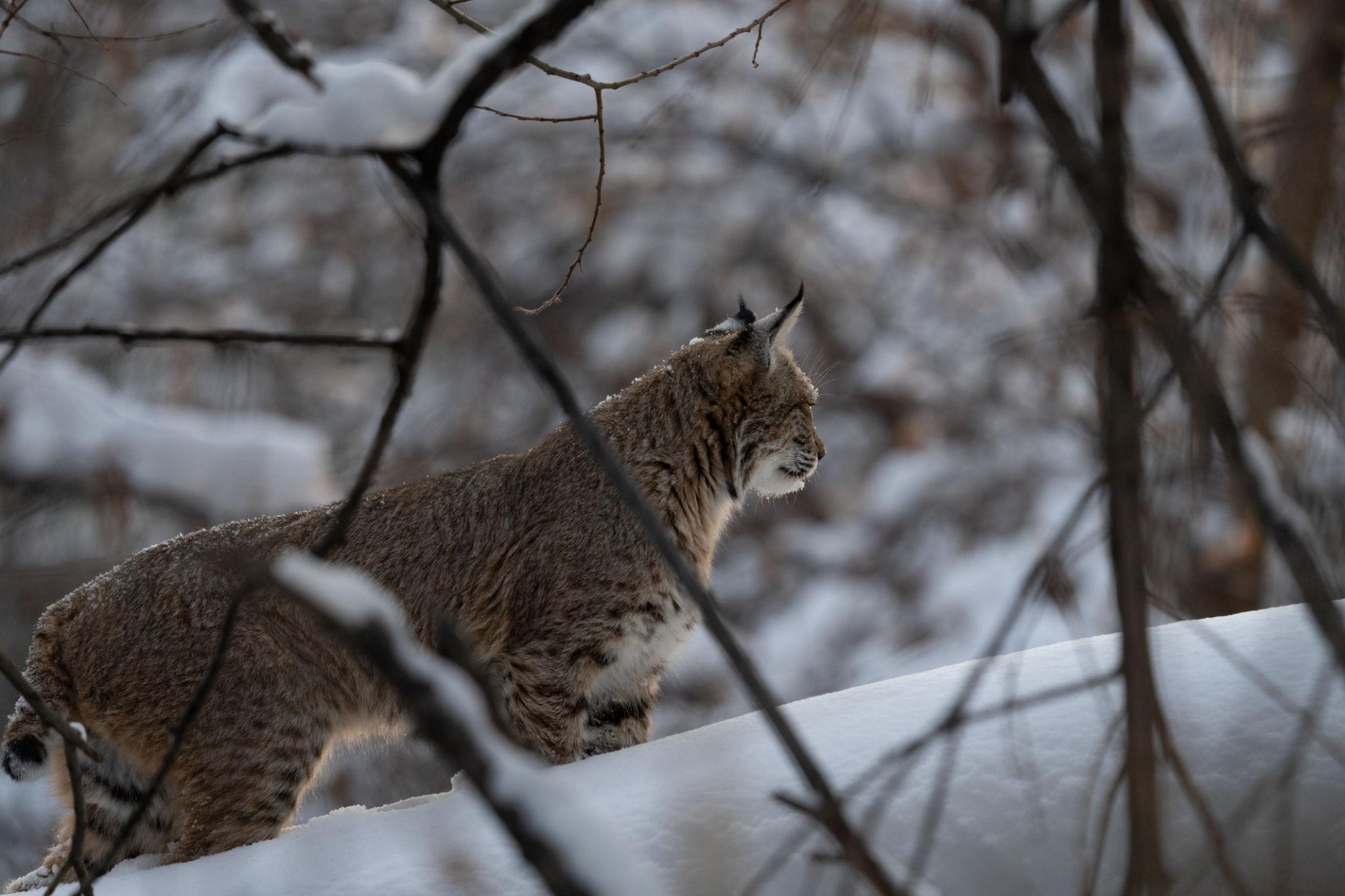
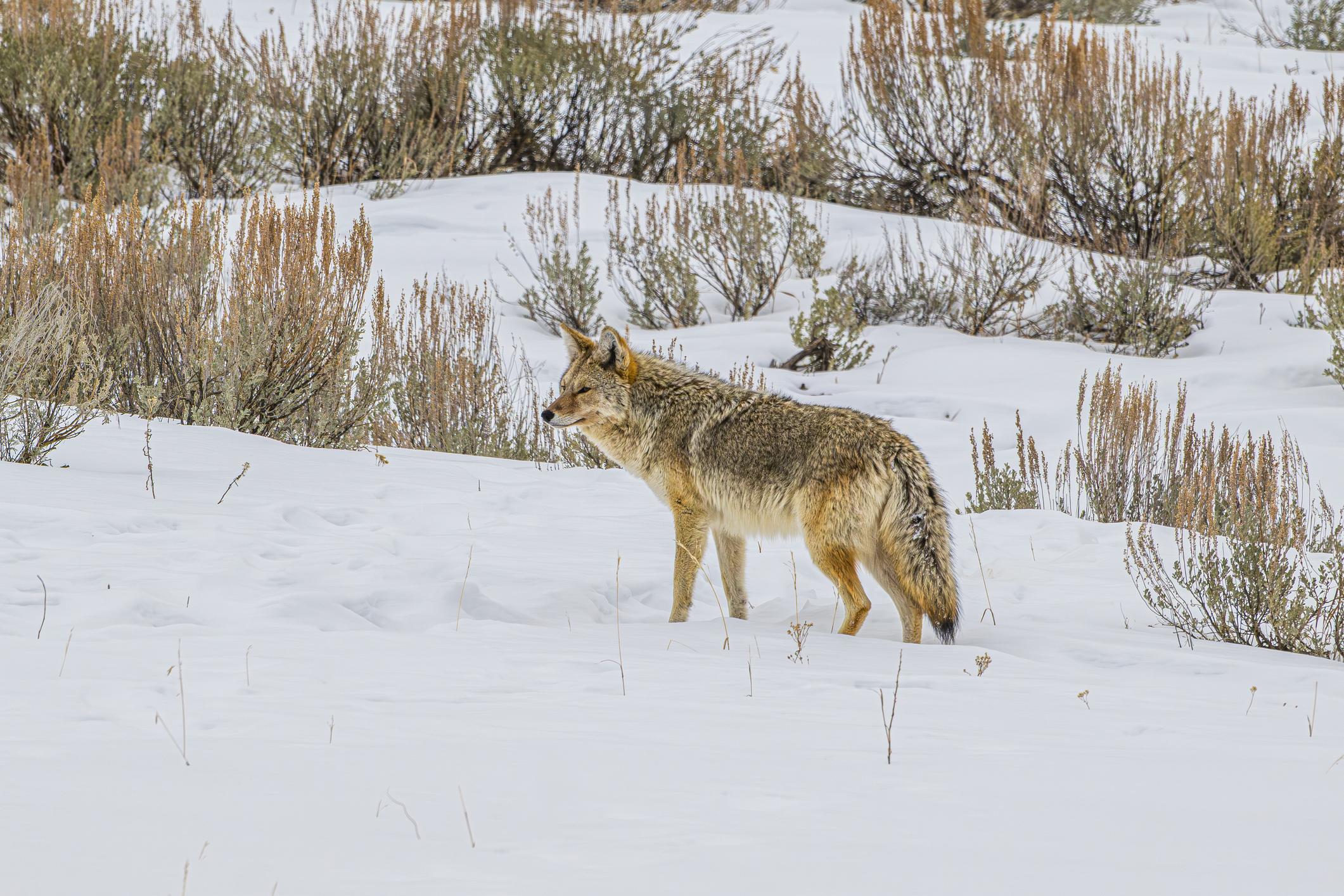
Colorado currently manages 17 furbearer species, including animals such as bobcat, coyote, beaver, and red fox.
According to agency staff, existing regulations and monitoring programs provide sufficient oversight for hunting and trapping activities involving those animals.
Supporters Say the Ban Protects Wildlife
Advocates supporting the petition argue that commercial fur sales encourage excessive killing of furbearer species.
Supporters also proposed a five-year moratorium on hunting and trapping of furbearers to allow wildlife managers to collect more detailed population data before establishing new hunting limits.
Following the vote, Samantha Miller described the decision as a positive step for wildlife conservation.
Speaking to the Coloradoan, Miller said the vote represented “a big win for Colorado’s wildlife.”
Hunting Groups Push Back
Hunting and trapping advocates strongly criticized the commission’s decision to move the proposal forward.
Dan Gates, who leads the advocacy group Coloradans for Responsible Wildlife Management, argued that the commission’s confusion during the vote led to an outcome that contradicted the recommendations of wildlife professionals.
Gates urged the commission to carefully review the science provided by Colorado Parks and Wildlife before making any final decisions.
“The things that were discussed yesterday were done in such contrast to what the staff has continually recommended,” Gates said during the March 5 meeting.
What Happens Next
The petition will now move into Colorado Parks and Wildlife’s formal rulemaking process, where agency staff will prepare draft regulations and policy analyses.
The proposal is expected to return to the commission for further debate during its May meeting in Grand Junction.
At that time, commissioners could choose to adopt, modify, or reject the proposed rule.
For now, the vote has ensured that the debate over fur sales—and the future of furbearer hunting in Colorado—is far from over.