
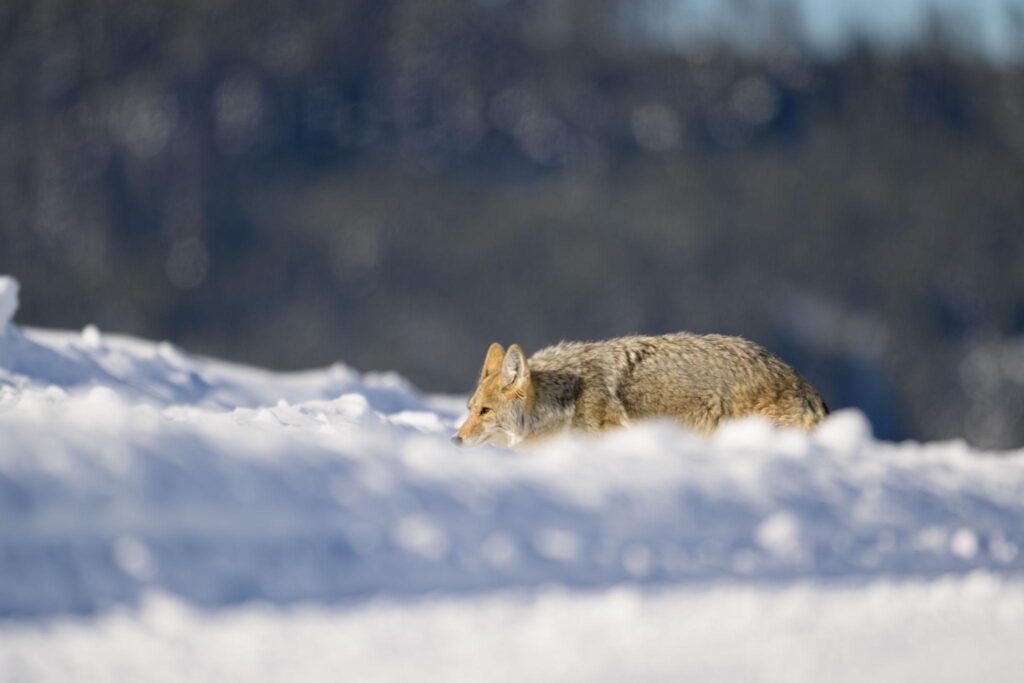
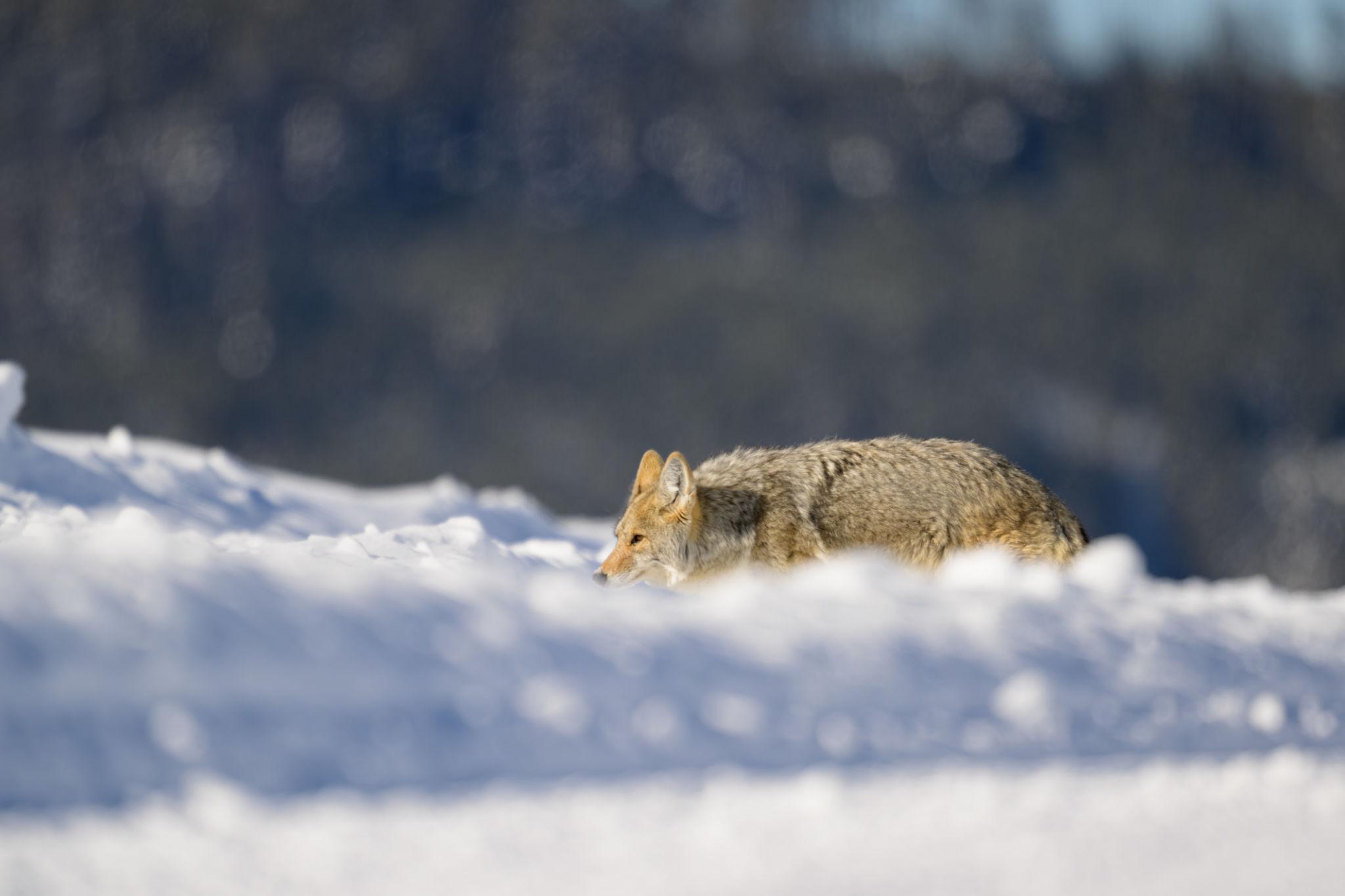
 In the wild, survival often comes down to one simple rule: stay alive long enough to reproduce. For prey animals, that means constantly adapting to the presence of predators. Whether it’s wolves in the mountains, coyotes in farm country, or mountain lions in western forests, predator activity can dramatically shape how animals behave.
Wildlife biologists have long studied how predators influence prey species beyond simply killing them. According to research summarized by the National Park Service, the presence of predators can alter where animals travel, when they feed, and even how large groups of animals move across the landscape.
These behavioral shifts can ripple through entire ecosystems.
Increased Vigilance
One of the most immediate changes prey animals exhibit when predators are active is increased alertness.
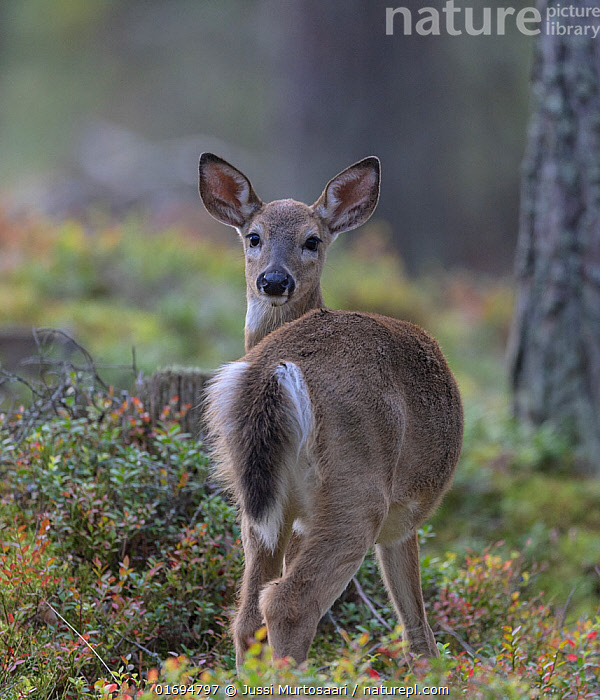
Animals such as whitetail deer, elk, and antelope spend more time scanning their surroundings when predators are nearby. This heightened vigilance helps them detect danger earlier but also reduces the amount of time they spend feeding.
According to studies cited by the U.S. Fish and Wildlife Service, prey animals often trade feeding time for safety when predators are present. Over time, this can affect body condition and reproduction rates.
Shifting Movement Patterns
Predator activity can also change when animals choose to move.
For example, deer that normally feed in open fields during daylight may begin feeding primarily at night if predators frequently patrol those areas.
Research conducted in areas with high predator populations has shown that prey animals often shift their movement to avoid peak predator activity periods.
These changes are commonly referred to as part of the “landscape of fear,” a term used by wildlife scientists to describe how prey animals adjust behavior based on perceived risk.
Changes in Habitat Use
Predators can influence where animals feel safe enough to live and feed.
In areas where wolves or mountain lions are present, prey species may avoid open valleys or travel corridors where ambush attacks are more likely. Instead, they may choose habitats that offer better visibility or escape routes.
The Yellowstone National Park provides one of the most famous examples of this phenomenon. After wolves were reintroduced to Yellowstone in 1995, elk began avoiding certain valleys where wolves frequently hunted.
According to the National Park Service, these behavioral changes allowed vegetation in some areas to recover because elk spent less time grazing there.
Herd and Group Behavior
Predators also influence how animals group together.
Many prey species form larger groups when predator pressure increases. Larger herds provide more eyes to detect danger and reduce the odds of any one individual being targeted.
For species such as elk and deer, grouping behavior can be a critical survival strategy during winter months when predators may be more active.
Long-Term Ecological Effects
Predators can shape ecosystems in ways that go far beyond direct predation.
Ecologists studying predator-prey relationships have found that behavioral changes in prey species can influence plant growth, habitat structure, and even riverbank stability.
These cascading effects are often referred to as trophic cascades—a concept widely discussed in wildlife research.
According to ecological research referenced by the Ecological Society of America, predators can indirectly affect vegetation and landscape conditions simply by changing how prey animals behave.
Why This Matters for Hunters and Wildlife Managers
Understanding predator-driven behavior changes is important for both wildlife management and hunting strategies.
Hunters often notice that deer become more cautious or shift feeding times when predator populations increase. Wildlife managers also monitor predator-prey relationships to maintain balanced ecosystems.
For biologists and land managers, predator activity provides valuable insight into how ecosystems function.
Nature’s Constant Balance
Predators and prey have been shaping each other’s behavior for thousands of years. Every movement, every feeding decision, and every escape attempt reflects an ongoing evolutionary balance.
For prey animals, survival depends not just on speed or strength—but on the ability to adapt to danger.
And in the wild, the presence of predators ensures that no animal ever truly stops watching its back.