

Game Wardens Charge Hunters in Poaching Investigation
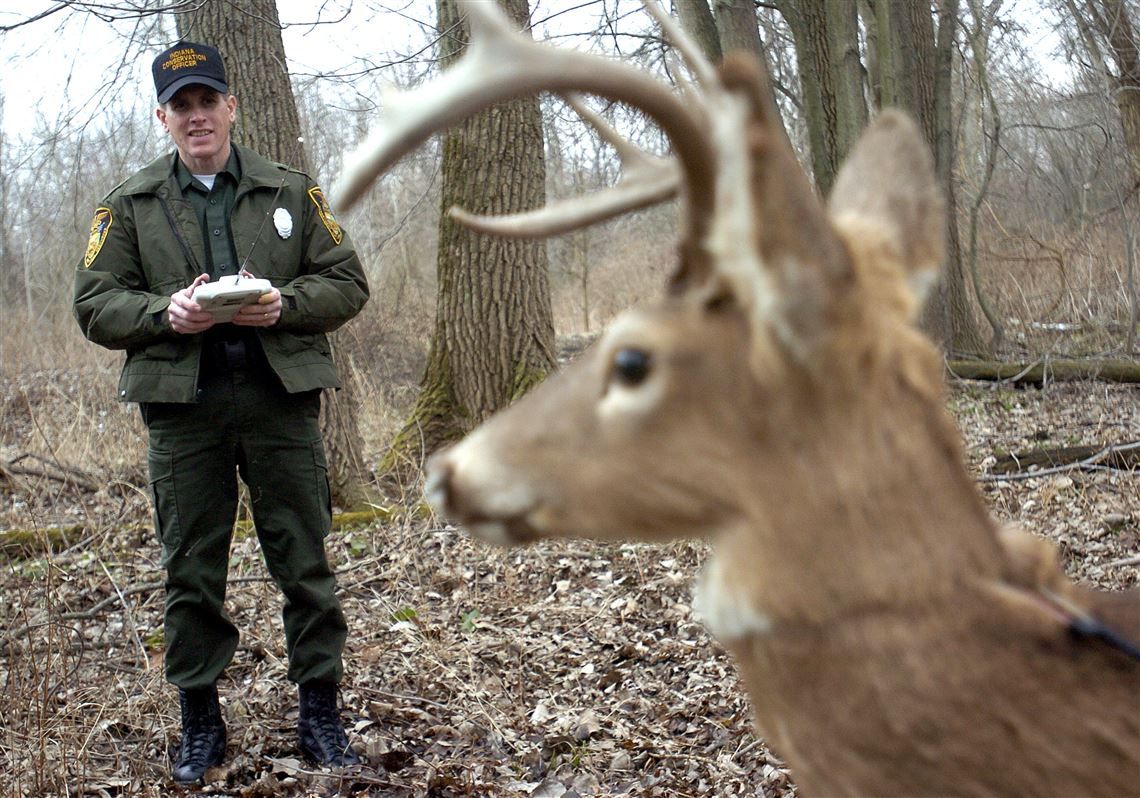
Wildlife officials in the western United States have filed charges against several hunters following a poaching investigation that uncovered illegal harvesting of big game animals.
According to the Idaho Department of Fish and Game, conservation officers began investigating suspicious hunting activity after receiving reports from members of the public. The investigation eventually revealed that several animals had been illegally taken outside of lawful hunting regulations.
Authorities say the case highlights the important role wildlife officers play in protecting game populations and enforcing hunting laws.
Investigation Begins With Public Tips
Wildlife investigations often begin when hunters, landowners, or outdoor recreationists report suspicious activity.
The Idaho Department of Fish and Game reported that conservation officers received tips about potential illegal hunting in northern Idaho. Officers launched an investigation that included field surveillance, interviews, and examination of harvested animals.
According to the agency, the investigation uncovered evidence that several hunters had illegally taken multiple animals, including deer and elk.
Charges Filed Against Suspects
Following the investigation, several individuals were charged with wildlife violations related to illegal hunting practices.
The Idaho Department of Fish and Game reported that the charges included unlawful taking of wildlife and violations of hunting regulations.
In addition to potential fines and jail time, suspects convicted of poaching may also face license suspensions that prevent them from hunting in the future.
Wildlife officials say license revocations are often one of the most effective tools for preventing repeat wildlife crimes.
Why Poaching Is Taken Seriously
Poaching is considered a serious offense because it undermines wildlife conservation programs designed to maintain healthy animal populations.
According to the U.S. Fish and Wildlife Service, wildlife management in the United States relies heavily on regulated hunting seasons and license systems to ensure sustainable populations.
When animals are illegally harvested outside those regulations, it can harm wildlife populations and disrupt conservation efforts funded by lawful hunters.
Interstate Consequences for Wildlife Violations
Wildlife crimes can also carry consequences beyond a single state.
Through the Interstate Wildlife Violator Compact, member states share information about hunting and fishing violations. This means hunters who lose their hunting privileges in one state may also lose those privileges in others.
The agreement allows states to recognize and enforce license suspensions issued by participating wildlife agencies.
Protecting Wildlife Resources
Wildlife officials emphasize that protecting wildlife requires cooperation between law enforcement and the public.
Tips from responsible hunters and outdoor enthusiasts often help officers identify illegal activity that might otherwise go undetected.
By reporting suspicious activity and supporting conservation laws, hunters play a key role in protecting wildlife populations for future generations.