

How to Catch Bass in Heavy Cover
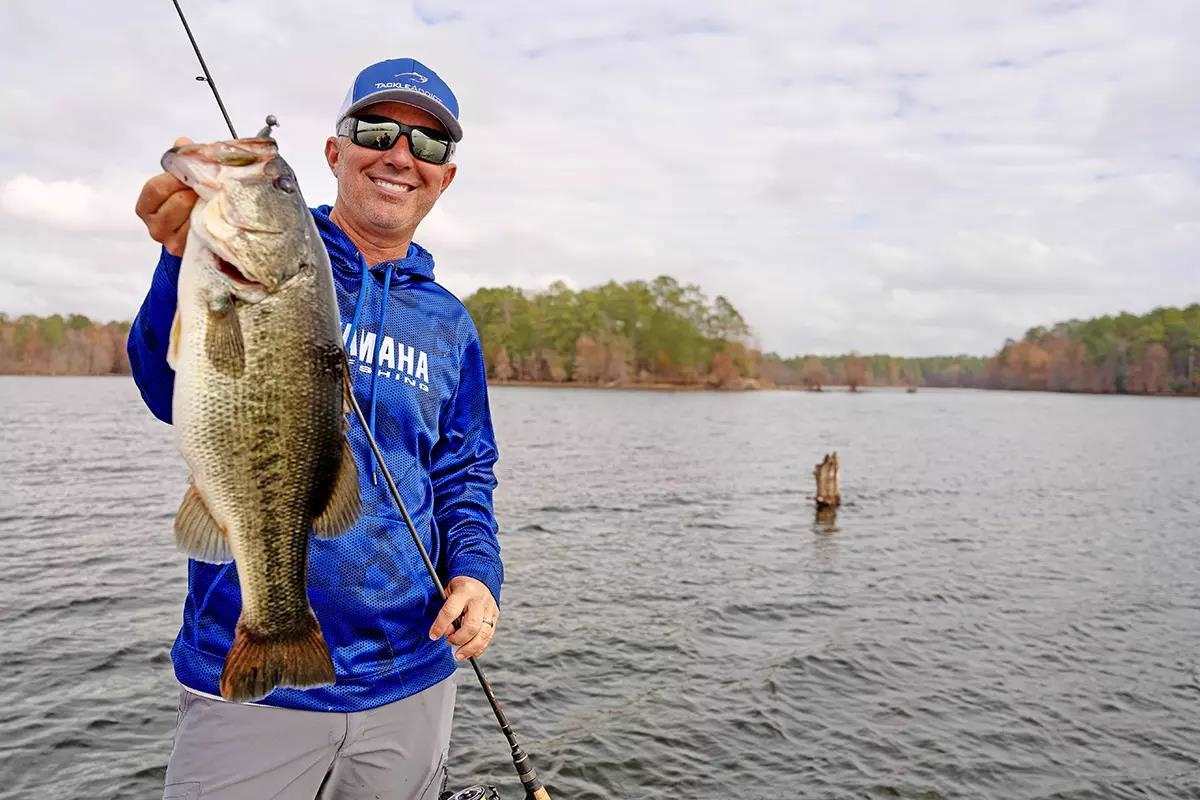
Fishing heavy cover is one of the most effective ways to catch largemouth bass, especially during warm weather when fish seek shade and protection. Thick vegetation, submerged timber, docks, and brush piles provide bass with both food and security, making these areas prime locations for anglers.
However, fishing heavy cover also requires specialized techniques and equipment. Without the right approach, anglers often lose fish—or lures—to thick vegetation and underwater obstacles.
According to fishing experts at the Bassmaster, largemouth bass naturally gravitate toward cover because it provides ambush points where they can attack baitfish, frogs, and other prey.
Learning how to fish these areas effectively can dramatically increase an angler’s success.
Why Bass Stay in Heavy Cover
Largemouth bass use cover as both protection and hunting territory.
According to research from the Texas Parks and Wildlife Department, bass often position themselves near vegetation, logs, and submerged structures because these areas offer shade and attract baitfish.
Heavy cover also helps bass hide from predators and conserve energy by reducing water current.
For anglers, this means the best fishing spots are often the places that look the most difficult to fish.
Use the Right Rod and Line
Fishing heavy cover requires stronger gear than open-water bass fishing.
Most anglers prefer a medium-heavy or heavy-action rod paired with strong braided fishing line. According to guidance published by the Field & Stream, braided line in the 30–65 pound range is commonly used when fishing vegetation and thick structure.
The added strength allows anglers to pull bass out of weeds, branches, and brush before the fish can wrap the line around obstacles.
A strong rod also helps drive the hook through the bass’s tough mouth when using weedless lures.
Choose Weedless Lures
Not every lure works well in heavy cover. Lures with exposed hooks can easily snag in weeds or wood.
For this reason, anglers often rely on weedless rigs when fishing thick cover. Some of the most effective options include:
-
Texas-rigged soft plastic worms
-
Jigs with weed guards
-
Hollow-body frogs
-
Punch rigs for heavy vegetation
According to lure recommendations from Bassmaster, these types of baits allow anglers to fish directly inside vegetation without constantly getting snagged.
Flip and Pitch Into Tight Spots
When bass hold in heavy cover, accurate casting becomes extremely important.
Techniques such as flipping and pitching allow anglers to place lures quietly into small openings within vegetation or around structure.
Fishing professionals cited by Bassmaster say that bass often sit in small pockets within thick cover, waiting for prey to pass overhead.
Precise casts into these pockets can trigger aggressive strikes from fish that might otherwise remain hidden.
Fish Slow and Be Patient
One of the biggest mistakes anglers make when fishing heavy cover is retrieving their lure too quickly.
Bass hiding in thick vegetation often need extra time to locate and strike a bait. According to advice from the Texas Parks and Wildlife Department, slow presentations can significantly increase success when bass are holding tight to cover.
Letting a bait fall naturally through vegetation or along structure often triggers strikes from bass that are watching from beneath the cover.
Heavy Cover Means Bigger Bass
Many experienced anglers believe the largest bass in a lake often live in the thickest cover.
These areas provide both safety and abundant food sources, allowing bass to grow larger while avoiding fishing pressure.
Although fishing heavy cover can be challenging, it often produces some of the most exciting bass fishing opportunities.
For anglers willing to use the right gear and techniques, those tangled mats of weeds and submerged logs can hide the biggest fish in the lake.