

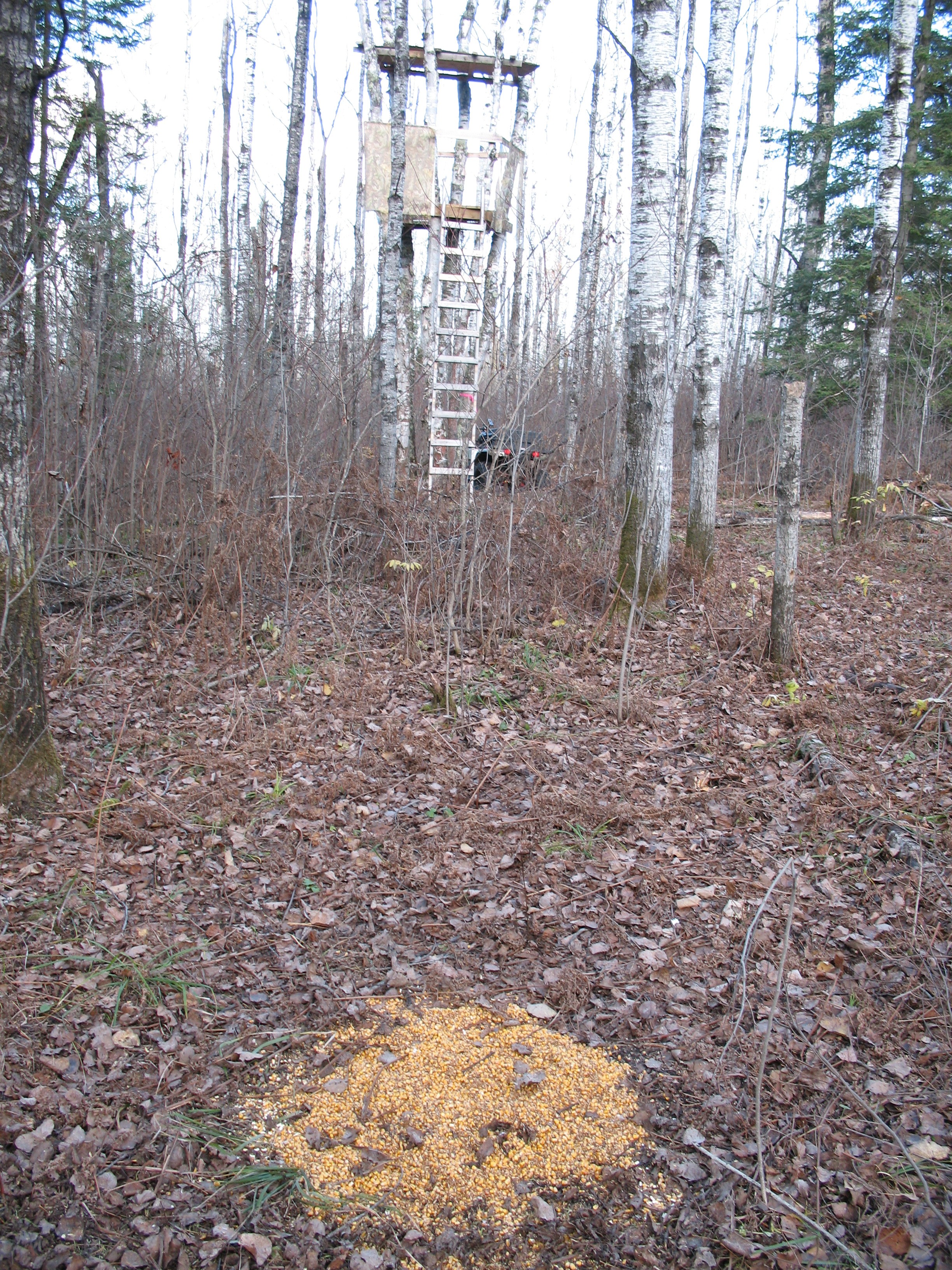
Wildlife officers across the United States regularly investigate hunting violations, but occasionally they uncover cases that go far beyond a simple mistake in the field. One such investigation recently exposed a large-scale illegal deer baiting operation that authorities say had been running for months.
Conservation officers—often called game wardens—say illegal baiting can give hunters an unfair advantage while also disrupting wildlife management programs designed to maintain healthy deer populations.
According to the Texas Parks and Wildlife Department, deer baiting laws exist to ensure fair-chase hunting and prevent hunters from concentrating animals in unnatural ways that could increase disease transmission.
The investigation began after officers received reports of unusual deer activity in a heavily hunted region.
Suspicious Activity Draws Attention
Wildlife officials say the case started when local hunters noticed unusually large numbers of deer gathering in a small area. Such behavior often indicates the presence of bait such as corn or grain that has been intentionally placed to attract animals.
Game wardens began monitoring the area and eventually located several bait sites containing large quantities of feed.
According to enforcement guidance from the National Association of Conservation Law Enforcement Chiefs, baiting violations frequently involve hidden feeding sites, trail cameras, and tree stands positioned nearby to ambush animals.
Officers reportedly discovered multiple bait piles spread across private property during their investigation.
Why Deer Baiting Is Illegal in Many Areas
Baiting deer may seem harmless to some hunters, but wildlife agencies say it can cause several serious problems.
According to the Pennsylvania Game Commission, baiting can increase the risk of spreading diseases such as chronic wasting disease because it concentrates large numbers of deer in one location.
The practice also violates the principle of fair chase, which emphasizes hunting animals under natural conditions rather than artificially attracting them.
Because of these concerns, many states either strictly regulate or completely prohibit deer baiting.
Penalties Can Be Severe
Hunters caught baiting deer can face significant penalties depending on the scale of the violation.
Wildlife agencies typically impose fines, confiscate equipment, and may suspend hunting licenses for individuals found guilty of illegal baiting.
According to the Texas Parks and Wildlife Department, repeat violations or large-scale baiting operations may also lead to additional criminal charges.
Protecting Fair-Chase Hunting
Wildlife officers say protecting ethical hunting practices is one of their most important responsibilities.
Legal hunting seasons and regulations are designed to maintain healthy wildlife populations while giving hunters fair opportunities to harvest game.
When individuals violate those rules, they not only risk penalties but also undermine the traditions and conservation systems that support modern hunting.
For many hunters, cases like this serve as a reminder that ethical hunting practices remain essential to protecting wildlife for future generations.