
How Moon Phases Affect Fishing
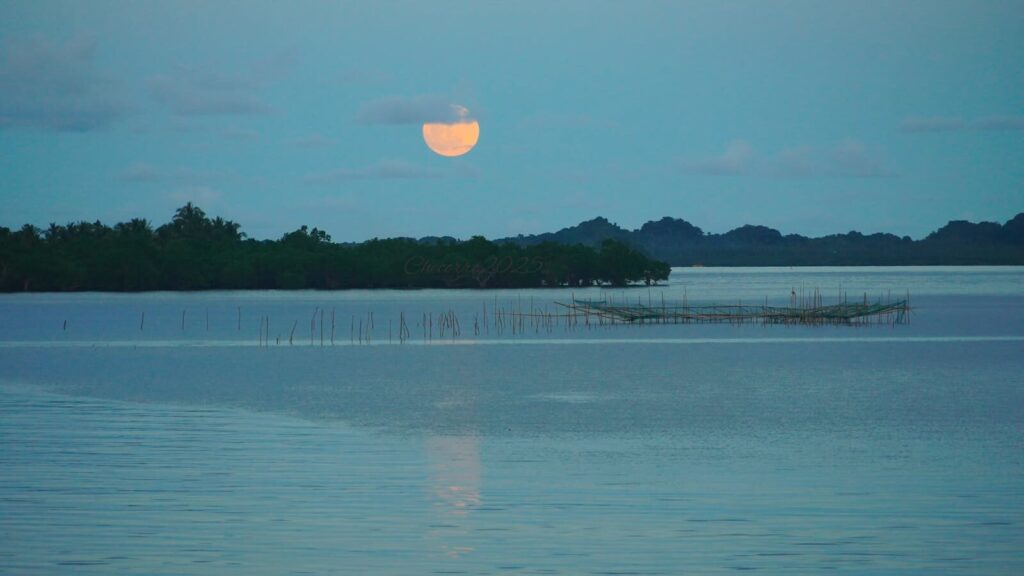
For generations, anglers have believed that the moon plays a major role in fish behavior. Long before modern fishing electronics and advanced weather forecasting, fishermen paid close attention to the phases of the moon when deciding when to head out on the water.
Today, many anglers still plan their trips around lunar cycles. The belief is that moon phases influence fish feeding activity and movement, especially for species such as bass, crappie, and saltwater game fish.
While fishing success depends on many factors—including weather, water temperature, and seasonal patterns—scientists say the moon can indeed influence animal behavior in aquatic environments.
According to research summarized by the National Oceanic and Atmospheric Administration, lunar cycles influence tides, light levels, and animal activity patterns, which can indirectly affect feeding behavior in many marine species.
Understanding how moon phases affect fishing can help anglers identify the most productive times to fish.
The Four Major Moon Phases
The moon cycle lasts approximately 29.5 days and includes four primary phases:
-
New Moon
-
First Quarter
-
Full Moon
-
Last Quarter
Each phase affects nighttime light levels and gravitational forces that influence tides and aquatic ecosystems.
According to lunar research from the NASA, the moon’s gravitational pull is responsible for ocean tides, which in turn affect fish movement and feeding patterns in coastal waters.
Although tides are most noticeable in saltwater environments, freshwater fish can also respond to changes in light and activity patterns associated with lunar phases.
Why the Full Moon Often Produces Good Fishing
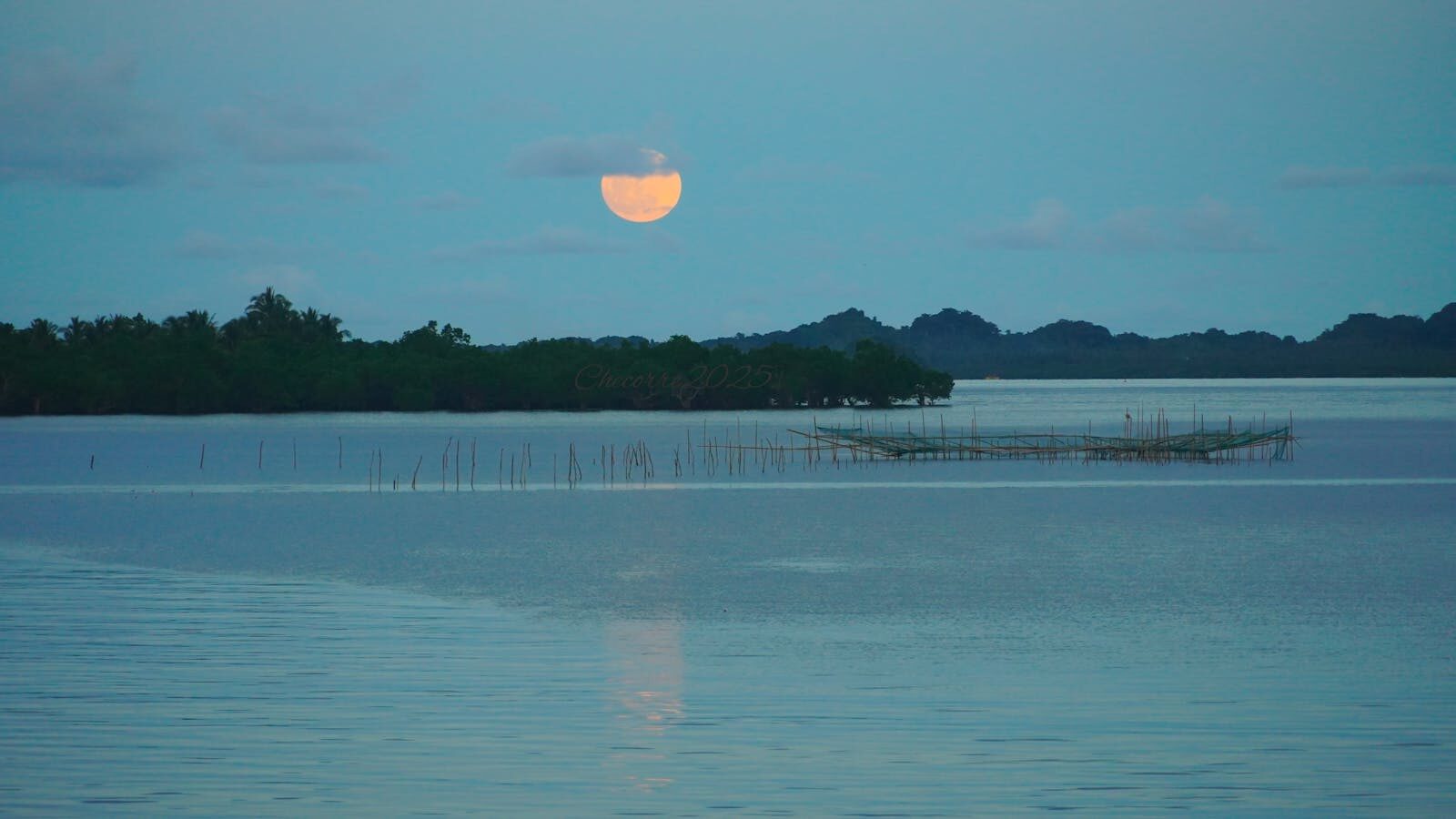
Many anglers believe the full moon is one of the best times to fish.
During a full moon, the moon’s brightness increases nighttime visibility both above and below the water. This can influence the feeding patterns of many fish species.
Fish that rely on sight to hunt prey—such as bass, walleye, and trout—may become more active during bright moonlit nights.
Some anglers report excellent fishing during early morning hours following a full moon because fish may have been actively feeding throughout the night.
However, daytime fishing during a full moon can sometimes be slower if fish have already fed heavily overnight.
The New Moon Advantage
The new moon phase, when the moon is mostly invisible in the night sky, can also produce strong fishing activity.
Because the nights are darker during this phase, fish that feed primarily during daylight hours may become more active during sunrise and sunset periods.
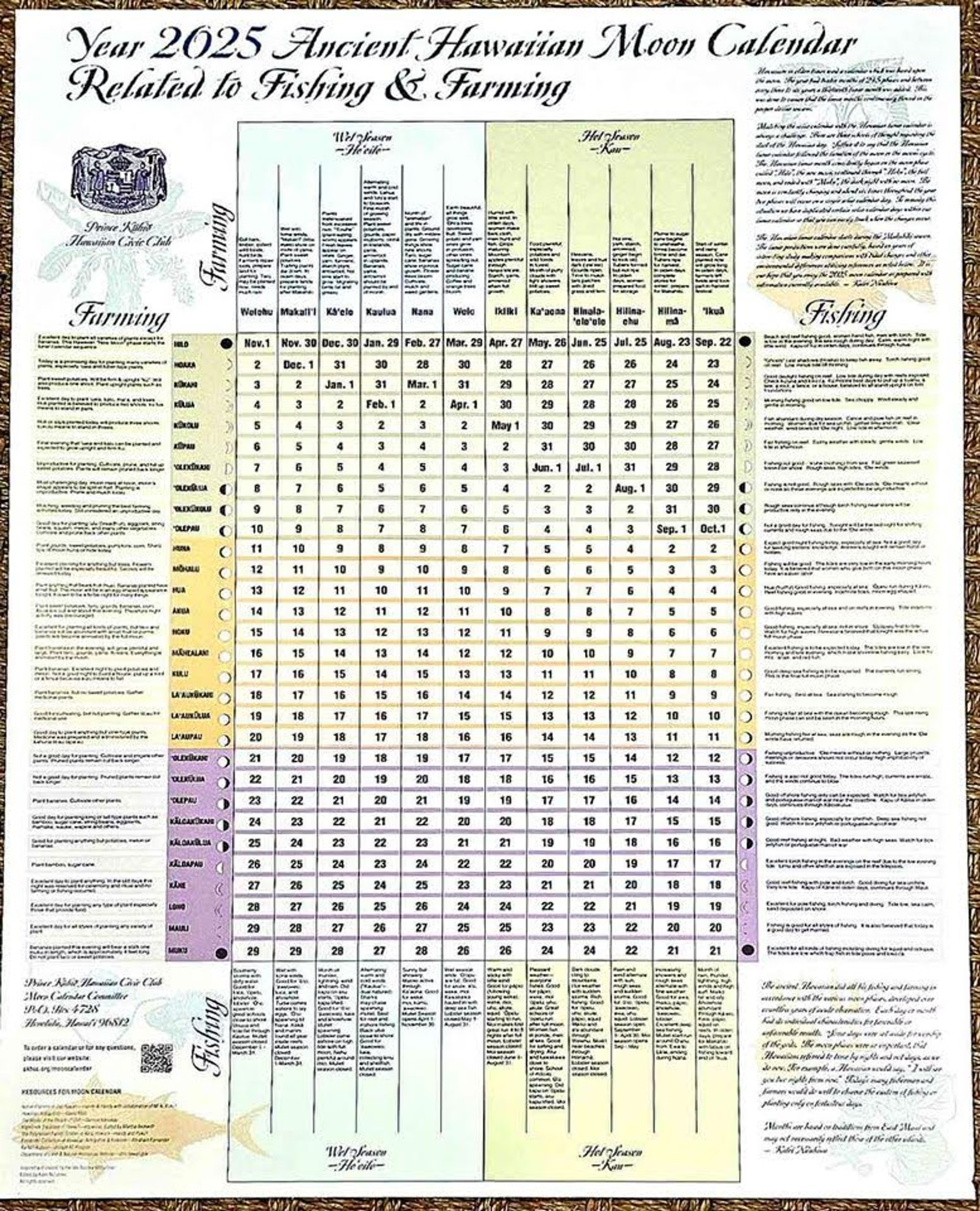
Some fishing calendars suggest that the new moon and full moon periods often create the strongest feeding windows.
According to angling observations reported by the International Game Fish Association, many anglers track lunar cycles because they believe these phases correspond with increased feeding activity.
Moonrise and Moonset Feeding Windows
In addition to the moon phase itself, many anglers pay attention to moonrise and moonset times.
Some fishing theories suggest that fish activity peaks when the moon is directly overhead or directly underfoot relative to a location on Earth.
These periods are sometimes referred to as major and minor feeding periods in lunar fishing calendars.
While scientific evidence for these patterns is still debated, many experienced anglers report increased fish activity during these windows.
Saltwater vs. Freshwater Fishing
The moon’s influence is often strongest in saltwater environments because lunar gravity directly drives ocean tides.
Tides move large volumes of water and create currents that concentrate baitfish and other food sources. This movement can trigger feeding activity among larger predator fish.
According to NOAA tidal research, many saltwater species time their feeding activity around tidal changes.
In freshwater lakes and rivers, the moon’s influence tends to be more subtle. Light levels and predator-prey behavior may play a larger role than tidal forces.
Other Factors Matter More
While the moon can influence fishing conditions, it is only one piece of the puzzle.
Weather conditions, water temperature, seasonal spawning cycles, and habitat structure often have a greater impact on fish behavior than lunar phases alone.
For example, fish are often more active during periods of stable weather, cooler temperatures, and low fishing pressure.
Successful anglers usually combine lunar information with other environmental factors when planning fishing trips.
Using Moon Phases as a Fishing Tool
Many anglers use moon phase calendars as a guide rather than a guarantee.
By tracking lunar cycles alongside weather forecasts and seasonal fish patterns, fishermen can better identify periods when fish may be most active.
In the end, the moon is just one of many natural forces shaping life beneath the water’s surface.
But for anglers who pay attention to the rhythms of nature, it can be another valuable clue in the ongoing challenge of finding and catching fish.