

Why Some States Are Defying Federal Gun Laws
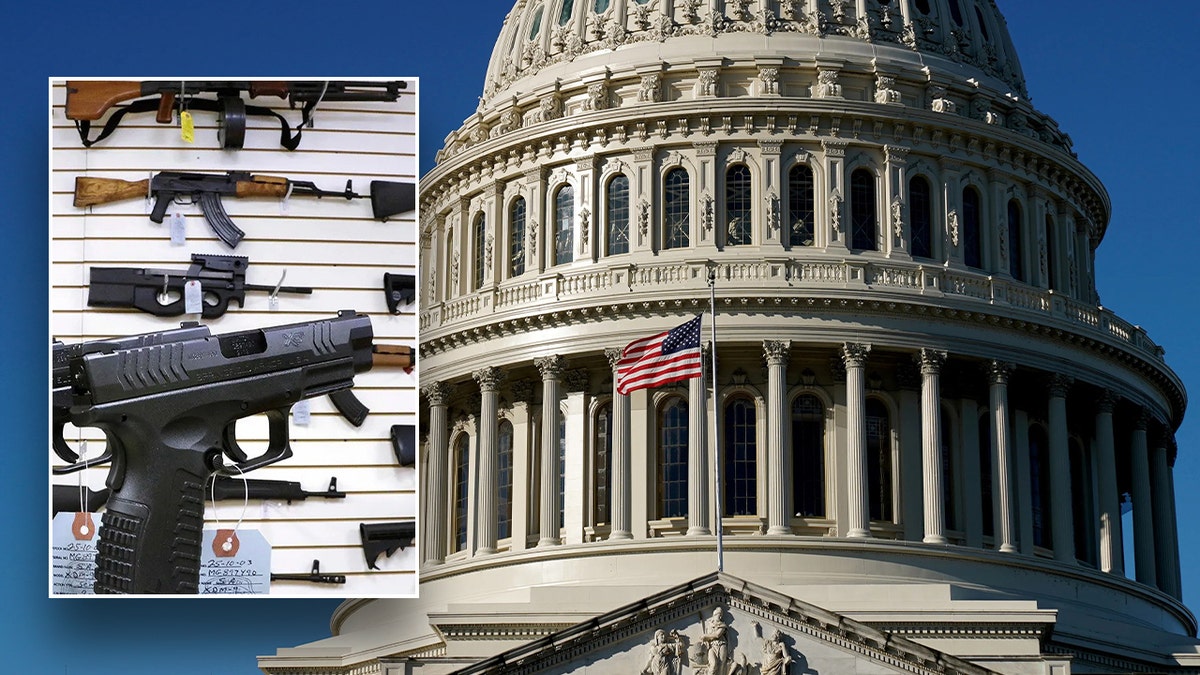
A Growing Clash Between State and Federal Authority
Across the United States, several states have passed laws that challenge or refuse to enforce certain federal gun regulations. Supporters of these measures argue that states have a constitutional duty to protect the Second Amendment rights of their residents. Critics say such actions undermine federal authority and could create confusion about how gun laws are enforced.
The debate reflects a broader constitutional question about the balance of power between state governments and the federal government. In recent years, lawmakers in multiple states have introduced legislation designed to limit how federal gun regulations apply within their borders.
As gun policy continues to divide political leaders and voters, these state-level challenges have become an increasingly prominent flashpoint in national politics.
The Constitutional Argument Behind State Resistance
Supporters of state laws resisting federal gun regulations often cite the Tenth Amendment, which reserves powers not delegated to the federal government to the states or the people.
Advocates argue that the federal government cannot require state or local authorities to enforce federal regulations.
Legal scholars often refer to this principle as the “anti-commandeering doctrine.” According to analysis from the Congressional Research Service, the U.S. Supreme Court has ruled in several cases that the federal government cannot compel states to implement federal regulatory programs.
Supporters of state resistance argue that this principle allows states to decline cooperation with certain federal gun enforcement actions.
The Rise of “Second Amendment Sanctuary” Laws
Many of the laws passed by states and counties opposing federal gun restrictions are often described as “Second Amendment sanctuary” policies.
These laws generally declare that state or local resources will not be used to enforce specific federal firearm regulations that state lawmakers consider unconstitutional.
According to data compiled by the National Conference of State Legislatures, several states have adopted legislation that limits cooperation with federal gun enforcement under certain circumstances.
Supporters say the measures are intended to protect residents from federal overreach.
Critics argue that such laws may conflict with the Supremacy Clause of the Constitution, which establishes that federal law generally takes precedence over state law.
Court Rulings Continue to Shape the Debate
The courts play a central role in determining how far states can go when challenging federal gun regulations.
One of the most influential recent rulings was the 2022 Supreme Court decision in New York State Rifle & Pistol Association v. Bruen.
In that case, the Court ruled that individuals have a constitutional right to carry firearms in public for self-defense under the Second Amendment.
The ruling required courts to evaluate gun regulations based on historical traditions of firearm regulation.
According to analysis from the Brookings Institution, the decision has prompted renewed legal challenges to both federal and state firearm laws.
As courts continue reviewing these cases, the legal landscape surrounding gun regulation remains in flux.
Federal Enforcement Still Applies
Despite the passage of state laws limiting cooperation, federal firearm regulations remain enforceable by federal agencies.
Agencies such as the Bureau of Alcohol, Tobacco, Firearms and Explosives retain authority to investigate violations of federal gun laws and bring cases in federal court.
Legal experts emphasize that state laws generally cannot nullify federal statutes outright.
Instead, these laws typically focus on limiting the role of state and local authorities in assisting federal enforcement.
This distinction is a key part of the legal debate surrounding state resistance to federal gun policies.
Political Motivations Behind the Laws
Beyond legal arguments, political considerations also play a significant role in why states pass laws opposing federal gun regulations.
Gun rights remain a major issue for many voters, particularly in rural and western states where firearm ownership is deeply embedded in local culture.
According to surveys conducted by the Pew Research Center, Americans remain sharply divided on gun policy, with strong differences between political parties and geographic regions.
State lawmakers often respond to these views by adopting policies that reflect the priorities of their constituents.
A Debate Far From Settled
The conflict between federal gun regulations and state-level resistance is unlikely to disappear anytime soon.
As courts continue interpreting the Second Amendment and lawmakers introduce new firearm policies, the balance between federal authority and state autonomy will remain a central issue.
Supporters of state resistance believe their efforts protect constitutional rights and limit federal overreach.
Critics argue that national standards are necessary to maintain consistent firearm regulations across the country.
As both sides continue making their case, the debate over federal and state gun laws will remain one of the most closely watched legal and political battles in the United States.