
A Predator at the Center of a Growing Debate
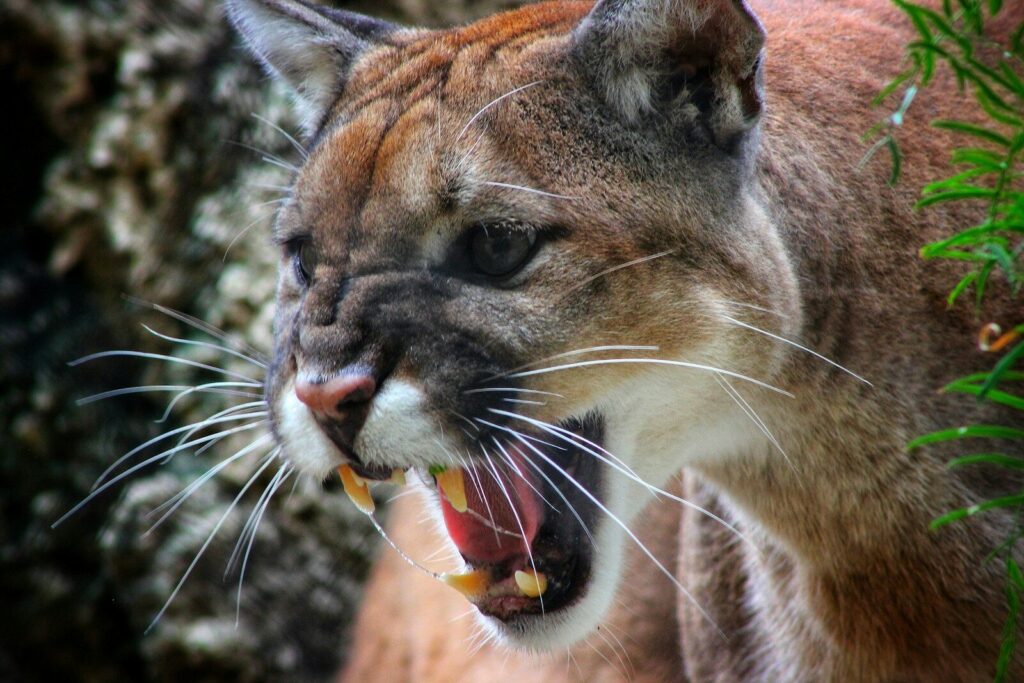
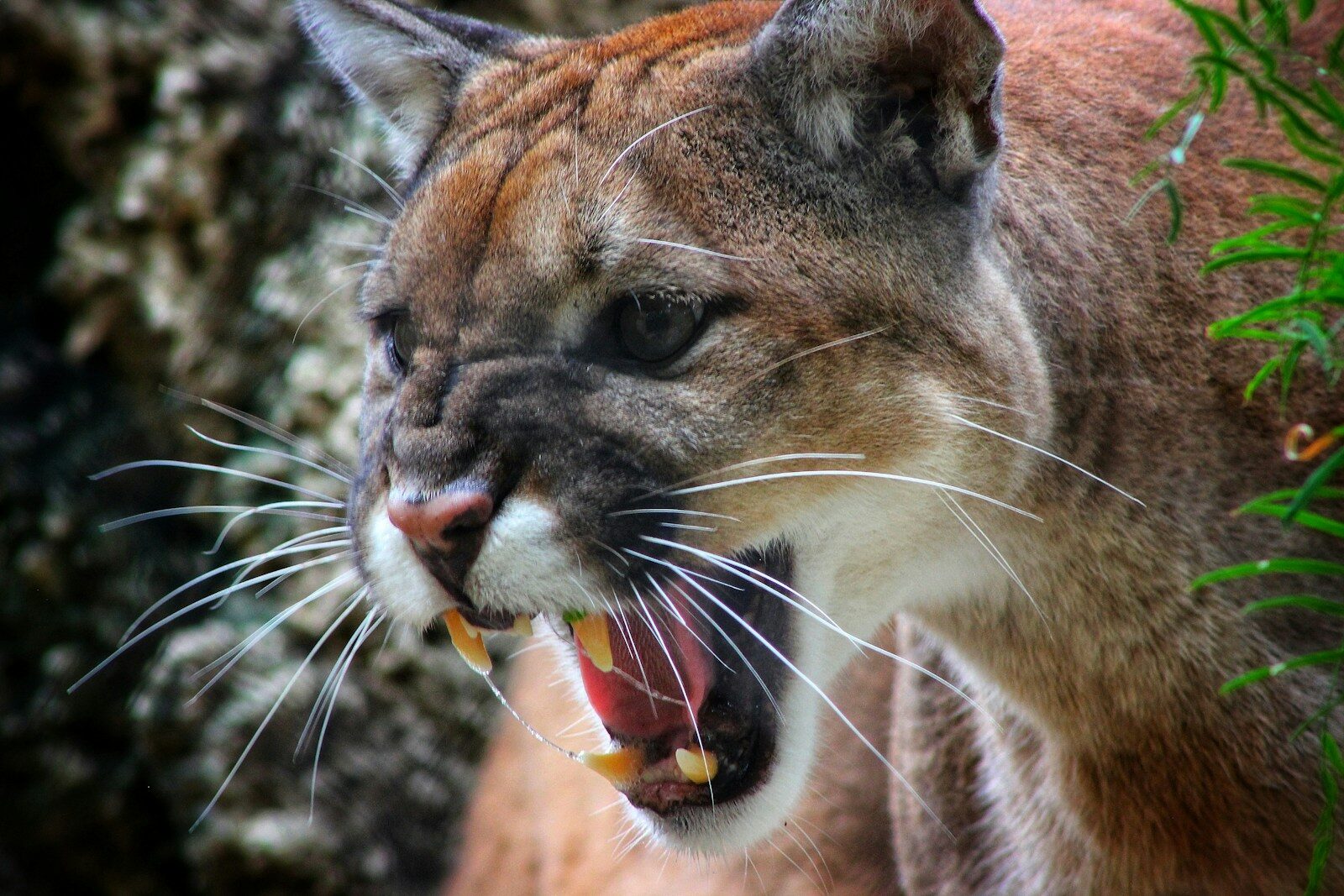
Across parts of North America, cougars—also known as mountain lions or pumas—are at the center of an increasingly intense wildlife management debate. As cougar populations have rebounded in several regions over the past few decades, wildlife agencies, hunters, conservationists, and rural communities are asking a complicated question: should cougars be hunted more aggressively?
Supporters of increased hunting argue that regulated harvest is necessary to keep cougar populations balanced and reduce conflicts with livestock, pets, and people. Critics argue that mountain lions are vital apex predators that should be protected and managed carefully to avoid disrupting ecosystems.
The discussion highlights the challenges wildlife managers face when balancing conservation, public safety, and hunting traditions.
Cougar Populations Have Recovered
Cougar populations declined dramatically during the early 20th century due to widespread predator control programs. For decades, many states encouraged the killing of mountain lions to protect livestock and deer populations.
However, attitudes toward predators began changing in the late 1900s as wildlife conservation efforts expanded.
According to research from the U.S. Fish and Wildlife Service, cougars now inhabit large portions of the western United States and parts of Canada and South America.
Improved habitat protections, regulated hunting seasons, and reduced predator eradication campaigns have helped many populations recover.
As cougar numbers increase, interactions between the animals and humans have also become more common.
Conflicts With Livestock and Communities
One of the main arguments for increased cougar hunting involves livestock losses and rural safety concerns.
Mountain lions are powerful predators capable of killing deer, elk, and livestock such as sheep or calves.
According to data from the U.S. Department of Agriculture, predators—including cougars—are responsible for thousands of livestock losses across the United States each year.
While cougar attacks on humans remain extremely rare, encounters occasionally occur near rural communities or hiking trails.
Wildlife agencies often receive reports of cougars near neighborhoods, especially in areas where development has expanded into wildlife habitat.
Some wildlife managers believe regulated hunting can help maintain cougar populations at levels that reduce conflicts.
The Role of Cougars in Ecosystems
Opponents of expanding cougar hunting emphasize the ecological importance of apex predators.
Cougars help regulate populations of prey species such as deer and elk. By controlling herbivore populations, predators can indirectly protect vegetation and maintain healthier ecosystems.
Research conducted by wildlife biologists at the Utah State University has shown that predator presence can influence the behavior of prey animals, reducing overgrazing in certain habitats.
Some scientists warn that removing too many cougars from an ecosystem could lead to imbalances in wildlife populations.
Because cougars are solitary animals with large territories, their populations also recover more slowly than many other species.
Different States Use Different Policies
Cougar management policies vary widely across the United States.
In most western states—including Idaho, Montana, and Wyoming—regulated cougar hunting seasons are used as a primary management tool.
According to the Idaho Department of Fish and Game, hunting quotas are often adjusted each year based on population monitoring and reported conflicts.
In contrast, some states have banned cougar hunting entirely.
California, for example, prohibited sport hunting of mountain lions through a voter-approved ballot initiative in 1990. Instead, the state relies on targeted removals when individual cougars pose a threat to livestock or public safety.
These different approaches illustrate how wildlife policy often reflects regional values and conservation goals.
The Challenge of Managing a Secretive Predator
Cougars are notoriously difficult to study because they live solitary lives and roam across vast territories.
A single adult cougar may control a territory covering hundreds of square miles.
According to research published by the National Park Service, many cougar populations are monitored using GPS tracking collars, camera traps, and field surveys.
Even with these tools, estimating population sizes can be challenging.
This uncertainty makes it difficult for wildlife managers to determine exactly how many animals can be harvested without harming long-term population health.
A Debate That Continues
The debate over cougar hunting reflects broader questions about how humans coexist with large predators.
Ranchers and rural communities often prioritize safety and economic concerns, while conservation groups emphasize ecological balance and wildlife protection.
Wildlife agencies must consider both perspectives when developing management strategies.
Regulated hunting, targeted removal of problem animals, and habitat conservation all play roles in modern cougar management.
As cougar populations continue interacting with expanding human communities, the question of how best to manage these powerful predators will remain an important issue across much of North America.