
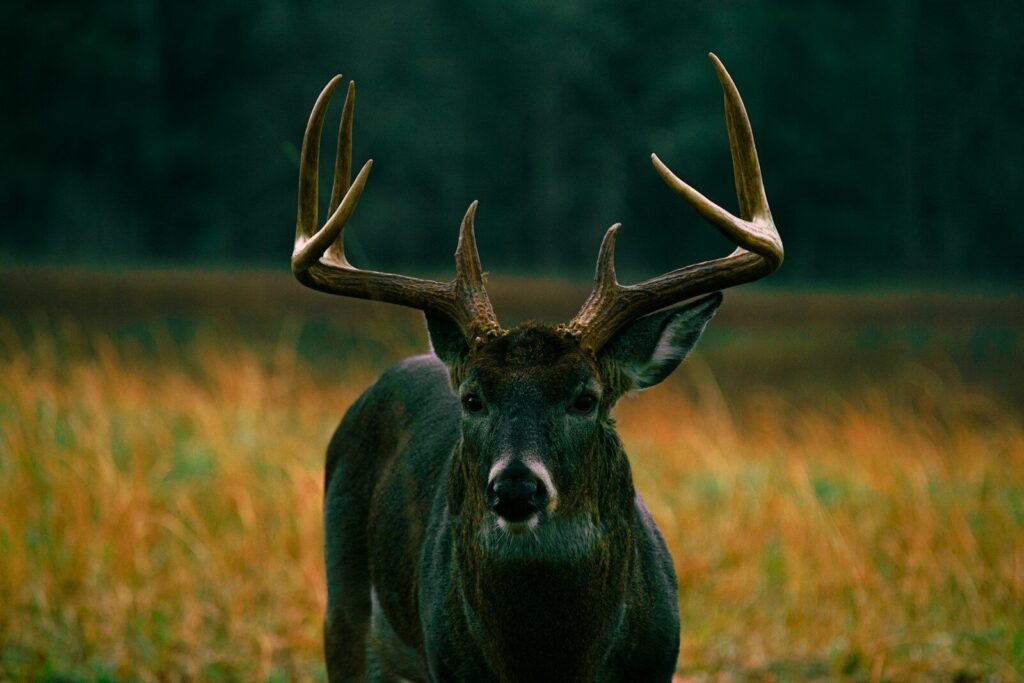
The Most Famous Wildlife Poaching Cases in America
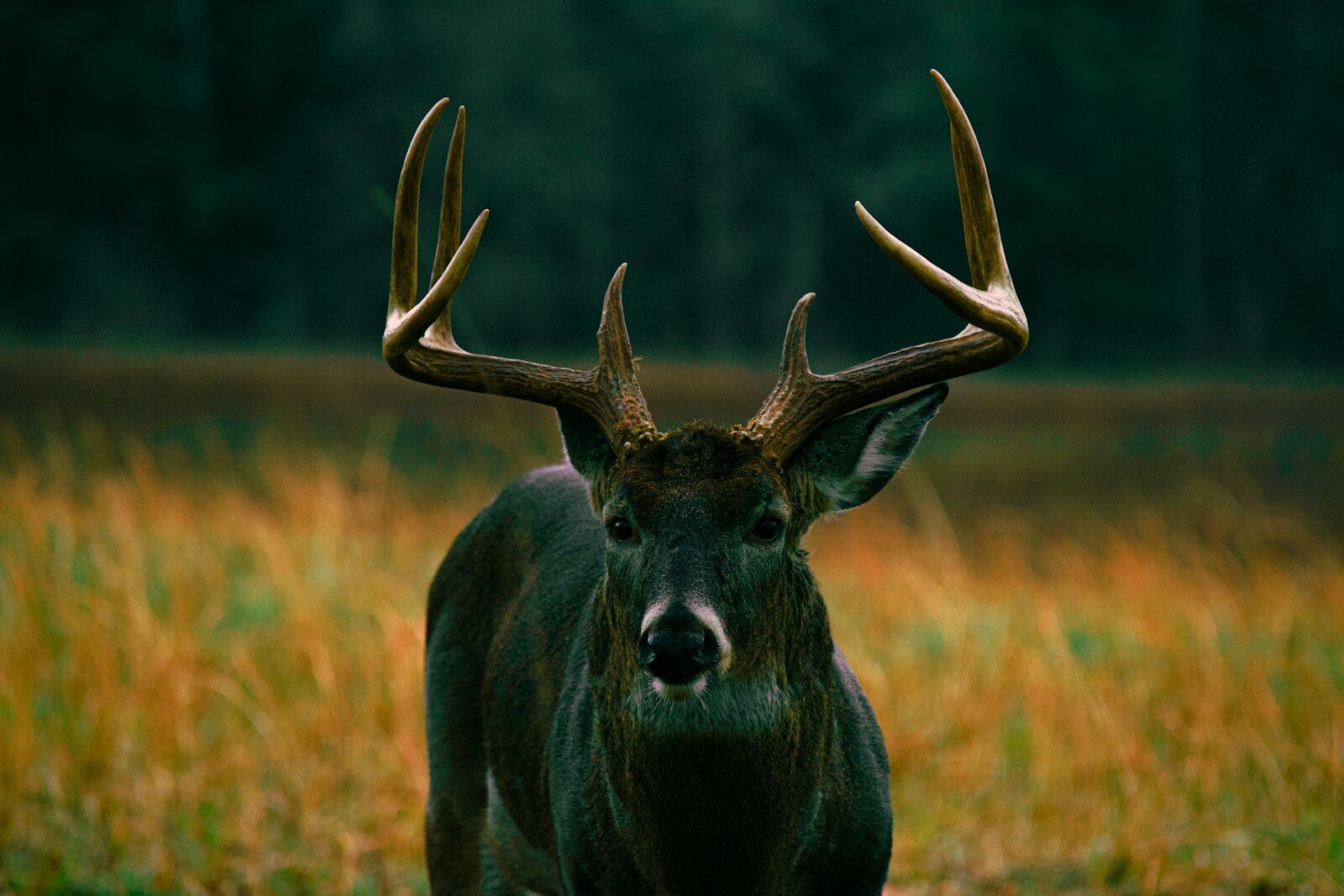
When Illegal Hunting Becomes Big News
Poaching has existed as long as hunting itself, but some cases stand out for their scale, impact, and the outrage they spark. Across the United States, a handful of high-profile poaching investigations have exposed organized illegal hunting operations, massive black-market wildlife sales, and shocking levels of disregard for conservation laws.
These cases don’t just break the law—they damage wildlife populations, undermine ethical hunting, and erode trust in conservation systems funded by legal hunters.
According to the U.S. Fish and Wildlife Service, wildlife trafficking and illegal hunting remain significant enforcement priorities nationwide.
Here are some of the most famous poaching cases in America.
The Missouri Trophy Buck Case
One of the most well-known poaching cases involved the illegal killing of a world-class whitetail deer in Missouri.
The massive buck, often referred to as one of the largest ever taken illegally, was shot out of season and without proper permits. The case gained national attention because of the size of the animal and the value of its antlers.
According to the Missouri Department of Conservation, the individuals involved faced significant fines, loss of hunting privileges, and criminal charges.
The case became a symbol of how far some poachers will go to obtain trophy animals.
The Wisconsin Night Hunting Ring
In Wisconsin, a large-scale poaching ring shocked wildlife officials with its scope.
Investigators uncovered a group responsible for illegally killing hundreds of deer over several years, many of them taken at night using spotlights.
According to the Wisconsin Department of Natural Resources, the suspects targeted trophy bucks and often left the meat behind, keeping only the antlers.
The operation resulted in dozens of charges and highlighted the role of organized groups in wildlife crime.
The Kansas Multi-State Antler Trafficking Case
Kansas became the center of a major investigation involving illegal harvesting and trafficking of trophy deer across state lines.
Authorities discovered that poachers were killing large bucks and selling the antlers through private buyers and underground markets.
According to enforcement reports from the Kansas Department of Wildlife and Parks, the case involved coordination between state and federal agencies, leading to multiple convictions.
The case also triggered violations under federal wildlife trafficking laws.
The Lacey Act Violations
Many major poaching cases in the United States involve violations of the Lacey Act, which prohibits the interstate transport and sale of illegally taken wildlife.
According to the U.S. Fish and Wildlife Service, the Lacey Act has been a key tool in prosecuting large-scale poaching operations.
In several cases, individuals have faced significant fines and prison time for trafficking wildlife across state lines.
These cases often reveal the commercial side of poaching, where illegal hunting is driven by profit rather than subsistence.
The Elk and Mule Deer Poaching Cases in the West
Western states have also seen high-profile cases involving elk and mule deer.
In Colorado and Utah, investigations have uncovered illegal killings of trophy animals, often tied to night hunting and trespassing on private land.
According to the Colorado Parks and Wildlife, some of these cases involved repeat offenders targeting large animals specifically for antlers.
These incidents sparked public outrage, especially when animals were left to waste.
Why These Cases Matter
High-profile poaching cases often capture public attention, but their impact goes far beyond headlines.
Illegal hunting can disrupt wildlife populations, especially when mature animals are targeted. It also undermines conservation efforts funded by licensed hunters.
According to the National Deer Association, regulated hunting plays a key role in maintaining healthy wildlife populations, while poaching threatens those systems.
The Role of Game Wardens
Many of these cases are solved thanks to the work of game wardens and conservation officers.
These officers investigate tips, conduct surveillance, and work with other agencies to track illegal activity.
According to the Association of Fish and Wildlife Agencies, enforcement efforts often rely on cooperation between state and federal agencies.
Their work is critical to protecting wildlife resources.
A Reminder of Ethical Hunting
For the vast majority of hunters, conservation and ethical practices are central to the sport.
Poaching cases serve as a reminder of what happens when those principles are ignored.
They also highlight the importance of reporting suspicious activity and supporting wildlife enforcement efforts.
Because in the end, protecting wildlife depends not just on laws—but on the people willing to follow them.