
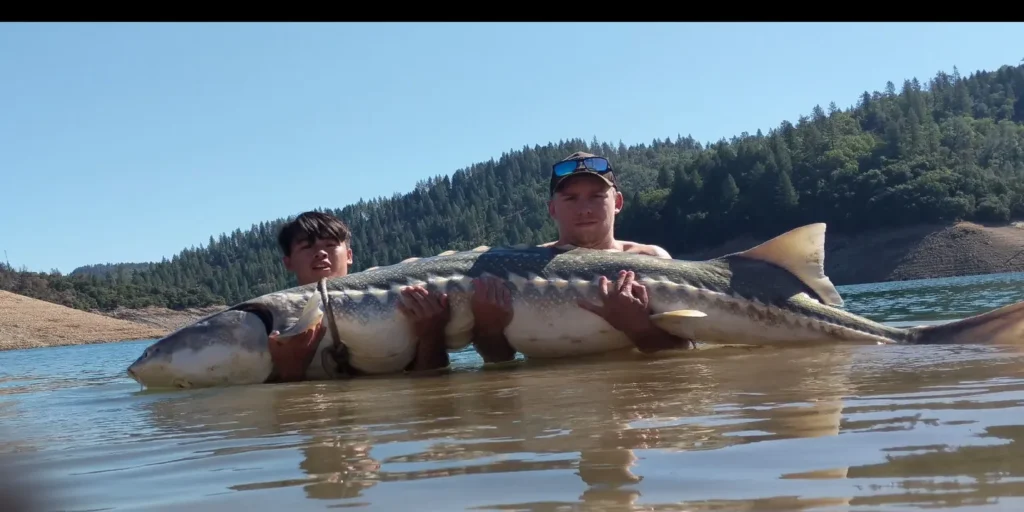
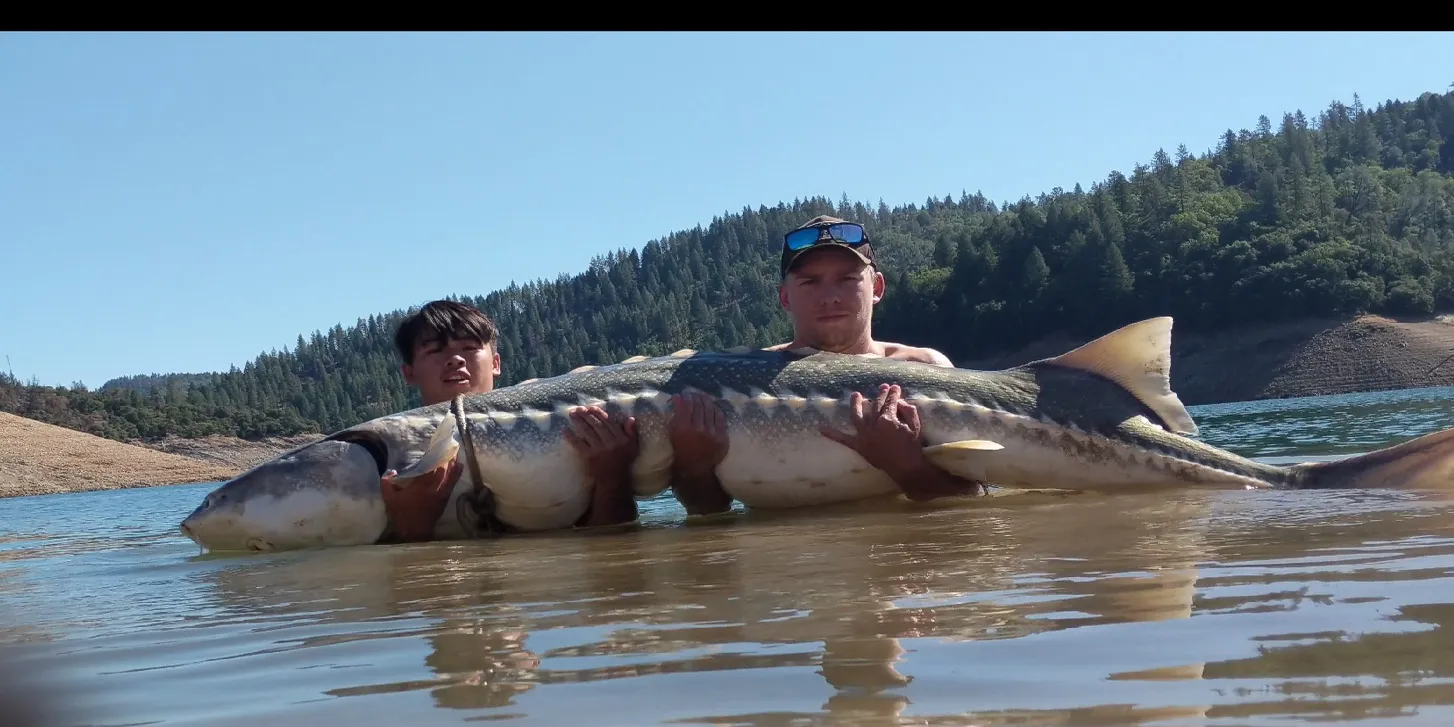
Living Relics Beneath the Surface
Some of the largest freshwater fish in the world don’t just impress anglers—they look like they belong in another era entirely. With armored scales, elongated snouts, and massive bodies, these fish resemble creatures from prehistoric times.
While dinosaurs disappeared millions of years ago, these species survived, adapting to rivers and lakes across the globe. Today, they remain some of the most fascinating—and in some cases, intimidating—fish still swimming.
According to fisheries research from the U.S. Fish and Wildlife Service, several freshwater species alive today have evolutionary histories dating back tens of millions of years.
Alligator Gar: The River Monster of North America
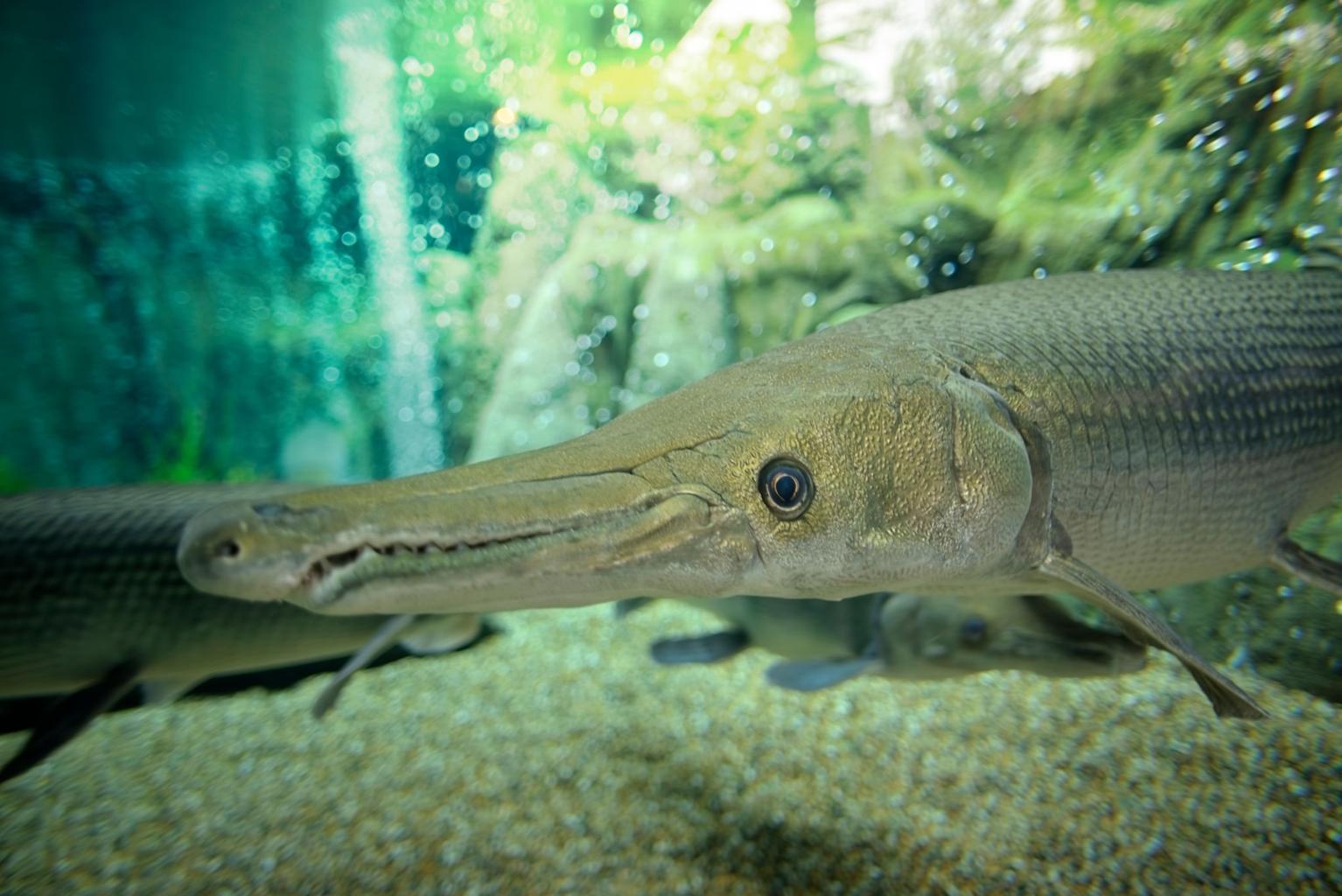
Few freshwater fish look as prehistoric as the alligator gar.
With a long, tooth-filled snout and thick, armor-like scales, this species has remained largely unchanged for millions of years. Some individuals can exceed 8 feet in length and weigh over 300 pounds.
Found throughout the southern United States, particularly in Texas river systems, alligator gar are apex predators.
According to the Texas Parks and Wildlife Department, these fish are an important part of aquatic ecosystems and are increasingly managed through conservation efforts.
Lake Sturgeon: A Dinosaur of the Great Lakes
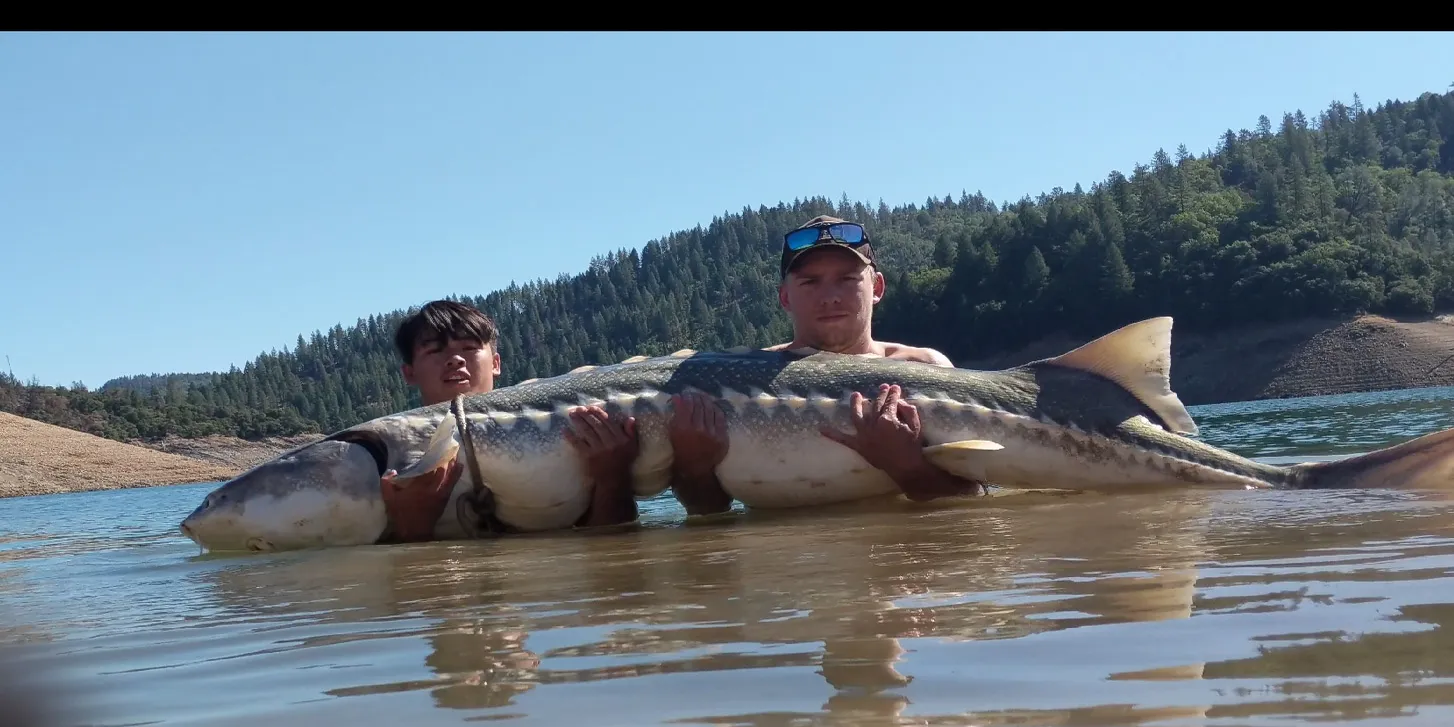
Lake sturgeon are often referred to as “living fossils,” and for good reason.
Their lineage dates back over 150 million years, and their appearance hasn’t changed much since. With long bodies, bony plates, and shark-like tails, they look unlike most modern fish.
These giants can grow to over 7 feet and live for decades.
According to the Great Lakes Fishery Commission, lake sturgeon populations declined sharply in the past but are now the focus of restoration efforts.
Paddlefish: One of the Strangest Fish Alive
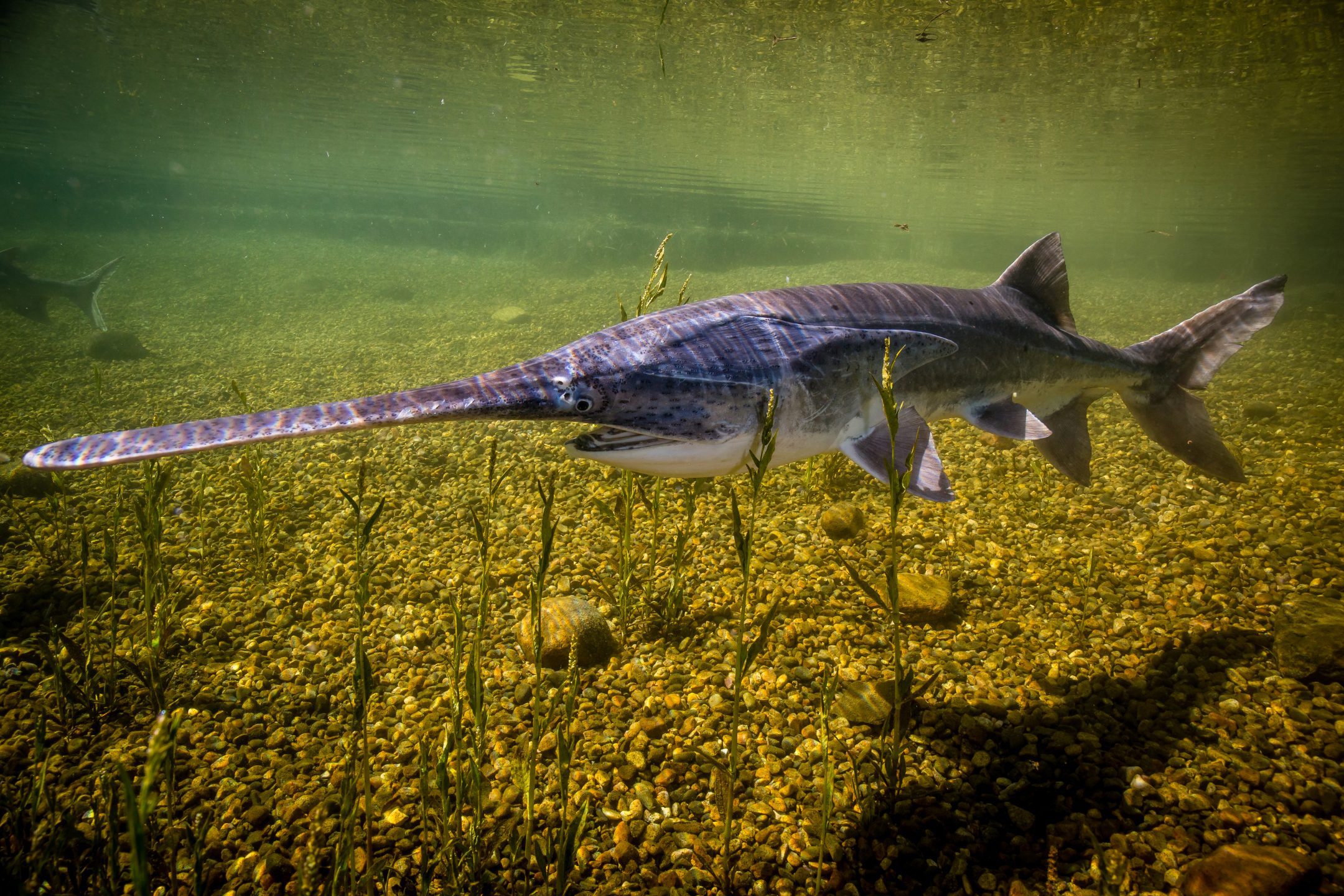
The paddlefish might be one of the most unusual-looking freshwater fish in existence.
Its long, paddle-shaped snout makes it instantly recognizable. This feature helps the fish detect plankton, which it filters from the water as it swims.
Despite its strange appearance, the paddlefish is another ancient species.
According to the U.S. Geological Survey, paddlefish have existed for over 70 million years, surviving major environmental changes that wiped out countless other species.
Arapaima: The Giant of the Amazon
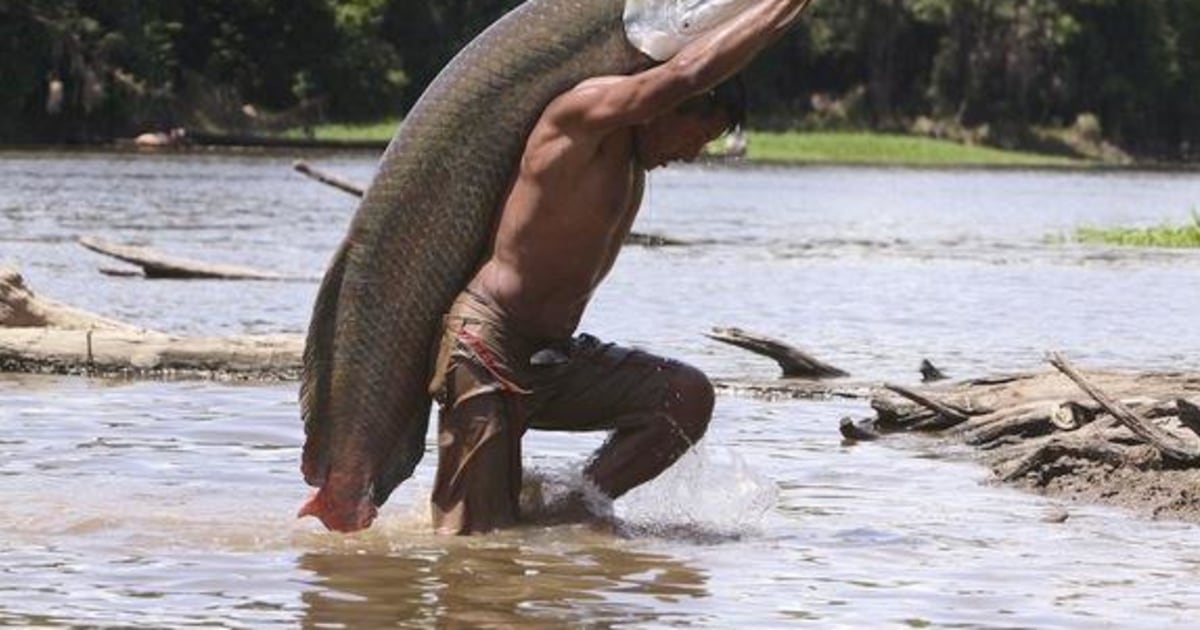
While not native to the United States, the arapaima deserves a place on this list.
This massive fish can exceed 10 feet in length and weigh more than 400 pounds. Its large scales and elongated body give it a distinctly prehistoric look.
The arapaima also has a unique ability—it can breathe air, allowing it to survive in low-oxygen waters.
According to research from the World Wildlife Fund, arapaima are among the largest freshwater fish in the world and are closely managed due to overfishing concerns.
Bowfin: A Survivor From Another Age
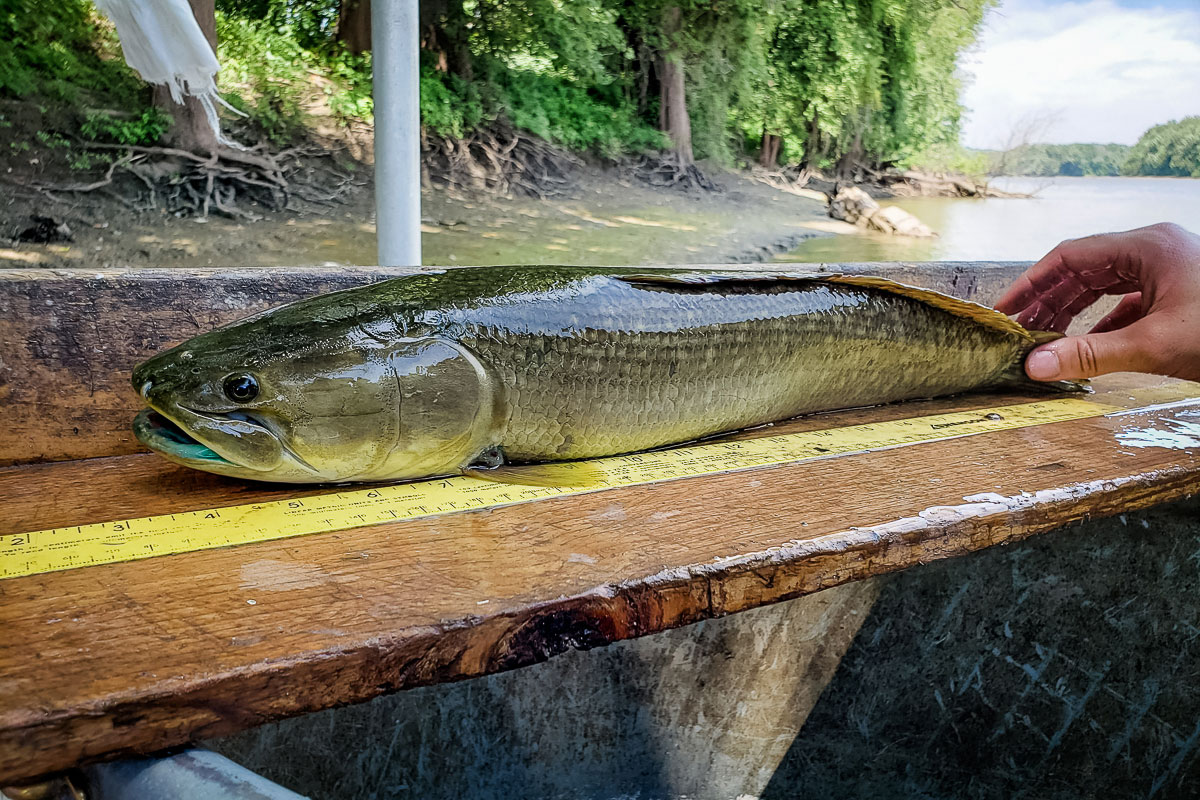
The bowfin is another North American fish that appears frozen in time.
With a long body, rounded tail, and powerful jaws, the bowfin is often overlooked but highly resilient. It can survive in low-oxygen environments where other fish cannot.
According to the Smithsonian Institution, the bowfin is one of the oldest fish species in North America, with ancestors dating back over 100 million years.
Why These Fish Still Exist
The survival of these species is a testament to their adaptability.
While many prehistoric creatures went extinct, these fish evolved to thrive in changing environments. Their unique features—armor-like scales, specialized feeding systems, and tolerance for harsh conditions—helped them endure.
A Glimpse Into the Past
For anglers and wildlife enthusiasts, encountering one of these fish is like stepping back in time.
They serve as living reminders of Earth’s ancient history, offering a glimpse into ecosystems that existed long before humans.
And while they may look like creatures from another world, they are very much a part of today’s freshwater systems—still swimming, still surviving, and still carrying the legacy of a prehistoric past.