
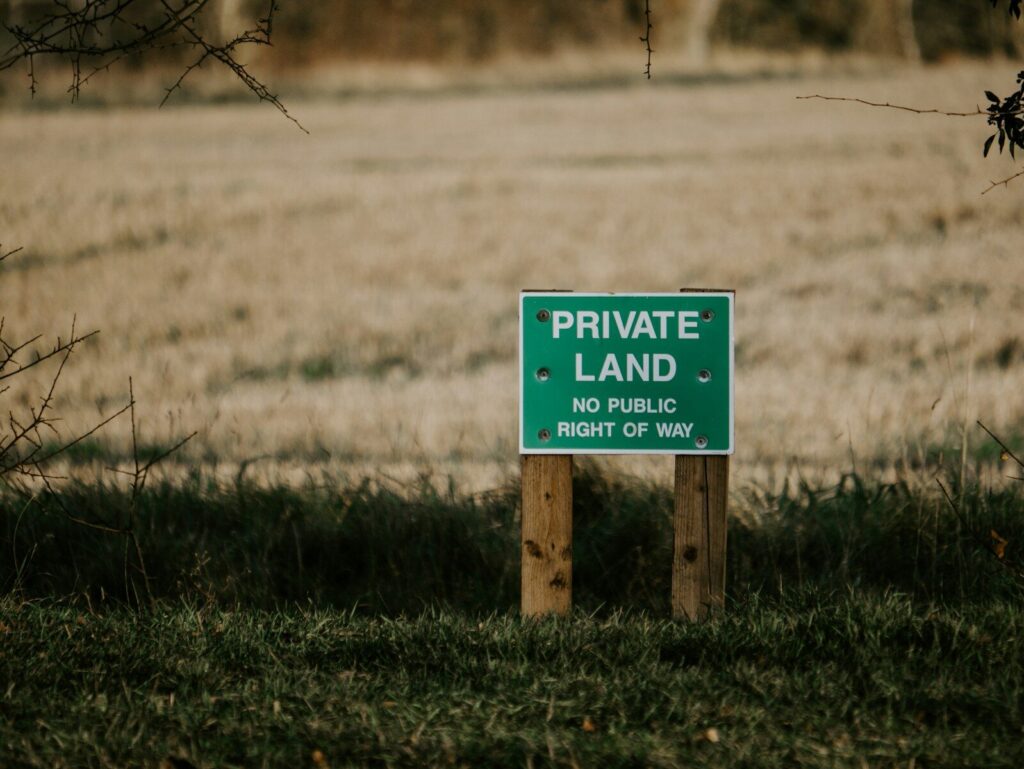
He Bought Land to Hunt—Then the HOA Next Door Tried to Stop Him From Hunting On His Own Land
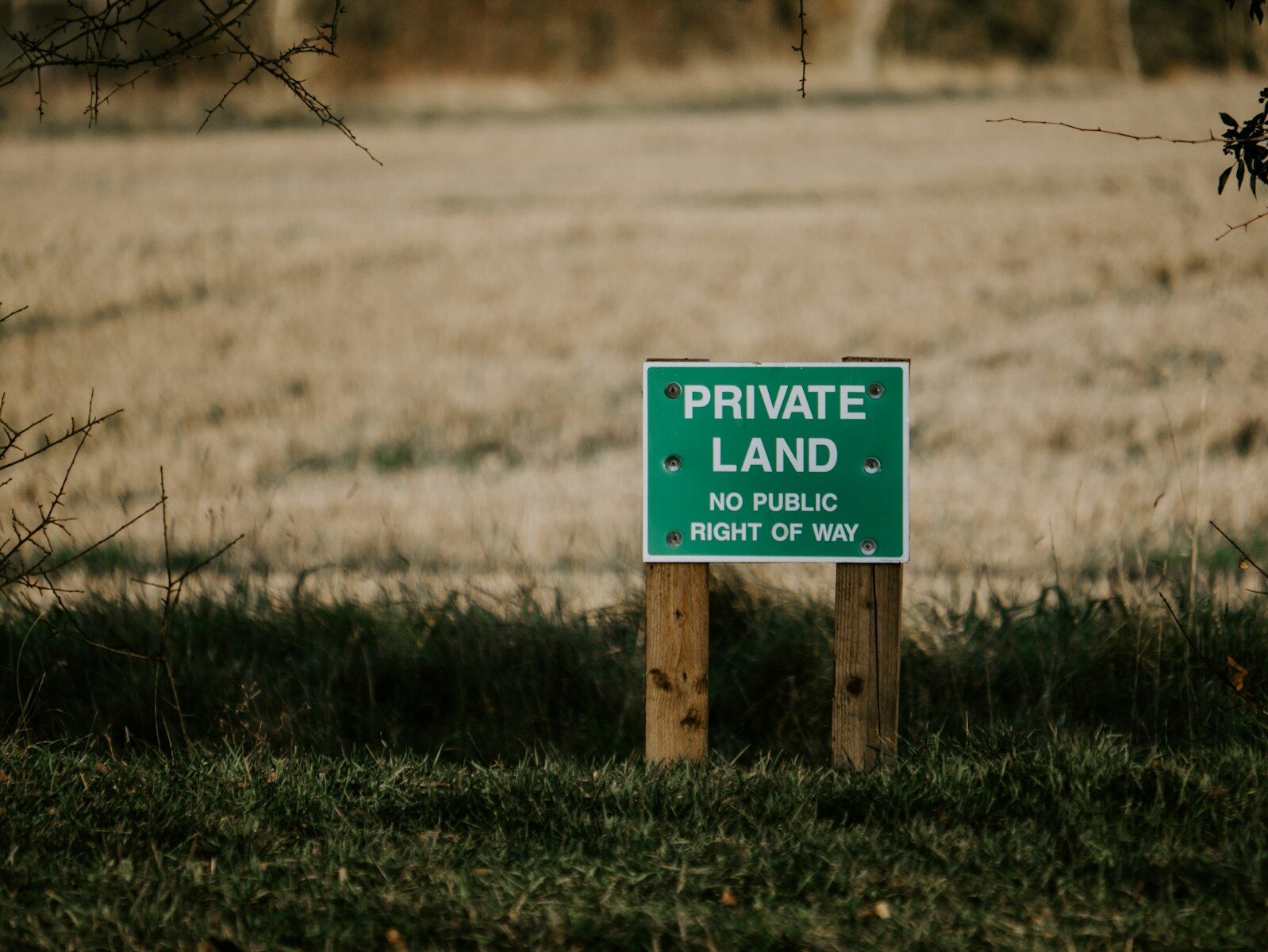
For many landowners, buying property for hunting represents more than an investment—it’s a lifestyle. The ability to manage land, watch wildlife, and hunt legally on your own ground is something deeply rooted in rural tradition. But as development continues to push outward from growing cities, those traditions are increasingly running into conflict with modern suburban expansion.
That’s exactly what happened in one case where a landowner purchased property specifically for hunting—only to find himself at odds with a newly built neighborhood next door.
When Development Moves In
The property had all the right ingredients: thick cover, a healthy deer population, and enough distance from town to offer privacy and solitude. For a period of time, the land functioned exactly as intended. Hunting seasons came and went without issue, and wildlife activity remained consistent.
Then the neighboring tract was sold.
According to land use data from the U.S. Department of Agriculture, rural land near expanding urban areas is increasingly being converted into residential developments. In this case, what had once been open land quickly transformed into a subdivision, complete with roads, homes, and a newly formed homeowners association.
With that change came a new set of expectations—and concerns.
The Conflict Begins
It didn’t take long for tensions to surface. As homes began to fill with residents unfamiliar with rural practices, complaints emerged about nearby hunting activity. Concerns were raised about firearm use, safety, and proximity to the new development.
At one point, communication from individuals associated with the neighborhood suggested that hunting near the subdivision should stop. References were made to HOA rules and potential violations, even though the hunting property itself was not part of the association.
This is where many landowners find themselves in a gray area—not legally bound by HOA regulations, but still facing pressure from neighboring communities.
Understanding HOA Authority
Homeowners associations have the ability to enforce rules—but only within the properties that fall under their jurisdiction. According to guidance from property law resources and the National Association of Realtors, HOA authority generally does not extend beyond the boundaries of the development itself.
In situations like this, that means the HOA cannot directly regulate activities on neighboring private land that is not part of the association.
However, that doesn’t prevent complaints, disputes, or attempts to involve local authorities.
Safety Concerns and State Law
From the perspective of new homeowners, concerns about hunting often center on safety. The idea of firearms being used nearby can create tension, especially in areas transitioning from rural to residential.
State wildlife agencies, including the Texas Parks and Wildlife Department, make it clear that hunting is legal when conducted within established regulations. These typically include maintaining safe distances from occupied dwellings and ensuring firearms are used responsibly.
In many states, laws require hunters to remain at least a certain distance—commonly around 150 yards—from homes when discharging firearms. As long as those standards are met, hunting remains lawful, even near developing areas.
When Complaints Escalate
Conflicts like this often follow a predictable pattern. Complaints may be filed with local law enforcement, calls may be made to game wardens, and efforts may be made to explore local ordinances that could limit hunting activity.
According to reports from state wildlife agencies and rural landowner organizations, these types of disputes are becoming more common as suburban development expands into traditionally rural areas.
While many of these complaints do not result in legal action if hunters are following the law, they can still create ongoing tension between landowners and neighboring communities.
A Growing National Trend
This situation reflects a broader shift happening across the country. As populations grow and housing demand increases, more developments are being built on land that was once used for agriculture, ranching, or hunting.
The American Farm Bureau Federation has noted that land-use conflicts are increasing as rural and suburban lifestyles intersect. What was once considered normal in a rural setting—such as hunting or processing game—is sometimes viewed differently by those moving into newly developed areas.
This cultural divide often leads to misunderstandings and disputes.
The Balance Between Rights and Growth
At the center of these conflicts is a fundamental question: how should property rights be balanced with the expectations of new communities?
For landowners, the right to legally use their property—including hunting—is a core principle. For new residents, safety and quality of life concerns are often top priorities.
Wildlife and land management experts emphasize that clear communication, adherence to state laws, and responsible practices are key to reducing conflict. However, as development continues to expand, these situations are likely to become more frequent.
The Bottom Line
The clash between hunting traditions and suburban development is no longer rare—it’s becoming part of a larger national conversation about land use and property rights.
In this case, the landowner remained within legal boundaries, but still faced pressure from a neighboring HOA that had no direct authority over the property. It serves as a reminder that even when the law is clear, conflicts can arise when different ways of life collide.
As more rural land is developed, stories like this will likely become more common—where the biggest challenge isn’t found in the woods, but just beyond the property line.