
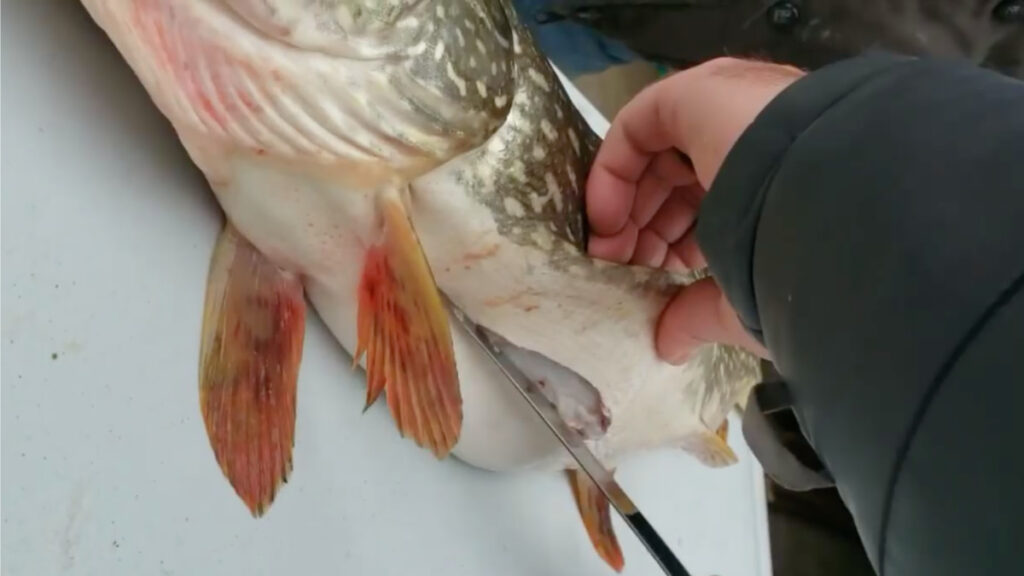
Some of The Stranger Things Ever Found Inside Fish
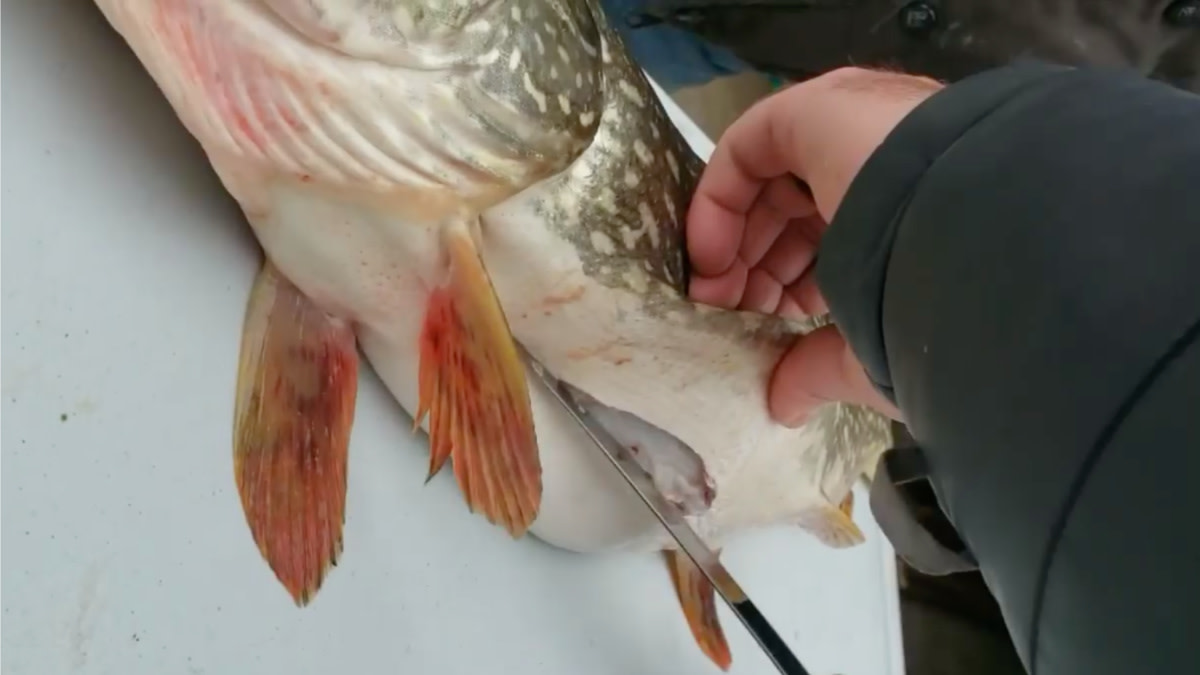
There’s a moment every angler knows—the knife slides in, the first cut is made, and you get a look at what that fish has been feeding on. Most of the time, it’s predictable. Shad. Crawfish. Maybe a half-digested bluegill.
But every now and then, you open one up and realize you’re not dealing with normal.
Fish don’t think twice about what they eat. They don’t analyze, question, or hesitate. If it moves, flashes, or fits—they take it. And because of that, some truly bizarre things have ended up inside fish over the years. Not rumors. Not campfire exaggerations. Real, documented, head-shaking finds.
A Full Duck, Feathers and All
It sounds like something made up after a long night at deer camp, but it’s real. Large northern pike and muskellunge have been found with entire ducks inside their stomachs. Fisheries reports from northern states and Canada have documented multiple cases where waterfowl were taken off the surface and swallowed whole.
It’s a reminder that in the water, the food chain doesn’t always work the way people think it does. When a predator like a pike sees movement on the surface, it doesn’t see a bird—it sees an opportunity.
A Pocket Knife
Somewhere along the line, a fish decided a folding knife looked like a meal. Anglers have reported finding pocket knives inside freshwater fish, most likely drawn in by the flash of metal.
According to research from the National Oceanic and Atmospheric Administration, fish often strike reflective objects because they mimic baitfish. In clear water, a glint of light is all it takes to trigger a reaction. The fish doesn’t know the difference—it just reacts.
A Baby Alligator
In southern waters, things get even stranger. There have been documented cases of large bass and gar containing juvenile alligators. Wildlife biologists with agencies like the Florida Fish and Wildlife Conservation Commission have confirmed that young gators can—and do—fall victim to larger predators.
It’s a harsh reminder that even animals we think of as apex predators start out vulnerable. In the wild, size is everything, and until something grows big enough, it’s always on the menu.
A Fully Loaded Handgun
One of the more unbelievable finds came from reports of a fish containing a handgun. While rare, similar discoveries have surfaced in areas where waterways intersect with human activity.
Fish living in heavily populated regions encounter far more than natural prey. According to environmental research, rivers and lakes near urban areas often contain debris ranging from metal objects to discarded equipment. To a fish, it’s just something new—and potentially edible.
Deer Remains
Big catfish have a reputation for eating anything, and sometimes that reputation is well-earned. There have been documented cases of anglers finding deer parts, including legs, inside large catfish.
According to the U.S. Geological Survey, flathead catfish are aggressive, opportunistic predators capable of consuming a wide variety of prey. If an animal enters the water—or ends up there after the fact—it doesn’t go unnoticed for long.
A Collection of Old Fishing Lures
This one hits close to home for a lot of anglers. It’s not uncommon to clean a fish and find multiple lures and hooks inside. Not just one—sometimes several.
Data from fisheries studies and reports from the American Sportfishing Association show that many fish survive after breaking off lines. They go right back to feeding, often striking again. Over time, that can lead to a collection of tackle inside a single fish.
It says a lot about how tough fish are—and how aggressive they can be.
Plastic… Everywhere
Not every strange find is something you can laugh about. One of the most widespread—and concerning—discoveries in recent years is plastic inside fish.
Studies conducted by the National Oceanic and Atmospheric Administration have confirmed that fish across both freshwater and saltwater systems are ingesting plastic debris, from bottle caps to microplastics too small to see.
Unlike the other items on this list, this one isn’t just strange—it’s a reflection of the environments fish are living in.
Why Fish Eat Like This
There’s no mystery behind it. Fish are wired to react, not evaluate. Movement triggers a response. Flash triggers a response. Size triggers a response.
Fisheries biologists consistently point out that predatory fish don’t have the luxury of being picky. In competitive environments, hesitation means missing a meal. So they don’t hesitate.
If it looks close enough to food, it gets eaten.
The Takeaway
Every angler expects to find something inside a fish. Most of the time, it’s exactly what you’d think. But every once in a while, you get a reminder of just how unpredictable the natural world really is.
A duck. A knife. A piece of someone’s lost gear.
It’s all the same to a fish.
So the next time you’re cleaning one, take your time. Look a little closer than you normally would.
Because out there, under the surface, things aren’t always what they seem.