
7 Best Beaches in the North East for Fishing: Top Coastal Spots for Anglers in 2026
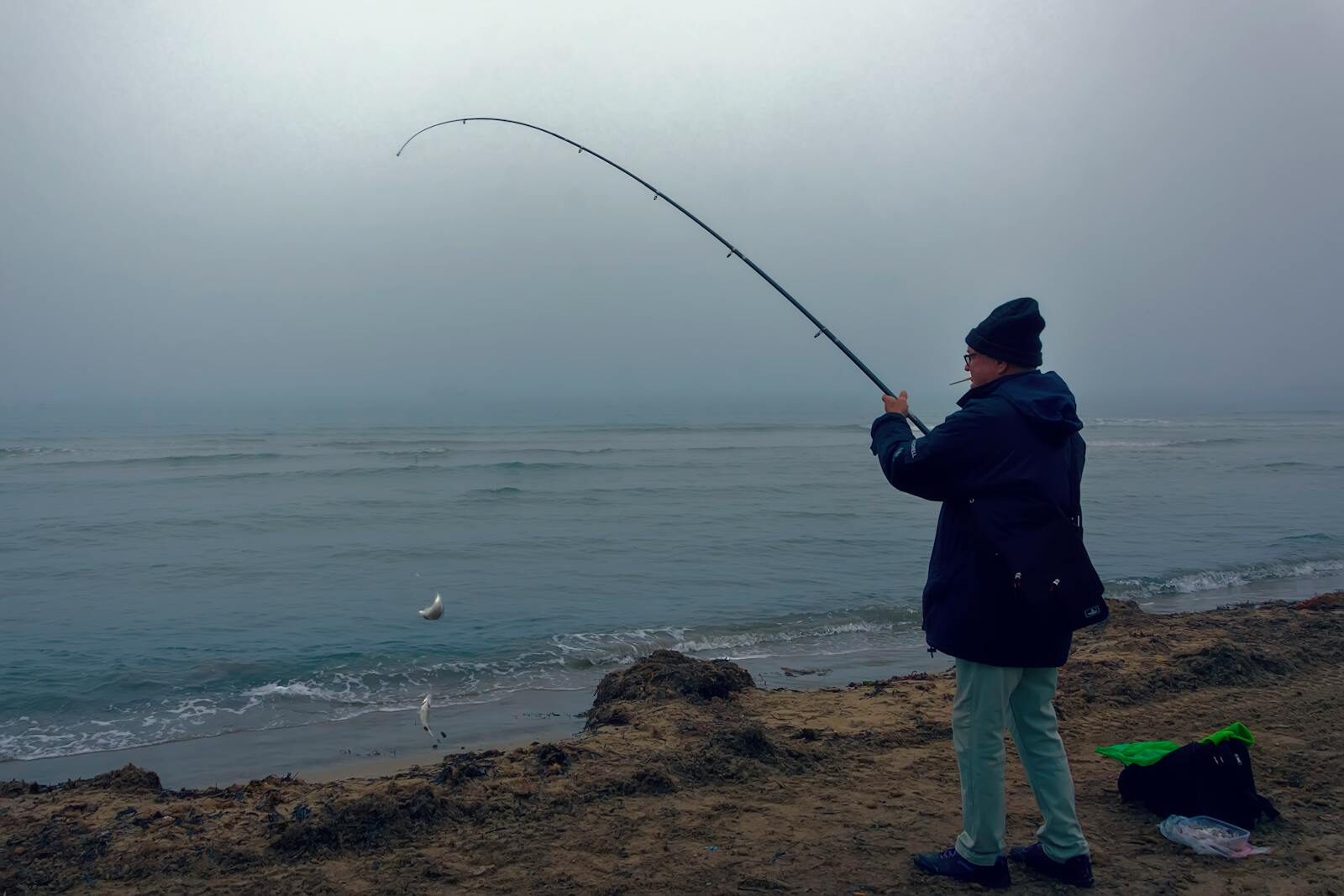
The United States offers exceptional coastal locations where anglers can pursue various saltwater species from shore. The country’s extensive coastline provides diverse fishing environments, from rocky northeastern shores to sandy southern beaches, each supporting different fish populations and fishing techniques.
Selecting the right beach can significantly improve your fishing success, as each location offers unique access to species like striped bass, bluefish, flounder, and redfish depending on the season and regional conditions. Understanding local ecosystems and applying proper techniques will enhance your experience at these coastal destinations.
Your choice of fishing beach depends on factors including target species, time of year, accessibility, and local regulations. The beaches covered in this guide represent some of the most productive surf fishing locations, primarily concentrated along the northeastern coast where consistent fish populations and public access create favorable conditions for shore-based anglers.
1) Fishing Beach
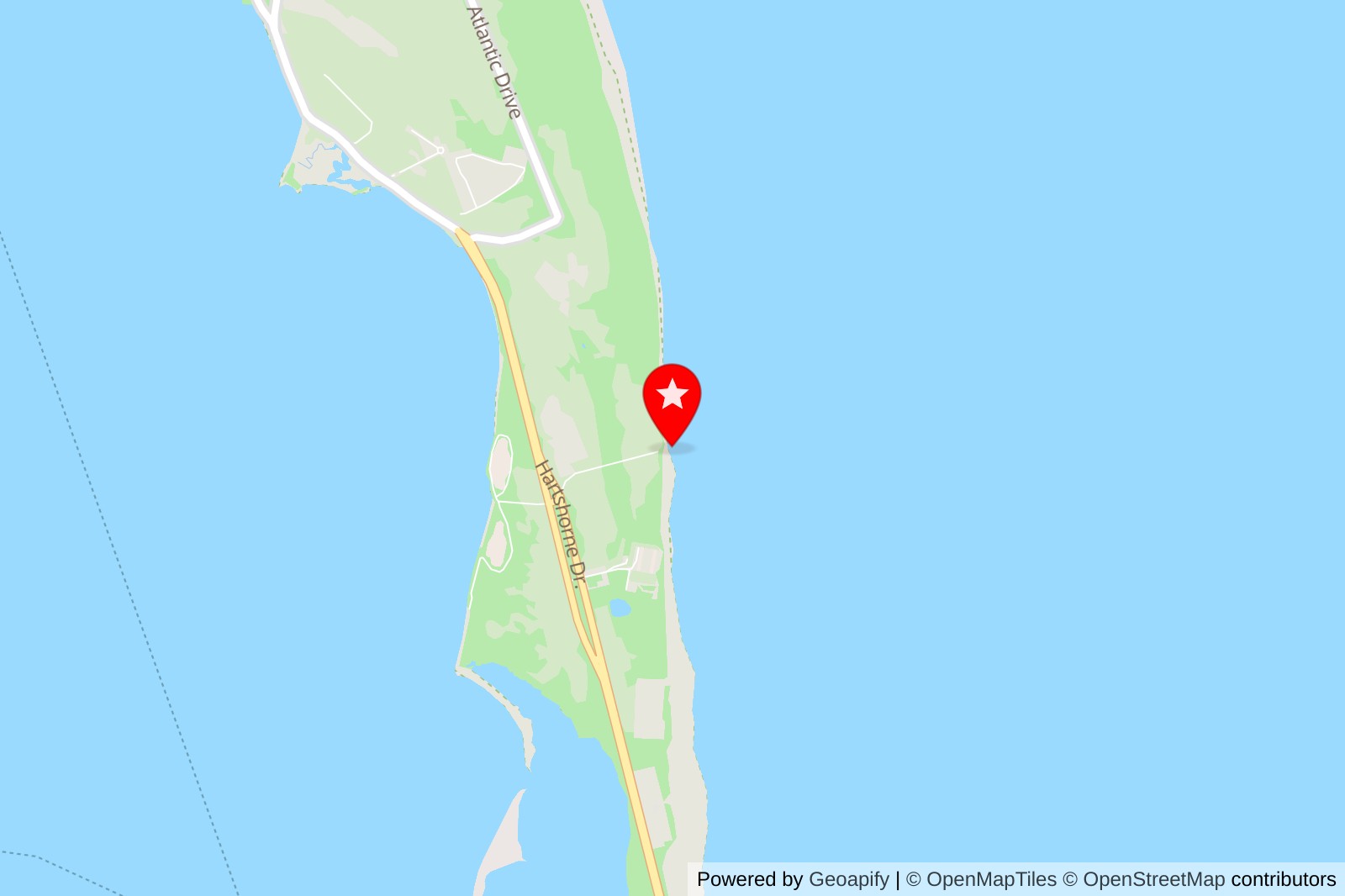
Fishing Beach lives up to its name as an ideal spot for anglers looking to cast their line along the New Jersey coastline. Located within Gateway National Recreation Area at Sandy Hook, this beach offers direct access to some of the region’s most productive fishing waters. You’ll find plenty of space to set up your gear and try your luck with striped bass, bluefish, and flounder depending on the season.
The beach itself provides a more relaxed atmosphere compared to other Sandy Hook locations. You can fish right from the shore or wade into the water for better positioning. The National Park Service maintains the area well, ensuring clean facilities and manageable crowds even during peak fishing times.
Access is straightforward once you enter the Gateway National Recreation Area, though you’ll need to pay the standard park entrance fee during summer months. The beach remains open year-round, giving you flexibility to fish during optimal migration periods. Parking areas are close enough to the waterline that you won’t struggle hauling your equipment.
Bring your own bait and tackle since there aren’t many shops immediately nearby. The surrounding natural habitat means you’ll often spot wildlife while waiting for bites, adding to the overall experience of fishing in a protected coastal environment.
Rating: 4.4 (132 reviews)
Location: Highlands, NJ 07732
Website: Visit Website
2) Lake Welch Beach
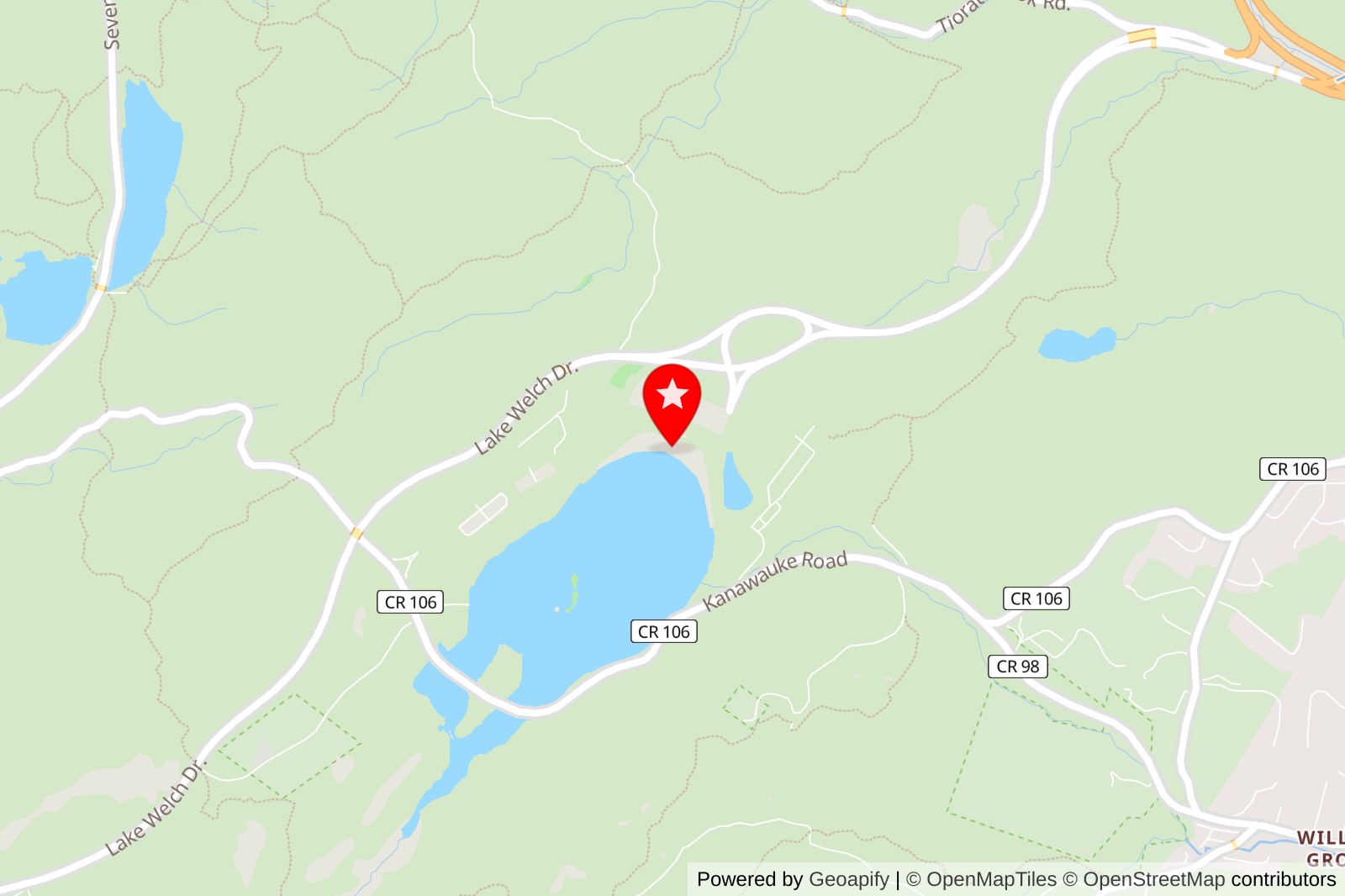
Lake Welch Beach sits nestled in the wooded Ramapo Mountains within Harriman State Park, offering you one of the largest fishing opportunities in the region. The man-made lake became what you see today after dam completion in 1942, transforming from a small farmland water body into an expansive fishing destination.
You’ll find excellent fishing conditions along the half-mile sandy shoreline and throughout the lake’s waters. The beach area gives you plenty of access points to cast your line, whether you prefer shore fishing or bringing your own boat onto the water. During winter months when conditions permit, you can also try ice fishing on the frozen lake surface.
The park operates seasonally with swimming available from late June through early September, but fishing remains accessible during extended hours. From mid-September through October, you can fish daily until 4:00 pm, though swimming isn’t allowed during this period. The sandy beach stays open until 3:30 pm during fall months, giving you daytime fishing opportunities.
Beyond fishing, you’ll appreciate the picnic areas and nearby Beaver Pond Campground if you want to extend your stay. The park charges a $10 vehicle fee during peak season weekends and holidays, though an $80 Empire Pass covers unlimited annual entry. No alcohol is permitted on site, and facilities are limited to porta johns from October through April with no running water during winter months.
Rating: 4.5 (4,131 reviews)
Location: 800 Kanawauke Rd, Stony Point, NY 10980
Contact: (845) 947-2444
Website: Visit Website
3) Jones Beach State Park
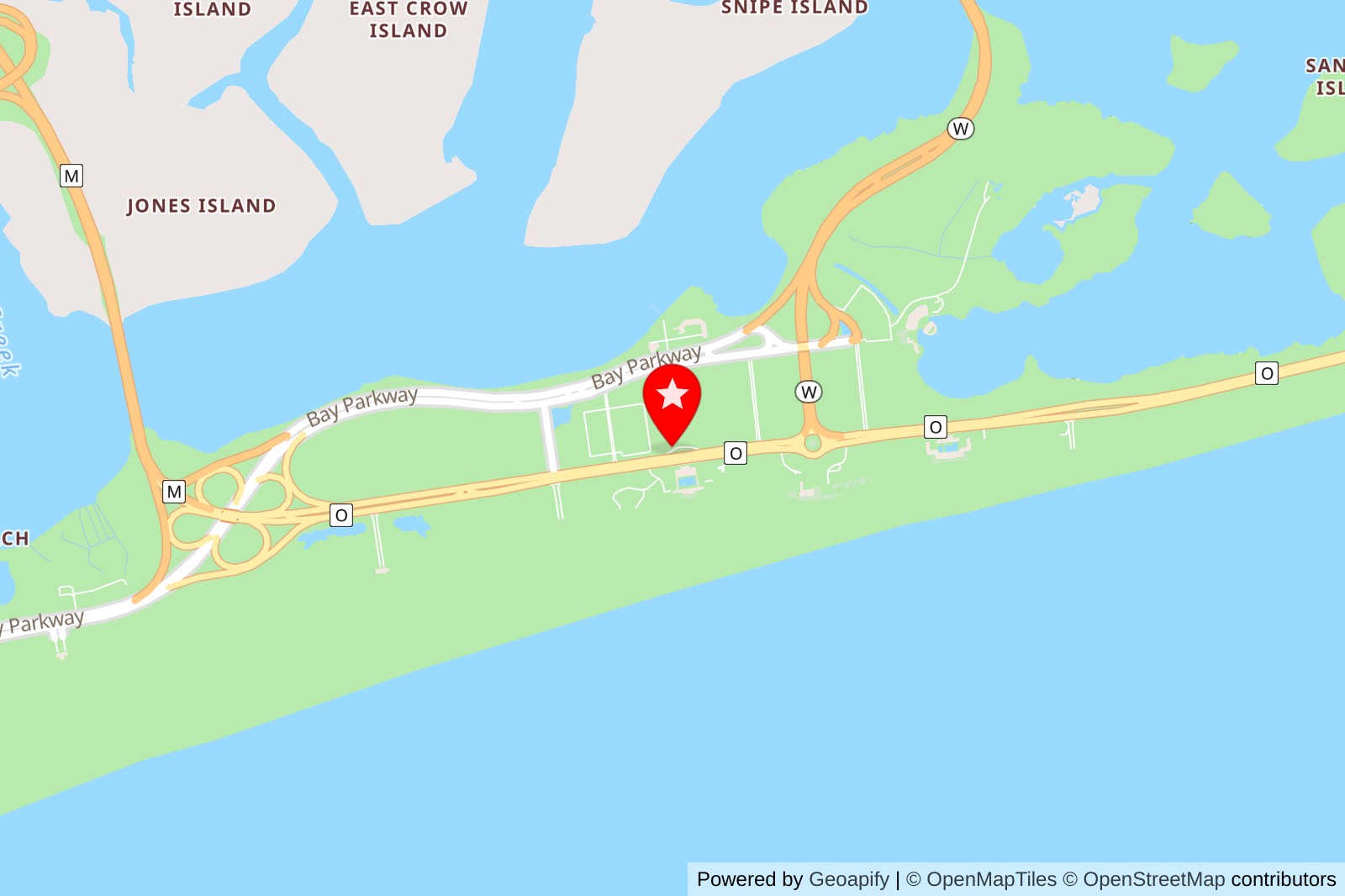
Jones Beach State Park offers you six miles of oceanfront fishing opportunities along Long Island’s southern shore. The park features a dedicated fishing pier where you can cast your line into the Atlantic, targeting species like striped bass, bluefish, fluke, and porgy depending on the season.
You’ll find the fishing pier accessible and well-maintained, providing ample space for anglers of all skill levels. The surf fishing along the beach is equally productive, especially during early morning and evening hours when fish are most active.
Beyond fishing, you have access to facilities that make your day more comfortable, including snack bars, locker rooms, and picnic areas. The park’s amenities mean you can easily spend a full day here without needing to leave for basic necessities.
Keep in mind that Jones Beach doubles as a popular entertainment destination with concerts at the Northwell Jones Beach Theater during summer months. This means the beach can get crowded, particularly on weekends and during events, so plan your fishing trips accordingly for the best experience.
Rating: 4.6 (21,028 reviews)
Location: 1 Ocean Pkwy, Wantagh, NY 11793
Contact: (516) 785-1600
Website: Visit Website
4) Calf Pasture Beach
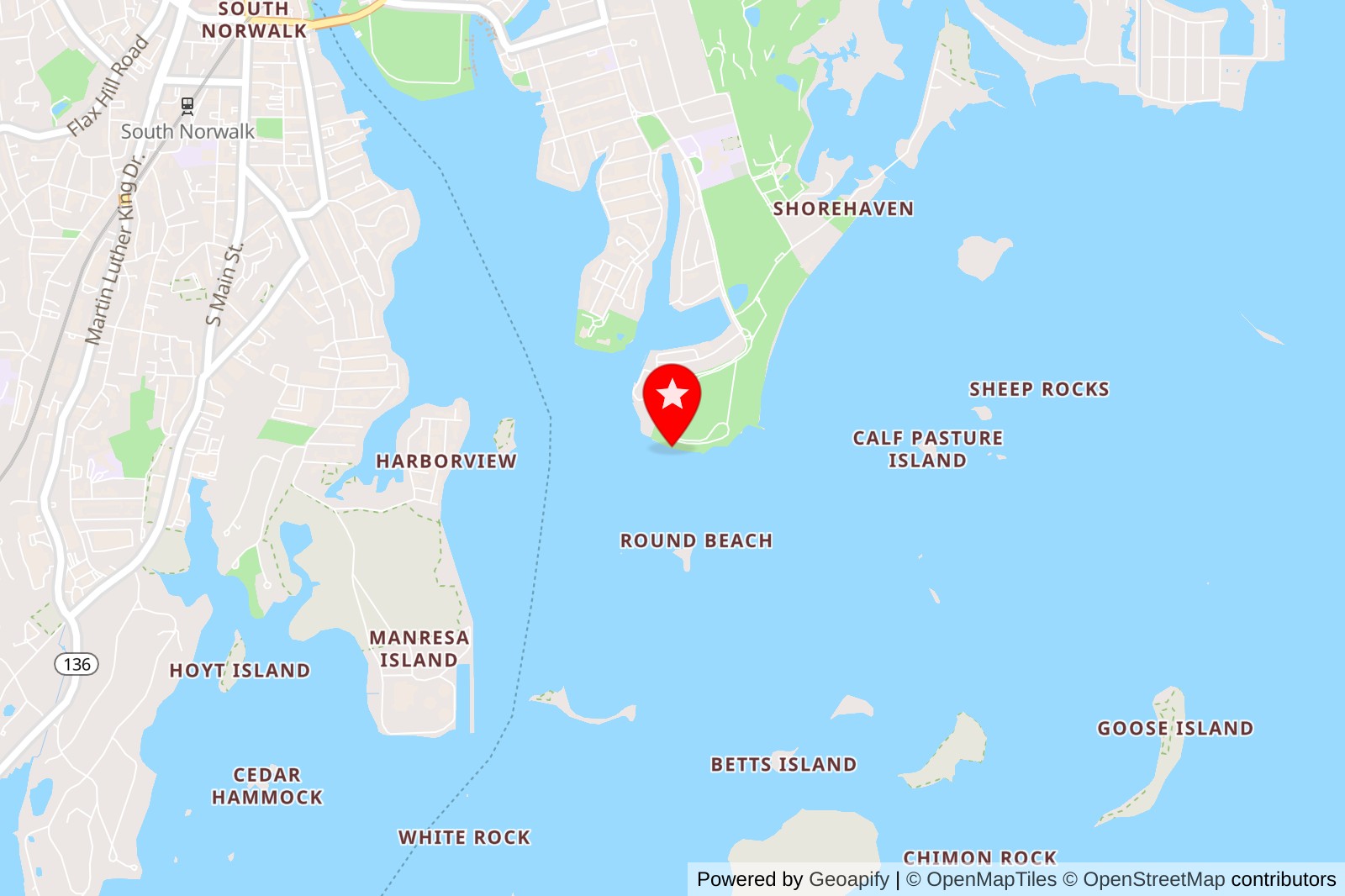
Calf Pasture Beach stretches across 35 acres along Long Island Sound in Norwalk, Connecticut, offering you one of the region’s most accessible fishing spots. The dedicated fishing pier extends into deeper waters where you can target striped bass, bluefish, and flounder depending on the season.
You’ll find the pier accommodates anglers of all skill levels with plenty of space to set up your gear. The structure provides stable footing and railings, making it practical for extended fishing sessions. During peak migration periods, you can expect consistent action from early morning through sunset.
Beyond the pier, the beach area gives you additional shoreline fishing opportunities when you want to try different techniques. The facility includes a cafe where you can grab food and drinks without leaving the property. Parking is available on-site, though you should arrive early during summer weekends when the beach attracts larger crowds.
The combination of dedicated fishing infrastructure and general beach amenities makes this location practical for family outings where some members fish while others enjoy the sand and water. You can easily spend a full day here with access to restrooms, picnic areas, and the fishing pier all in one location.
Rating: 4.4 (1,025 reviews)
Location: Calf Pasture Beach Rd, Norwalk, CT 06851
Contact: (203) 854-7806
Website: Visit Website
5) Sandy Hook Beach
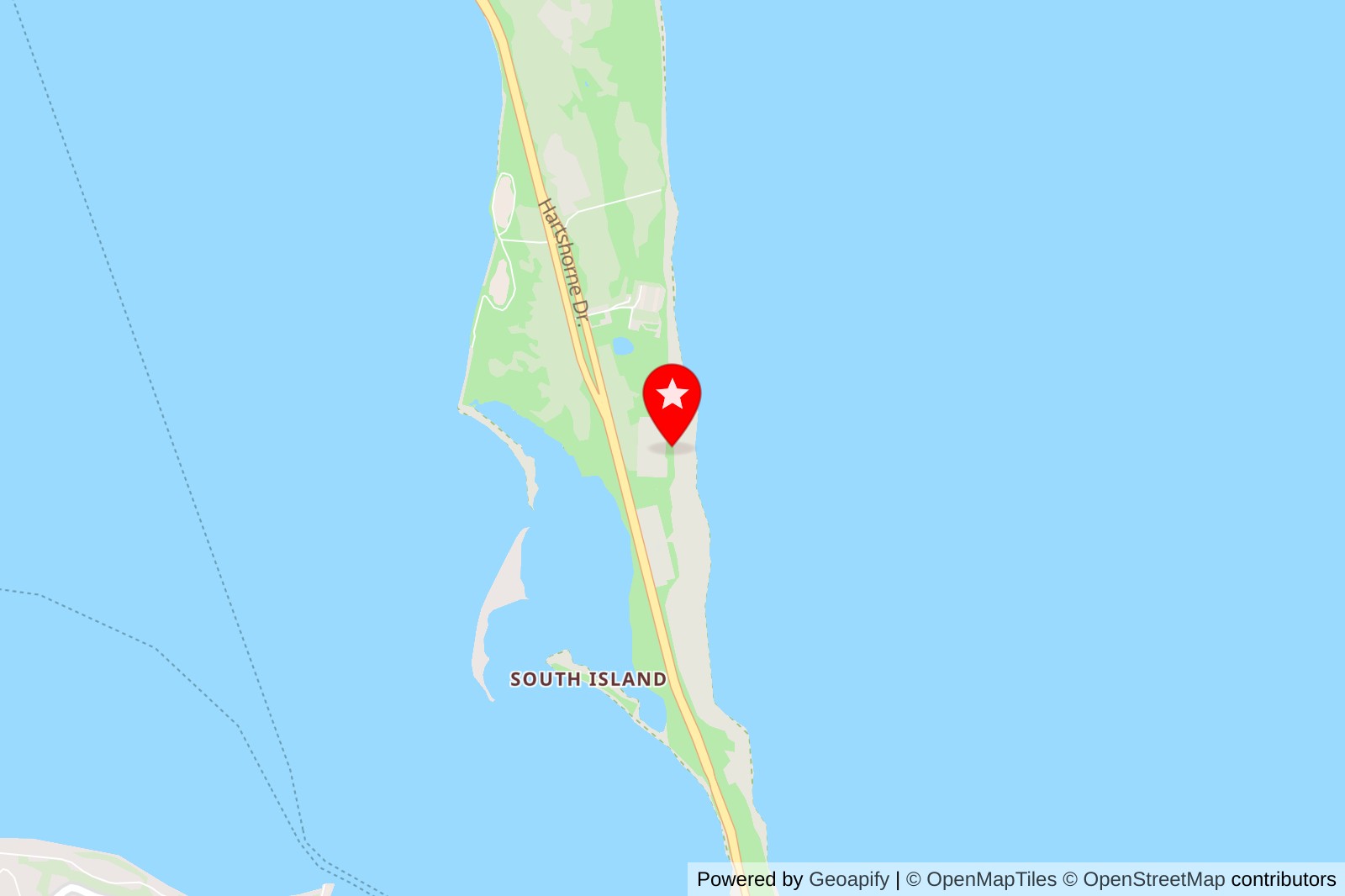
Sandy Hook Beach offers excellent fishing opportunities along New Jersey’s northern coast. You’ll find striped bass, bluefish, and fluke here depending on the season. The beach sits on a barrier peninsula where the Atlantic Ocean meets Sandy Hook Bay, creating diverse fishing environments.
You can fish from the beach itself or access several fishing piers along the peninsula. The north beach area tends to be less crowded and provides good surf fishing conditions. Spring and fall bring the best catches when migratory fish pass through these waters.
The beach requires a parking fee during peak season from Memorial Day through Labor Day. You’ll need a New Jersey fishing license for saltwater fishing. The facilities include restrooms and food concessions, though you should bring your own bait and tackle as options nearby are limited.
Rating: 4.7 (1,651 reviews)
Location: Hartshorne Dr, Highlands, NJ 07732
Contact: (732) 872-5970
6) Island Beach State Park
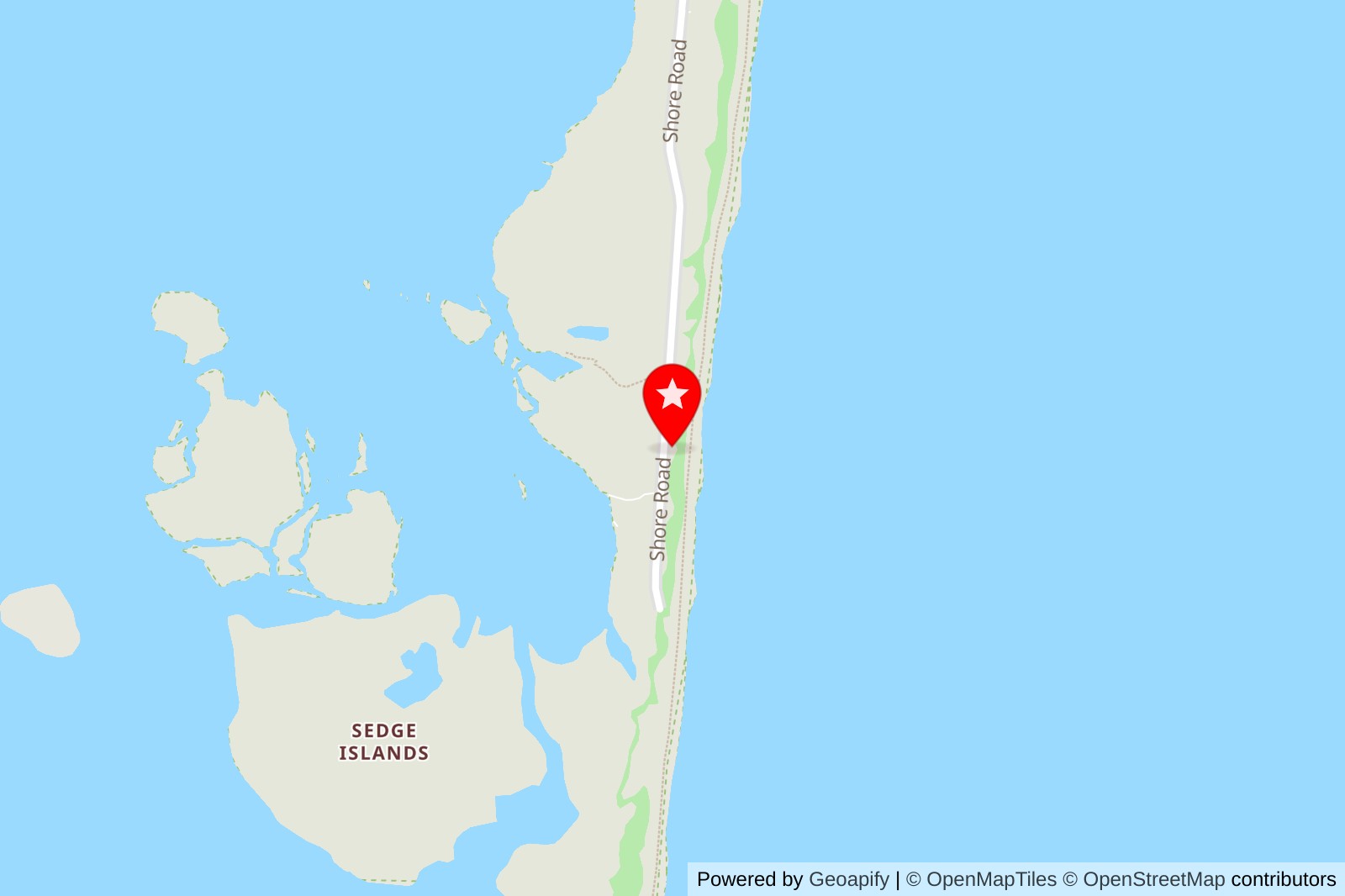
Island Beach State Park stretches along nearly ten miles of preserved barrier island coastline in New Jersey. When you arrive, you’ll find extensive surf fishing opportunities from the sandy beach, with anglers regularly pulling in striped bass, bluefish, and fluke depending on the season. The park maintains its natural character with rolling dunes and maritime forests backing the fishing grounds.
The southern tip of the park sits at Barnegat Inlet, providing exceptional access to productive fishing waters. You can cast from the beach or work the inlet where currents concentrate baitfish and attract larger predators. The park’s protected status means the shoreline remains undeveloped, giving you room to spread out and find your own spot.
Beyond surf fishing, you’ll notice the park supports diverse wildlife including ospreys and over 400 plant species throughout its maritime habitats. The location puts you just south of Seaside Heights, making it easy to combine your fishing trip with other coastal activities. You can also enjoy views across Barnegat Inlet to the historic Barnegat Lighthouse on Long Beach Island.
The park’s facilities accommodate day visitors focused on fishing and swimming. You’ll reach it by driving to the southern end of Route 35 in Lanoka Harbor.
Rating: 4.8 (468 reviews)
Location: Lanoka Harbor, NJ 08734
Contact: (732) 793-0506
Website: Visit Website
7) Great Kills Beach
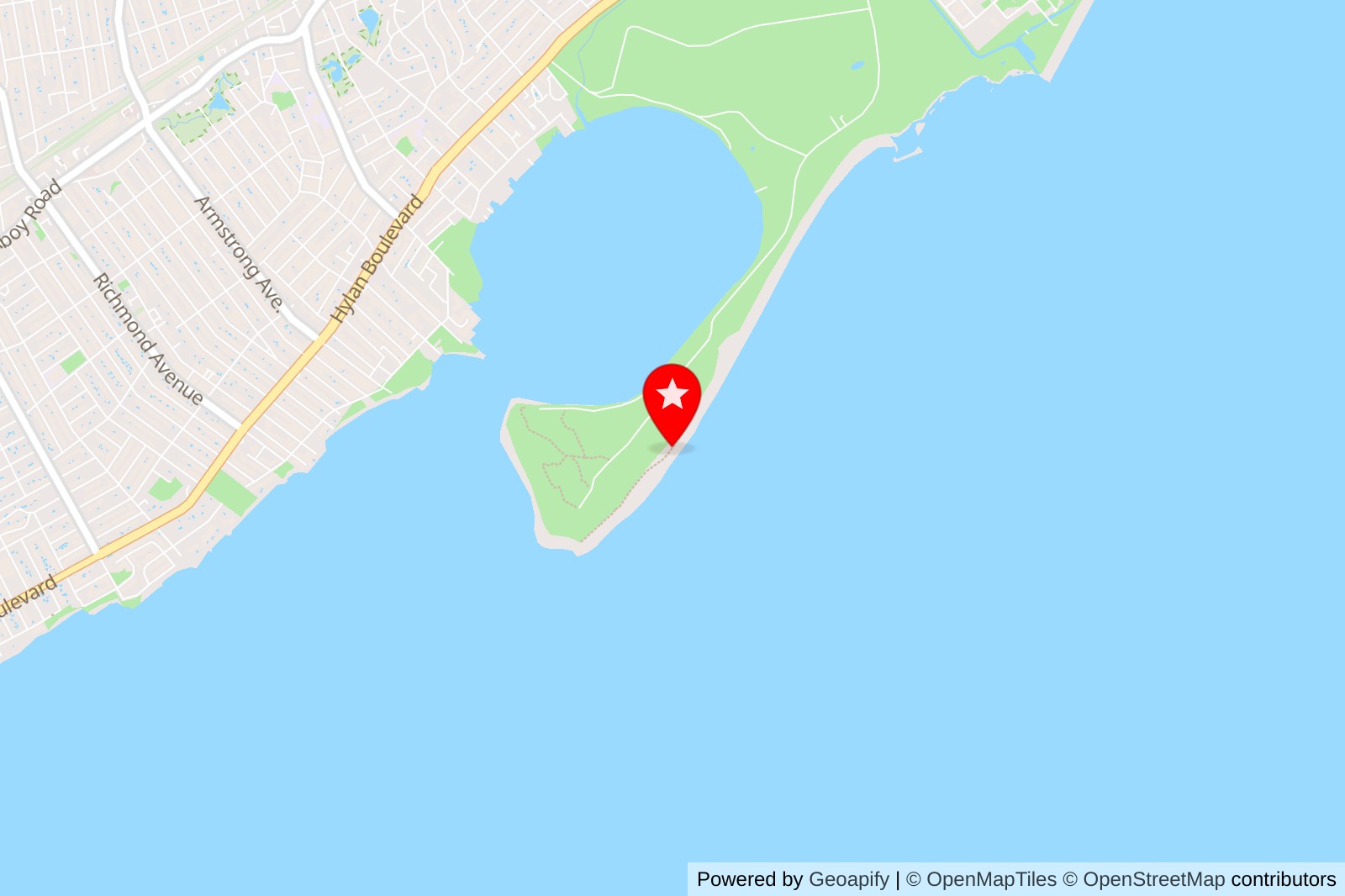
Great Kills Beach sits along Staten Island’s southeastern shore, offering anglers a solid fishing spot within New York City limits. The beach provides access to Raritan Bay, where you can cast for striped bass, bluefish, and fluke depending on the season. You’ll find the shoreline less crowded than many other urban beaches, giving you plenty of room to set up your gear.
The beach area includes both sandy stretches and rockier sections near the jetties, which attract different species throughout the year. You can fish directly from the beach or wade out into the shallows during low tide. Summer and fall tend to produce the best catches, with striped bass running close to shore during their seasonal migrations.
Parking is available nearby, making it easy to transport your equipment to the water. The beach is part of Gateway National Recreation Area, so you’ll need to follow National Park Service regulations for fishing licenses and catch limits. Early morning and evening hours typically offer the most productive fishing windows.
You’ll appreciate the relatively easy access compared to more remote fishing destinations. The facilities are basic but adequate, with restrooms available during the warmer months when the beach is fully operational.
Rating: 4.3 (119 reviews)
Location: 211 Buffalo St #213, Staten Island, NY 10306
Essential Fishing Tips for U.S. Beaches
Successful beach fishing requires understanding local regulations, having the right equipment, and timing your trips to match seasonal fish patterns. These fundamentals will help you maximize your catch while staying compliant with state and federal rules.
Permitting and Regulations
You need a valid saltwater fishing license for most U.S. beaches, though requirements vary by state. Some states offer short-term visitor licenses, while others provide free fishing days throughout the year.
Each coastal state sets its own size limits, bag limits, and seasonal restrictions for different species. You must check these regulations before fishing, as they change frequently based on conservation efforts and fish population data.
Certain beaches prohibit fishing in designated swimming areas or require specific permits for pier fishing. Protected species like sea turtles and certain shark species must be released immediately if caught. Some states require circle hooks when using natural bait to reduce harm to fish during catch-and-release.
You can find current regulations on your state’s fish and wildlife website or at local tackle shops. Violations can result in significant fines and license suspension.
Recommended Gear and Bait
A medium to heavy surf rod between 9 and 12 feet paired with a spinning reel works for most beach fishing situations. Your reel should hold at least 200 yards of 15 to 30-pound test line to handle strong currents and powerful fish.
Essential tackle includes:
- Pyramid sinkers (2-6 oz depending on surf conditions)
- Circle hooks (sizes 2/0 to 6/0)
- Swivels and steel leaders for toothy fish
- Rod holders or sand spikes
- Tackle box with extra line and terminal tackle
Live or fresh bait typically outperforms artificial lures for beach fishing. Shrimp, cut bait from mullet or menhaden, sand fleas, and bloodworms attract various species. You can also use artificial lures like spoons, jigs, and soft plastics when fish are actively feeding.
Bring a cooler with ice for your catch, a fish measuring tape, and polarized sunglasses to spot fish in the surf.
Best Times of Year for Beach Fishing
Spring and fall offer the most productive beach fishing opportunities as many species migrate along coastlines during these seasons. Water temperatures moderate during these periods, bringing baitfish closer to shore and attracting larger predators.
Summer provides consistent action in most regions, though you’ll find better fishing during early morning and late evening when temperatures cool. Midday heat often pushes fish into deeper water away from beaches.
Winter fishing can be excellent in southern states like Florida and Texas, where warmer waters maintain active fish populations. Northern beaches see reduced activity during cold months, though species like striped bass remain catchable.
Tidal movement significantly impacts your success regardless of season. Fish actively feed during incoming and outgoing tides, with the hour before and after tide changes producing the most strikes. Full and new moon phases create stronger tides that stir up food and increase feeding activity.
Understanding Beach Ecosystems
Beach fishing success depends on knowing which species inhabit coastal waters and how to fish responsibly without damaging these delicate environments. The fish you’ll encounter vary dramatically by region, while conservation practices ensure these ecosystems remain productive for future anglers.
Common Fish Species Found Along U.S. Shores
Atlantic Coast beaches support populations of striped bass, bluefish, flounder, and red drum. Striped bass migrate seasonally along the eastern seaboard, with peak catches occurring during spring and fall runs. Red drum, also called redfish, concentrate in surf zones from New Jersey through the Gulf Coast, feeding in shallow waters near sandbars and troughs.
Gulf Coast anglers target speckled trout, pompano, Spanish mackerel, and tarpon. Pompano prefer sandy bottoms where they forage for sand fleas and small crustaceans. The warm Gulf waters sustain year-round fishing opportunities compared to northern beaches.
Pacific Coast species include California corbina, surfperch varieties, halibut, and leopard sharks. Surfperch remain active throughout winter months when other species migrate offshore. California halibut ambush prey from sandy bottoms in depths ranging from five to thirty feet.
Protecting Marine Habitats While Fishing
You should always check local regulations for size limits, bag limits, and seasonal closures before fishing. These rules protect spawning populations during critical reproduction periods. Coastal ecosystems include marshes, mangroves, and sandy beaches that support specific organisms affected by human activity.
Pack out all fishing line, hooks, and trash to prevent wildlife entanglement and habitat degradation. Monofilament line takes approximately 600 years to decompose and kills birds, sea turtles, and marine mammals. Use circle hooks to reduce gut-hooking fish you plan to release.
Handle fish with wet hands to protect their protective slime coating. Support their body weight horizontally rather than vertically by the jaw. Return undersized or protected species to the water quickly to maximize survival rates.