

Is Predator Reintroduction Failing?
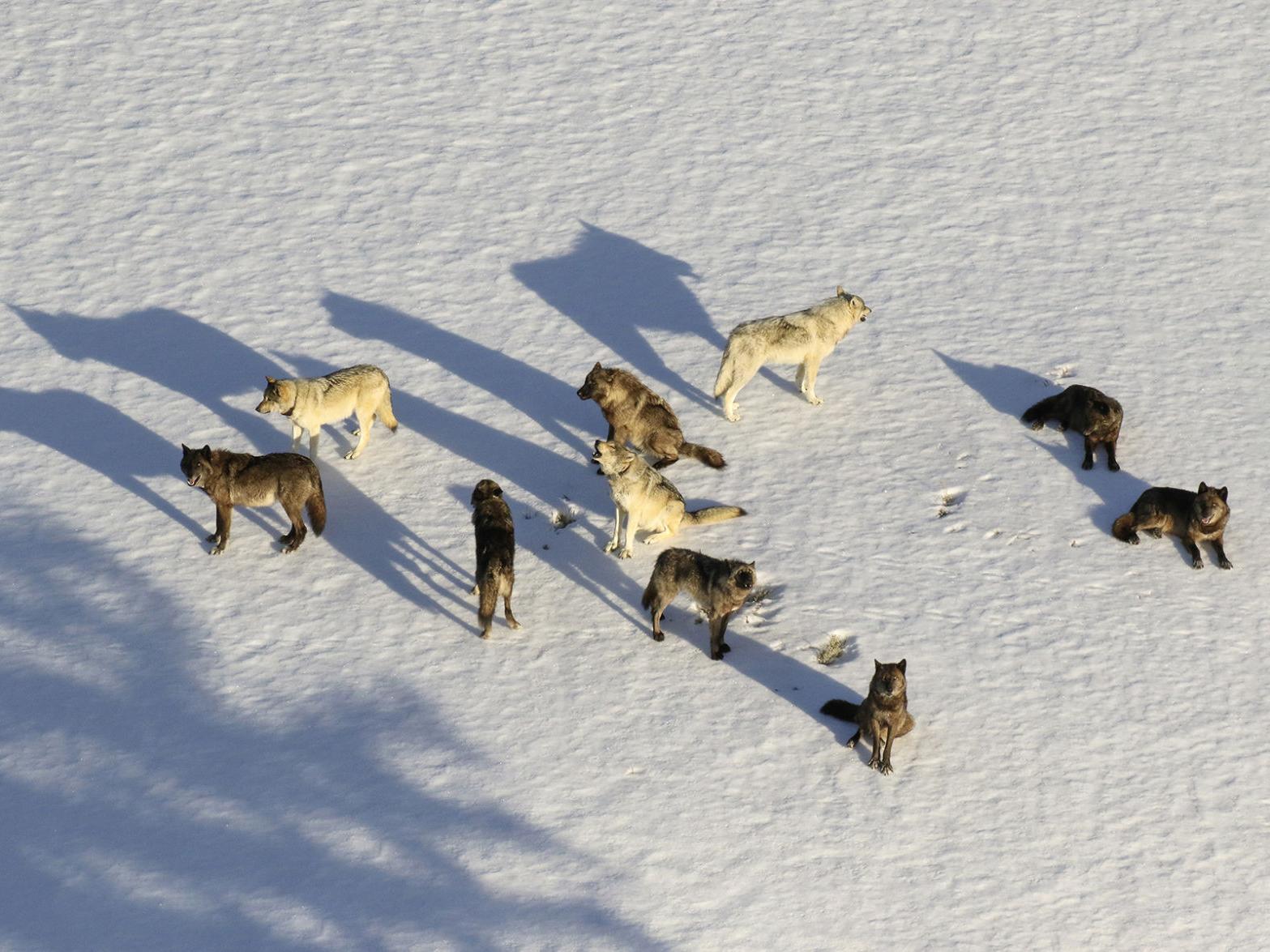
A Debate That’s Far From Settled
Predator reintroduction—especially wolves—has become one of the most debated wildlife management issues in the United States.
Supporters argue that bringing back apex predators restores balance to ecosystems. Critics point to impacts on big game populations, livestock losses, and unintended consequences.
So is predator reintroduction actually failing?
The answer is more complicated than either side often admits.
The Case for Success: Restoring Balance
One of the strongest arguments for predator reintroduction comes from ecosystem science.
According to the National Park Service, the reintroduction of wolves to Yellowstone National Park in the 1990s helped restore natural predator-prey dynamics that had been missing for decades.
Researchers observed changes in elk behavior, which reduced overgrazing in certain areas and allowed vegetation like willow and aspen to recover.
According to ecological findings cited by the U.S. Geological Survey, predators can influence ecosystems beyond direct predation by altering how prey species use the landscape.
This type of effect—often referred to as a trophic cascade—is one of the main reasons scientists support predator restoration.
The Case Against: Impacts on Game and Livestock
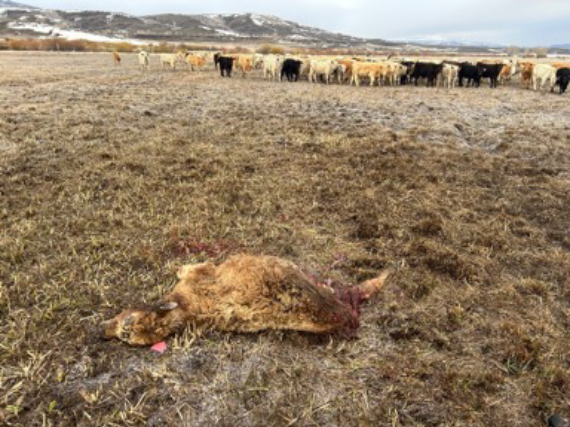
While ecological benefits are often highlighted, there are also measurable impacts on wildlife and agriculture.
According to research summarized by Colorado State University Extension, wolf predation can reduce elk calf survival rates in certain regions, particularly when combined with factors like harsh winters and habitat conditions.
For hunters, this can translate into fewer animals in specific areas, even if overall populations remain stable.
Livestock losses are another major concern.
According to confirmed reports from the U.S. Fish and Wildlife Service, wolves do occasionally prey on cattle and sheep, creating financial impacts for ranchers.
These incidents, while relatively small compared to overall livestock numbers, often drive strong opposition in rural communities.
The Reality: It’s More Complicated Than Either Side Claims
Recent research suggests that predator reintroduction does not produce uniform results.
According to analysis from the U.S. Geological Survey, ecosystems respond differently depending on a wide range of factors, including habitat quality, weather patterns, and the presence of other predators.
In some areas, elk populations declined locally after wolves returned. In others, populations remained stable or even increased.
Wildlife data from the Washington Department of Fish and Wildlife shows that deer and elk populations in parts of Washington have remained stable despite growing wolf populations.
This variability highlights how complex predator-prey relationships can be.
Why Results Vary Across Regions
The success—or perceived failure—of predator reintroduction depends heavily on local conditions.
Key factors include:
-
Predator population size
-
Availability of prey
-
Habitat conditions
-
Human hunting pressure
-
Presence of other predators like bears and mountain lions
According to wildlife research supported by the U.S. Fish and Wildlife Service, predator impacts are often localized rather than widespread, meaning effects can vary significantly from one region to another.
So—Is It Failing?
The evidence suggests that predator reintroduction is not a failure—but it is not a perfect success either.
It has:
-
Restored natural ecological processes in some areas
-
Created challenges for hunters and ranchers in others
-
Produced outcomes that are difficult to predict
Rather than a clear success or failure, it is better understood as a management challenge with trade-offs.
The Bigger Question Moving Forward
The real issue isn’t whether predator reintroduction works—it’s how it should be managed.
Wildlife agencies are increasingly focused on balancing competing interests.
According to the U.S. Fish and Wildlife Service, management strategies often include population monitoring, regulated hunting in some areas, and compensation programs for livestock losses.
These approaches aim to maintain predator populations while addressing concerns from rural communities.
A Wild System, Not a Controlled Experiment
Nature is complex, and predator reintroduction is not a controlled experiment with predictable outcomes.
Ecosystems change over time, and the return of apex predators is just one piece of a much larger puzzle.
For some, these changes represent progress toward restoring natural systems.
For others, they highlight real-world consequences that cannot be ignored.
But one thing is clear: predator reintroduction isn’t failing—it’s forcing a broader conversation about how to balance conservation, hunting, and rural livelihoods in today’s world.