
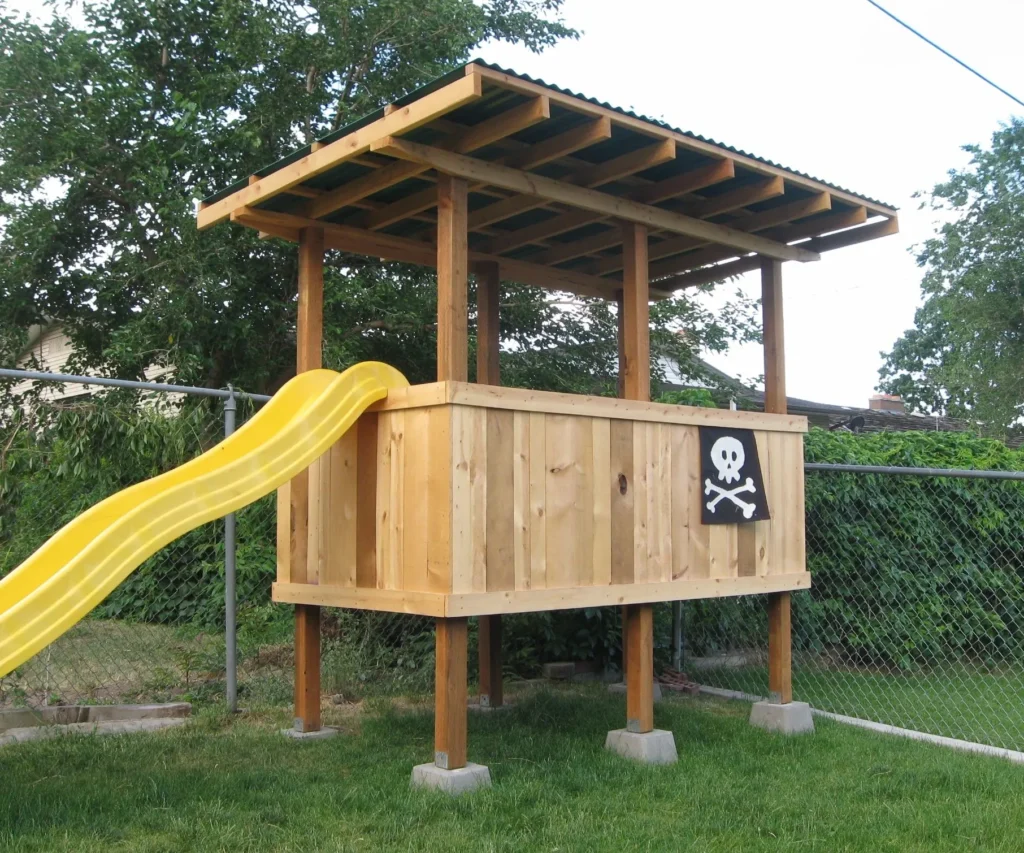
HOA Fines Family After Kids Build Fort in Their Own Backyard
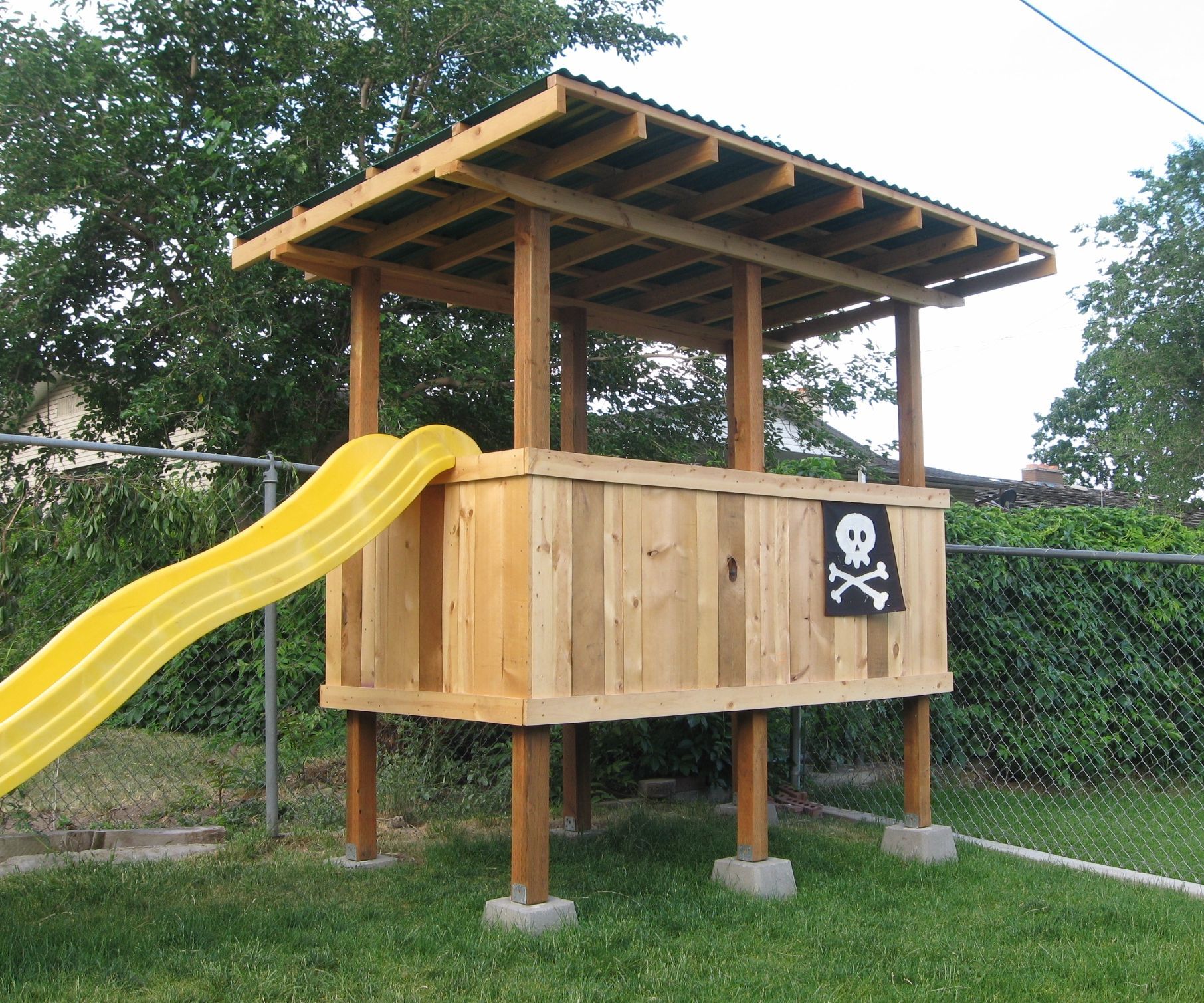
A Backyard Project Turns Into a Neighborhood Dispute
What started as a simple backyard project for a group of kids quickly turned into a heated dispute after a homeowners association stepped in with fines.
The family had allowed their children to build a small fort in their own backyard—a basic structure made from scrap wood, branches, and a lot of imagination.
But what the kids saw as fun, the HOA saw as a violation.
The Fort That Sparked the Conflict
The structure itself wasn’t anything elaborate.
It was the kind of backyard fort many people grew up building:
- A few boards nailed together
- Leaning against a tree or fence
- A place for kids to play, explore, and create
According to the family, the fort stayed entirely within their property line and didn’t interfere with neighbors.
But that didn’t stop the notice from coming.
The HOA Steps In
Shortly after the fort went up, the family received a warning from their homeowners association.
The issue?
The structure was considered an “unapproved addition.”
HOA guidelines in many communities regulate:
- Exterior structures
- Visual appearance
- Modifications to property
According to general HOA governance standards referenced by the Community Associations Institute, homeowners are often required to submit plans and receive approval before building anything visible from outside the home.
Even something as simple as a backyard fort can fall under those rules.
From Warning to Fines
When the structure wasn’t immediately removed, the situation escalated.
The HOA issued fines, citing violations of community standards and aesthetic guidelines.
For the family, the reaction felt excessive.
What they saw as harmless play had turned into a financial penalty.
A Bigger Debate About Rules and Freedom
Stories like this are becoming more common in suburban neighborhoods across the country.
HOAs are designed to maintain property values and consistency—but critics argue that some rules go too far.
According to housing data and policy discussions cited by the National Association of Realtors, millions of Americans now live in HOA-governed communities, where regulations can impact everything from landscaping to structures.
That level of oversight can sometimes clash with personal freedoms—especially when it comes to how families use their own property.
The Family’s Perspective
From the parents’ point of view, the situation wasn’t just about a fort.
It was about:
- Letting kids be kids
- Encouraging outdoor play
- Creating something together
In a time when many families are trying to get children away from screens and outside more often, the idea of being penalized for that effort struck a nerve.
Why This Story Is Getting Attention
This situation resonates with so many people because it taps into something familiar.
Almost everyone remembers building forts, exploring outside, and using their imagination.
The idea that those same activities could now lead to fines feels, to many, like something has changed.
A Growing Divide in Neighborhood Living
HOAs continue to expand across the U.S., especially in newer developments.
While some residents appreciate the structure and consistency, others feel the rules can become overly restrictive.
According to the Community Associations Institute, HOAs are intended to preserve property values—but how those rules are enforced can vary widely from one community to another.
The Bottom Line
At the center of this story is a simple question:
How much control should an HOA have over what families do in their own backyard?
For one family, the answer became clear after a fort built by their kids turned into fines and frustration.
And for many others watching, it’s a reminder that sometimes, even the simplest things—like letting kids play outside—can turn into something much bigger.