

5 Best Public Land Deer Hunting Spots in Texas for Reliable Access and Trophy Opportunities
You want real opportunity without paying for a private lease, and Texas gives you that chance on well-managed public land. I have spent years studying these areas, and I know you can find quality whitetail habitat across wildlife management areas, leased tracts, and large public access properties. I will show you five of the best public land deer hunting spots in Texas where you can plan a practical, legal, and productive hunt.
You will see how state-managed lands, specific access points like Ray Roberts, and select ranch partnerships fit into a smart public-land strategy. I will also break down permits, access rules, and key tactics so you can approach each hunt with a clear plan and realistic expectations.
1) Texas Parks & Wildlife Public Hunting
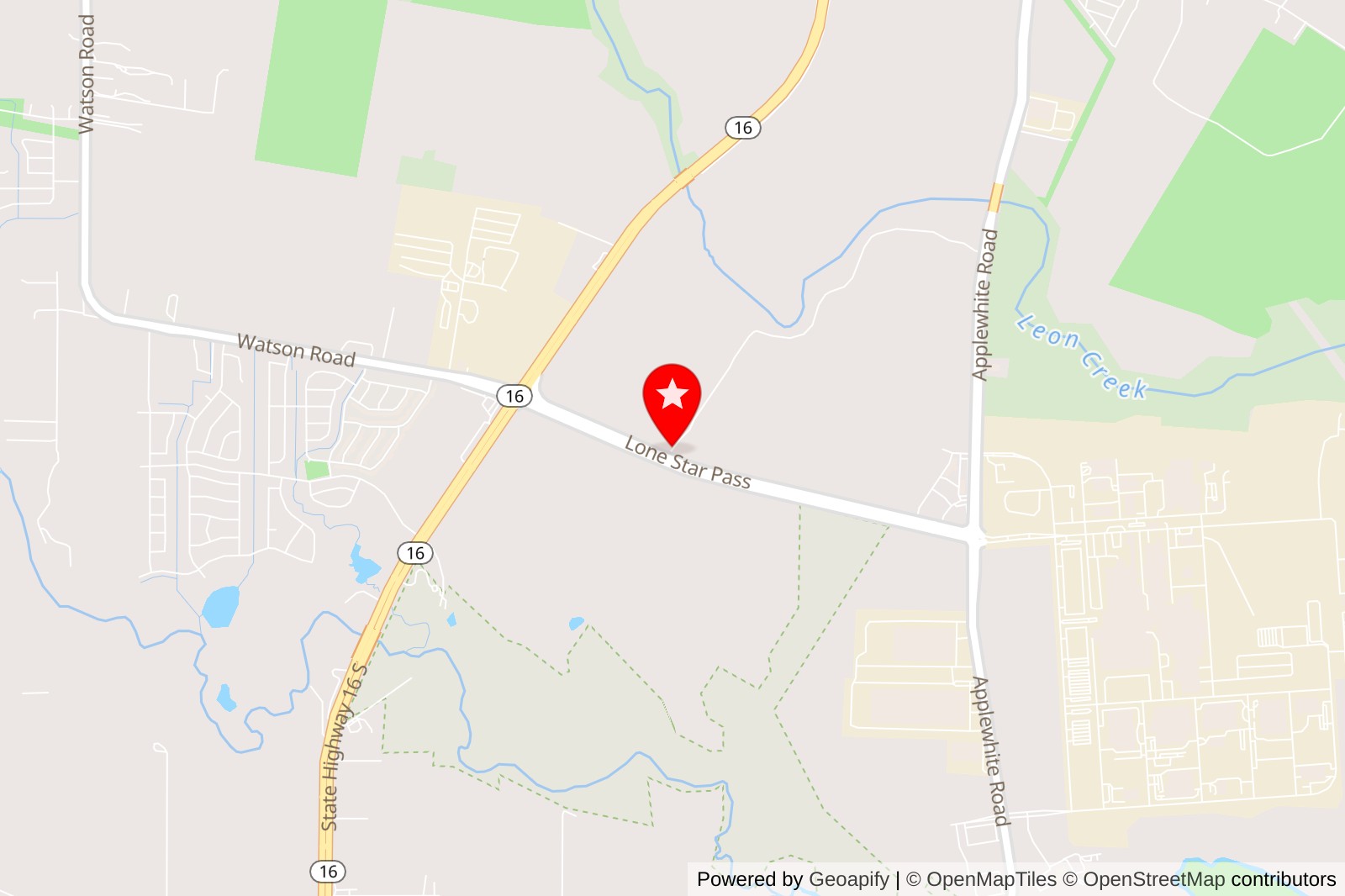
I recently spent time hunting through the Texas Parks & Wildlife Public Hunting areas near San Antonio, and the access impressed me right away. The land offers a mix of brush, open fields, and pockets of thicker cover that hold deer well during the season.
I found the terrain typical of South Texas, with mesquite, thorny brush, and scattered clearings. It pays to scout carefully and pay attention to wind direction because deer move along natural funnels and edges. I saw steady sign, including tracks and rubs, especially near water sources.
Access requires proper permits through the state’s public hunting program, and wardens do check. I appreciated the clearly marked boundaries and the structure the department maintains. It keeps pressure manageable and ensures hunters follow regulations.
Parking areas are straightforward, and I had no trouble navigating with mapping tools. If you prepare for brush country conditions and plan your entry and exit routes, this public option gives you a solid opportunity without the cost of a private lease.
Rating: 4.4 (14 reviews)
Location: San Antonio, TX 78224
2) Ray Roberts Public Hunting Land Access Point
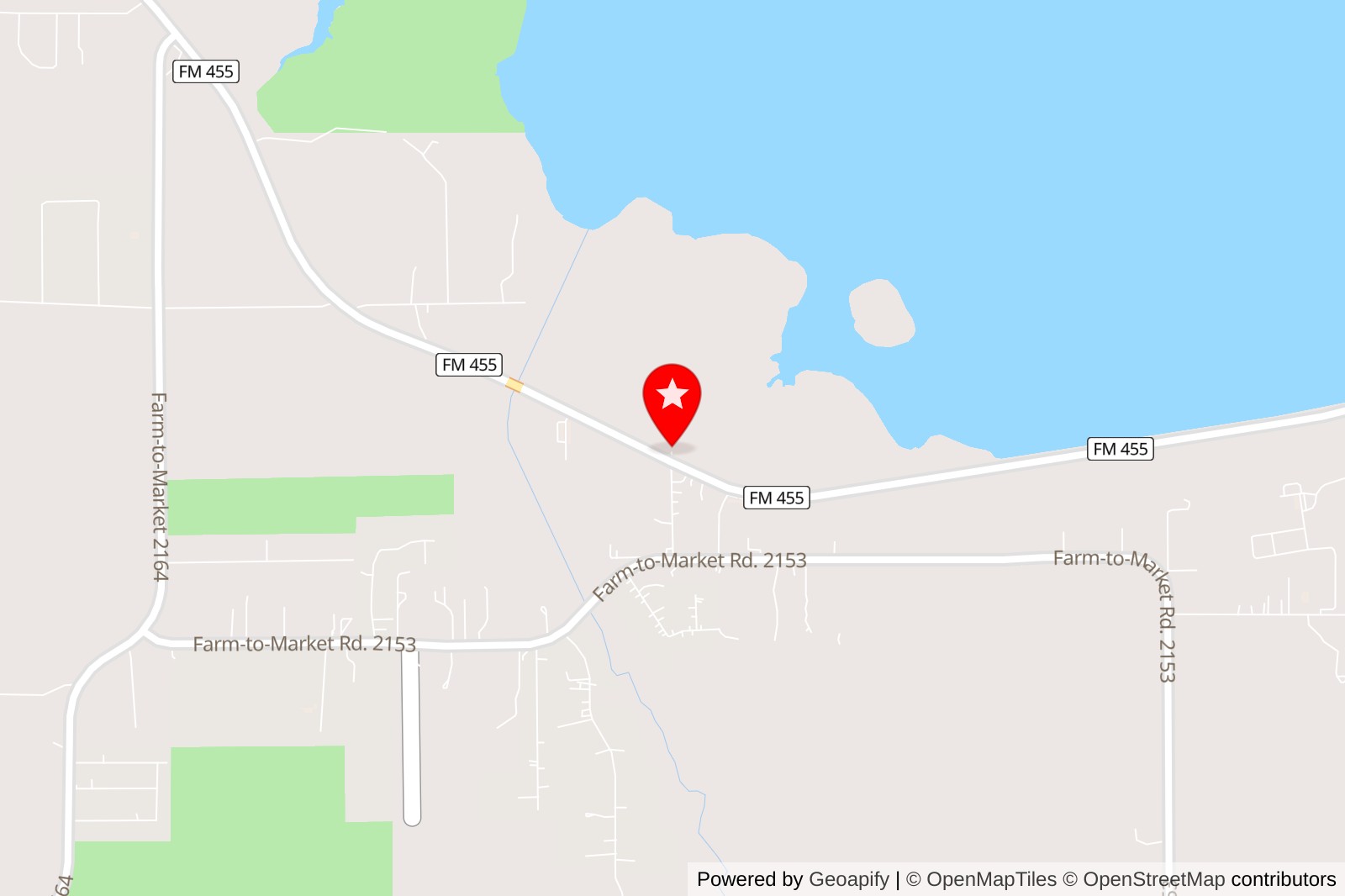
I hunted the Ray Roberts Public Hunting Land Access Point off Cosner Road and found it well suited for deer season in North Texas. The area sits within reach of the lake, with a mix of hardwoods, brush, and open pockets that create solid edge habitat.
I walked in before sunrise and saw clear game trails cutting through the timber. The terrain rolls gently, which makes it manageable to cover on foot while still giving deer enough cover to move during daylight. I focused on transition zones between thicker cover and small clearings.
Parking is straightforward, and the access point gives you a practical entry into public acreage without a long hike just to get started. I noticed moderate hunting pressure, so I made sure to set up away from obvious paths and scout for less-traveled sign.
Before you go, complete the required Hunter Education course if you were born on or after Sept. 2, 1971. Texas enforces this rule, and game wardens do check.
Rating: 4.5 (11 reviews)
Location: Cosner Rd, Aubrey, TX 76227
Website: Visit Website
3) Ray Roberts Public Hunting Land Access Point
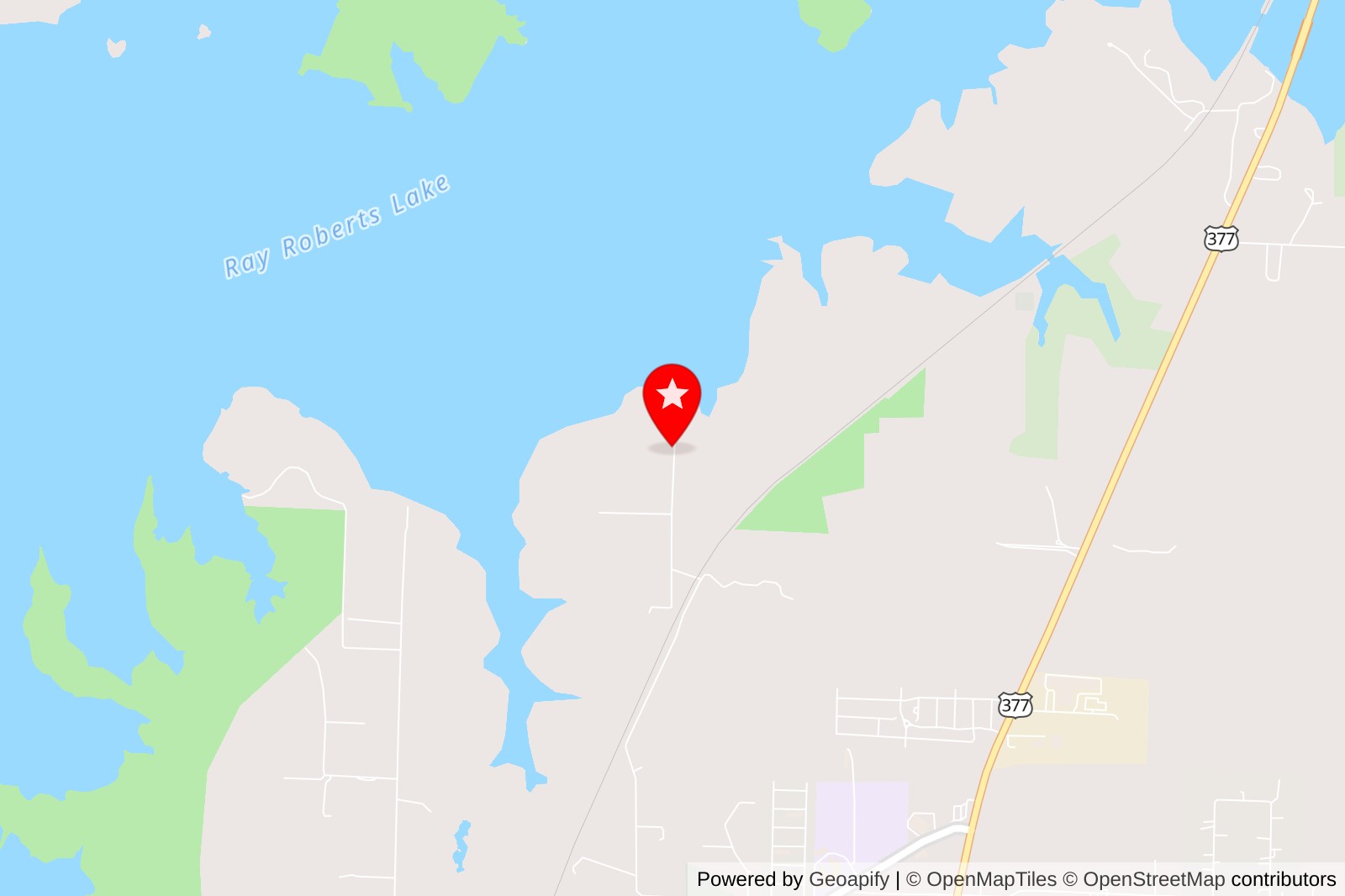
I hunted the Ray Roberts Public Hunting Land Access Point near Pilot Point and found it well managed and easy to navigate. The access off North St. James Road puts you close to a mix of hardwoods, brush, and open pockets that hold deer throughout the season. The layout supports both archery and general season opportunities under TPWD regulations.
I noticed solid deer sign along the tree lines and near the thicker bedding areas. Tracks and rubs showed consistent movement, especially along natural funnels between wooded sections and open ground. I focused on early morning sits near travel corridors and saw steady activity.
Parking and entry felt straightforward, and the walk-in access helps spread hunters out. I recommend scouting ahead of time and checking wind direction carefully, since the terrain includes gentle elevation changes and scattered cover. I always confirm current season rules and public hunt requirements through Texas Parks and Wildlife before planning a trip.
Rating: 4.7 (7 reviews)
Location: N St James Rd, Pilot Point, TX 76258
Contact: (512) 389-4800
Website: Visit Website
4) Nine Bar Ranch
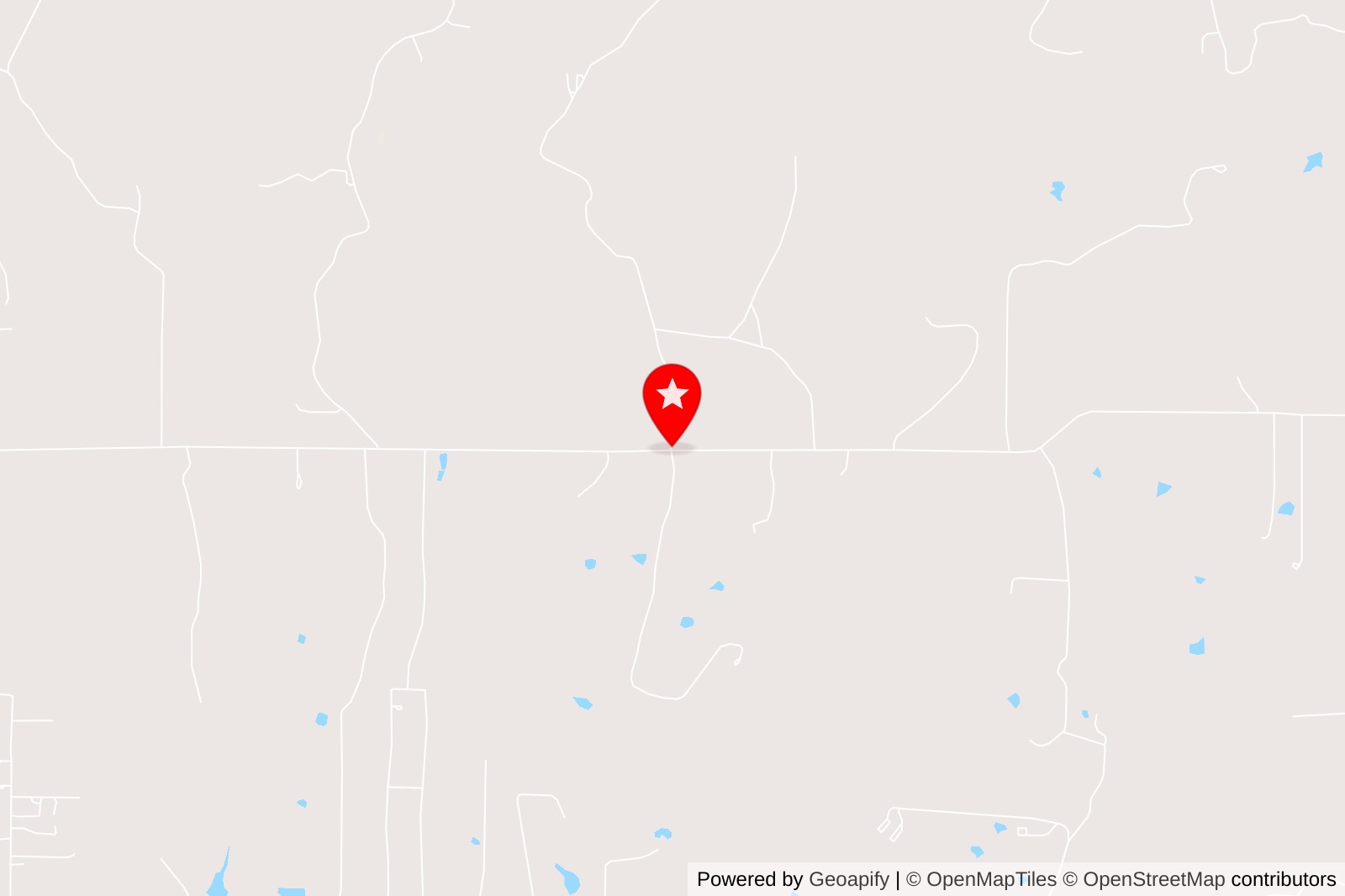
I spent time at Nine Bar Ranch just east of Decatur, and the scale of the property stood out immediately. The ranch covers more than 12,000 acres of rolling North Texas terrain with a mix of open fields, brush, and wooded pockets that hold game well. It sits about 45 miles northwest of the Dallas–Fort Worth area, which makes access straightforward.
Deer hunting drives most of the activity here. I visited during the fall season and saw solid whitetail management, with bucks in the 130–150 class regularly discussed and clearly part of the program. The ranch also offers red deer, fallow deer, and sika, and during the rut the woods carry the distinct vocal sounds of each species.
Dove season opens September 1, and I watched steady flights moving across the fields in the evening. The operation runs in an organized, traditional ranch style, backed by a family with long roots in Texas ranching. Staff handled logistics efficiently, from check-in to guiding, which kept the focus on the hunt.
The property feels large enough to spread hunters out without crowding. I appreciated the balance of open shooting lanes and thicker cover that requires careful glassing and patience.
Rating: 4.9 (39 reviews)
Location: 3695 Co Rd 4010, Decatur, TX 76234
Contact: (940) 393-5853
Website: Visit Website
5) Cotton Mesa Whitetail Hunting Ranch, TX
I recently spent time at Cotton Mesa Whitetail Hunting Ranch near Richland, and the operation runs with clear focus and structure. The property manages its deer herd carefully, and I saw mature bucks with strong genetics throughout the ranch. Guides know the land well and keep hunts organized and efficient.
My guide communicated clearly and set up stands based on wind and movement patterns. We covered feeders, travel corridors, and open lanes that gave me clean shot opportunities. The staff handled logistics smoothly, from check-in to field dressing.
The lodging felt comfortable and practical after a long day outside. Meals were hearty and straightforward, and the atmosphere encouraged conversation among hunters. I noticed many returning guests, which says a lot about consistency and service.
This ranch operates as a managed hunting area rather than open public land. Hunters who want a structured, guided whitetail experience in Central Texas will find a controlled environment with solid deer quality and attentive support.
Rating: 4.7 (52 reviews)
Location: 9066 FM3194, Richland, TX 76693
Contact: (903) 654-3416
Website: Visit Website
Access and Permit Requirements
I always secure the correct permits before stepping onto Texas public land. Texas Parks and Wildlife Department (TPWD) strictly enforces access rules, and wardens regularly check documentation in the field.
Texas Public Hunting Permits
To hunt deer on most public lands in Texas, I carry three items:
- Texas Hunting License
- Applicable Deer Tags
- Annual Public Hunting (APH) Permit
The APH permit allows access to nearly one million acres of public hunting land, including more than 180 designated areas such as Wildlife Management Areas (WMAs), state parks, and leased dove and small game tracts. Resident and non‑resident fees differ, so I confirm current pricing through TPWD before purchasing.
Some WMAs require additional area‑specific permits or participation in drawn hunts. I always review the Public Hunting Lands Map Booklet because it outlines property boundaries, legal entry points, and weapon restrictions.
Certain units limit access to walk‑in only. Others require check‑in and check‑out procedures through an online or on‑site system.
Season Dates and Regulations
Texas divides deer seasons by county and ecological zone. I verify whether the area falls within the North Zone or South Zone, since season dates vary.
Public land seasons are often more restrictive than private land seasons. For example:
- Archery‑only periods may apply.
- Antler restrictions are enforced in many counties.
- Special late or muzzleloader seasons may not apply on some WMAs.
Each WMA can also impose property‑specific rules on bag limits, legal firearms, and hunting methods. Some areas limit harvest to bucks with defined antler characteristics.
I confirm legal shooting hours, tagging procedures, and mandatory harvest reporting before every trip. Regulations change annually, and TPWD publishes updates prior to each season.
Tips for Successful Deer Hunting on Public Land
I focus on preparation, discipline, and awareness when I hunt public ground in Texas. Consistent scouting, strict ethics, and practical safety habits matter more than any single piece of gear.
Scouting Strategies
I start scouting months before season by studying Texas Parks & Wildlife maps, aerial imagery, and on-the-ground access points. I look for overlooked areas such as walk-in zones, thick cover near water, and terrain features that funnel movement.
On public land, pressure shapes deer behavior. I search for:
- Edges of thick bedding cover
- Transition lines between hardwoods and pine or brush
- Creek crossings and narrow ridges
- Areas ½ mile or more from parking lots
I avoid obvious trails near main entrances unless I hunt them midweek.
During preseason, I walk slowly and glass often. I check for fresh tracks, droppings, rubs, and scrapes. I also note hunter sign like flagging tape or worn boot paths so I can adjust my setup.
I place stands or plan ground setups with the wind in mind and always identify quiet access routes. A clean, low-impact entry often matters more than the exact tree I choose.
Ethical Hunting Practices
I follow all Texas regulations, including season dates, bag limits, and county-specific antler restrictions. Public land often has additional rules, so I confirm them before every hunt.
I take only high-percentage shots within my effective range. If I bowhunt, I wait for broadside or slightly quartering-away angles. With a rifle, I confirm a clear background and avoid skyline shots.
Public land requires extra respect for others. I do not crowd another hunter’s setup, and I avoid setting up within sight of someone already in position. If I encounter another hunter, I communicate clearly and move on if necessary.
I recover every deer as quickly as possible. I track carefully, mark last blood, and avoid pushing a wounded animal. Ethical decisions protect the resource and maintain access for everyone.
Safety Considerations
I treat every public land hunt as if another hunter could appear at any moment. I wear the required blaze orange during firearm seasons and make it visible from all directions.
Before daylight, I move slowly and use a headlamp to prevent accidents. I unload firearms when crossing fences, climbing into stands, or navigating obstacles.
Tree stand safety remains non-negotiable. I use a full-body harness and stay clipped in from the ground up. Falls cause more injuries than firearm incidents during deer season.
I also share my hunt plan with someone I trust. I provide the location, access point, and expected return time. Cell service can fail in remote areas, so I prepare as if I may need to self-rescue.