
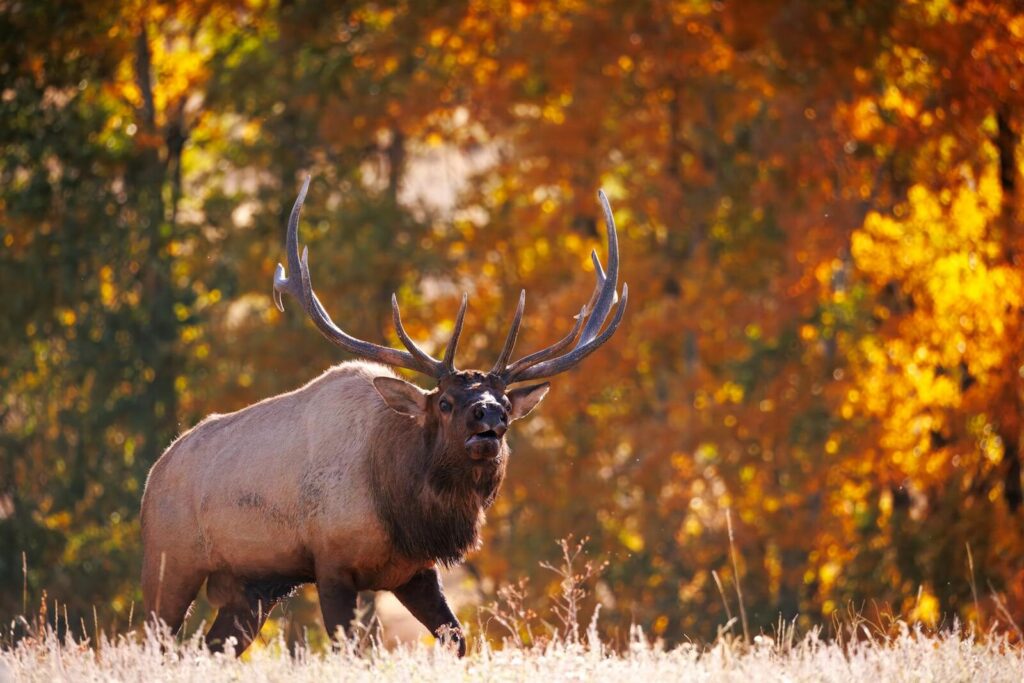
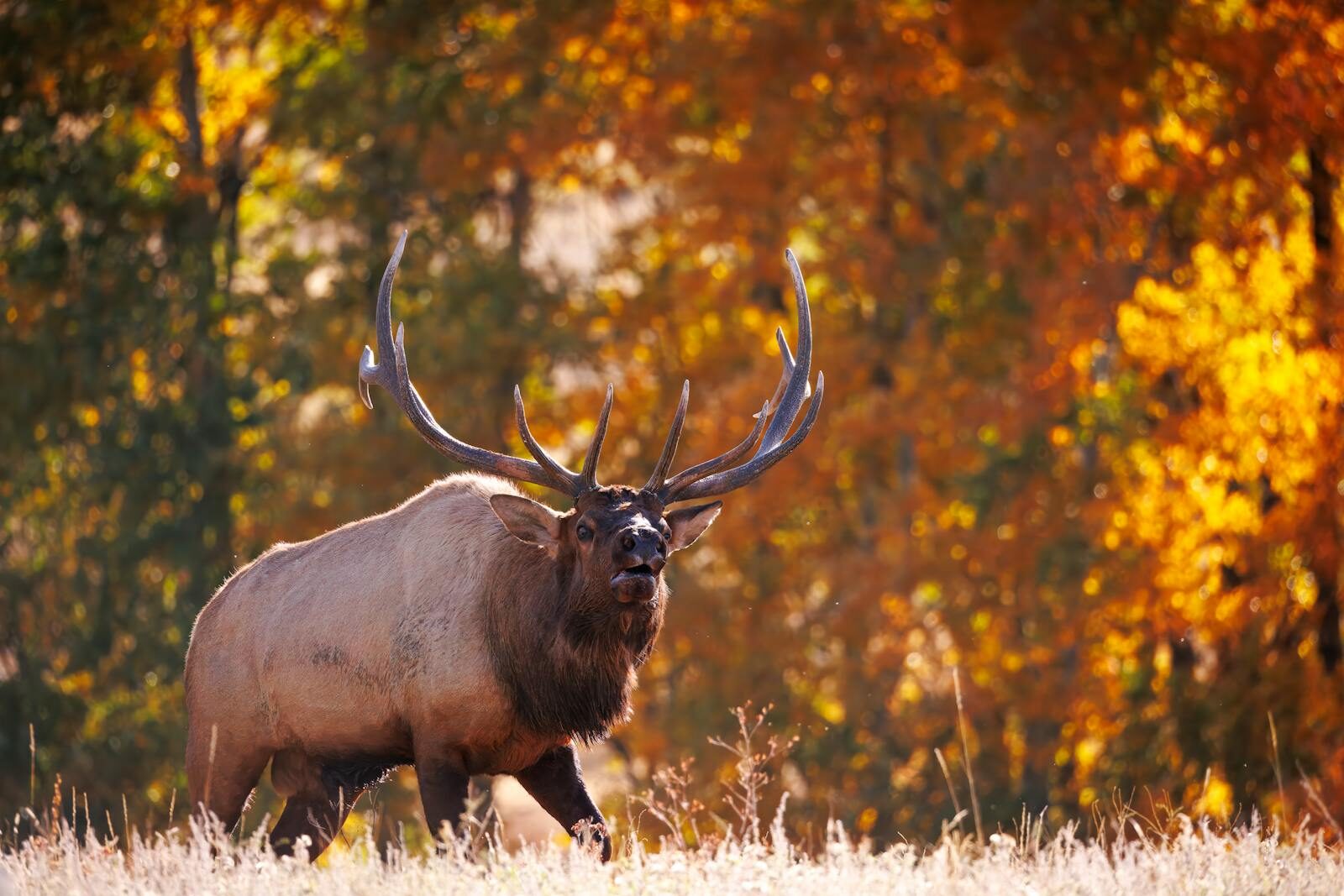
You want an elk hunt that matches your goals, budget, and experience level. From wide public‑land opportunities to tightly managed trophy units, each state offers a different path to success. The best states for elk hunting give you strong herd numbers, fair tag access, and habitat that consistently produces mature bulls.
As you plan your hunt, you need to weigh tag systems, season structure, public access, herd health, and terrain. Some states reward persistence with easier draws and over‑the‑counter tags, while others demand patience but offer higher odds at older age‑class bulls. Understanding these differences helps you choose the state that fits your strategy and expectations.
1) Colorado — Public-land elk herds & OTC/mixed tags
You hunt the largest elk population in the country when you choose Colorado. Colorado Parks and Wildlife estimates the herd at more than 280,000 animals, spread across millions of acres of public and private land, according to Colorado elk statistics from CPW.
You gain access to more than 22 million acres of public hunting land, including National Forest and BLM ground, as outlined in this Colorado elk hunting land access guide. That scale lets you plan true DIY hunts without hiring an outfitter.
You can hunt elk with archery gear, muzzleloaders, or rifles. Colorado also offers a mix of limited draw and over-the-counter opportunities in certain units and seasons, which adds flexibility for non-residents, as explained in this 2026 Colorado elk hunting guide for non-residents.
You must study unit quotas, season dates, and preference points before applying. If you plan carefully, you can build a repeatable strategy that fits your schedule and budget.
2) Montana — Big bulls and long seasons
If you want space to roam and legitimate trophy potential, you should look closely at Montana. The state consistently ranks among the best states for elk hunting because it combines strong herd numbers with large tracts of public land.
You can hunt across national forests, BLM ground, and designated wilderness areas. That access gives you options, whether you prefer backcountry rifle seasons or calling bulls during archery.
Montana also offers long, structured seasons that let you plan around your schedule. You can study current regulations, draw odds, and unit breakdowns through detailed state profiles like this Montana elk hunting 2026 guide before you apply.
Success rates vary by district, terrain, and pressure. In northwest Montana, for example, reported harvest data shows a 17.4 percent success rate in some areas, which you can review in this overview of elk hunting in Montana under Big Sky Country.
If you are willing to hike and adapt to changing weather, Montana gives you both opportunity and the chance to encounter mature bulls.
3) Wyoming — Balanced management & plentiful tags
Wyoming gives you a practical balance of access, herd quality, and tag availability. The state manages elk across mountains, plains, and desert basins, and you can find animals on both public and private land.
According to the Wyoming Game & Fish Department elk overview, elk occupy national forests and Bureau of Land Management ground statewide. That range gives you flexibility when planning a DIY hunt on public land.
You can choose between general and limited quota licenses, with seasons for archery, rifle, and muzzleloader. The state offers multiple weapon options and varied terrain, which lets you match the hunt to your budget and physical ability, as outlined in this Wyoming elk hunting 2026 overview.
Nonresidents must plan ahead. The Wyoming elk application deadline details explain that elk applications are typically due January 31, and you can adjust certain nonresident applications into early May.
If you want a state that balances opportunity with structured management, Wyoming deserves serious consideration.
4) New Mexico — Trophy bull potential on private ground
If you want a realistic shot at a mature bull without building years of preference points, New Mexico deserves your attention. The state does not use a bonus or preference point system, so you start with the same odds each year.
You can pursue elk through the public draw or through private land authorizations under the Elk Private Land Use System (EPLUS). That structure gives landowners incentives to manage habitat while giving you additional access options beyond standard public tags.
Many hunters focus on southern units known for producing older age-class bulls on well-managed ranches. Some outfitters operate on private ground in areas like Unit 37, which is recognized for its world class bulls and limited hunting pressure.
You will find varied terrain, from desert foothills to timbered mountains, and several weapon seasons to match your style. Guides and planning services also track New Mexico elk hunting 2026 draw odds and unit breakdowns to help you choose where to apply.
If you value controlled access, flexible tag options, and legitimate trophy potential, you should place New Mexico high on your list.
5) Utah — Challenging draws, high-quality bulls
You pursue elk in Utah for quality, not convenience. The state is widely recognized as a top destination for trophy-class bulls, especially in limited-entry units that often take years to draw, as noted in this overview of Utah elk hunting 2026.
You face a competitive draw system. Most premium units require bonus points and patience, but they offer realistic opportunities at mature, branch-antlered bulls when you finally secure a tag.
Utah manages elk through limited-entry and general-season structures. According to the Utah elk species profile, limited-entry units provide early archery, early rifle, muzzleloader, and late rifle seasons, giving you options based on your weapon choice and strategy.
You also hunt in varied terrain, from high alpine basins to lower elevation sage and timber. Success depends on scouting, understanding unit-specific regulations, and committing to a long-term draw strategy.
If you value bull age class and structured herd management, Utah rewards patience and preparation.
6) Arizona — Late-season rut hunts for bulls
Arizona gives you a realistic chance at mature bulls, especially if you focus on late rifle seasons. Many hunters concentrate on September, but freezing temperatures in November and December can work in your favor during an Arizona late-season elk hunt.
You will spend more time glassing than calling. Bulls often move into open country after the rut, and you may face longer shots across canyons and plateaus. Several late season rifle elk hunts in AZ balance reasonable draw odds with solid trophy potential.
Unit choice matters. Areas like Arizona Unit 10 consistently produce large bulls and combine strong genetics with accessible terrain. Other units, such as Unit 8 late rifle bull elk, feature steep canyons, high-elevation ponderosa pine, and complex topography that demand careful planning.
You must apply strategically because some tags take years to draw. Review draw odds, season dates, and guided options through resources like Arizona Elk Hunting 2026 before you commit your points.
If you prepare for cold weather, rugged ground, and patient glassing, Arizona rewards you with a legitimate opportunity at a mature bull.
7) Idaho — High elk densities and public access
You gain access to one of the West’s most consistent elk opportunities in Idaho. The state supports more than 120,000 elk across diverse habitats, from sagebrush country to steep mountain basins, according to Idaho Fish and Game elk hunting information. That range lets you choose terrain that fits your experience and physical ability.
You also benefit from exceptional public access. About 63 percent of Idaho is publicly owned, providing more than 21 million acres open to hunters, as outlined in this Idaho hunting land access guide. Large tracts of national forest and wilderness reduce crowding if you are willing to hike.
Expect elk to shift with weather. Early snow can push animals lower, while mild falls often keep them at higher elevations, a pattern noted in Idaho’s Quick Guide to Elk Hunting. You improve your odds by focusing away from roads and motorized trails and by scouting migration routes before the season.
8) Oregon — Rocky Mountain elk strongholds
You can hunt both Rocky Mountain elk and Roosevelt elk in Oregon, but the eastern half of the state holds the strongest concentrations of Rocky Mountain animals. These elk occupy much of central and eastern Oregon, especially in open timber, sagebrush breaks, and agricultural edges.
The Blue Mountains remain a consistent producer of mature bulls. Steens Mountain and other southeastern units also give you room to cover ground and glass large expanses.
Oregon manages for broad opportunity across much of the state, with limited trophy-focused units available for both species, as outlined in the state’s Oregon Elk Hunting 2026 overview. You can apply for controlled hunts or pursue general season options in select areas, depending on the unit and weapon choice.
Western Oregon primarily holds Roosevelt elk in the Coast and Cascade ranges, while Rocky Mountain elk dominate the interior. This split lets you choose terrain and hunting style that fit your experience and goals.
9) Nevada — Growing herds with less pressure
Nevada offers limited elk tags, but you gain access to expanding herds and lighter hunting pressure in many units. The state manages elk carefully, which keeps age structure strong and supports steady growth in several areas.
You must apply through a draw system, and nonresident tags remain difficult to secure. However, lower tag numbers often translate into quieter hunts and better bull-to-cow ratios once you draw.
Recent quota approvals show controlled opportunity, including thousands of combined bull, spike, and cow tags in certain seasons, as outlined by the Nevada Board of Wildlife Commission tag quotas. Nevada adjusts antlered and antlerless quotas to meet population objectives, according to the Nevada Department of Wildlife Big Game Status report.
You will hunt in arid basins, mountain ranges, and remote public land. Conditions demand preparation, but the terrain spreads hunters out and reduces crowding.
If you want a Western elk hunt with less competition and strong management oversight, Nevada gives you a realistic path once you commit to the draw process.
10) South Dakota — Accessible units and year-round populations
You can hunt elk in South Dakota primarily in the Black Hills, where the state manages a stable, year-round herd. The Black Hills support more than 6,000 Rocky Mountain elk, according to the South Dakota Game, Fish, and Parks elk page. Smaller groups also live in scattered prairie units.
You must be a resident to apply for and receive an elk license. That residency requirement limits pressure and gives local hunters a realistic chance to draw, especially compared to high-demand Western states.
The state uses regulated seasons to manage herd size and habitat conditions. The South Dakota Wildlife Report on elk management outlines how seasons help balance ecological and social factors while maintaining opportunity.
You will find a mix of forested hills, open parks, and private land interfaces in the Black Hills. Road access and defined units make navigation straightforward, but you still need to plan for elevation changes and variable weather during the fall seasons.
Key Habitat Features That Support Thriving Elk Populations
Healthy elk herds depend on specific combinations of climate, elevation, accessible land, and reliable forage. When you understand how these factors work together, you can narrow your focus to areas that consistently hold elk instead of scouting blindly.
Climate and Elevation Considerations
Elk thrive in regions with distinct seasonal patterns and moderate to cold winters. You will find the highest concentrations in mountainous states where summer temperatures stay mild at elevation and snowpack pushes herds into lower ranges during winter.
In much of the Rockies, elk spend summer between 7,000 and 10,000 feet, then migrate downslope as snow deepens. Deep snow limits movement and concentrates animals along south-facing slopes, benches, and lower timber where feed remains accessible.
Look for areas with:
- Reliable winter snow that drives migration
- Cool summer temperatures that reduce heat stress
- Elevation gradients that allow seasonal movement
States highlighted in guides to the best states for elk hunting typically combine high mountain terrain with large transition zones between alpine basins and lower foothills. Those transition corridors often produce consistent elk activity during archery and rifle seasons.
Public Land Access
Large blocks of public land support sustainable elk populations and give you room to adapt to pressure. Elk require expansive home ranges, especially in migratory herds, and fragmented landscapes limit herd growth and movement.
Western states dominate elk opportunity because they contain extensive federal lands managed by the U.S. Forest Service and Bureau of Land Management. Reviews of the best states for elk hunting in the West consistently emphasize states with millions of acres of huntable ground.
When evaluating access, focus on:
- Contiguous acreage, not scattered parcels
- Road density and motorized restrictions
- Wilderness or backcountry designations
Lower road density often correlates with older age-class bulls. If you are willing to hike beyond vehicle access, you reduce competition and increase your odds of finding undisturbed elk.
Vegetation and Forage Quality
Elk require a mix of grasses, forbs, shrubs, and timber cover. They feed heavily on grasses and forbs in spring and summer, then shift toward woody browse as conditions dry or freeze.
Productive habitat usually includes:
| Habitat Element | Why It Matters |
|---|---|
| Open meadows | High-protein summer forage |
| Aspen and mixed timber | Bedding cover and thermal protection |
| Burn areas | Nutrient-rich regrowth |
| Edge habitat | Easy movement between feed and cover |
States with strong herd numbers often manage forests to maintain this balance. For example, Idaho supports elk across diverse terrain, from dense forest to open mountain basins, under active wildlife management described in discussions of the best states for elk hunting by population and land access.
When you identify areas that combine quality forage, secure bedding cover, and nearby water, you position yourself where elk can meet daily needs within a compact range.
Essential Regulations and Permits for Out-of-State Hunters
You must secure the correct licenses, apply on time, and meet hunter education standards before you step into elk country. States enforce strict draw systems and documentation requirements, and they deny applications that miss deadlines or contain errors.
Application Processes
You must purchase a nonresident hunting license before you apply for most elk tags. States such as Colorado, Montana, and Wyoming require you to create an online account through their wildlife agency portal and submit applications during a fixed window, often between January and April.
Many western states run limited application periods. For example, guides that track the best states for elk hunting also outline draw deadlines, which often close months before the fall season.
You typically must:
- Select a specific hunt unit or district
- Choose weapon type (archery, muzzleloader, rifle)
- Pay application and processing fees upfront
Some states require you to front the full tag cost, then refund unsuccessful applicants minus administrative fees. Review regulations line by line before submitting because you cannot edit most applications after the deadline.
Tag Availability and Lottery Systems
Most elk hunts for nonresidents operate under a lottery or draw system. States cap nonresident tag quotas, often limiting them to a set percentage of total licenses.
Colorado manages elk permits through a preference point system and strict district quotas. The state hosts one of the largest elk populations in North America and issues hundreds of thousands of licenses annually, as noted in this overview of Colorado hunting regulations and elk access.
Other states, including Montana and Wyoming, use bonus or preference points that increase your odds over time but never guarantee a tag. You must track:
- Point accumulation rules
- Nonresident quotas
- Refund policies
- Leftover or over-the-counter options
Some states offer general elk tags with unlimited or higher quotas, while premium trophy units may require years of points. Plan your strategy based on your timeline and budget.
Hunter Education Requirements
You must carry proof of hunter education certification in nearly every elk hunting state if you were born after a specific year, often between 1966 and 1975 depending on the state.
Many states honor certifications from other jurisdictions, but they require an official card or digital record. Before traveling, confirm requirements through updated summaries of hunting laws by state and permit rules.
In addition to basic hunter education, some states require:
- Archery certification for bow-only units
- Conservation stamps
- Habitat or access validation permits
Failure to present documentation can result in citations, revoked tags, or removal from the field. Keep digital and physical copies of all licenses, carcass tags, and education credentials on your person while hunting.