
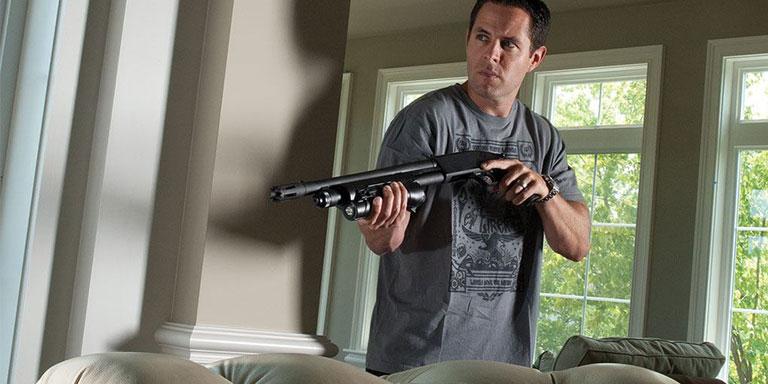
12 Gauge vs 20 Gauge for Home Defense: Which One Makes More Sense?

When it comes to home defense, shotguns are often at the top of the list—and for good reason. They’re reliable, powerful, and effective at close range. But one question always comes up: should you go with a 12 gauge or a 20 gauge?
Both are capable. Both can be effective in a defensive situation. But they’re not identical, and the right choice depends on recoil, control, and how you actually plan to use the firearm.
The 12 Gauge Sets the Standard for Power
The 12 gauge is the most common shotgun used for home defense. It offers a wide range of ammunition options, including buckshot and slugs, and delivers significant stopping power.
Because of its larger payload, the 12 gauge typically fires more pellets with greater energy. That translates to strong terminal performance at close distances—exactly where most home defense situations occur.
It’s also widely available. According to manufacturing and market data from Remington Arms, the 12 gauge remains one of the most produced and widely supported shotgun platforms in the United States.
The 20 Gauge Offers Control and Manageability
The 20 gauge is often overlooked, but it brings some serious advantages—especially for home defense.
The biggest one is reduced recoil.
Compared to a 12 gauge, the 20 gauge produces noticeably less kick, making it easier to control, faster to get back on target, and more approachable for smaller or less experienced shooters.
According to performance comparisons referenced by Federal Premium Ammunition, modern 20 gauge defensive loads still deliver effective performance at close range, even with a lighter payload.
That balance of power and control makes it a strong option for many households.
Recoil Is the Biggest Deciding Factor
If there’s one factor that separates these two gauges, it’s recoil.
The 12 gauge has more power—but it also has more kick. For experienced shooters, that may not be an issue. But under stress, heavy recoil can slow follow-up shots and reduce accuracy.
The 20 gauge, on the other hand, is easier to manage. Less recoil means:
- Faster follow-up shots
- Better control in tight spaces
- More confidence for newer shooters
In a home defense scenario, control often matters more than raw power.
Shot Placement Matters More Than Gauge
One of the biggest misconceptions about shotguns is that you don’t need to aim.
That’s not true.
At typical home defense distances, the spread of a shotgun is minimal. Whether you’re using a 12 or 20 gauge, you still need to aim and make accurate shots.
According to safety and training guidance from the National Shooting Sports Foundation, shot placement is the most critical factor in any defensive situation.
A well-placed shot from a 20 gauge is far more effective than a poorly placed shot from a 12 gauge.
Ammunition Options Are Strong for Both
The 12 gauge has more variety overall, including a wider range of buckshot and specialty loads.
However, 20 gauge defensive ammunition has improved significantly in recent years. Options like buckshot and defensive loads are widely available and designed specifically for personal protection.
While the 12 gauge still leads in variety, the gap between the two is smaller than it used to be.
Size and Handling Matter Indoors
Home defense doesn’t happen in wide-open spaces—it happens in tight hallways, doorways, and rooms.
A lighter, easier-to-handle shotgun can make a big difference.
20 gauge shotguns are often:
- Lighter
- Shorter
- Easier to maneuver
That can be a major advantage when moving through confined spaces or maintaining control under pressure.
Overpenetration Is a Consideration for Both
Both 12 and 20 gauge shotguns can penetrate walls, especially with buckshot or slugs.
That means knowing your target and what’s beyond it is critical.
While some lighter loads may reduce penetration slightly, neither gauge eliminates the risk entirely. Responsible use and awareness are essential regardless of your choice.
So Which One Should You Choose?
If you prioritize maximum power, wide ammunition selection, and don’t mind heavier recoil, the 12 gauge is a proven and effective choice.
If you value control, reduced recoil, and ease of use—especially for newer or smaller shooters—the 20 gauge may actually be the better option.
The Bottom Line
Both the 12 gauge and 20 gauge are capable home defense tools.
The best choice isn’t about which one is more powerful—it’s about which one you can handle confidently, shoot accurately, and control under stress.
At the end of the day, the right shotgun is the one you can use effectively when it matters most.