
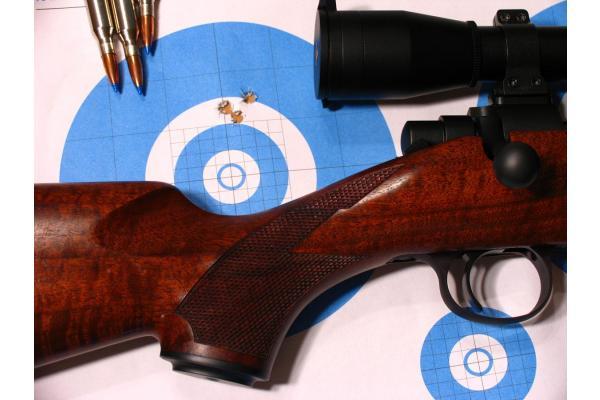
Why Cheap Ammo Can Hurt Performance

Everyone likes saving money—especially when you’re burning through ammo at the range or stocking up for hunting season. But when it comes to performance, cheaper ammunition can come with trade-offs that many shooters don’t fully realize until it starts affecting their accuracy, reliability, or results in the field.
Not all budget ammo is bad. But understanding where corners are often cut can help you decide when it’s worth saving—and when it’s not.
Inconsistent Powder Loads Lead to Inconsistent Shots
One of the biggest issues with lower-cost ammunition is inconsistency in powder charges.
Even small variations in powder can cause changes in velocity from shot to shot. That leads to:
- Vertical stringing on targets
- Unpredictable bullet drop
- Inconsistent impact points
According to manufacturing and ballistic insights from the SAAMI, consistency in internal ballistics is critical for maintaining accuracy.
Premium ammo is typically held to tighter tolerances, while cheaper ammo may have more variation between rounds.
Lower-Quality Components Affect Reliability
Budget ammunition often uses lower-cost components, including primers, brass, and bullets.
This can result in:
- Hard primers that don’t ignite consistently
- Lower-quality brass that doesn’t seal properly
- Bullets with less uniform shape or weight
These factors can lead to misfires, failures to feed, or inconsistent performance—especially in semi-automatic firearms.
According to performance testing and manufacturing standards referenced by the Federal Premium Ammunition, high-quality components play a major role in reliability and consistent ignition.
Accuracy Suffers More Than Most People Expect
If you’ve ever shot tight groups with one box of ammo and then watched your group open up with another, ammo quality is often the reason.
Cheaper ammo can produce:
- Larger group sizes
- Flyers that don’t match the rest of your shots
- Reduced confidence in your setup
This matters even more in hunting scenarios, where precision is critical. A small difference at the range can turn into a missed opportunity—or worse—an unethical shot in the field.
Bullet Construction Impacts Terminal Performance
For hunting and self-defense, it’s not just about hitting the target—it’s about what happens after impact.
Lower-cost ammunition often uses simpler bullet designs that may not expand or penetrate as consistently.
According to ballistic data from Nosler Inc., bullet construction plays a major role in how energy is transferred and how effectively a round performs on game.
A poorly constructed bullet can:
- Fail to expand
- Over-penetrate
- Deliver inconsistent results
That’s not something you want to gamble on when it matters most.
Dirty Ammo Can Affect Your Firearm Over Time
Another downside of cheaper ammo is that it often burns dirtier.
Lower-quality powder and primers can leave more residue in your barrel and action, leading to:
- Increased fouling
- More frequent cleaning
- Potential reliability issues over time
While this might not show up immediately, it can affect long-term performance—especially if you’re running a high volume of rounds.
When Cheap Ammo Is Actually Fine
Not every situation requires premium ammunition.
Budget ammo can be perfectly acceptable for:
- Casual range practice
- Breaking in a firearm
- High-volume shooting sessions
The key is understanding its limitations. It’s great for practice—but it may not reflect how your rifle or handgun will perform with higher-quality loads.
Why You Should Match Ammo to Purpose
The biggest mistake shooters make is using the same ammo for everything.
For example:
- Practice ammo → cheaper, high volume
- Hunting or defense ammo → premium, reliable
According to guidance from the National Shooting Sports Foundation, shooters should always verify performance with their intended use ammunition to ensure accuracy and reliability.
The Bottom Line
Cheap ammo can save you money—but it can also cost you performance.
Inconsistent loads, lower-quality components, and reduced accuracy all add up, especially when precision matters. While budget ammo has its place, it shouldn’t be what you rely on when the shot counts.
If you want the best results, use cheaper ammo for practice—but always confirm your setup and hunt with something you trust.
At the end of the day, confidence comes from consistency—and that’s something cheap ammo doesn’t always deliver.