
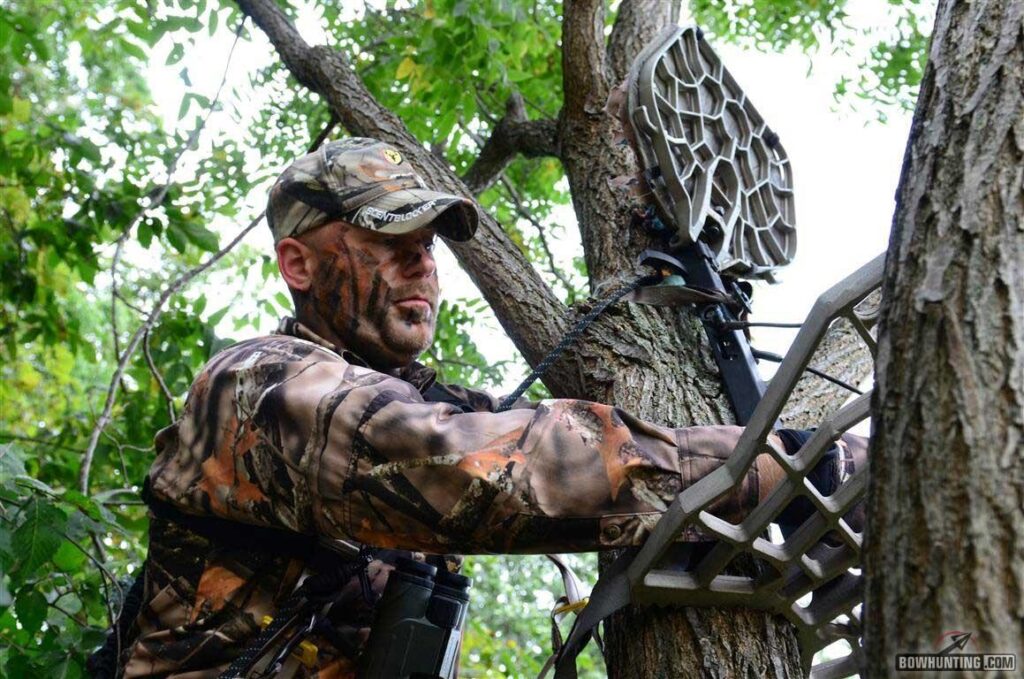
Ready to Increase The Challenge of Hunting? Here is Your Guide to Start Bow Hunting.

Bowhunting is one of the most rewarding—and challenging—ways to hunt. It forces you to slow down, get closer to your target, and rely on precision instead of distance. For many hunters, it’s not just a method—it’s a completely different experience.
But getting started can feel overwhelming if you don’t know where to begin.
The good news is, you don’t need to overcomplicate it. Like anything else, it starts with the basics.
Choose the Right Bow for You
The first step is picking a bow that fits you—not just one that looks good or comes highly recommended.
Most beginners start with a compound bow because it:
- Reduces holding weight at full draw
- Offers more forgiveness
- Is easier to learn
Make sure the bow is properly fitted for:
- Draw length
- Draw weight
- Overall comfort
According to the Archery Trade Association, proper fit is one of the most important factors in developing good shooting habits early.
Starting with too much draw weight is one of the biggest mistakes beginners make.
Keep Your Setup Simple
You don’t need every accessory on day one.
A basic setup should include:
- A properly fitted bow
- Arrows matched to your setup
- A simple sight
- A release aid
- A quiver
As you gain experience, you can upgrade or add gear—but starting simple helps you focus on fundamentals.
Learn Proper Shooting Form
Form matters more than anything else in archery.
Focus on:
- Consistent anchor point
- Smooth draw
- Controlled release
- Follow-through
Unlike firearms, small mistakes in form can have a big impact on accuracy.
According to training guidance from the USA Archery, repetition and consistency are key to building accuracy and confidence.
Practice—A Lot
Bowhunting requires close-range accuracy, which only comes with practice.
Start at short distances—10 to 20 yards—and focus on:
- Tight groupings
- Consistency
- Shot control
Gradually increase distance as your confidence improves.
Practice from realistic positions:
- Standing
- Kneeling
- Elevated (if you plan to hunt from a stand)
Understand Effective Range
One of the biggest differences between bowhunting and rifle hunting is distance.
Most ethical bow shots are taken within:
- 20 to 40 yards
According to recommendations from the National Deer Association, limiting shots to effective range is critical for clean, ethical harvests.
Getting closer is part of the challenge—and the reward.
Learn Shot Placement
With a bow, shot placement is everything.
Focus on vital areas and understand angles before ever heading into the field.
Poor shot placement can lead to:
- Lost animals
- Long tracking jobs
- Unnecessary suffering
Take the time to study anatomy and practice aiming for specific points—not just “the general area.”
Get Comfortable in the Woods
Bowhunting isn’t just about shooting—it’s about getting close.
That means:
- Playing the wind
- Moving quietly
- Understanding animal behavior
You’ll need to get much closer than you would with a rifle, which requires patience and awareness.
Choose Your Hunting Style
There are two main approaches:
- Tree stand hunting
- Spot-and-stalk hunting
Tree stands are common for beginners because they:
- Improve visibility
- Help manage scent
- Keep you above the animal’s line of sight
Spot-and-stalk requires more movement and experience but can be just as effective.
Know the Regulations
Before you hunt, make sure you understand local laws.
Requirements often include:
- Archery-specific seasons
- Equipment restrictions
- Hunter education courses
According to the Texas Parks and Wildlife Department, regulations vary by state and must be followed closely.
Stay Patient and Keep Learning
Bowhunting has a steep learning curve.
You will:
- Miss opportunities
- Make mistakes
- Learn through experience
That’s part of the process.
The key is to stay patient and keep improving.
The Bottom Line
Starting bowhunting doesn’t require the best gear—it requires commitment to learning the basics.
Focus on:
- Proper setup
- Consistent practice
- Ethical shot placement
- Understanding the hunt
Everything else will come with time.
Because in bowhunting, success isn’t just about the harvest—it’s about earning every step that leads up to it.