
Chupacabra or Mangy Coyote? The Truth Behind the Mystery Creatures

Every few years, the photos resurface.
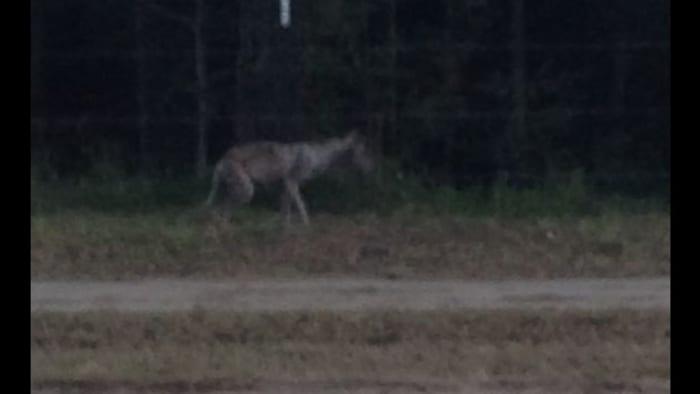
A strange, hairless creature. Gray skin stretched tight over bone. Long snout. Hollow eyes. Something that doesn’t quite look like anything people recognize—and that’s exactly why the rumors start.
“It’s a chupacabra.”
The legend has been around for decades, especially in Texas and the southern United States. But when you strip away the stories and look at the evidence, a different explanation starts to take shape.
Not a mythical predator.
Just a very sick one.
Where the Chupacabra Legend Comes From
The word “chupacabra” literally means “goat sucker,” a name that originated in Puerto Rico in the 1990s after reports of livestock found dead under mysterious circumstances. According to historical accounts compiled by the Smithsonian Magazine, early descriptions of the creature were wildly different from what people report today—often involving reptilian features, spines, and glowing red eyes.
But as sightings spread into the United States, especially Texas, the descriptions changed.
Less monster.
More mammal.
The Reality Behind the Sightings
Most modern “chupacabra” sightings involve animals that look like canines—elongated snouts, visible teeth, and body structures consistent with coyotes or dogs. The major difference is their appearance.
They look… wrong.
That’s where mange comes in.
According to the Texas Parks and Wildlife Department, mange is a skin disease caused by microscopic mites that burrow into an animal’s skin. It leads to hair loss, thickened skin, and severe irritation. In advanced cases, animals lose nearly all their fur and appear skeletal due to malnutrition and infection.
In other words, they start to look exactly like the creatures people describe.
Why Mangy Coyotes Look So Disturbing
A healthy coyote is a sleek, well-adapted predator. But a coyote suffering from severe mange looks completely different.
Hair loss exposes dark, leathery skin. The body appears thin and elongated. The tail loses its bushy shape. Movement can become erratic or slow due to weakness.
According to wildlife disease research cited by the U.S. Fish and Wildlife Service, mange can drastically alter an animal’s behavior as well. Infected coyotes may become more active during the day, less cautious around humans, and more desperate for food.
That combination—strange appearance and unusual behavior—is exactly what fuels sightings.
The Texas “Chupacabra” Cases
Some of the most famous “chupacabra” cases have come out of Texas, where several animals were captured or killed and later tested.
In multiple instances, DNA testing confirmed the animals were coyotes, dogs, or coyote-dog hybrids suffering from mange. According to investigations referenced by the Texas Parks and Wildlife Department, there has been no verified biological evidence of an unknown species matching the chupacabra description.
That hasn’t stopped the stories.
But it does explain the photos.
Why the Myth Keeps Coming Back
Even with scientific explanations, the chupacabra legend hasn’t gone away.
Part of that comes down to how people process what they see. When something doesn’t match expectations, the mind fills in the gaps. A hairless predator with visible ribs and glowing eyes under a flashlight beam doesn’t look like a normal coyote.
It looks like something else.
According to analysis of folklore and wildlife misidentification by Smithsonian Magazine, many cryptid sightings throughout history can be traced back to known animals seen under unusual conditions—disease, lighting, distance, or stress.
The chupacabra fits that pattern almost perfectly.
The Behavior Factor
There’s another piece that adds to the mystery—livestock deaths.
Coyotes are opportunistic predators and scavengers. According to the U.S. Department of Agriculture, they are responsible for significant livestock losses each year, particularly involving smaller animals like goats and poultry.
When a mangy coyote attacks livestock, it may not feed normally due to its condition, leaving behind carcasses that appear partially untouched. That can make the situation seem more unusual than it actually is.
What Hunters and Landowners Should Know
For hunters and rural landowners, the takeaway isn’t about myths—it’s about awareness.
Mangy coyotes are more likely to:
- Approach human areas
- Be active during daylight
- Appear aggressive or disoriented
While they are typically not a direct threat to humans, their behavior can be unpredictable.
According to guidance from the Texas Parks and Wildlife Department, sightings of severely diseased wildlife should be reported, especially if animals are acting abnormally.
The Bottom Line
The chupacabra makes for a great story.
But the truth is far less mysterious—and far more grounded in reality.
Most sightings can be traced back to coyotes suffering from severe mange, a disease that transforms one of North America’s most recognizable predators into something almost unrecognizable.
It’s not a monster.
It’s a reminder of how quickly nature can change an animal—and how easily perception can turn the familiar into something unknown.