
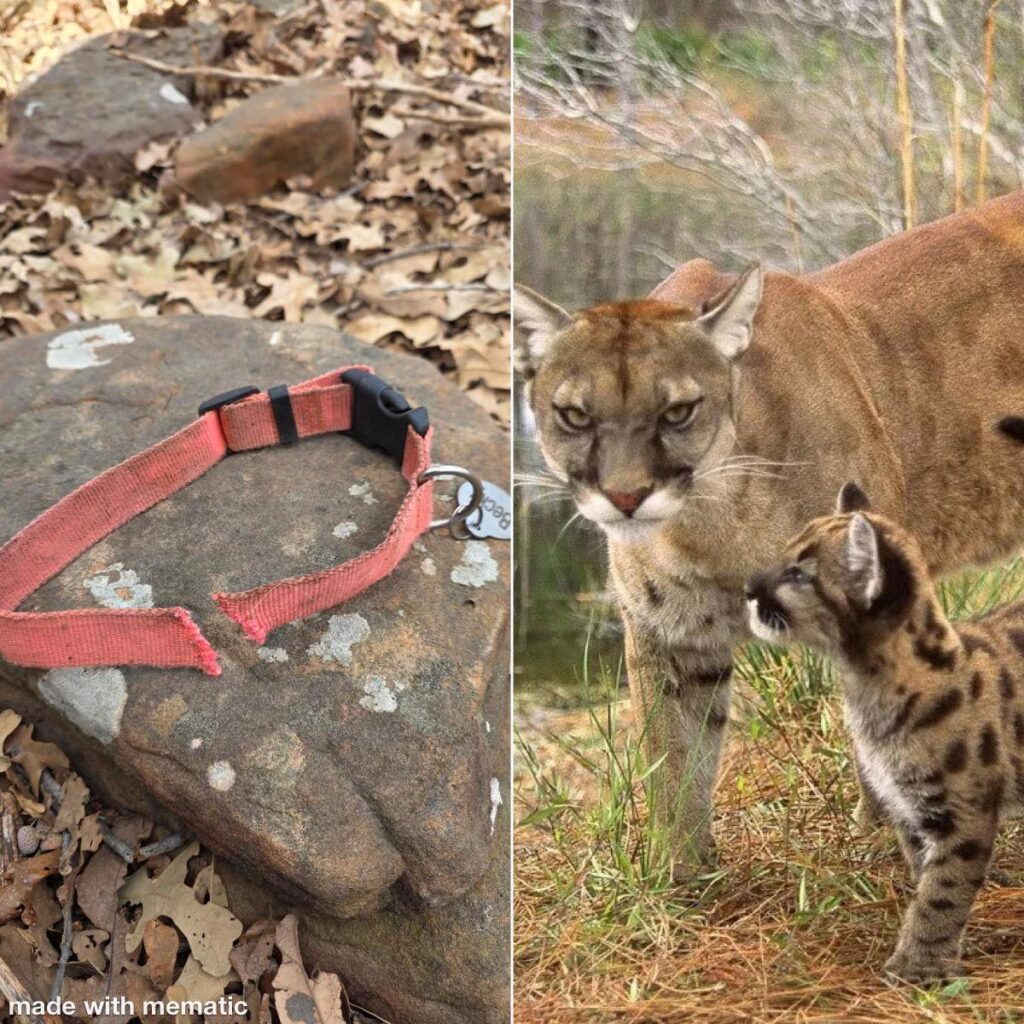
Mountain Lions Kill Two Dogs Near Bus Stop—Montana Officials Forced to Put Mom and 3 Kittens Down
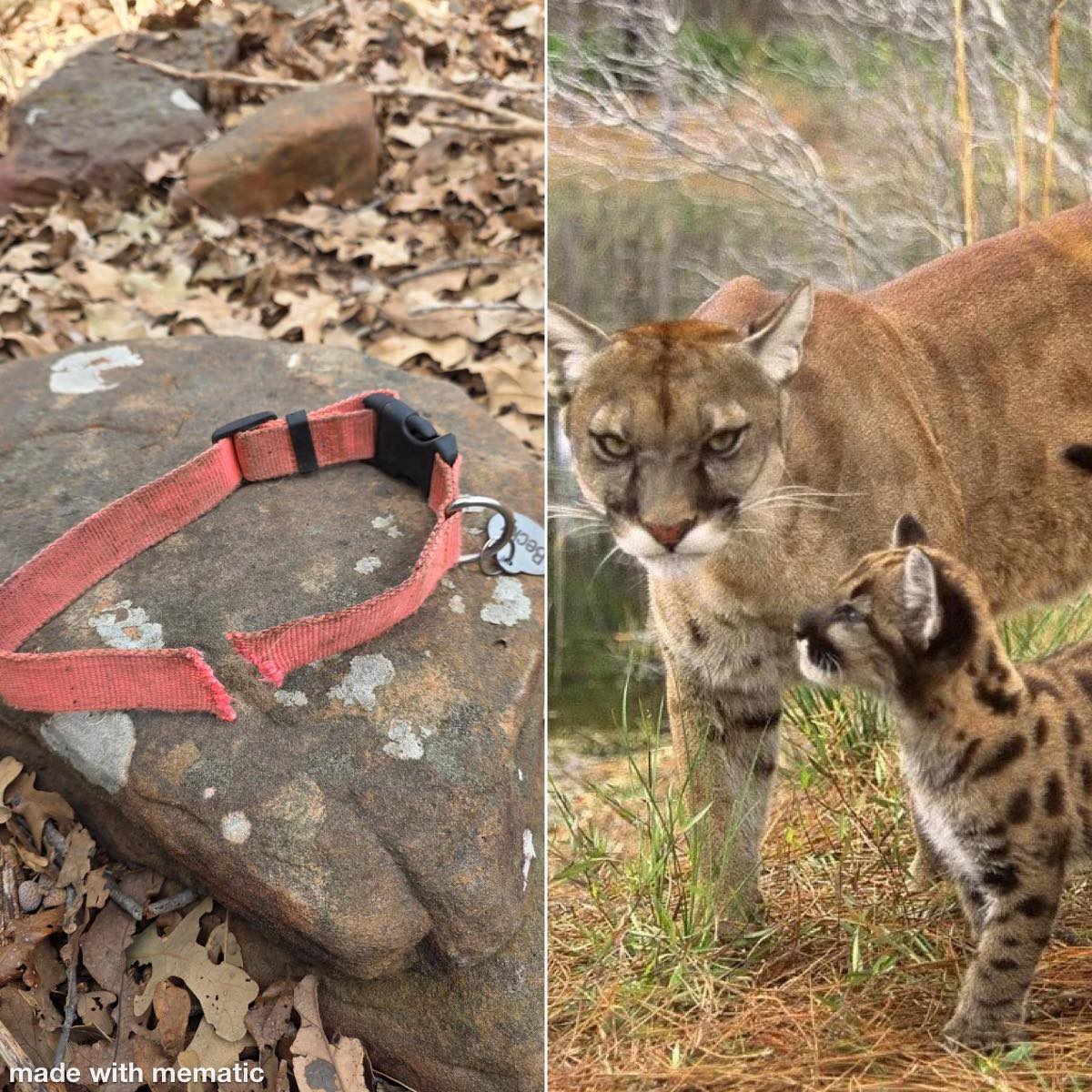
A series of predator attacks in western Montana escalated quickly—and ended with wildlife officials making a difficult but decisive call.
Near the Grant Creek area outside Missoula, a mountain lion and her kittens moved into a residential zone and killed two domestic dogs in separate incidents. The attacks happened near a school bus stop used by local children, raising immediate safety concerns.
According to Montana Fish, Wildlife & Parks, wardens responded to the situation as an active public safety issue, not just a wildlife sighting.
First Kill Raises Red Flags
The situation began when officials received reports that a mountain lion had killed a 35-pound dog in the Grant Creek area.
Investigating the scene, wardens determined that a female mountain lion was in the area with three kittens. The presence of young lions suggested the animals were actively hunting and likely to remain nearby, especially if food sources were available.
Wildlife officials often view repeat predator activity in residential zones as a sign that animals have become comfortable operating near people—a serious concern when homes, pets, and children are nearby.
Initial Response Targets the Litter
According to Montana Fish, Wildlife & Parks, wardens located the site of the first kill and took action by removing two of the kittens. They then remained near the cached dog—hoping the adult female and the remaining kitten would return.
This type of approach is standard in predator management. When a lion makes a kill, it often returns to feed, giving officials a chance to locate and address the threat.
But before that could happen, the situation escalated.
Second Attack Confirms Immediate Threat
Before the adult lion returned to the original kill, another report came in.
A second dog had been killed and partially consumed nearby.
This confirmed what wardens were concerned about—the lions were actively hunting in a residential area and were not moving on.
At that point, the situation shifted from concerning to urgent.
Final Encounter Ends the Threat
Wardens tracked the remaining lions and located them feeding on the second dog.
According to Montana Fish, Wildlife & Parks, the adult female and the last remaining kitten were killed at that location.
The decision was made based on immediate risk to public safety, particularly given how close the attacks occurred to a school bus stop where children regularly gather.
Why Relocation Was Not an Option
Whenever predators enter developed areas, relocation is often suggested as an alternative to lethal removal.
But in cases like this, wildlife officials say relocation isn’t always effective.
According to Montana Fish, Wildlife & Parks, mountain lions that have already preyed on domestic animals and operated in close proximity to humans are more likely to repeat that behavior—even if moved.
Relocated lions can:
- Return to the same area
- Target livestock or pets elsewhere
- Struggle to establish territory and create new conflicts
Because of those risks, relocation is typically reserved for situations where the animal has not shown repeated predatory behavior in residential settings.
The Reality of Living With Predators
Montana is home to a healthy population of large predators, including mountain lions.
Encounters are rare—but they do happen, especially as development expands into wildlife habitat.
According to U.S. Fish and Wildlife Service, large carnivores like mountain lions play an important role in ecosystems, but they can also create conflicts when they overlap with human populations.
In this case, that overlap happened in a place where the stakes were high.
Public Safety Takes Priority
Officials made it clear that the proximity to a school bus stop played a major role in their decision-making.
When predators begin killing animals near areas used by children, the margin for error disappears.
Wildlife management decisions often involve balancing conservation with safety—but when human risk increases, the priority shifts quickly.
A Difficult but Clear Outcome
The incident has sparked discussion about predator management, especially among those who value wildlife conservation.
Many support the protection of large predators. But situations like this highlight the complexity of that balance.
Predators can be admired—from a distance.
But when they begin killing pets near homes and gathering places for children, the situation changes.
The Bottom Line
According to Montana Fish, Wildlife & Parks, the decision to remove the mountain lion and her remaining kitten was based on repeated predatory behavior and immediate risk to the community.
Two dogs were killed. The attacks occurred near a school bus stop. And the lions showed no signs of leaving the area.
It’s a reminder of a reality many rural communities understand well:
Living alongside predators comes with responsibility—and sometimes, hard decisions.