
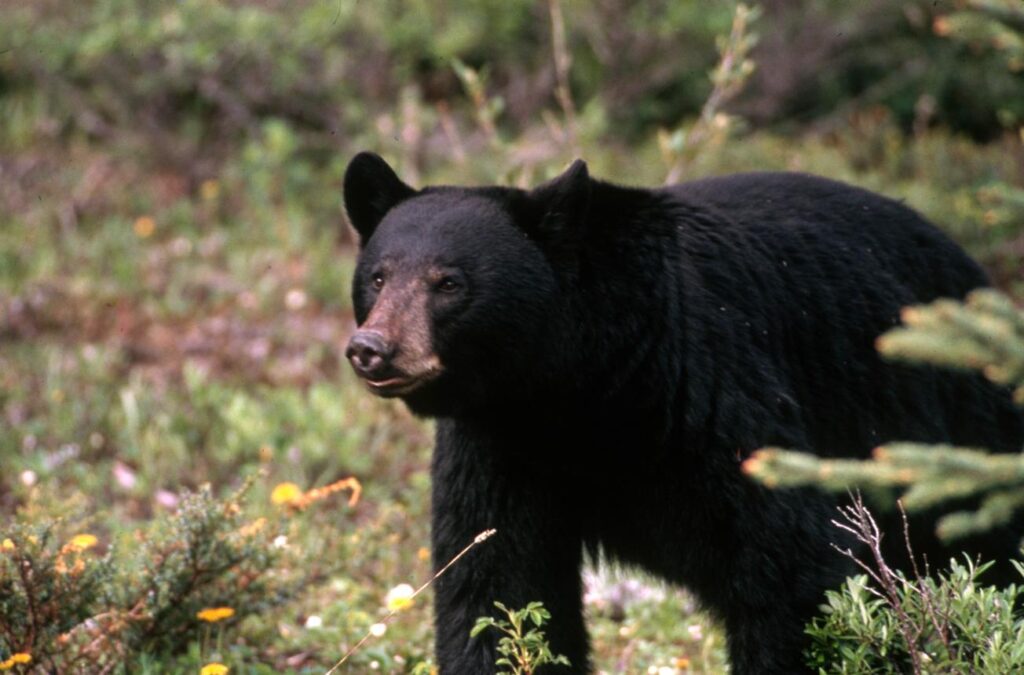
Wildlife Officers Investigate Illegal Bear Kill

Wildlife officers are investigating what authorities believe may be an illegal bear killing, adding to growing concerns about poaching and unlawful wildlife activity in bear country.
According to state wildlife officials, investigators were called after reports surfaced of a dead bear found under suspicious circumstances. Early information suggests the animal may have been taken illegally, though officials say the investigation remains active.
Discovery Raises Immediate Questions
Cases involving bears often draw significant attention because of the strict regulations surrounding harvest seasons and tagging requirements.
According to the U.S. Fish and Wildlife Service, bear populations in many states are carefully managed through regulated hunting seasons designed to maintain healthy populations while preventing overharvest.
When a bear is found outside legal hunting guidelines—or under suspicious conditions—it often triggers a detailed investigation.
Wildlife officers typically examine:
- Time and location of death
- Signs of legal harvest or tagging
- Ballistics or weapon evidence
- Witness reports or nearby activity
Why Illegal Bear Kills Are Taken Seriously
For wildlife agencies, illegal bear kills are not treated as minor violations.
According to the Association of Fish and Wildlife Agencies, large predators and game animals are public resources managed for long-term sustainability.
Illegal harvest affects:
- Wildlife population management
- Hunting quotas
- Conservation funding
- Public trust in ethical hunting
Many hunters also view poaching as theft from the outdoor community.
Wildlife Officers Increasing Enforcement
State wildlife officers have expanded investigative tools dramatically in recent years.
Today, investigations often include:
- Trail cameras
- Ballistics evidence
- Cell phone data
- Anonymous tip hotlines
- GPS and location tracking
According to many state wildlife agencies, tips from hunters and local residents frequently play a major role in solving wildlife crimes.
In some cases, poaching investigations have taken months before charges were filed.
Ethical Hunters Usually Support Enforcement
While hunting often comes under scrutiny from non-hunters, most legal hunters strongly support cracking down on illegal activity.
Ethical hunters:
- Follow seasons
- Purchase licenses
- Tag harvested animals legally
- Respect harvest limits
Illegal kills hurt the reputation of hunting and undermine conservation efforts supported by sportsmen.
According to the Boone and Crockett Club, ethical hunting and fair chase remain central to wildlife conservation in North America.
What Happens if Charges Are Filed?
If investigators determine laws were violated, penalties can become severe.
Depending on the state and circumstances, consequences may include:
- Large fines
- Loss of hunting privileges
- Equipment confiscation
- Criminal charges
- Wildlife restitution payments
Some states participate in interstate wildlife violator compacts, meaning suspended hunting privileges in one state may carry into others.
The Bigger Issue
Illegal wildlife killings often spark larger debates about conservation and enforcement.
Wildlife agencies rely heavily on regulated hunting as a management tool. But that system only works when hunters follow the rules.
When someone illegally kills a bear, deer, elk, or other managed species, it impacts more than one animal.
It affects the integrity of the entire system.
The Bottom Line
Wildlife officers continue investigating the suspected illegal bear kill, and officials say more information could emerge as the case develops.
According to the U.S. Fish and Wildlife Service and conservation organizations, protecting wildlife resources depends heavily on enforcement and hunter compliance.
Because in the outdoors, there’s a big difference between legal hunting—
And simply killing wildlife illegally.