
Wyoming Mule Deer Poaching Case Finally Closed—26 Years Later

A wildlife case that many likely assumed had been forgotten has finally come to an end nearly 26 years after the original violation.
According to Wyoming authorities, a former Wyoming resident has pleaded guilty in an illegal mule deer killing case dating back to 1998, proving that wildlife crimes can follow people far longer than many realize.
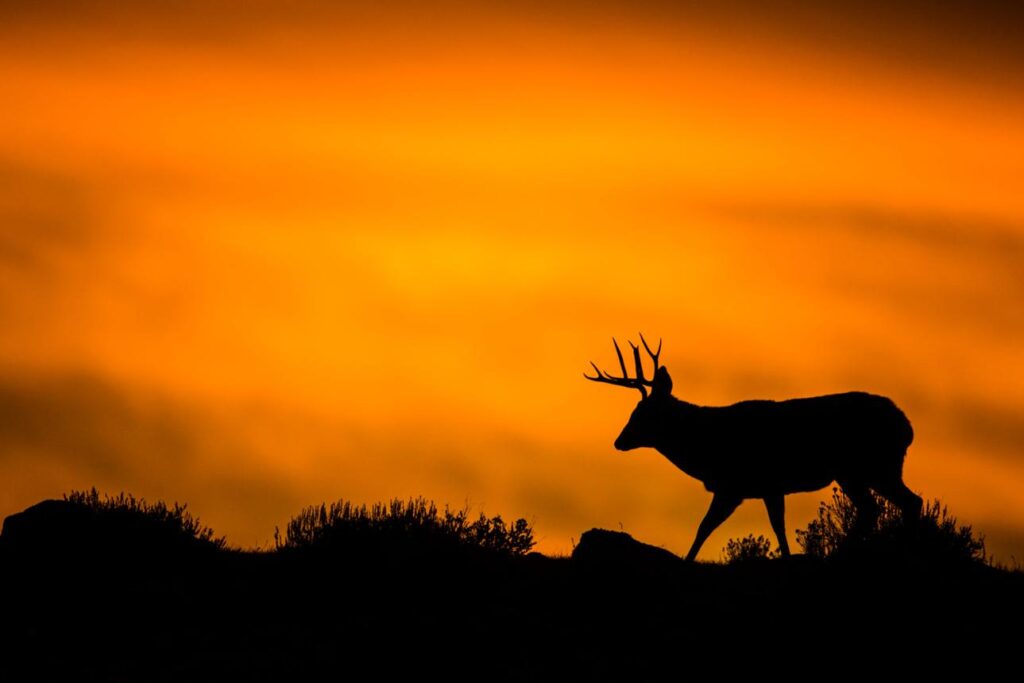
The case centers around an illegally killed 5×5 mule deer buck taken in a limited quota hunting area near Riverton, Wyoming, where officials say the hunter lacked the proper license to legally harvest the animal.
The Case Started in 1998
According to the Wyoming Game and Fish Department, the man was originally cited in 1998 after authorities determined he had illegally killed a mule deer buck in a restricted hunting unit near Riverton without possessing the required hunting license for that area.
Limited quota hunting areas exist to tightly manage wildlife populations and hunting pressure.
According to the Wyoming Game and Fish Department, hunters in these units are required to obtain specific licenses through controlled draw systems designed to manage harvest and maintain healthy mule deer populations.
Officials say the deer involved was a 5×5 mule deer buck, an animal that would have required proper licensing to legally harvest.
Then He Disappeared
The case quickly changed after the suspect reportedly failed to appear in court.
According to Wyoming authorities, after missing his required court appearance, a warrant was issued for his arrest.
And then the case went cold.
For decades.
But it was never closed.
According to the Wyoming Game and Fish Department, wildlife violations tied to outstanding warrants remain active, especially in cases where suspects leave the state or fail to resolve charges.
Arrested More Than Two Decades Later
In a twist few probably expected, authorities finally located the man in Alabama in 2024.
According to Wyoming officials, he was arrested there and extradited back to Wyoming to face the long-outstanding wildlife charge.
He later pleaded guilty to the illegal deer killing violation.
The case officially closed nearly 26 years after the original poaching incident occurred.
Why Wildlife Cases Can Stay Open for Years
Some people assume wildlife violations eventually disappear.
That is often not the case.
According to the Interstate Wildlife Violator Compact, many states cooperate through shared systems designed to track hunting violations, license suspensions, and outstanding wildlife-related warrants.
That cooperation makes it much harder for people to simply move away and avoid consequences.
Wildlife agencies increasingly share:
- Violation records
- Suspended hunting privileges
- Outstanding warrants
- License restrictions across state lines
Ethical Hunters Usually Support Enforcement
Cases like this tend to draw strong reactions from hunters.
Many sportsmen view poaching as theft of a public resource.
Legal hunters:
- Buy licenses
- Follow draw systems
- Respect quotas
- Follow wildlife regulations
When someone bypasses those rules—especially in limited quota areas—it creates frustration among hunters who waited years to legally draw permits.
According to the Wyoming Game and Fish Department, limited-entry systems exist specifically to balance wildlife conservation with hunting opportunity.
A Reminder That Wildlife Violations Don’t Always Go Away
The case is also a reminder that skipping court rarely solves anything.
Authorities say failure to appear often turns smaller violations into larger legal problems over time.
What started as a wildlife citation in 1998 ultimately became a decades-long unresolved case ending in arrest and extradition more than two decades later.
The Bottom Line
According to the Wyoming Game and Fish Department, a former Wyoming resident has now pleaded guilty in an illegal mule deer killing case that remained unresolved for nearly 26 years after he allegedly harvested a 5×5 mule deer buck near Riverton without the proper license.
After failing to appear in court in 1998, a warrant remained active until he was located and arrested in Alabama in 2024.
For hunters and outdoorsmen, the story sends a clear message:
Wildlife violations have a long memory.
And sometimes, game wardens eventually catch up—even decades later.