
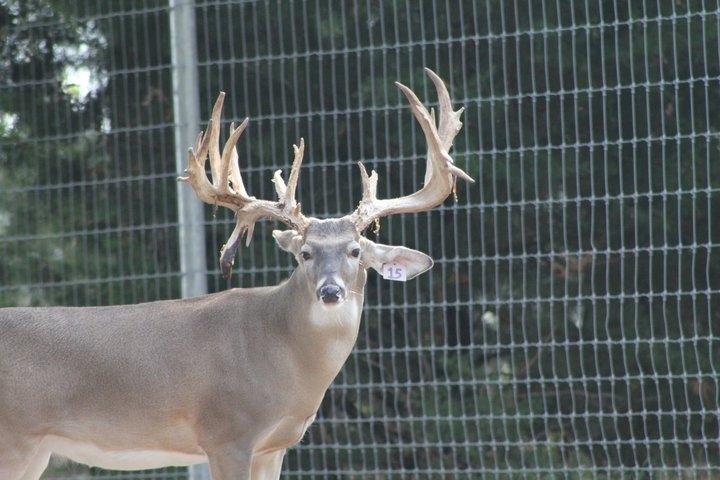
High Fence Ranch Owner Suspects Neighbor of Lowering Fence to Let Trophy Deer Cross

What started as a routine fence inspection on a Texas deer ranch has reportedly turned into a heated neighbor dispute involving trophy whitetails, accusations of sabotage, and one question nobody seems to agree on:
Did someone intentionally lower a high fence to let giant bucks cross onto neighboring property?
According to ranch owners familiar with similar disputes, tensions between high-fence and low-fence neighbors are nothing new in Texas deer country. But allegations involving manipulated fencing can quickly turn personal—especially when trophy genetics and expensive deer management are involved.
“Something Didn’t Look Right”
The issue reportedly started after a high-fence ranch owner noticed several mature bucks missing from trail camera activity near a section of perimeter fence.
At first, the owner assumed the deer had shifted patterns.
Then came the discovery.
During a fence check, the ranch owner allegedly found a stretch of fencing near a neighboring low-fence property that appeared lower than normal, with signs that portions may have been altered or disturbed.
The accusation?
Someone may have intentionally manipulated the fence to create an easier crossing point for mature bucks.
Why High Fence Ranches Take This Seriously
For many high-fence operations, trophy deer represent major investments.
Some ranches spend years—and significant money—on:
- Genetics programs
- Supplemental feeding
- Habitat improvements
- Predator management
- Age structure management
In some cases, mature trophy bucks can represent animals worth thousands—or even tens of thousands—of dollars in breeding value or guided hunt opportunities.
That’s part of why allegations like this can escalate quickly.
Can Deer Actually Cross Lowered Fence?
The short answer?
Sometimes.
According to deer biologists and ranch managers, mature whitetails are incredibly athletic.
Even on high-fence properties, deer can occasionally:
- Jump weak sections
- Slip under damaged areas
- Cross low points in terrain
- Find compromised fencing
According to the Texas Parks and Wildlife Department, properly maintained high fencing is designed to contain deer movement, but damaged or improperly maintained areas can create vulnerabilities.
A lowered section—intentional or not—could potentially change movement patterns.
The Neighbor Sees It Differently
Not surprisingly, the neighboring ranch owner reportedly denies any wrongdoing.
In disputes like these, common arguments often include:
- Wildlife moves naturally
- Fence damage happens over time
- Storms or livestock may have caused problems
- No proof exists of intentional tampering
And proving intent becomes difficult.
Especially when wildlife and property lines are involved.
High Fence vs. Low Fence Tensions Are Nothing New
Texas has long seen disagreements between neighboring ranches over deer management philosophies.
High-fence supporters argue they invest heavily in habitat and genetics to improve herd quality.
Critics sometimes argue high fences interfere with natural wildlife movement.
That divide occasionally spills into disputes over:
- Feeders near fence lines
- Hunting pressure
- Water sources
- Deer movement patterns
And when trophy bucks disappear?
Things can get heated quickly.
Could It Become a Legal Issue?
Potentially.
According to Texas land and wildlife law experts, intentionally damaging or altering fencing on someone else’s property could create both civil and criminal issues depending on the circumstances.
If a landowner could prove intentional tampering led to financial damages, the dispute could potentially expand beyond simple neighbor conflict.
But proving causation involving free-ranging deer—even around high fences—can become extremely difficult.
The Bigger Problem: Trust Between Neighbors
In rural communities, disputes like this often become bigger than fences.
Once accusations start flying, trust tends to disappear.
And in hunting country, where neighboring ranches often depend on:
- Shared relationships
- Road access
- Water cooperation
- Fence maintenance
…bad blood can last a long time.
The Bottom Line
A Texas high-fence ranch owner now suspects a neighboring landowner may have intentionally lowered fencing to allow trophy deer access onto an adjoining low-fence ranch.
Whether the fence was intentionally altered, naturally damaged, or simply became an easy target for frustration remains unclear.
According to the Texas Parks and Wildlife Department, proper fencing and land management play a major role in deer containment—but disputes over trophy animals and property boundaries are often far messier than they first appear.
Because in deer country, few things spark tension faster than a missing giant buck and a fence line that suddenly looks different than it did yesterday.