
PETA Took In 3,317 Animals Last Year—What Happened to Most of Them Is Sparking Debate
Few organizations in the animal rights world are as recognizable—or as controversial—as PETA. Known formally as People for the Ethical Treatment of Animals, PETA has spent decades campaigning against animal cruelty, factory farming, fur use, and hunting. But critics argue the organization’s own animal shelter practices tell a much different story.
According to records reported to the state of Virginia and PETA’s own public filings, the organization euthanized roughly 67% of the animals it took in during 2024—a number that is again fueling debate over what “ethical treatment of animals” actually means.
The Numbers Behind the Controversy
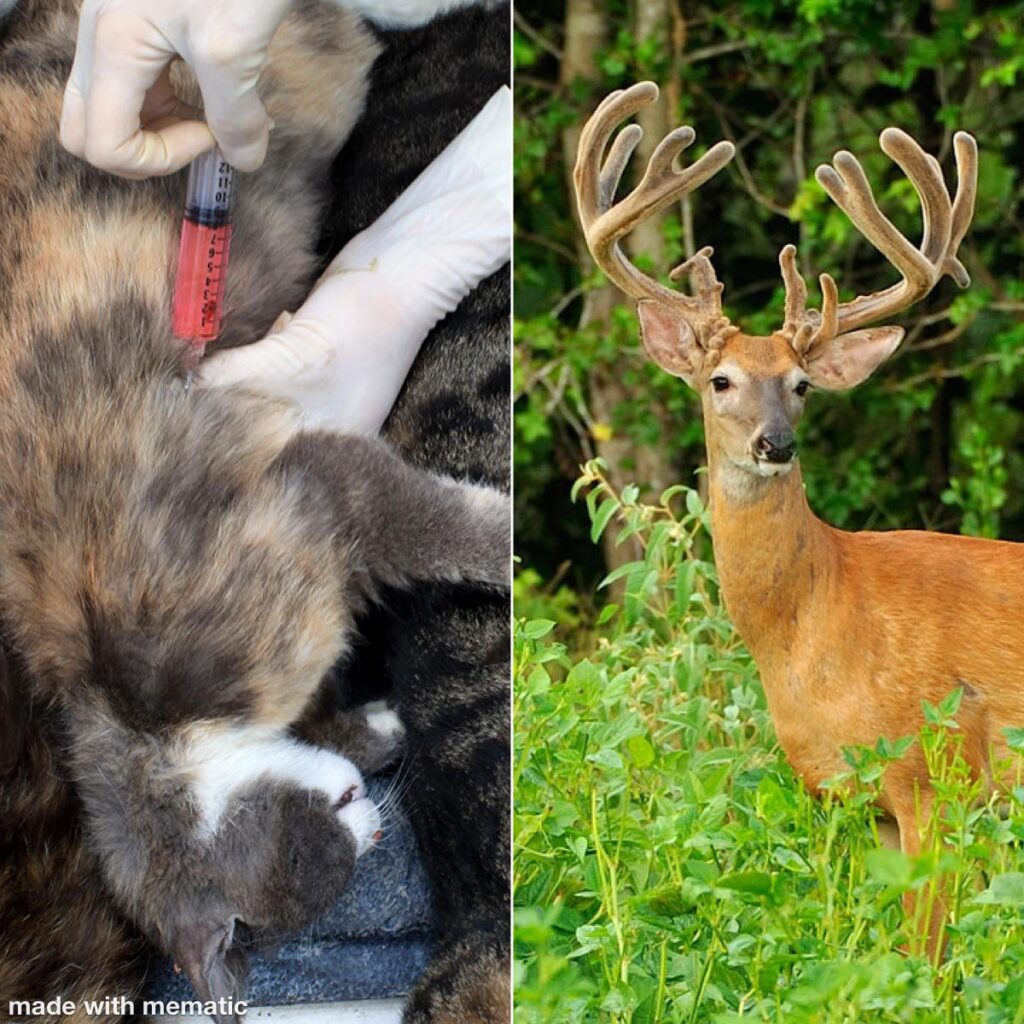
According to PETA’s 2024 shelter intake records filed with the Virginia Department of Agriculture and Consumer Services, the organization took in 3,317 animals during the year and euthanized 2,213 of them.
Those same records show:
- 63 animals were adopted out
- Hundreds were transferred to other facilities
- A smaller number were returned to owners or otherwise placed
Based on those figures, approximately two-thirds of the animals entering PETA’s Norfolk, Virginia shelter were euthanized.
The organization has long defended its euthanasia rates, arguing that many of the animals brought to them are severely sick, aggressive, injured, elderly, or considered unadoptable by other shelters. PETA has repeatedly stated publicly that it operates as a “shelter of last resort,” accepting animals that no-kill shelters often refuse.
According to statements published by PETA, many of the euthanized animals arrive suffering from terminal illness, severe behavioral problems, or neglect so extreme that humane euthanasia becomes the only realistic option.
The Spending Questions
Criticism of PETA extends beyond euthanasia.
According to PETA’s Fiscal Year 2024 Form 990 tax filing, the organization reported approximately $71.3 million in total expenses. However, domestic grants listed to outside animal-related organizations totaled roughly $120,761.
That figure represents approximately 0.17% of total expenses.
Critics argue this number raises serious questions about priorities for an organization that raises substantial funds under the banner of animal welfare. Some watchdog groups and critics contend that more funding should go directly toward sheltering, adoption programs, veterinary care, or support for rescue organizations.
PETA, however, frames its mission differently.
According to the organization’s public materials, its primary focus is activism, investigations, legal advocacy, public education campaigns, and ending forms of animal exploitation—not operating large-scale adoption shelters.
In other words, PETA does not describe itself primarily as a rescue organization, even though it maintains shelter operations.
The Hunting Debate
For many hunters and conservation advocates, these numbers reignite an old argument over who actually contributes more to wildlife and animal welfare.
Hunters point to billions of dollars generated annually through hunting licenses, conservation stamps, excise taxes on firearms and ammunition, and habitat programs.
According to the U.S. Fish and Wildlife Service, the Pittman-Robertson Act—funded through taxes on firearms, ammunition, and archery equipment—has generated billions for wildlife restoration and habitat conservation since 1937.
Organizations such as the National Deer Association and Ducks Unlimited also direct millions toward habitat improvement, population monitoring, and land conservation efforts.
Supporters of hunting argue this creates a system where animals live naturally in managed ecosystems before being harvested through regulated seasons.
Critics of hunting, including PETA, fundamentally reject that argument, maintaining that killing animals for sport or recreation cannot be ethical regardless of conservation funding.
Two Different Definitions of “Ethical”
At the center of this debate is a philosophical divide.
PETA’s position has consistently emphasized reducing suffering—even when that means euthanasia for animals viewed as suffering or unlikely to be placed.
Hunters and conservationists often argue ethical treatment includes maintaining healthy wildlife populations, protecting habitat, and respecting regulated harvest as part of conservation.
Both sides use the language of animal welfare.
But they define it very differently.
The Bigger Question
The controversy surrounding PETA isn’t new. Questions about euthanasia rates have followed the organization for decades, often resurfacing when annual shelter data becomes public.
Supporters argue critics misunderstand the role PETA plays by accepting difficult cases that other shelters reject. Opponents argue the numbers are incompatible with the organization’s branding and fundraising message.
What remains undeniable is this:
The statistics continue to spark strong reactions.
The Bottom Line
According to PETA’s own 2024 shelter records, the organization euthanized 2,213 of the 3,317 animals it took in during the year. Its FY2024 tax filing also shows that a very small percentage of overall spending went to outside animal-related grants.
For critics, those numbers represent a contradiction between message and action.
For supporters, they reflect hard realities surrounding animal suffering and end-of-life care.
Either way, the debate raises a question that goes well beyond one organization:
When people talk about the ethical treatment of animals—what does that actually mean in practice?