
America Isn’t Just Divided Anymore—It’s Drifting Apart: Why the Political Divide Keeps Growing and Can It Be Fixed?
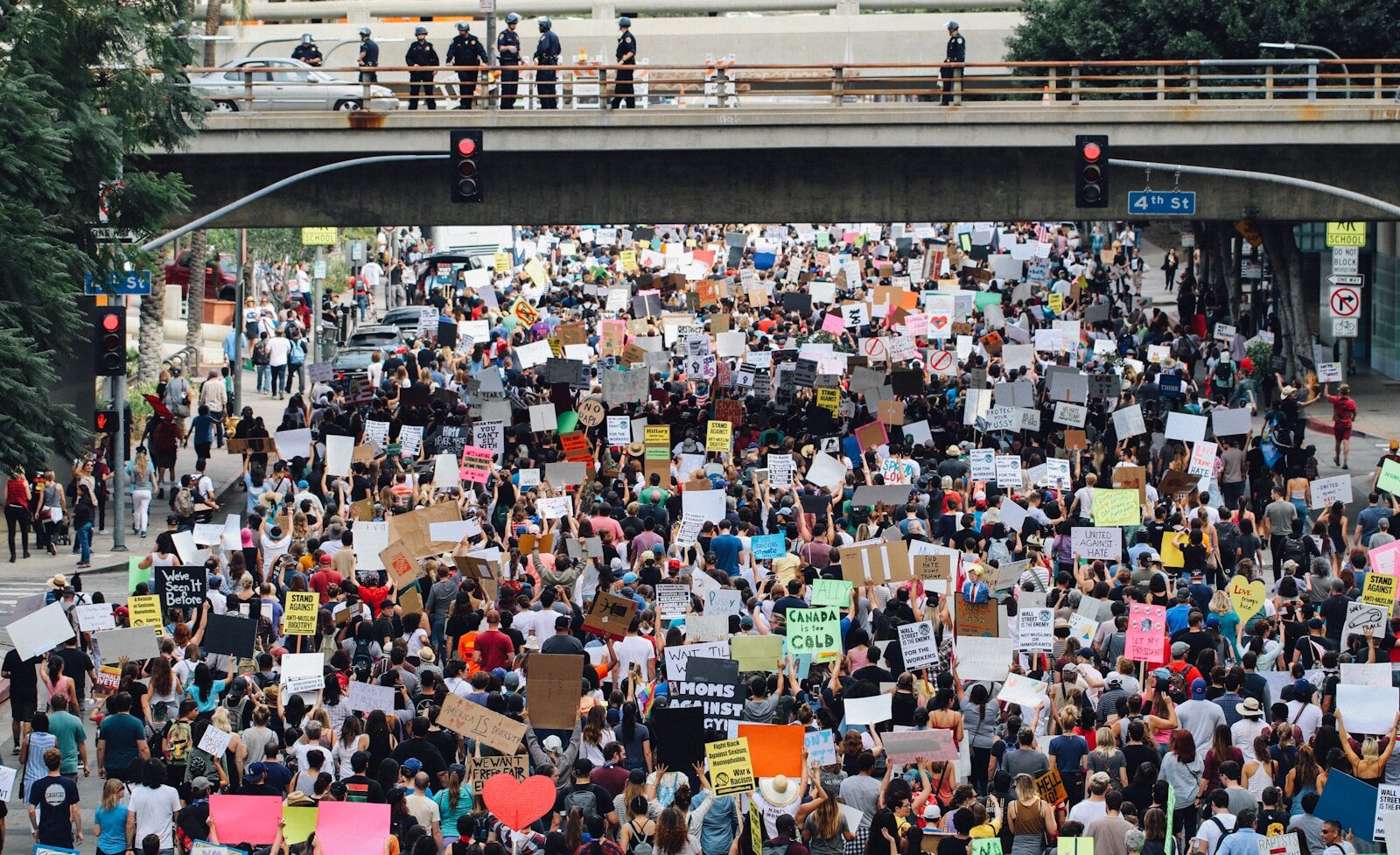
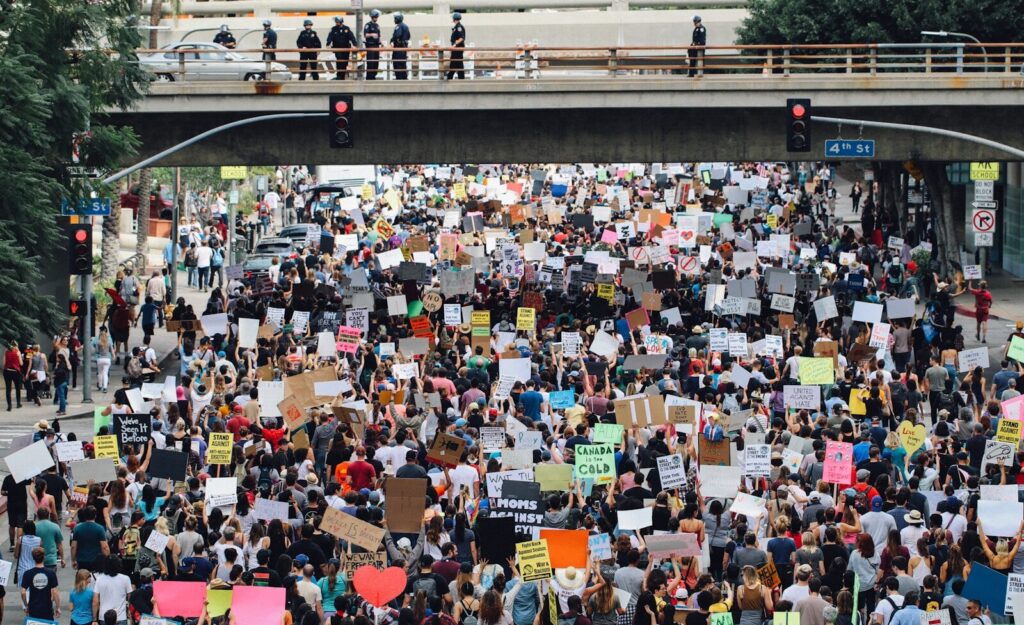
There was a time when Americans could disagree politically and still go to dinner together afterward.
Those days increasingly feel like history.
Today, politics doesn’t just shape how people vote—it influences where they live, what news they consume, who they trust, and sometimes even who they’re willing to associate with. What once felt like ordinary political disagreement now feels deeper, more personal, and far more permanent.
And according to researchers, the divide in America isn’t simply political anymore.
It’s cultural.
Politics Has Become Personal
One of the biggest shifts in modern America is that political identity has stopped being just about policy.
It’s become part of personal identity.
According to research from the Pew Research Center, Republicans and Democrats increasingly view each other not simply as people with different ideas, but as groups whose values fundamentally conflict with their own.
That change matters.
Disagreeing over taxes or healthcare is one thing. Viewing the other side as a threat to the country itself is something entirely different.
Pew polling has consistently found growing numbers of Americans saying members of the opposing party are “immoral,” “dishonest,” or “dangerous.”
Once politics becomes emotional, compromise becomes much harder.
Americans Are Sorting Themselves Geographically
The divide isn’t just happening online—it’s happening physically.
According to analysis from the Brookings Institution, Americans increasingly move to places where people think like they do politically. Urban areas trend heavily Democratic, while rural regions trend heavily Republican.
That geographic sorting reinforces beliefs.
If everyone around you shares similar political opinions, opposing viewpoints begin to feel more foreign—or even extreme.
Over time, political bubbles become cultural bubbles.
Different schools.
Different media.
Different values.
Different realities.
Social Media Changed Everything
Few forces have accelerated political division more than social media.
Platforms reward outrage.
The most emotional, controversial, and polarizing content tends to travel the fastest. According to research published by the Massachusetts Institute of Technology, emotionally charged political information spreads more rapidly online than balanced or neutral content.
That creates incentives for politicians, commentators, and media outlets to lean harder into division.
Anger gets clicks.
Conflict gets attention.
And algorithms often feed people more of what they already agree with.
Instead of hearing opposing views, many Americans now live inside customized political ecosystems.
Trust in Institutions Is Falling
At the same time, trust in traditional institutions continues to decline.
Government.
Media.
Universities.
Even elections.
According to polling from the Gallup, public trust in major institutions has dropped significantly over the past two decades.
That erosion creates a dangerous dynamic.
When people stop trusting shared institutions, they stop trusting shared facts.
And when Americans can’t even agree on basic facts, meaningful political conversations become nearly impossible.
Economic Anxiety Plays a Bigger Role Than Many Admit
Politics often follows economic stress.
Inflation, housing costs, healthcare expenses, and wage stagnation have left many Americans frustrated and uncertain about the future.
According to economic data and analysis from the Federal Reserve, rising financial pressure often intensifies political frustration, especially when people feel institutions are no longer working for them.
When people feel left behind, politics becomes more emotional—and more tribal.
That frustration frequently turns into blame.
And blame fuels division.
Media Fragmentation Means Different Versions of Reality
Not long ago, much of the country consumed the same news.
Now, Americans often live in completely different information worlds.
According to studies from the Pew Research Center, media consumption increasingly aligns with political identity. Conservatives and liberals often rely on entirely different sources for information.
That creates competing narratives about almost everything:
- Immigration
- Crime
- Elections
- The economy
- Foreign policy
It’s hard to solve problems when people can’t agree on what the problem actually is.
The Culture War Is Bigger Than Politics
America’s divide now extends far beyond elections.
Questions about education, gender, religion, guns, policing, speech, immigration, and national identity have become cultural fault lines.
For many Americans, these issues feel existential—not political.
Each side increasingly sees the stakes as the future direction of the country itself.
That mindset makes compromise feel like surrender.
Is There a Way Back?
Despite the division, there are signs Americans still share more common ground than headlines suggest.
According to Pew Research polling, large majorities across party lines still agree on broad concerns like affordability, public safety, healthcare costs, and economic opportunity.
But agreement on problems doesn’t always translate to agreement on solutions.
And that’s where the friction remains.
The Bottom Line
America’s political divide is widening because politics is no longer just politics.
It’s identity.
It’s geography.
It’s economics.
It’s media.
And increasingly, it’s culture.
The result is a country where many people no longer feel like they’re arguing over policies—they feel like they’re defending two entirely different visions of America.
And until that changes, the divide may continue growing wider before it gets smaller.