
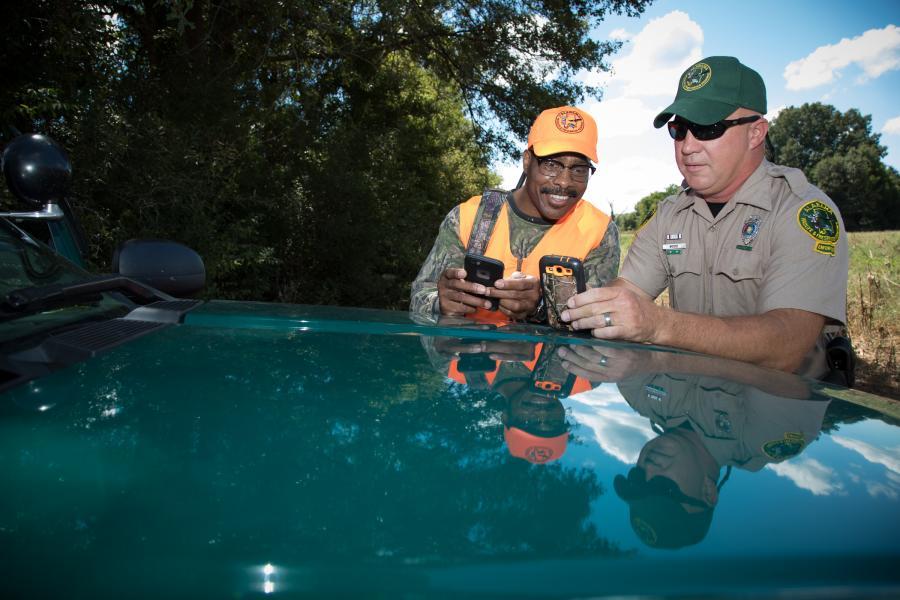
Game Warden Reveals the Hunting Mistake That Gets More Hunters Ticketed Than Anything Else

Most hunters assume game wardens spend their days chasing hardcore poachers through the woods. But according to many wildlife officers, the hunting mistake that leads to more tickets than almost anything else is far less dramatic: hunters simply not fully understanding the regulations.
That may sound surprising, especially to experienced hunters who have spent years in the woods. But game wardens say every season brings thousands of preventable violations involving forgotten tags, expired licenses, misunderstood county rules, or hunters assuming last year’s regulations still apply.
The Biggest Mistake? Assuming the Rules Haven’t Changed
Many hunters approach opening season believing they already know everything they need to know. They buy ammunition, sight in rifles, and head to camp assuming the regulations are basically the same as they were the year before.
That assumption is often where problems begin.
According to the Texas Parks and Wildlife Department, hunting regulations can change from year to year depending on wildlife populations, habitat conditions, harvest goals, and conservation needs. Season dates, bag limits, legal methods of take, and reporting requirements are all subject to change.
Game wardens frequently say one of the most common phrases they hear from hunters after issuing citations is simple: “I didn’t know.”
Unfortunately, wildlife laws rarely make exceptions for someone not realizing a rule had changed.
Tagging Mistakes Continue to Cause Problems
One of the most common violations game wardens encounter each season involves improperly tagging harvested game.
According to the Texas Parks and Wildlife Department, hunters are required to properly complete and attach harvest tags immediately under many circumstances. These requirements help wildlife agencies monitor harvest numbers, manage populations, and maintain long-term conservation goals.
Still, wardens routinely encounter deer sitting untagged in truck beds, hanging at camp, or transported before documentation is completed.
Sometimes the issue comes down to excitement. A successful hunt creates adrenaline, photos get taken, camp celebrations begin, and hunters tell themselves they will take care of the paperwork later.
Later is often when trouble starts.
To game wardens, tagging is not simply a technicality—it is part of the system that helps keep hunting sustainable for future generations.
Licensing Issues Catch Hunters Off Guard
Another surprisingly common problem involves licenses and endorsements.
According to the Texas Parks and Wildlife Department, hunters are frequently cited for carrying expired licenses, missing endorsements, or failing to purchase permits required for certain species.
Waterfowl hunters, for example, often overlook federal duck stamp requirements or HIP certification. Other hunters accidentally purchase incomplete license packages online and assume they are fully covered.
Game wardens say they regularly hear hunters explain that they thought they already bought the correct permit.
But assumptions can become expensive mistakes when an officer asks to see documentation in the field.
County Lines Create Unexpected Problems
One issue that catches even experienced hunters off guard involves county-specific regulations.
In Texas especially, deer season dates, bag limits, and antler restrictions can vary significantly depending on where someone is hunting. According to the Texas Parks and Wildlife Department, these differences exist because wildlife populations vary across regions, requiring unique management strategies to maintain healthy herds.
A hunter may legally harvest a buck in one county only to unknowingly violate restrictions a few miles away in another.
That reality creates problems for hunters traveling to unfamiliar leases or hunting properties. Many assume deer regulations apply statewide, only to discover later that local restrictions made their hunt illegal.
It is one of those mistakes that feels small until a citation gets written.
Technology Has Changed Wildlife Enforcement
Today’s game wardens have more tools available than ever before, making it harder for violations to go unnoticed.
According to the Association of Fish and Wildlife Agencies, wildlife officers increasingly rely on digital license databases, GPS mapping, harvest reporting systems, and timestamps tied to photos or trail camera evidence to verify compliance.
In some cases, social media posts themselves have become evidence after hunters unknowingly documented illegal activity online.
The days of assuming nobody will ever know are quickly fading.
Most Hunters Aren’t Criminals—They’re Careless
Game wardens are often quick to point out an important distinction.
Most citations do not involve major poachers or people intentionally trying to break the law.
According to the National Deer Association, many hunting violations happen because otherwise ethical hunters simply overlook something important. A forgotten tag, a misunderstood regulation, or an expired license can suddenly turn a successful hunt into a frustrating interaction with law enforcement.
Still, officers emphasize that good intentions do not erase violations.
A hunter may not mean to break the rules, but the outcome is often the same.
The Bottom Line
Most hunters picture game wardens chasing spotlight poachers or uncovering elaborate wildlife crimes. While those stories certainly exist, many wildlife officers say the mistake responsible for more hunting tickets than almost anything else is much simpler: hunters failing to read and understand the regulations.
Whether it is an untagged deer, the wrong permit, an expired license, or misunderstanding county-specific rules, small mistakes can carry big consequences.
And according to game wardens, the easiest way to avoid becoming one of those stories is surprisingly simple: spend a few minutes reviewing the regulations before opening day ever arrives.