
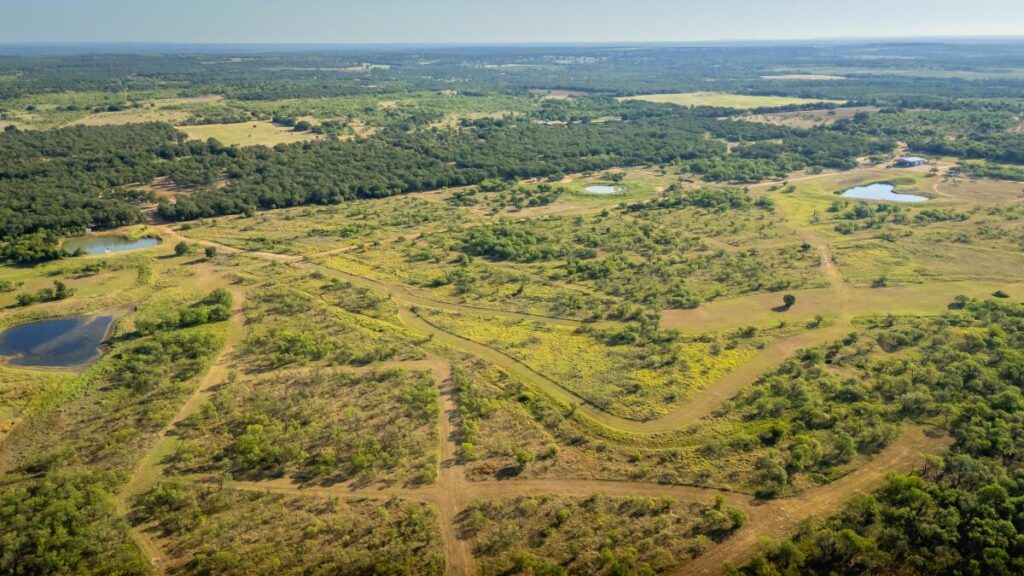
Hunter Bought His Dream Hunting Property—Then Learned It Sat Next to One of Texas’ Largest Adventure Parks

For one Texas hunter, buying a small hunting property felt like the beginning of a dream.
The land checked almost every box. It had thick cover, scattered senderos, enough room for feeders and blinds, and sat in an area known for healthy deer populations. According to the hunter, the property looked ideal for weekend hunts and long-term deer management, especially after hearing stories about quality bucks moving through neighboring ranches.
Then deer season arrived.
And the activity never matched expectations.
The Deer Simply Were Not There
According to the hunter, trail camera photos remained surprisingly quiet despite months of preparation. Feeders stayed active, habitat looked promising, and neighboring properties reportedly held decent wildlife populations, yet mature bucks rarely appeared consistently on camera.
At first, he blamed timing.
Like many hunters, he assumed drought conditions, changing food sources, or hunting pressure may have shifted deer movement. However, after months of poor activity and repeated hunts producing little movement, frustration reportedly started replacing optimism.
The property looked perfect.
But it simply did not hunt well.
Then He Learned What Sat Next Door
According to the hunter, the real explanation came through a conversation with a neighboring landowner.
What he had not realized before purchasing the property was that land bordering one side of the ranch connected to one of the largest off-road adventure parks in Texas. On busy weekends, the area reportedly drew large crowds of ATVs, side-by-sides, dirt bikes, and outdoor recreation traffic stretching across thousands of acres.
The discovery reportedly came as a surprise.
The hunter had known neighboring land existed but did not fully understand the scale of activity happening nearby. What felt quiet during the initial property tour looked very different once engines, crowds, and weekend traffic increased.
Suddenly, the missing deer activity seemed easier to explain.
Wildlife Often Responds Quickly to Pressure and Noise
According to the Texas Parks and Wildlife Department, deer regularly adjust movement patterns in response to repeated disturbance, especially when human activity increases near bedding cover or travel corridors. Noise, vehicle traffic, scent, and repeated movement often push mature bucks toward quieter areas where they feel more secure.
That does not necessarily mean deer leave completely.
In many cases, wildlife simply changes behavior. Mature bucks may become more nocturnal, avoid exposed areas, or shift movement onto neighboring properties receiving less pressure. Hunters frequently notice this pattern near roads, heavily traveled leases, and recreational areas with regular activity.
For this hunter, the adventure park reportedly created pressure he never expected to manage.
Property Research Matters More Than Many Buyers Realize
Stories like this happen more often than many hunters admit.
A property may look ideal during a quick tour, especially on quiet weekdays when nearby activity feels nonexistent. Yet neighboring land use can dramatically affect hunting quality depending on whether surrounding properties hold subdivisions, oil activity, public access, or high recreational traffic.
Experienced land buyers often recommend spending time in an area during weekends, talking with neighbors, checking aerial maps, and learning what surrounds a property before making assumptions about hunting potential.
Because sometimes, the biggest factor affecting deer movement is not the property itself.
It is what happens next door.
The Bottom Line
For one Texas hunter, buying a dream hunting property reportedly turned frustrating after deer activity remained far lower than expected despite promising habitat and careful preparation.
Only later did he learn the ranch bordered one of the state’s largest adventure parks, where heavy weekend recreation activity likely changed how deer moved through the area.
The experience reportedly taught a lesson many experienced landowners already understand:
When it comes to hunting property, what surrounds the land can matter just as much as the land itself.