

For one Texas landowner, a routine property survey reportedly opened the door to a dispute he never expected.
According to the landowner, he ordered the survey while preparing for improvements near the edge of his ranch, assuming it would simply confirm what both neighbors had treated as the boundary for years. Instead, the survey reportedly showed the long-standing fence line separating the two properties sat roughly ten feet off the legal boundary in certain sections.
At first, neither side seemed overly concerned.
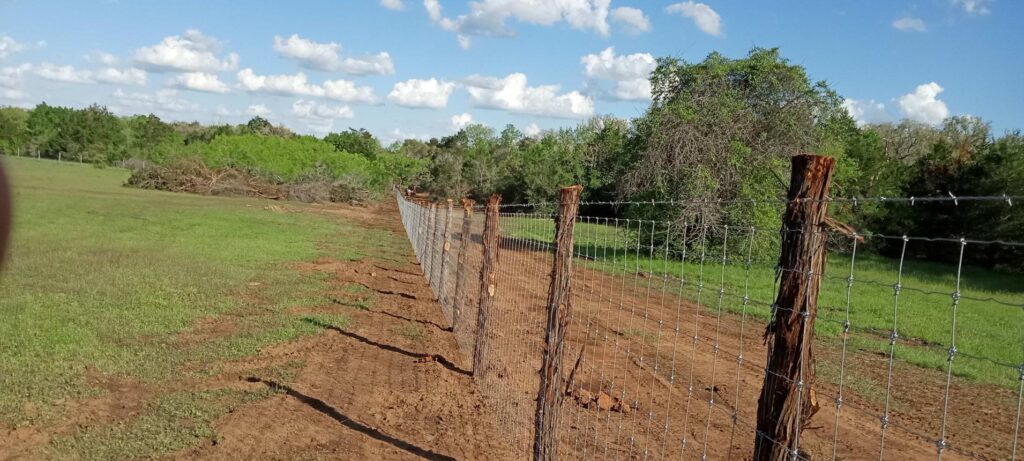
The existing fence had reportedly stood in the same place for years, livestock moved without issue, and both properties functioned normally. That changed after the neighboring landowner reportedly decided to replace sections of aging fence and move it closer to what the survey identified as the legal property line.
The New Fence Quickly Created Frustration
According to the landowner, tensions grew after the new fence started going up.
He reportedly believed parts of the replacement crossed onto land he still considered his, while the neighboring owner maintained he was simply building along the surveyed boundary. Before long, both sides found themselves arguing over measurements, old landmarks, and whether the original fence should have stayed where it had been for decades.
Like many rural disagreements, the issue became personal.
What looked like ten feet on paper suddenly felt much larger when it involved grazing space, hunting access, and the principle of where one property stopped and another began.
A Second Survey Changed the Conversation
Rather than continue arguing, both sides reportedly agreed to bring in another surveyor.
According to the landowner, the second survey largely confirmed the first, showing the original fence had indeed been misplaced for years. However, it also revealed smaller discrepancies in sections of the boundary that neither neighbor had fully understood.
That reportedly changed the tone of the disagreement.
Instead of escalating into attorneys and court filings, both landowners reportedly sat down and worked through a compromise involving fence placement, future access, and responsibility for rebuilding sections along the corrected line.
Neither side got exactly what they wanted.
But both sides reportedly agreed it beat spending years fighting over ten feet of dirt.
Fence Disputes Are More Common Than Many Realize
Across Texas, survey disputes involving old fence lines happen more often than many landowners expect.
According to Texas land professionals, older fences were frequently built for practicality rather than precision, especially in rural areas where landmarks, terrain, and livestock needs often mattered more than exact measurements. As land changes hands or improvements begin, those old assumptions sometimes run directly into modern surveys.
Most disagreements never make headlines.
But many landowners quickly learn that fences standing peacefully for decades are not always sitting exactly where legal paperwork says they should be.
The Bottom Line
For one Texas landowner, a survey showing an old fence roughly ten feet off the property line reportedly sparked frustration after a neighboring owner built a replacement fence closer to the newly marked boundary.
What initially looked like the beginning of a major property fight ultimately ended differently. After a second survey and several difficult conversations, both sides reportedly reached a compromise that avoided a long legal battle.
The experience reportedly left behind a lesson many rural landowners already understand:
Sometimes the hardest part of owning land is not the fence itself—it is agreeing where the fence should have been all along.