
Landowner Finds Fresh Survey Stakes on Property—Then Learns a Boundary Fight May Be Coming

For one Texas landowner, an ordinary drive across the ranch reportedly turned into something far more concerning after a series of unfamiliar wooden stakes suddenly appeared near a fence line he thought had been settled for years.
According to the landowner, the property boundary had never caused problems. The fence separating the neighboring ranch had reportedly stood in roughly the same place for decades, and both sides had long operated under what seemed like a quiet understanding about where one property ended and the other began.
That changed after a routine check near the back pasture.
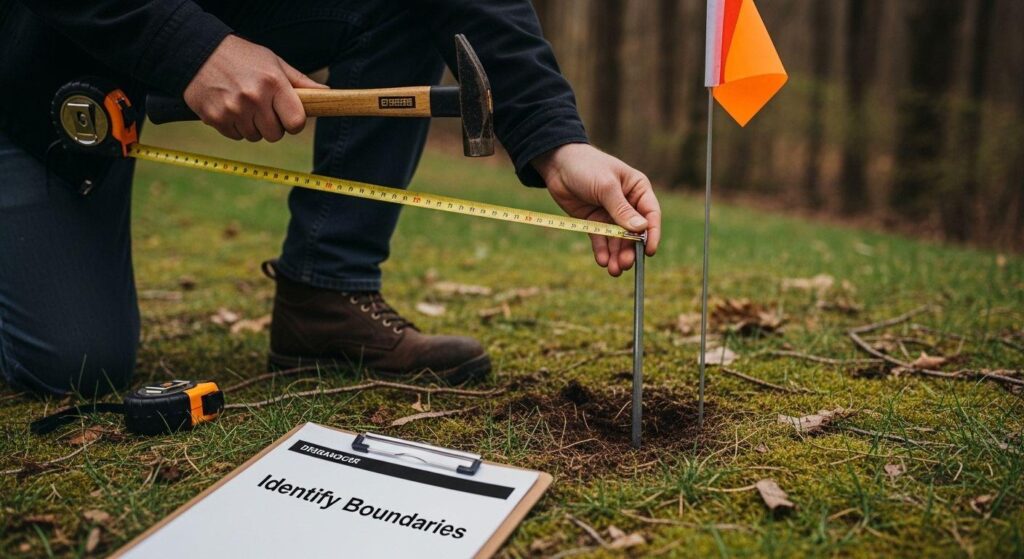
According to the landowner, bright survey flags and freshly driven stakes suddenly appeared near portions of the fence, some positioned far enough off the existing line to immediately raise questions.
At first, he reportedly assumed the county might be doing road work.
Then he noticed something that made him uneasy.
The markings appeared to follow the property boundary.
The Stakes Seemed to Tell a Different Story
According to the landowner, curiosity quickly turned into concern after he contacted a neighboring ranch hand to ask whether anyone knew what was happening.
The answer reportedly came as a surprise.
The neighboring property had recently changed ownership, and according to the ranch hand, the new owner had allegedly hired a survey crew after questioning whether the existing fence actually matched the legal property line.
That information reportedly changed the mood immediately.
For many rural landowners, fences eventually begin to feel permanent, even when legal boundaries may technically sit somewhere else. In some cases, old fences follow terrain, creeks, or practical ranching needs rather than exact legal descriptions.
According to the landowner, the possibility that decades of assumptions could suddenly be challenged reportedly felt unsettling.
Especially because some of the new stakes appeared to place portions of his grazing area on the opposite side of the surveyed line.
Tension Started Building Quickly
According to the landowner, frustration reportedly grew after an early conversation with the neighboring owner suggested the new survey might support moving portions of the fence.
The neighbor allegedly explained he simply wanted clarity and believed the legal description deserved review before future improvements moved forward.
The landowner reportedly saw it differently.
According to him, generations had treated the fence as the accepted boundary, and nobody had raised concerns until the property sold. Moving fencing, changing access routes, or losing acreage—even a relatively small amount—reportedly felt like opening a problem nobody had asked for.
What started as confusion soon reportedly began feeling like the early stages of a property fight.
The Situation Eventually Calmed Down
Rather than continue arguing, both sides reportedly agreed to hire an independent surveyor and review county deed records before making decisions.
According to the landowner, the second survey ultimately revealed something neither side expected.
The original survey reportedly showed technical boundary differences, but the disputed section involved only a narrow strip shaped by an older creek channel and fence placement from decades earlier. Attorneys reviewing the situation reportedly advised both sides that a prolonged legal battle would likely cost far more than the land itself.
Eventually, according to the landowner, the two sides reached a practical agreement.
The existing fence reportedly stayed in place, a written access and maintenance agreement clarified future expectations, and both owners agreed to document the understanding to avoid future disputes.
Nobody got everything they wanted.
But nobody ended up in court either.
Boundary Disputes Are More Common Than Many Think
Across Texas, rural property line disagreements happen more often than many landowners expect.
As ranches sell, surveys become more precise, and land values continue climbing, longtime assumptions about fences and boundaries sometimes face new scrutiny. According to real estate attorneys and survey professionals, disputes often begin not because someone acts maliciously, but because older fences, inherited land, and legal descriptions do not always perfectly match.
That reality can create uncomfortable surprises.
Especially for landowners who believed a boundary had been settled long ago.
The Bottom Line
For one Texas landowner, discovering fresh survey stakes near a familiar fence line reportedly triggered concerns that a major boundary dispute could be coming.
What initially looked like the beginning of a legal fight eventually settled after independent surveys and practical conversations helped both sides reach common ground.
The experience reportedly reinforced a lesson many rural Texans understand well:
A fence may feel permanent, but paperwork often tells the final story.