
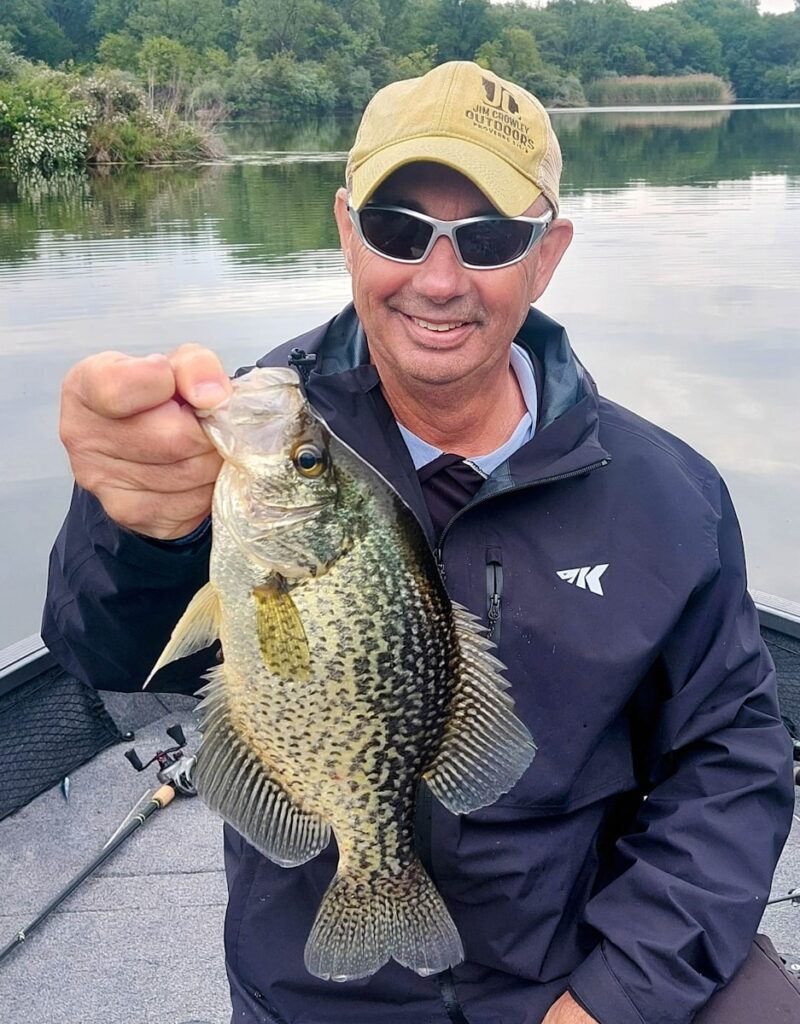
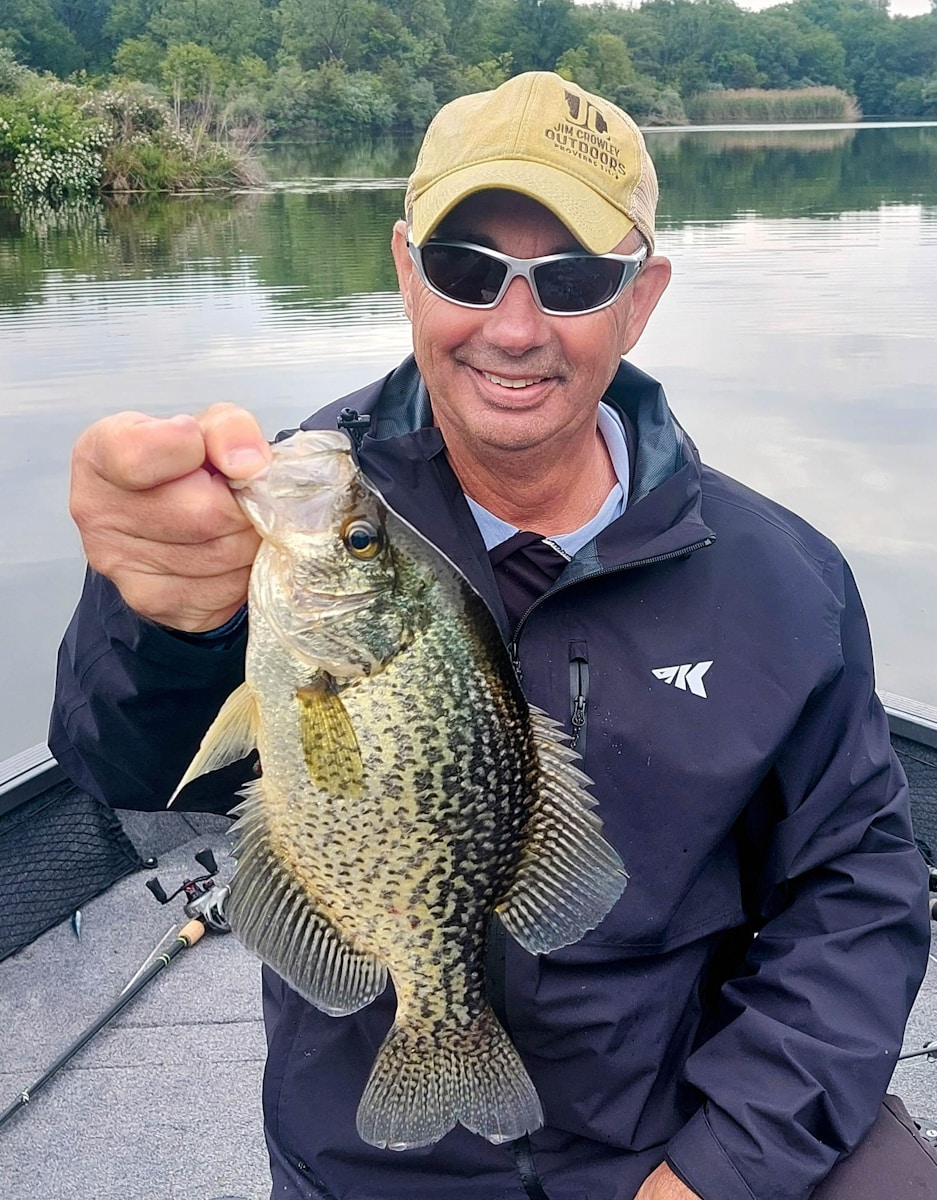
Crappie fishing gives you a simple way to catch more fish with basic gear and clear tactics. You can fish from the bank or a small boat, and you do not need expensive equipment to get started. When you understand where crappie hold and how they feed, you improve your odds fast.
To catch crappie, focus on fishing near structure with light tackle, small jigs or live minnows, and adjust your depth based on season and water temperature. Crappie often gather around brush piles, fallen trees, docks, and submerged cover. Many anglers start with simple setups shared in guides like this Crappie Fishing 101 overview and build skills from there.
You can fish for crappie year round, but you must adjust your approach as water conditions change. Learn how crappie move, what gear works best, and how to present your bait with control and patience.
Key Takeaways
- Focus on structure, light tackle, and small baits to catch more crappie.
- Adjust depth and location based on season and water temperature.
- Use simple gear and steady technique to improve results over time.
Understanding Crappie Behavior
You catch more crappie when you know where they move, what they eat, and the type of cover they use. Their behavior follows clear seasonal patterns that you can predict and use to plan each trip.
Seasonal Movements
Crappie follow steady seasonal movement patterns. If you track water temperature and depth, you can usually find them.
In spring, crappie move shallow to spawn when water reaches about 55–65°F. You will find them around shoreline brush, reeds, docks, and laydowns in 2 to 8 feet of water. They stay close to cover and often hold tight to it.
After the spawn, they move toward deeper water. During summer, they suspend over brush piles, creek channels, and standing timber in 10 to 25 feet of water. In fall, cooling water pushes baitfish shallow, and crappie often follow.
In winter, they group up in deeper basins and along drop-offs where water stays stable. You can learn more about these predictable shifts in any guide on crappie seasonal patterns and movement with a simple google search for your area.
Feeding Patterns
Crappie feed based on water temperature, light, and bait movement. You improve your catch rate when you match their food and timing.
They mainly eat small minnows, shad, and aquatic insects. In lakes with strong baitfish populations, they focus on shad. In smaller ponds, they rely more on minnows and insects.
Crappie often feed most actively during low light periods, such as early morning and late afternoon. Cloud cover can extend feeding activity into midday. In clear water, they may hold deeper during bright sun and rise to feed when light fades.
Water temperature also affects feeding speed. In cold water, they move slower and prefer a slow presentation. In warmer water, they chase bait more aggressively. This detailed overview of crappie feeding behavior and methods explains how adjusting your presentation improves results.
Habitat Preferences
Crappie relate strongly to structure and cover. If you fish open water without nearby structure, you reduce your chances.
They prefer areas that offer:
- Brush piles
- Submerged timber
- Boat docks
- Creek channels
- Weed edges
- Drop-offs
Brush and timber provide shade and protection. Docks create shade lines where bait gathers. Creek channels act as travel routes between shallow and deep water.
Crappie also suspend at specific depths rather than staying on the bottom. Electronics help you locate schools holding over structure. This breakdown of crappie transitions to deeper water in fall shows how structure and depth work together.
When you focus on structure, depth, and nearby bait, you narrow down the search and spend more time fishing active fish.
Essential Gear and Equipment
You catch more crappie when you match your rod, line, and bait to how and where you fish. Light tackle, thin line, and small lures give you better control and more bites.
Rods and Reels for Crappie
You do not need heavy gear for crappie. A light or ultralight spinning rod gives you better feel and control.
Many anglers prefer a rod around 7 feet long for all‑around use, as noted in this guide on crappie fishing gear essentials. A longer rod helps you cast small jigs and control fish near the boat or dock.
Pair your rod with a small spinning reel (size 500–1000). Choose a reel with a smooth drag system. Crappie have soft mouths, and a jerky drag can pull the hook free.
If you fish vertically around brush piles or standing timber, use a longer rod for better reach. From shore, a medium‑light rod gives you more casting distance.
For a broader look at gear options, review this list of key items for slab success.
Best Fishing Line Choices
You catch more crappie with thin line. Light line lets small jigs move in a natural way.
Most anglers use:
- 4–6 lb monofilament for clear water and open areas
- 6 lb monofilament around light cover
- 4–8 lb braided line with a fluorocarbon leader in heavy cover
Monofilament works well because it stretches and reduces hook pulls. It also floats slightly, which helps when you fish under a bobber.
Braid gives you more strength for its size. Use it when you fish thick brush or deep water. Add a 2–4 foot fluorocarbon leader to reduce visibility.
When setting up your tackle, focus on balance between rod, reel, and line. This detailed crappie fishing setup guide explains how to match your gear to different conditions.
Recommended Baits and Lures
You catch crappie with small, simple presentations. Size matters more than brand.
Top live bait:
- Live minnows on a small hook
- Minnows under a slip bobber for depth control
Top artificial lures:
- 1/16 or 1/8 oz jig heads
- Soft plastic grubs and tube jigs (1.5–2 inches)
- Small crappie spinners
Use lighter jig heads in shallow water and heavier ones in wind or deeper water. Choose natural colors in clear water and brighter colors in stained water.
A basic breakdown of essential rods, reels, and tackle appears in this Crappie Fishing 101 gear overview. Stick with small hooks and sharp points, and check them often.
Effective Crappie Fishing Techniques
You catch more crappie when you control depth, move at the right speed, and match your bait to the season. Focus on steady presentation and precise boat or bank positioning.
Jigging Methods
You rely on jigging when crappie hold tight to cover like brush piles, docks, or submerged timber. Use light jigs, usually 1/16 to 1/8 ounce, to keep a slow fall. Crappie often strike as the bait drops, so watch your line for small twitches.
Lower the jig straight down when you fish vertical structure. This method works well in cold water when fish stay deeper and move less.
Popular jig styles include:
- Tube jigs for clear water
- Curly tail grubs for added motion
- Hair jigs in cold water
Use a slow lift-and-drop motion. Keep your rod tip steady and avoid sharp jerks.
Many anglers rely on proven jig setups and seasonal adjustments found in this detailed crappie fishing tips guide 2026. Focus on depth control first. Color matters, but depth matters more.
Trolling Strategies
You troll when crappie scatter across open water or suspend over channels. This method helps you cover large areas and locate active fish fast.
Use multiple rods when legal. Set each line at a different depth to find where fish hold. Light jigs or small crankbaits both work well.
Control your speed carefully. Most anglers troll between 0.5 and 1.5 mph. Slower speeds work better in cold water. Increase speed slightly in warm months when fish chase bait.
Common trolling setups include:
- Spider rigging with rods spread wide at the bow
- Long-line trolling behind the boat
- Small crankbaits for summer patterns
You can review several real-world tested methods in these crappie fishing tips and techniques. Keep your lines straight and avoid sudden turns, which change lure depth.
Casting Approaches
You cast when crappie feed in shallow water, especially during spring spawn. Target visible cover like fallen trees, grass edges, and dock posts.
Use spinning gear with light line, usually 4 to 8 lb test. Cast past the target and retrieve slowly through the strike zone. A steady retrieve works better than fast, erratic movement.
During the spawn, fish often sit in water less than 5 feet deep. In summer, cast toward shaded banks early and late in the day.
A complete breakdown of seasonal location and casting advice appears in this guide on how to catch crappie. Focus on accuracy. Place your lure close to cover, but avoid snagging by keeping your rod tip high as the bait approaches structure.
Crappie Fishing Tips and Safety
You catch more crappie when you focus on structure, stable conditions, and clear rules. Pay attention to location, water changes, and local laws every time you fish.
Locating Productive Fishing Spots
Crappie gather around structure and cover. You should target brush piles, fallen trees, docks, bridge pilings, and submerged timber.
Crappie move in groups. If you catch one, you will likely find more in the same area, as noted in these crappie fishing tips and techniques.
Focus on these areas:
- Creek channels and drop-offs
- Weed edges in 6–15 feet of water
- Shallow coves during spring spawn
- Deep basins in winter
Use a depth finder to locate suspended fish over brush or ledges. In clear water, stay back and cast past the structure. In stained water, position your boat closer and fish straight down with a jig.
Keep your boat control steady. Wind can push you off a small brush pile fast.
Weather and Water Conditions
Crappie respond to water temperature more than air temperature. In spring, they move shallow when water reaches about 55–65°F.
Cold fronts slow feeding. Fish deeper and use slower presentations after a sudden drop in temperature.
An ultralight rod with 2- to 6-pound-test line works well in winter and early spring, according to these expert crappie fishing tips for every season.
Adjust your approach based on conditions:
| Condition | What To Do |
|---|---|
| Clear water | Use natural colors and lighter line |
| Stained water | Use darker or brighter jigs |
| Windy days | Fish windblown banks for active fish |
| Stable weather | Target mid-depth structure |
Always wear a life jacket, especially in cold water. Cold shock can disable you within minutes.
Fishing Regulations and Conservation
You must follow local fishing laws. Check size limits, daily bag limits, and seasonal closures before you fish.
Many lakes set specific limits to protect spawning fish. Keep only what you plan to eat. Release smaller fish carefully and avoid tossing them back.
Use barbless hooks if required in your area. Handle fish with wet hands to protect their slime coat.
Respect private property when fishing near docks or shoreline homes. Keep noise low and pack out all trash.
When you fish responsibly, you protect the crappie population and keep access open for the future.
Frequently Asked Questions
Crappie respond best to light tackle, small baits, and slow presentations. You improve your results when you match your setup to water depth, cover, and season.
What is the most effective setup for crappie fishing?
Use a light or ultralight spinning rod between 5 and 7 feet long. Pair it with 4- to 6-pound monofilament or light braid with a fluorocarbon leader.
Rig a small jig, usually 1/16 to 1/8 ounce, under a slip bobber for shallow water. In deeper water, remove the bobber and fish the jig vertically.
Many anglers rely on simple jig setups highlighted in this crappie fishing guide for beginners because they allow good depth control and natural movement.
How do you catch crappie from the shore?
Focus on docks, brush piles, fallen trees, and weed edges. Crappie hold close to cover, especially in spring and fall.
Cast small jigs or minnows under a float and retrieve them slowly. Let the bait pause near structure.
Early morning and late evening often produce steady action. Stay quiet and move along the bank until you locate a school.
What are the best lures for catching crappie?
Small soft plastic jigs lead the list. Choose tube jigs, paddle tails, or curly tail grubs in sizes under 2 inches.
Live minnows also work well, especially in cold water. Many anglers combine proven crappie fishing tips and strategies with simple jig colors like white, chartreuse, and pink.
In clear water, use natural tones. In stained water, pick brighter colors so fish can see the bait.
What techniques work best for catching crappie in deep water?
Use vertical jigging when fish suspend over brush or ledges. Drop your jig straight down and move it with short, controlled lifts.
Spider rigging from a boat also helps you cover open water. This method uses multiple rods spread out to present baits at different depths.
A detailed breakdown of seasonal depth changes appears in this complete guide to crappie fishing. You catch more fish when you adjust your depth often until you find the school.
What are the essentials for beginners to get started with crappie fishing?
Start with a light spinning combo, small jigs, a few bobbers, and basic terminal tackle. Add a small tackle box and needle-nose pliers.
Learn how to tie strong knots and set your drag correctly. A practical overview appears in this Crappie Fishing 101 guide that covers simple gear and basic methods.
Keep your setup simple. Focus on good presentation before adding more equipment.
How can artificial bait be used effectively to catch crappie?
Use soft plastics that mimic small baitfish or insects. Rig them on light jig heads and fish them slowly.
Let the bait fall on a slack line to create a natural drop. Crappie often strike as the lure sinks.
You can also tip a jig with a small plastic trailer to add movement. Clear steps for lure choice and rigging appear in this how to catch crappie fish guide, which explains how to match bait style to water conditions.