

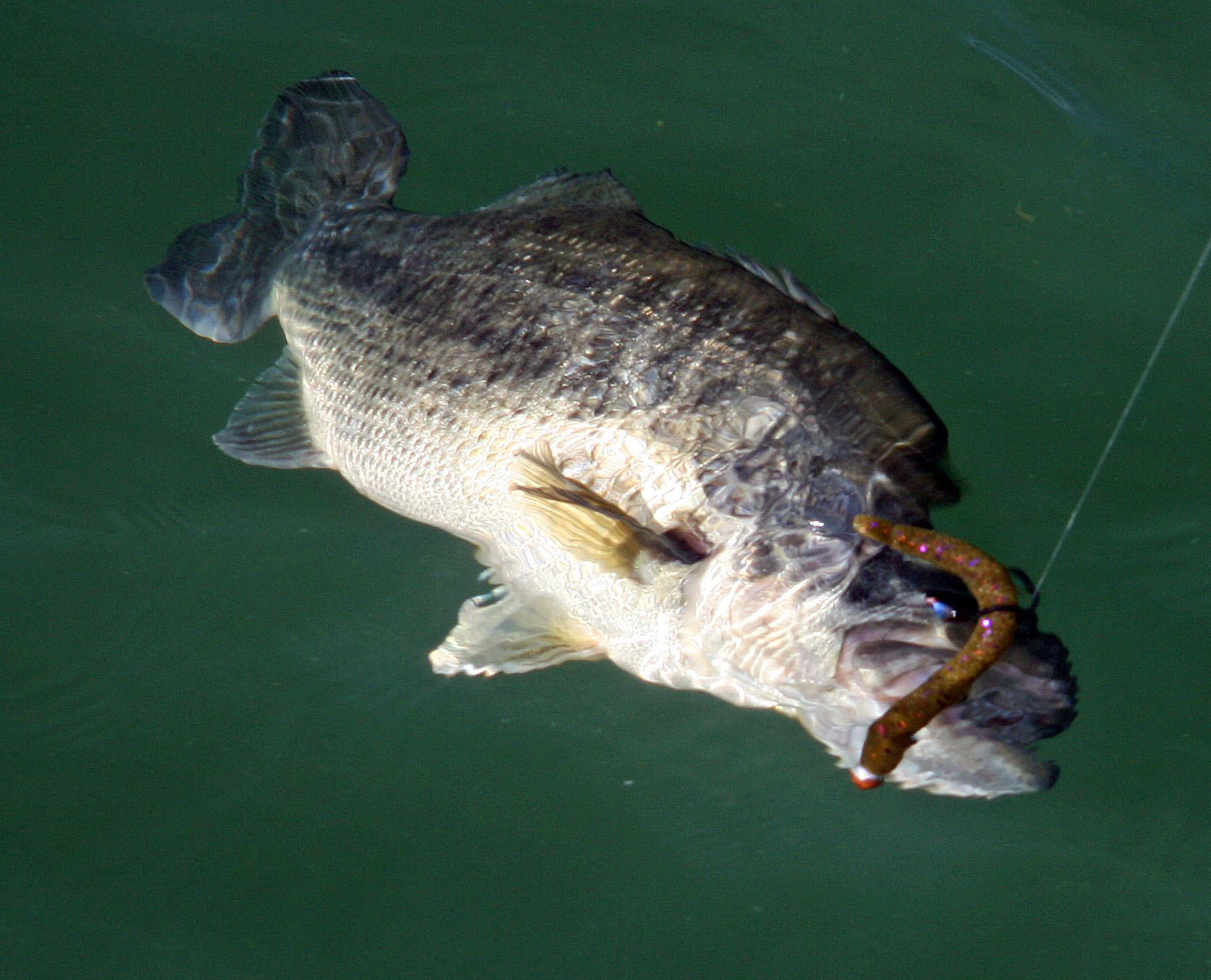
Few bass fishing techniques are as simple—and as deadly effective—as the wacky rig. While it may look unusual at first glance, this unconventional setup has become a go-to method for anglers targeting largemouth and smallmouth bass across North America. Its natural presentation and subtle action often trigger strikes when other lures fail.
The wacky rig involves hooking a soft plastic worm through the middle rather than the end, allowing both ends of the bait to flutter freely in the water. According to Bassmaster, this simple rigging style creates a slow, natural fall that closely mimics injured prey, making it extremely difficult for bass to ignore. Because of its effectiveness, many professional anglers rely on the wacky rig when bass are pressured or reluctant to bite.
Understanding how to properly rig, fish, and select tackle for this presentation can significantly improve an angler’s success on the water.
What Is a Wacky Rig?

A wacky rig is a soft plastic worm setup where the hook is inserted directly through the middle of the bait rather than through the nose. This causes the worm to bend slightly and allows both ends to move independently as it sinks.
According to Field & Stream, the most commonly used bait for this technique is a stick-style soft plastic worm, such as a Senko-style bait, because its weight allows it to sink slowly without additional weights. As the bait falls, each end of the worm wiggles and pulses in opposite directions, creating subtle movement that resembles a wounded baitfish or struggling insect.
This unique action is what makes the wacky rig so effective. Bass are naturally drawn to slow, easy meals, and the wobbling fall of the worm often triggers instinctive strikes.
The technique is particularly popular for targeting largemouth bass around docks, vegetation, and shallow cover where fish are often suspended or inactive.
How to Set Up a Wacky Rig

Setting up a wacky rig is simple and requires only a few basic pieces of tackle.
First, choose a soft plastic stick worm typically between five and six inches long. These worms are usually made from soft, salted plastic that sinks slowly and creates natural movement in the water.
Next, attach a small finesse hook to your line. According to Wired2Fish, anglers typically use a size 1 or 1/0 finesse or drop-shot hook for wacky rigs because the smaller hook allows the worm to move freely while still providing solid hook penetration.
The hook is then pushed directly through the center of the worm. Many anglers place the hook at the worm’s exact midpoint so both ends are equal in length.
Some anglers also use a rubber “O-ring” placed around the worm’s middle. The hook slides under the O-ring rather than piercing the worm itself. According to Bassmaster, this method helps the worm last longer by preventing it from tearing apart after multiple fish catches.
While the traditional wacky rig is weightless, anglers sometimes add a small nail weight to one end of the worm to help it sink faster in deeper water.
How to Fish a Wacky Rig
Fishing a wacky rig is all about patience and subtle movements.
The most common approach is to cast the bait near likely bass cover such as docks, fallen trees, brush piles, or weed edges. After the cast, anglers allow the worm to sink naturally toward the bottom.
According to Field & Stream, the majority of bites occur during this initial fall because the bait appears vulnerable and defenseless.
If the bait reaches the bottom without a strike, anglers can lightly twitch the rod tip to make the worm pulse and flutter again before letting it fall back down.
The key is to avoid overworking the lure. The natural movement of the worm is usually enough to trigger bites without aggressive action.
Because strikes can be subtle, many anglers watch their fishing line closely. If the line suddenly jumps, moves sideways, or stops sinking prematurely, it often means a bass has taken the bait.
Why the Wacky Rig Is So Effective
The effectiveness of the wacky rig comes down to one simple factor: natural presentation.
Bass are opportunistic predators, but they are also cautious—especially in heavily pressured lakes where fish see countless lures every day. According to Bassmaster, the slow fall and subtle movement of a wacky-rigged worm appear far more natural than many traditional artificial baits.
This presentation is especially effective when bass are inactive due to weather changes, fishing pressure, or seasonal transitions.
Another reason the technique works so well is its versatility. The wacky rig can be used in shallow water, around structure, or even in deeper areas when paired with weighted worms.
Wired2Fish notes that the rig is particularly effective around docks and vertical cover because the slow fall allows the bait to stay in the strike zone longer, giving bass more time to react.
Additionally, the exposed hook design provides excellent hook-up ratios, meaning anglers lose fewer fish compared to some weedless setups.
When to Use a Wacky Rig
The wacky rig is productive throughout the year, but it is especially effective during certain seasonal patterns.
During the spring spawning season, bass often guard nests in shallow water. The slow-falling worm drifting into their territory can trigger defensive strikes.
In summer, bass frequently suspend around docks, shaded areas, and vegetation. A weightless wacky rig can drift slowly through these zones where fish are waiting to ambush prey.
According to Bassmaster, the technique is also extremely productive during the fall when bass feed aggressively ahead of winter, making them more likely to strike easy targets.
Because it requires minimal gear and simple presentation, the wacky rig is also one of the best techniques for beginner anglers learning how to fish for bass.
A Simple Technique That Consistently Produces
Despite its odd appearance, the wacky rig remains one of the most reliable bass fishing techniques ever developed. Its ability to mimic vulnerable prey and stay in the strike zone longer makes it effective in lakes, ponds, and reservoirs across the country.
Professional anglers and weekend fishermen alike continue to rely on this technique because it works in a wide range of conditions and requires minimal equipment.
For anglers struggling to get bites, tying on a simple wacky rig may be one of the easiest ways to turn a slow day on the water into a productive one. As many experienced bass anglers will attest, when the fishing gets tough, few presentations can match the consistent results of a properly fished wacky rig.