
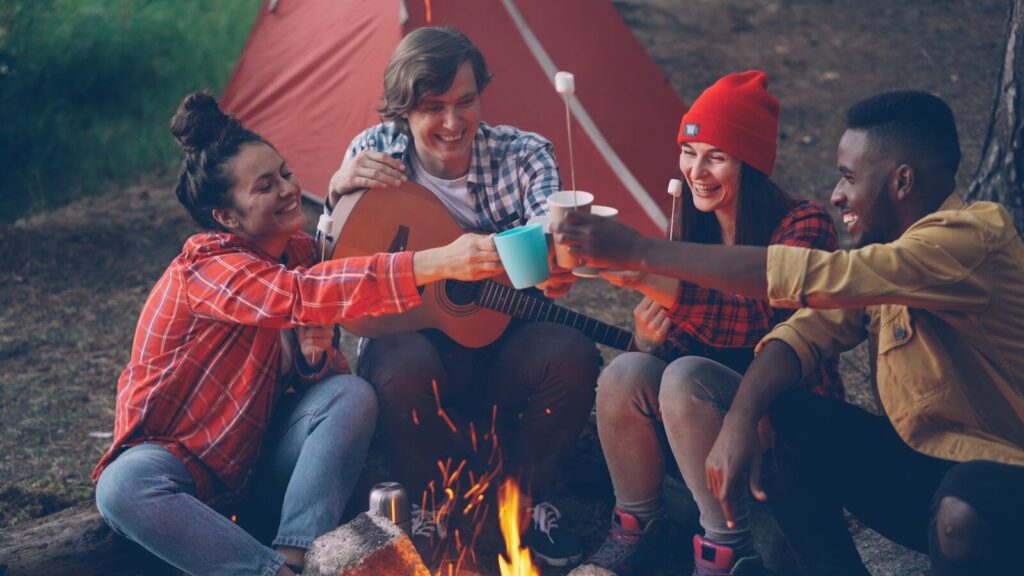
10 Camping Hacks That Make Outdoor Trips Easier for Stress-Free Adventures

Camping gives you a direct way to disconnect from routine and spend time outdoors, but small inconveniences can quickly slow you down. You face limited space, shifting weather, food storage challenges, and basic comfort needs every time you set up camp.
These camping hacks help you save space, stay organized, and solve common outdoor problems with simple, practical solutions. You learn how to manage gear, improve comfort, handle moisture and bugs, and make cooking and lighting easier without adding bulk to your pack.
1) Use a hanging shoe organizer to store small essentials like flashlights and utensils inside your tent.
You can turn a simple hanging shoe organizer into a compact storage wall for your tent. Hang it from a tent pole, gear loft hook, or a sturdy loop near the entrance. It keeps small items visible and easy to reach.
Use the pockets for flashlights, headlamps, utensils, sunscreen, bug spray, and toiletries. You avoid digging through duffel bags in the dark. Clear pockets make it even easier to spot what you need.
This setup also keeps gear off the tent floor. You reduce clutter and lower the chance of stepping on small items or losing them in bedding. It helps you maintain order in a limited space.
At the end of your trip, you can roll it up with the items still inside. That makes packing faster and simplifies setup at your next campsite.
2) Pack socks or gloves filled with dryer sheets to repel bugs around your campsite.
Place a few dryer sheets inside clean socks or lightweight gloves, then tie or seal the open end. Tuck them near your tent entrance, inside tent corners, or around seating areas.
Many campers use this method to help deter mosquitoes, flies, and other small insects. The scent from the dryer sheets may discourage some bugs from lingering in enclosed or low‑airflow spaces.
You can also slip a sheet into jacket pockets or gear bags for added coverage. Replace the sheets every day or two, especially in hot or damp conditions, since the scent fades over time.
This approach works best as part of a broader plan. Pair it with proper food storage, sealed trash bags, and EPA‑approved insect repellent on exposed skin to reduce bites more effectively.
Keep dryer sheets out of reach of pets and avoid scattering loose sheets around the campsite. Contain them in fabric to prevent litter and make cleanup simple when you break camp.
3) Wrap duct tape around a water bottle for easy access to tape throughout your trip.
Duct tape solves dozens of small problems at camp, from patching torn gear to reinforcing a loose strap. Instead of packing a bulky roll, wrap several feet directly around your water bottle.
Lay the tape flat and circle the bottle in tight, even rings. Smooth out air bubbles as you go so the layers stay secure and easy to peel off later. Add multiple wraps if you want more length without taking extra space in your pack.
This method keeps tape accessible without adding noticeable weight. You can also use other solid items, such as trekking poles or a lighter, but a water bottle offers a wide, stable surface that holds more tape.
When you need a strip, peel it off and cut or tear it to size. The bottle remains fully usable, and the tape stays clean and ready for quick repairs throughout your trip.
4) Use empty Tic Tac containers to store and organize spices for cooking.
Save your empty Tic Tac containers and turn them into compact spice holders for camping. They are lightweight, durable, and small enough to fit in any food bin or backpack pocket.
Wash and dry each container thoroughly before filling it. Remove the original label to avoid confusion, then add your own clear label with the spice name.
A standard Tic Tac box holds about one ounce, which gives you enough seasoning for several meals without packing full-size jars. The slim shape keeps your camp kitchen organized and reduces clutter.
When you transfer spices, fold a piece of stiff paper or thin cardboard to create a small funnel. Slide the folded edge into the opening and pour carefully to avoid spills.
These containers also work well for travel since they stay under common carry-on liquid limits. Whether you cook over a campfire or portable stove, you keep your favorite seasonings within easy reach without extra bulk.
5) Place a coffee filter inside your shoes overnight to absorb moisture and odor.
After a long day at camp, your shoes often trap sweat and damp air. That moisture creates odor by allowing bacteria to grow. A simple coffee filter can help manage both issues.
Fill a dry coffee filter with baking soda or dried coffee grounds. Secure it tightly with a rubber band or string so the contents stay contained. You can also use the filter alone to absorb light moisture, but adding an absorbent material increases effectiveness.
Place one prepared filter inside each shoe and leave them overnight. The baking soda neutralizes odor, while coffee grounds absorb smells and add a mild scent. Both options help reduce moisture buildup.
Make sure the grounds are completely dry before use. If they feel damp, spread them out and let them air-dry first.
In the morning, remove the filters and shake out any loose residue. Your shoes should feel drier and smell noticeably fresher, which makes the next day on the trail more comfortable.
6) Create DIY lanterns by placing a headlamp inside a clear water jug for ambient lighting.
You can turn a standard headlamp and a clear water jug into a simple camp lantern. This setup spreads light evenly instead of casting a narrow beam. It works well inside tents or around a picnic table.
Fill a clear gallon jug with water, or use one that is already full. Place your headlamp so the light shines into the side of the jug, then secure the strap around it. The water and plastic diffuse the beam and create a soft, wide glow.
You can set the jug on a flat surface or hang it from a branch with cord. This setup reduces harsh shadows and allows several people to share the light at once. It also saves space since you avoid packing a separate lantern.
Keep brightness on a low or medium setting to extend battery life. Always ensure the headlamp stays dry and stable while in use.
7) Store matches in a spent chapstick tube to keep them dry and easily accessible.
You can turn an empty chapstick tube into a compact, waterproof match case. Clean it out, let it dry completely, and remove any remaining balm. The tight-fitting cap helps block moisture during rain or humid conditions.
Slide several wooden safety matches inside and trim them slightly if needed to fit. Place a small strip of striker paper from the matchbox inside the cap or tape it to the outside of the tube. This keeps everything you need in one place.
This method works well for day hikes and short camping trips where space matters. The tube fits easily in a pocket, first aid kit, or small gear pouch.
For longer trips, store extra matches in a durable airtight container with a screw-on lid as backup. A chapstick tube serves as a lightweight, accessible option you can grab quickly when you need to start a fire.
8) Use a clean sponge inside a sealed ziplock bag as an emergency fire starter.
Pack a small, clean sponge inside a sealed ziplock bag to create a compact emergency fire starter. The sponge absorbs and holds liquid fuel, while the bag keeps everything dry in your pack.
Before your trip, dampen the sponge with a small amount of rubbing alcohol or another safe, approved fire-starting liquid. Seal the bag tightly to prevent leaks. Store it away from food and direct heat.
When you need to start a fire, remove the sponge and place it under your kindling. The sponge helps the flame catch quickly and burn long enough to ignite small sticks and dry tinder. Use a lighter or match to light one corner.
Keep the bag for reuse and replace the sponge if it becomes heavily charred. Always follow campground fire rules and handle flammable materials with care.
9) Hang a solar shower bag in trees for a warm rinse after a long day outdoors.
You can turn sunlight into a simple hot shower with a solar shower bag. Fill the bag with water, seal it tightly, and place it in direct sun for a few hours before you plan to wash up.
Most 5-gallon models provide enough water for two or three quick showers. On a clear day, many bags heat water to about 110–115°F in roughly three hours, which feels comfortable without needing fuel or electricity.
Hang the bag from a sturdy tree branch using the built-in handle or a strong strap. Make sure the branch supports the full weight, since five gallons of water weighs over 40 pounds.
Position the shower head at shoulder height for better control and steady flow. Use a small ground mat or stand on flat rocks to avoid mud.
Keep your shower short to conserve water, especially on multi-day trips. When you finish, empty the bag, let it dry, and store it out of direct sunlight to extend its lifespan.
10) Use frozen water bottles to keep your cooler cold and provide drinkable water as they melt.
Freeze several reusable water bottles before you leave. Place them at the bottom and along the sides of your cooler to act as solid ice packs.
Unlike loose ice, frozen bottles do not create pooled water that can soak food packaging. This helps keep items dry and reduces the need to drain the cooler throughout your trip.
A full cooler stays colder longer, so use the frozen bottles to fill empty space. Less air inside means less warm air enters each time you open the lid.
As the bottles thaw, you gain cold drinking water without carrying separate ice and extra containers. You can refreeze them at home for your next trip, which saves money and reduces waste.
For best results, pre-chill your cooler before packing and keep it closed as much as possible. Combine frozen bottles with perishable foods that are already cold to maintain a safe internal temperature.
Understanding the Science Behind Effective Camping
Effective camping hacks work because they rely on basic principles of heat transfer, moisture control, energy conservation, and human behavior. When you understand why they work, you make smarter decisions with your gear and your time outdoors.
How Hack Techniques Improve Comfort and Safety
Many camping hacks succeed because they manage heat, water, and friction—three factors that directly affect comfort and safety.
For example, placing a foam pad under your sleeping bag reduces conductive heat loss to the ground. The earth pulls heat away from your body overnight, even in mild weather. Insulation slows that transfer and helps you maintain a stable core temperature.
Simple fire starters like cotton coated in petroleum jelly work because they increase surface area and burn time. This gives damp wood more time to dry and ignite. You reduce the risk of failed fires in cold or wet conditions.
Smart food storage techniques also rely on science. Hanging food or using sealed containers limits scent dispersion and reduces wildlife attraction. This lowers the chance of animal encounters and protects your supplies.
You also improve safety when you:
- Keep gear organized to reduce trip hazards
- Use layered clothing to regulate body temperature
- Ventilate tents to control condensation buildup
Each technique targets a specific physical variable, which makes your campsite more stable and predictable.
The Psychology of Outdoor Problem Solving
Camping forces you to solve problems with limited tools and changing conditions. Hacks work well because they reduce cognitive load and increase perceived control.
When you prepare systems in advance—like pre-sorted gear bags or labeled containers—you make decisions faster. This lowers stress, especially in bad weather or low light. Your brain performs better when it handles fewer small choices.
Improvised solutions also build confidence. When you repair a torn tent with duct tape or create a lantern diffuser from a water jug, you reinforce practical competence. That sense of control improves mood and group morale.
You benefit most when you:
- Anticipate common problems
- Practice simple fixes at home
- Keep tools accessible
Clear systems and adaptable thinking help you stay calm, make better judgments, and enjoy the experience with fewer frustrations.
Optimizing Your Camping Experience
You improve any camping hack when you match it to your environment and reduce your impact on the land. Smart adjustments keep you comfortable while protecting the places you visit.
Adapting Hacks for Different Climates
You must adjust your gear and routines based on temperature, humidity, and terrain. A hack that works in dry summer weather can fail in cold rain or desert heat.
In cold climates, focus on insulation and moisture control. Line your sleeping area with a foam pad under your sleeping bag, and store clothes in a dry bag inside the tent to prevent overnight dampness. Warm a water bottle and place it inside your sleeping bag before bed to retain heat safely.
In hot or desert conditions, prioritize shade and hydration. Set up your tent where it gets morning sun and afternoon shade. Freeze water bottles before departure so they act as both ice packs and drinking water as they thaw.
For wet or humid areas, elevate gear off the ground. Use a simple tarp footprint under your tent and a ridgeline under your rainfly to reduce leaks. Keep fire starters in waterproof containers so you can cook even after heavy rain.
Match each hack to the forecast, not just the location.
Ensuring Sustainability and Minimal Impact
You should apply camping hacks without increasing waste or damaging natural areas. Convenience should not override responsible behavior.
Follow Leave No Trace principles:
- Pack out all trash, including food scraps
- Use reusable containers instead of single-use packaging
- Camp on durable surfaces like gravel or established pads
Choose multi-use items to reduce what you carry. A metal water bottle can serve as a hot water heater, a cooking vessel, and a drinking container.
Avoid trenching around tents or cutting live branches for firewood. Use existing fire rings and keep fires small. When possible, cook with a camp stove to limit wood use and reduce smoke impact.
Efficient systems make your trip easier while keeping the campsite intact for the next visitor.