
10 Giant Fish That Still Swim U.S. Rivers
River Monsters Still Lurking Beneath the Surface
America’s rivers hold far more than just small panfish and bass. Beneath the muddy currents of some waterways swim true giants—fish that can weigh well over 100 pounds and stretch longer than a person.
Many of these species have lived in North American rivers for thousands or even millions of years. Some are prehistoric survivors that look more like ancient creatures than modern fish.
According to fisheries research compiled by the U.S. Fish and Wildlife Service, several freshwater species in the United States are capable of reaching enormous sizes when conditions allow them to grow for many years.
For anglers chasing trophy catches or simply fascinated by the creatures beneath the surface, these are some of the biggest fish still swimming in U.S. rivers today.
Alligator Gar
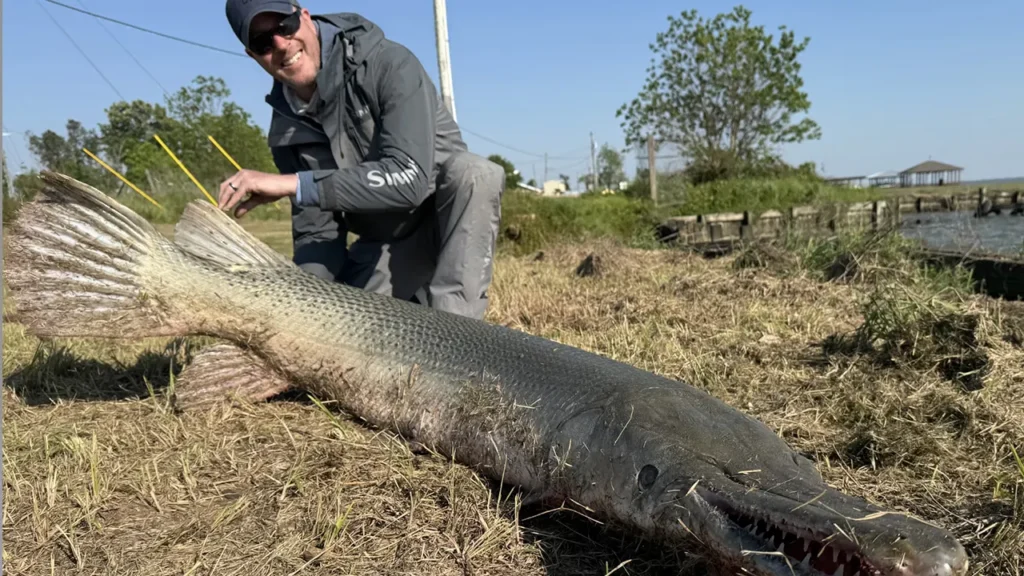
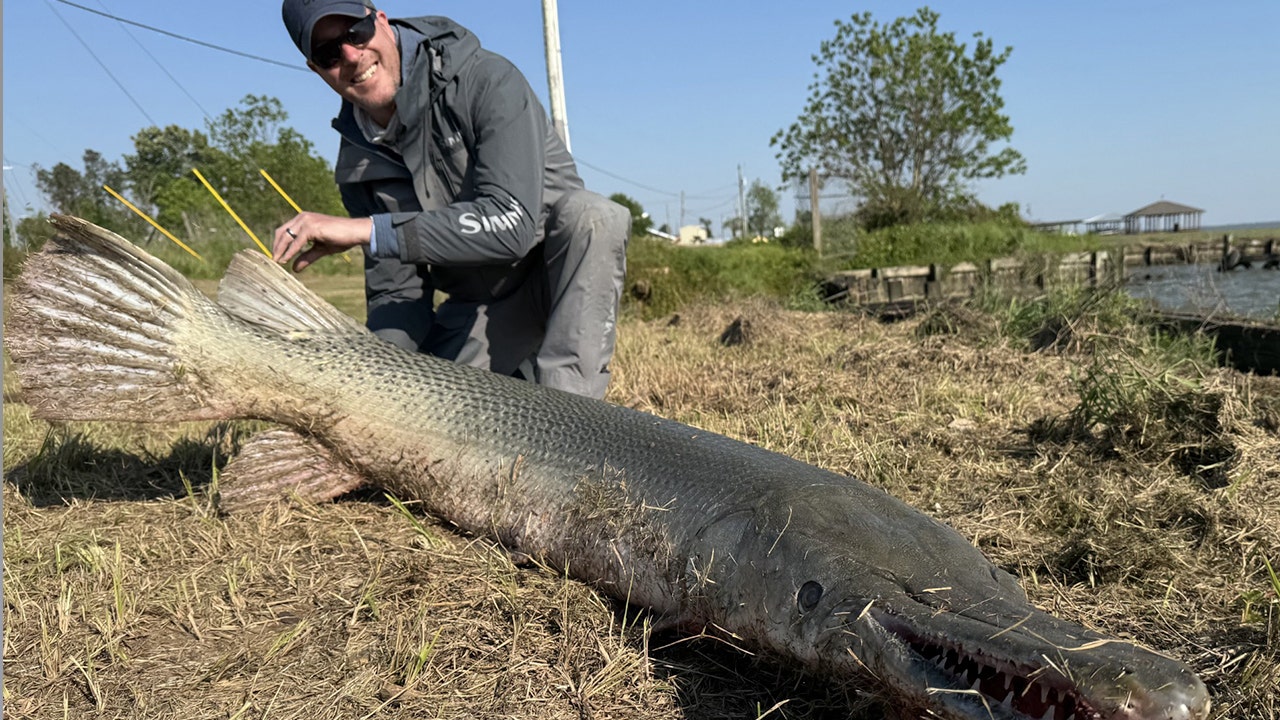
Few freshwater fish look as intimidating as the alligator gar. With its long armored body and rows of sharp teeth, this prehistoric predator has earned a reputation as one of the most formidable fish in North America.
Alligator gar can grow to lengths exceeding eight feet and weigh more than 300 pounds.
According to research from the Texas Parks and Wildlife Department, these fish primarily inhabit large rivers and reservoirs across the southern United States, including the Mississippi River basin.
Despite their fearsome appearance, alligator gar play an important ecological role by helping control populations of other fish species.
Blue Catfish
Blue catfish are among the largest freshwater predators in North America.
These powerful fish commonly inhabit large rivers such as the Mississippi, Missouri, and Ohio Rivers. Blue catfish can grow well over 100 pounds, and trophy specimens regularly exceed four feet in length.
According to fisheries research conducted by the Virginia Department of Wildlife Resources, blue catfish are opportunistic feeders that consume fish, mussels, and other aquatic organisms.
Their aggressive feeding behavior makes them a favorite target among trophy catfish anglers.
Flathead Catfish
Another river giant is the flathead catfish.
Unlike some catfish species that primarily scavenge, flatheads are active predators that hunt live prey. They often inhabit deep holes and submerged structures in large rivers.
According to the Missouri Department of Conservation, flathead catfish can exceed 100 pounds and are capable of living for decades.
Some of the largest flatheads ever caught have been pulled from the Mississippi River and its tributaries.
Lake Sturgeon
Lake sturgeon are among the oldest fish species in North America.
These prehistoric fish have existed for more than 150 million years and can grow to enormous sizes. Mature lake sturgeon commonly exceed six feet in length.
According to research conducted by the U.S. Geological Survey, lake sturgeon populations once thrived across the Great Lakes and major river systems but declined significantly due to overfishing and habitat loss.
Today, conservation programs in several states are helping restore sturgeon populations.
Paddlefish
Paddlefish are another ancient species that still inhabit major American rivers.
Recognizable by their long paddle-shaped snout, these fish feed primarily on plankton rather than other fish.
Despite their unusual diet, paddlefish can grow extremely large. Specimens weighing over 100 pounds are not uncommon.
According to the Oklahoma Department of Wildlife Conservation, the Grand Lake region of Oklahoma produces some of the largest paddlefish in the world.
Muskellunge
Often called the “fish of 10,000 casts,” muskellunge are among the most sought-after freshwater predators.
These powerful fish inhabit northern rivers and lakes and can grow longer than five feet.
According to fisheries data from the Wisconsin Department of Natural Resources, muskellunge are apex predators that feed on fish, waterfowl, and even small mammals.
Their size and aggressive strikes make them legendary among anglers.
Northern Pike
Northern pike share many similarities with muskellunge and are known for their ferocious feeding behavior.
These ambush predators hide in aquatic vegetation before launching explosive attacks on passing prey.
According to the Minnesota Department of Natural Resources, northern pike can grow longer than four feet and weigh over 40 pounds in productive waters.
Their razor-sharp teeth and aggressive strikes make them one of the most exciting fish to catch.
Striped Bass
Striped bass are unique because they can live in both saltwater and freshwater environments.
These powerful fish migrate up rivers along the Atlantic coast and can reach impressive sizes.
According to research from the National Oceanic and Atmospheric Administration, striped bass weighing more than 50 pounds have been recorded in major river systems.
Their strength and endurance make them one of the most prized sport fish in North America.
Chinook Salmon
Chinook salmon, also known as king salmon, are the largest of the Pacific salmon species.
These fish migrate from the ocean into freshwater rivers to spawn, sometimes traveling hundreds of miles upstream.
According to fisheries data from the U.S. Fish and Wildlife Service, Chinook salmon can exceed 90 pounds under ideal conditions.
Their migrations represent one of the most impressive natural events in North American rivers.
Freshwater Drum
Often overlooked by anglers, freshwater drum can grow surprisingly large.
These fish inhabit many of the same rivers as catfish and bass, particularly throughout the Mississippi River basin.
According to the Illinois Department of Natural Resources, freshwater drum can exceed 50 pounds and live for decades.
Though they don’t receive the same attention as other trophy species, drum are powerful fighters when hooked.
Giants Beneath America’s Waters
America’s rivers are home to an incredible diversity of fish, including species capable of reaching truly enormous sizes.
Some are ancient survivors that have lived in these waters for millions of years, while others are powerful predators that dominate their ecosystems.
For anglers and wildlife enthusiasts alike, these river giants serve as reminders that the waters flowing across the country still hold remarkable creatures beneath the surface.
And somewhere in those rivers, one of these giants may still be growing.