

You’ll find Arkansas packed with diverse places to camp and hike, from rugged forests to lakeside clearings, and I’ll guide you through five top spots that showcase that variety. You’ll learn where to go for bold ridgeline views, quiet backcountry solitude, and family-friendly campground comforts so you can pick the experience that fits your trip.
I’ve planned the article to cover state parks, national forests, and practical tips for exploring Arkansas’s landscapes, so you can decide where to hike, camp, and what to prepare for next. Follow along and I’ll point out what makes each area worth your time and how to get the most from your outdoor adventure.
1) Devil’s Den State Park
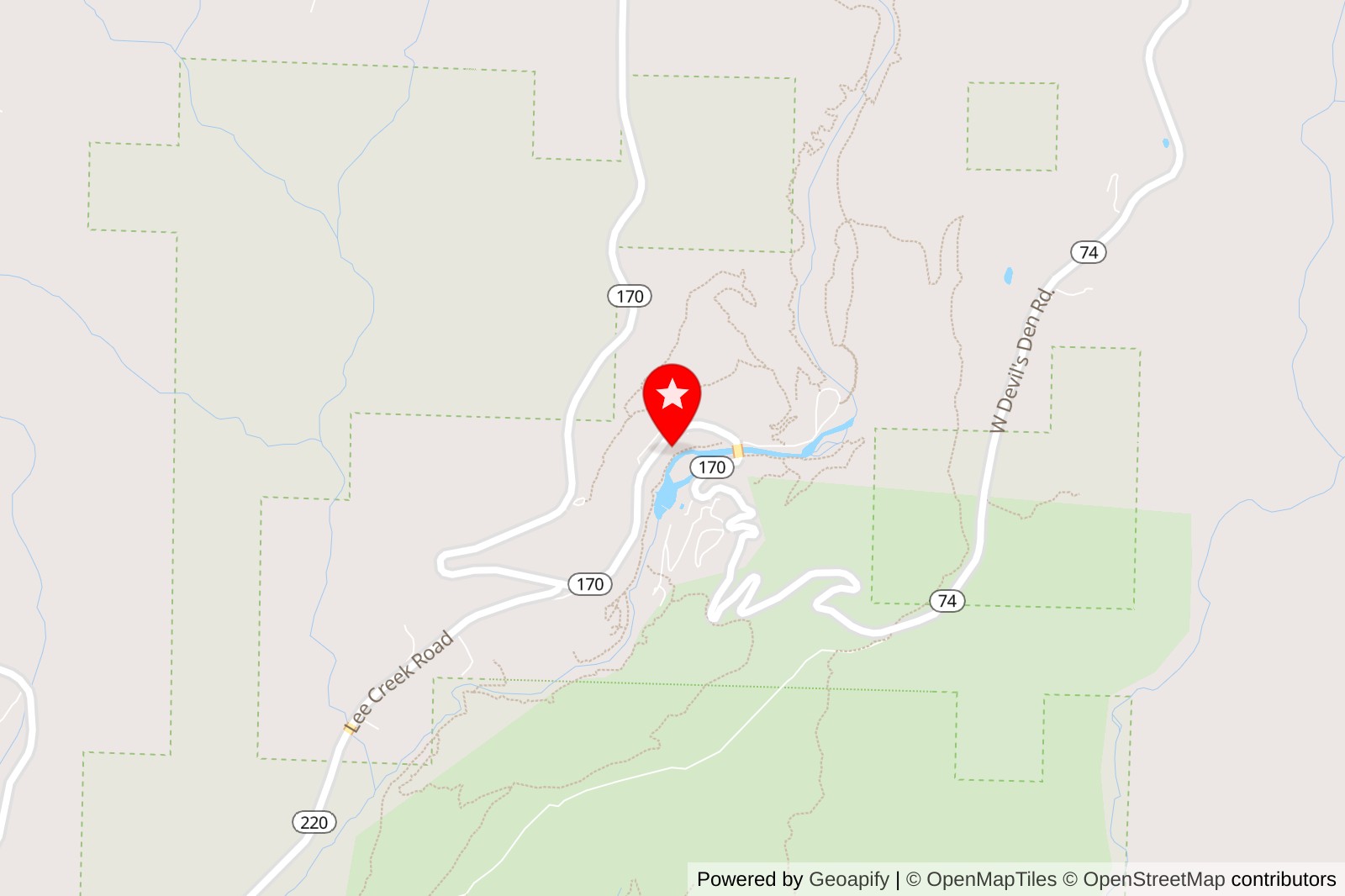
I hiked the Butterfield and Lee Creek trails on a cool morning and felt the CCC-era stonework settle the place into the landscape. The rock formations and caverns give the trails variety — one moment you’re in a shaded ravine, the next you’re on a bluff with long views of the Lee Creek valley.
I stayed in a full-service cabin that blends rustic 1930s construction with modern comforts like air conditioning and a stocked kitchen. Evenings around the lake felt calm; anglers were patient at the dam-created Lake Devil while the sunset lit the sandstone.
The trail network connects to the Ozark National Forest, so you can turn a day hike into a multi-day backpacking route. Mountain bikers and horseback riders will find designated loops, and park interpreters run guided walks and seasonal events that add local history to the landscape.
Visitor amenities are strong: a year-round visitor center, seasonal cafe and pool, a store, and a range of campsites including camper cabins for a simpler stay. I left with a clear sense of the park’s CCC legacy and plenty of route options for next time.
Rating: 4.8 (Google)
Location: Devil’s Den State Park
Contact: (479) 761-3325
Website: Visit Website
2) Ozark National Forest
I hiked a mix of short loops and longer ridgeline trails that wind through hardwoods and sandstone bluffs. The routes vary from easy creekside walks to steep climbs with wide views, so you can plan a mellow day or push for a full backcountry loop.
I camped at a dispersed site under tall pines and woke to birds and distant stream noise. Fire-managed prairies and prescribed burns are visible in places; they keep the forest healthy and open up wildflower meadows in spring.
I explored Blanchard Springs Caverns on a guided tour and booked through Recreation.gov in advance. The caverns are a cool contrast to the sunlit trails and offer a well-run visitor experience when tours aren’t sold out.
I noticed active forest management: timber sales and burn units are common and help reduce wildfire risk while improving wildlife habitat. Maps and interactive downloads from the forest service made navigation easy for both trails and backcountry routes.
Rating: 4.8 (Google)
Location: Russellville, AR 72801
Contact: (479) 964-7200
Website: Visit Website
3) Ouachita National Forest
I hiked a section of the Ouachitas that blended rolling pine ridges with sudden, rocky outlooks. Trails range from easy loop walks to long backcountry routes, so I could choose a relaxed day hike or push for a full-day challenge without leaving the same forest.
Campsites sit near quiet lakes and shaded valleys; I found dispersed sites that felt private and developed campgrounds with potable water and vault toilets. Boating and fishing are common, and I watched anglers on a glassy morning lake while birds called from the trees.
The landscape changes quickly—one ridge gives wide vistas, the next drops into fern-filled hollows. I also noticed active forest management: prescribed burns and timber work help maintain healthy stands and reduce wildfire risk, and those efforts keep many trails open and scenic.
Maps and visitor information made planning simple, and rangers were helpful when I stopped by the district office. Whether you want a brief scenic drive, a multi-day backpacking stretch, or kayak time on a quiet reservoir, the Ouachita offers variety close to towns like Hot Springs.
Rating: 4.8 (Google)
Location: Hot Springs, AR 71902
Contact: (501) 321-5202
Website: Visit Website
4) Lake Catherine State Park
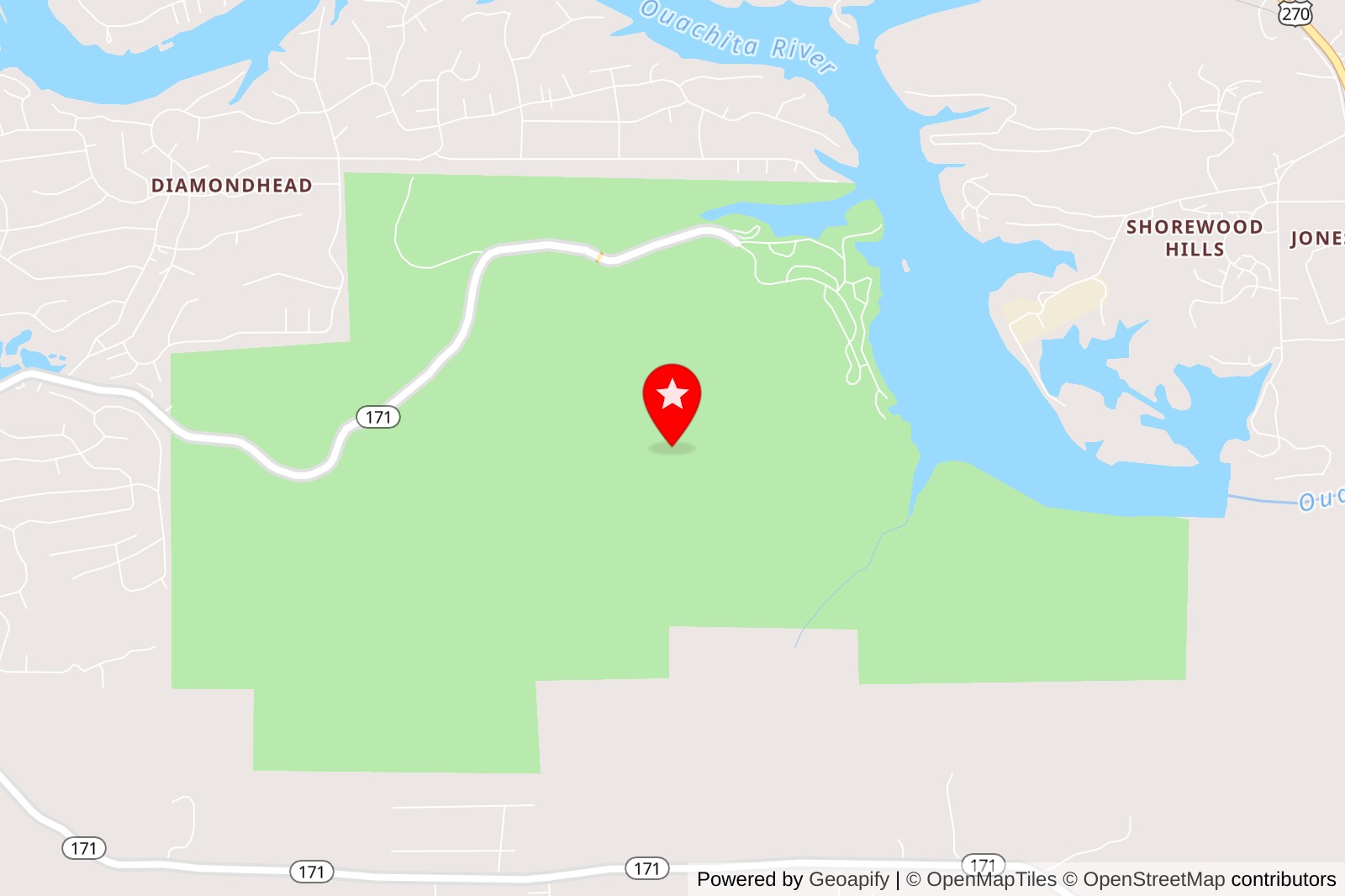
I arrived mid-morning and found the lake calm, framed by pine and oak slopes. The marina has the only full-service dock on Lake Catherine, so renting a boat or picking up bait was quick and easy.
I hiked a well-marked trail that leads to a small waterfall; the path is pleasant and not crowded. The CCC-era stone buildings and rustic cabins give the park a quiet, historic feel that I appreciated while exploring the shoreline.
Camping options sit right on the lake and include water-side Class AAA sites and primitive tent spots; I saw families pitching tents within easy walking distance of the water. The cabins are comfortable and varied — some are converted CCC barracks with cozy fireplaces and others offer larger, multi-room layouts suitable for groups.
Park staff run interpretive programs and seasonal horseback rides, which I noticed advertised at the visitor center. The marina and visitor services follow a summer-focused schedule, so plan trips accordingly if you go in spring or late fall.
Rating: 4.7 (214 reviews)
Location: 1200 Catherine Park Rd, Hot Springs, AR 71913
Contact: (501) 844-4176
Website: Visit Website
5) Petit Jean State Park
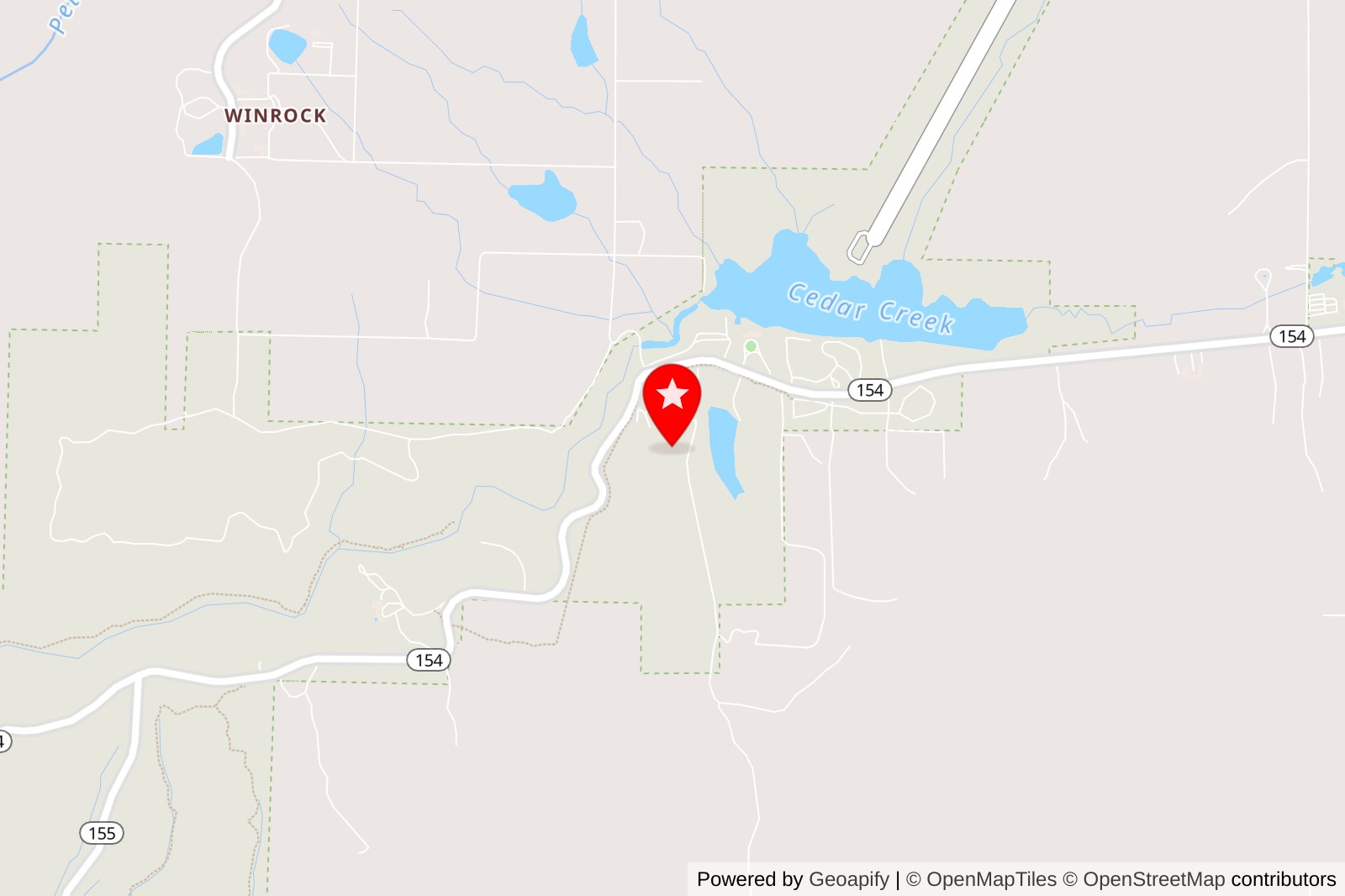
I hiked the bluff trails at Petit Jean and felt the scale of Cedar Creek Canyon immediately. The trails drop into shaded hollows and open onto overlooks where the 95-foot Cedar Falls frames the view; the rock formations and carved bluffs rewarded every short detour.
I stayed in one of the historic CCC-style cabins near the lodge and enjoyed a quiet evening by the big lobby fireplace. The lodge itself feels timeless, with log-and-stone architecture and a small restaurant that made it easy to relax after long walks.
Lake Bailey is calm and accessible for a paddle or a slow afternoon of fishing. Campsites and yurt rentals sit close to water and trailheads, so I could start a hike within minutes of packing up camp.
Ranger programs and marked interpretive trails added context to the landscape and to the site’s history, including its Trail of Tears connection. The park’s mix of geology, built-heritage, and easy access to multi-length hikes makes it one of the most complete outdoor stays in Arkansas.
Rating: 4.9
Location: 1285 Petit Jean Mountain Rd, Morrilton, AR 72110
Contact: (501) 727-5441
Website: Visit Website
Essential Tips for Exploring Arkansas’s Outdoors
I focus on timing, packing, and low-impact practices that keep trips safe and enjoyable. Expect specific seasonal advice, a targeted gear checklist, and clear Leave No Trace actions you can use on and off trail.
Best Times to Visit
I recommend late spring (mid-April to early June) and early fall (late September to October) for most Arkansas destinations. Temperatures sit comfortably between the 50s–70s°F, wildflowers and fall color peak, and insect pressure is lower than midsummer.
If you plan to fish or boat, summer (June–August) gives warm water and full access to lakes, but expect higher humidity, afternoon thunderstorms, and crowded state parks like Petit Jean and Lake Ouachita. Winter can be ideal for backpacking in the Ozarks if you want solitude; bring layers for nights that often drop below freezing.
Check local park webcams and recent trail reports before you go. Heavy spring rains can wash out lowland trails and close float-in campsites, while early snow or ice may affect high-elevation routes in late fall and winter.
What to Pack for Camping and Hiking
I pack by activity, not by habit: day hikes need a lightweight daypack, 2 liters of water, trail snacks, a map or downloaded offline map, headlamp, rain shell, and a basic first-aid kit. For multi-day trips add a three-season tent, sleeping bag rated to at least 20°F below expected night lows, sleeping pad, stove, fuel, and bear-resistant food storage if required.
Wear layered clothing: moisture-wicking base layer, insulating mid-layer, and waterproof breathable shell. Footwear matters—broken-in hiking boots or trail runners with good tread reduce blisters on rocky Ozark trails. Include insect repellent with DEET or picaridin, sunscreen (SPF 30+), and a hat for sun protection.
Use a checklist and pre-trip pack-out test: load your pack and carry it 1–2 miles to confirm weight and comfort. Photograph vehicle contents and campsite location coordinates—cell service can fail in remote areas.
Leave No Trace Principles
I follow Leave No Trace (LNT) to protect fragile Arkansas habitats like wetlands and blufftop forests. Practice seven core principles: plan ahead, travel and camp on durable surfaces, dispose of waste properly, leave what you find, minimize campfire impact, respect wildlife, and be considerate of other visitors.
Specifically, camp on established sites or rock when possible; avoid trampling understory plants and ferns. Pack out all trash and food scraps; use provided vault toilets or dig catholes 6–8 inches deep at least 200 feet from water for human waste when toilets are unavailable. Replace disturbed rocks and scatter naturalized soil over any dug areas.
If you built a fire in an area that allows it, use existing fire rings, burn only small wood, and ensure the fire is cold to the touch before leaving. Observe wildlife quietly and at a distance; never feed animals or leave food unattended.
Understanding Arkansas’s Unique Landscapes
I highlight the rock types, elevation changes, water features, and trail conditions that shape hiking and camping choices. Knowing where steep bluffs, dense pine stands, or clear streams dominate helps pick the right gear and itinerary.
Ozark Mountains Terrain
I find the Ozarks in northwest Arkansas defined by rugged, folded limestone and sandstone ridgelines that rise to about 2,500 feet. Trails often follow narrow ridges, drop into steep hollows, or run along serrated bluffs, so expect frequent elevation changes and rocky footing.
Water is concentrated in springs, seeps, and small streams that carve box canyons and create seasonal waterfalls. Vegetation shifts rapidly—oak-hickory forests on ridge tops and mesic hardwoods in sheltered coves—so shade and wind exposure vary across short distances.
Trail signage can be inconsistent on lesser-used routes. I recommend footwear with good traction, a topo map or GPS, and rain protection: sudden storms run off limestone fast and can make paths slick.
Ouachita National Forest Features
I describe the Ouachitas as long, east–west folded mountains with broad, rounded ridges and fewer abrupt cliffs than the Ozarks. Elevations generally range from 500 to 2,600 feet, producing longer, steadier climbs and more continuous ridge-line hiking.
Granite and novaculite outcrops create durable, rocky surfaces; they host open pine and mixed-pine-hardwood stands that tolerate periodic fire. I note extensive creek networks and several clear, spring-fed lakes that support dispersed and hike-in camping options.
Trails here often run along old logging roads and historic routes, offering straightforward navigation but varied surface conditions. I carry layered clothing for cool ridge winds, insect repellent for low-lying campsites, and water filtration when using stream sources.