
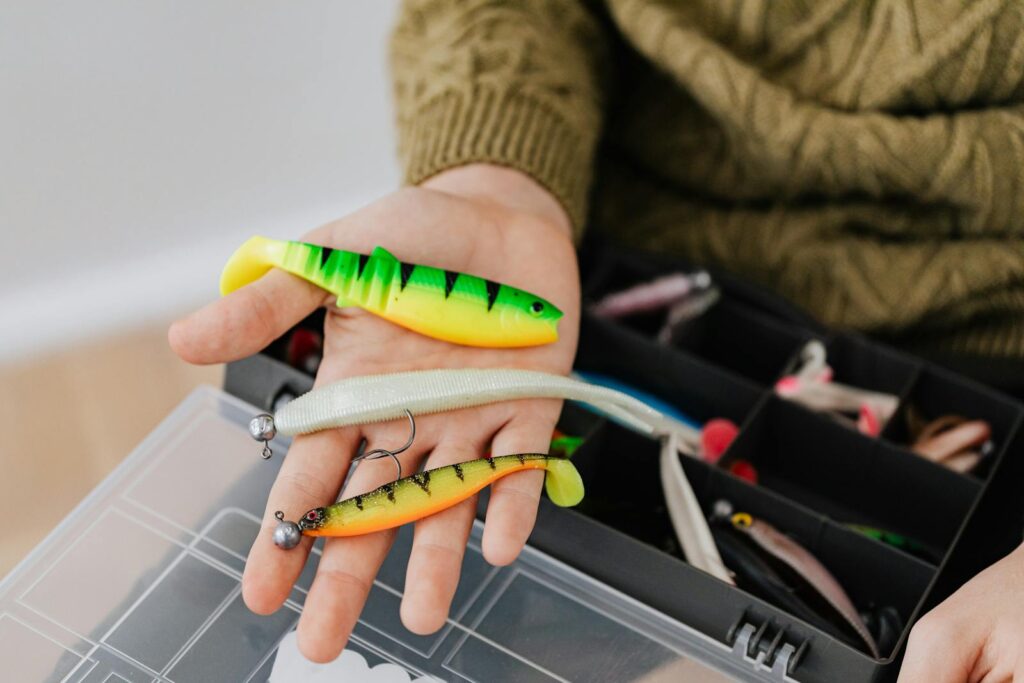
You want guides who know Texas water without the overhead of big charters, and I’ll show you five smaller outfits that deliver local knowledge, flexible schedules, and more personalized trips. Expect practical tips on what each guide specializes in, where they operate, and how they can improve your chances of catching fish while fitting your skill level and schedule.
I’ll point out what makes smaller guides different from larger operations—from lake bass tactics to coastal flats and bowfishing—and how that can translate into a better day on the water. You’ll get clear factors to consider when choosing a guide and quick strategies to make the most of each trip.
1) Torwick’s Guiding Service
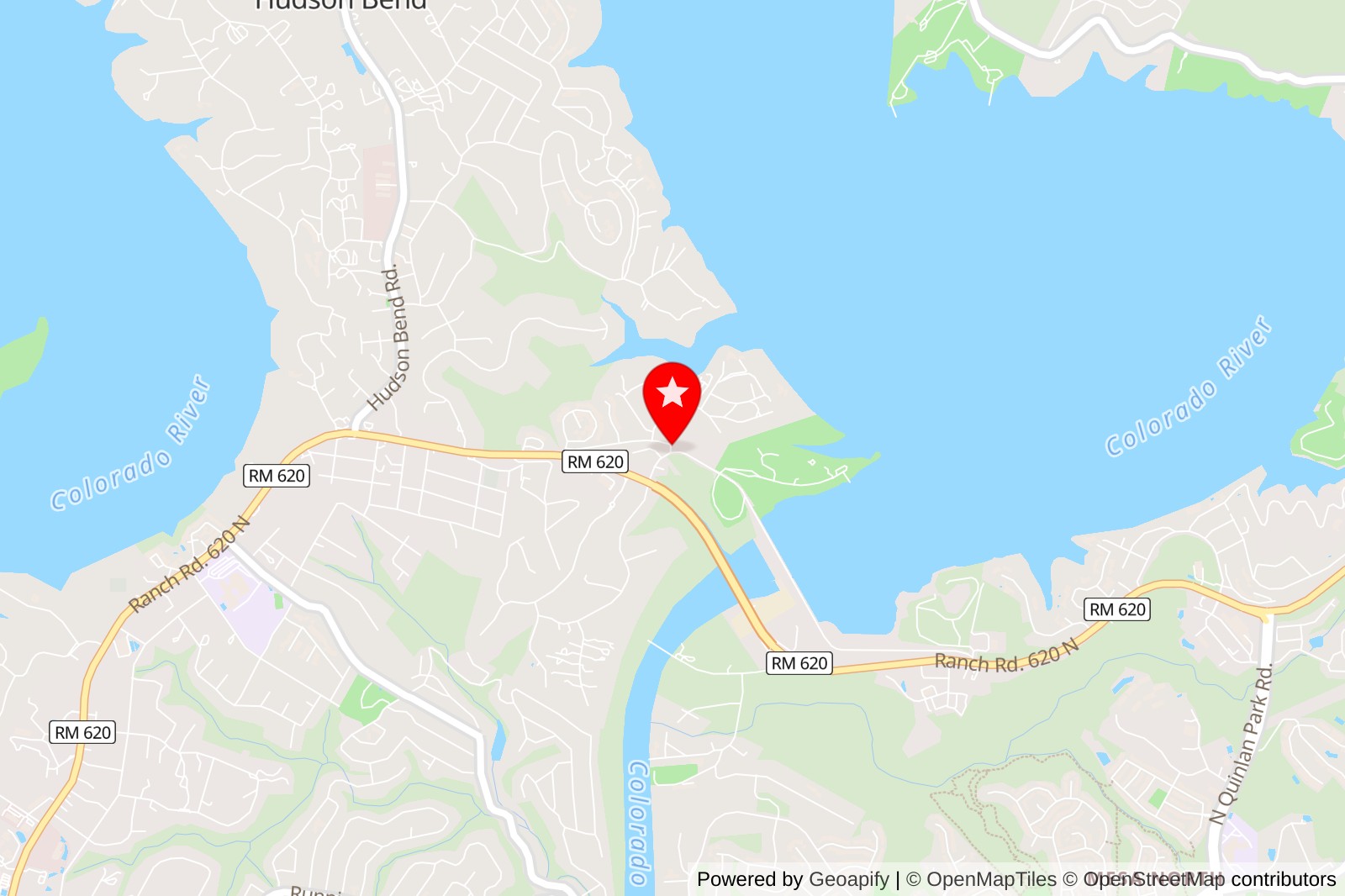
I joined a half-day trip with Tyler on Lake Travis and came away impressed by how organized and educational the outing felt. His Phoenix 921 Elite is spotless and runs quietly, which made spotting fish and using the live sonar a lot easier than I expected.
Tyler focuses on teaching as much as catching, so I learned a few reliable bass techniques that I still use. He tailored instruction to my skill level, walked me through rod selection and retrieves, and showed live sonar and 360 imaging in action.
The trip included rods, tackle, and everything else I needed, so I only brought my license and a willingness to learn. He welcomes families and younger anglers, and I noticed he patiently coached a kid nearby through their first keepable bass.
If you want a guide who balances fishing success with practical coaching, Tyler delivers consistent, hands-on instruction from a top-tier boat. Booking online made finding open dates straightforward, and his communication before the trip was clear and professional.
Rating: 5 (146 reviews)
Location: 4370 Mansfield Dam Rd, Austin, TX 78732
Contact: (512) 910-7255
Website: Visit Website
2) North Texas Fishing Guides – Lake Lewisville
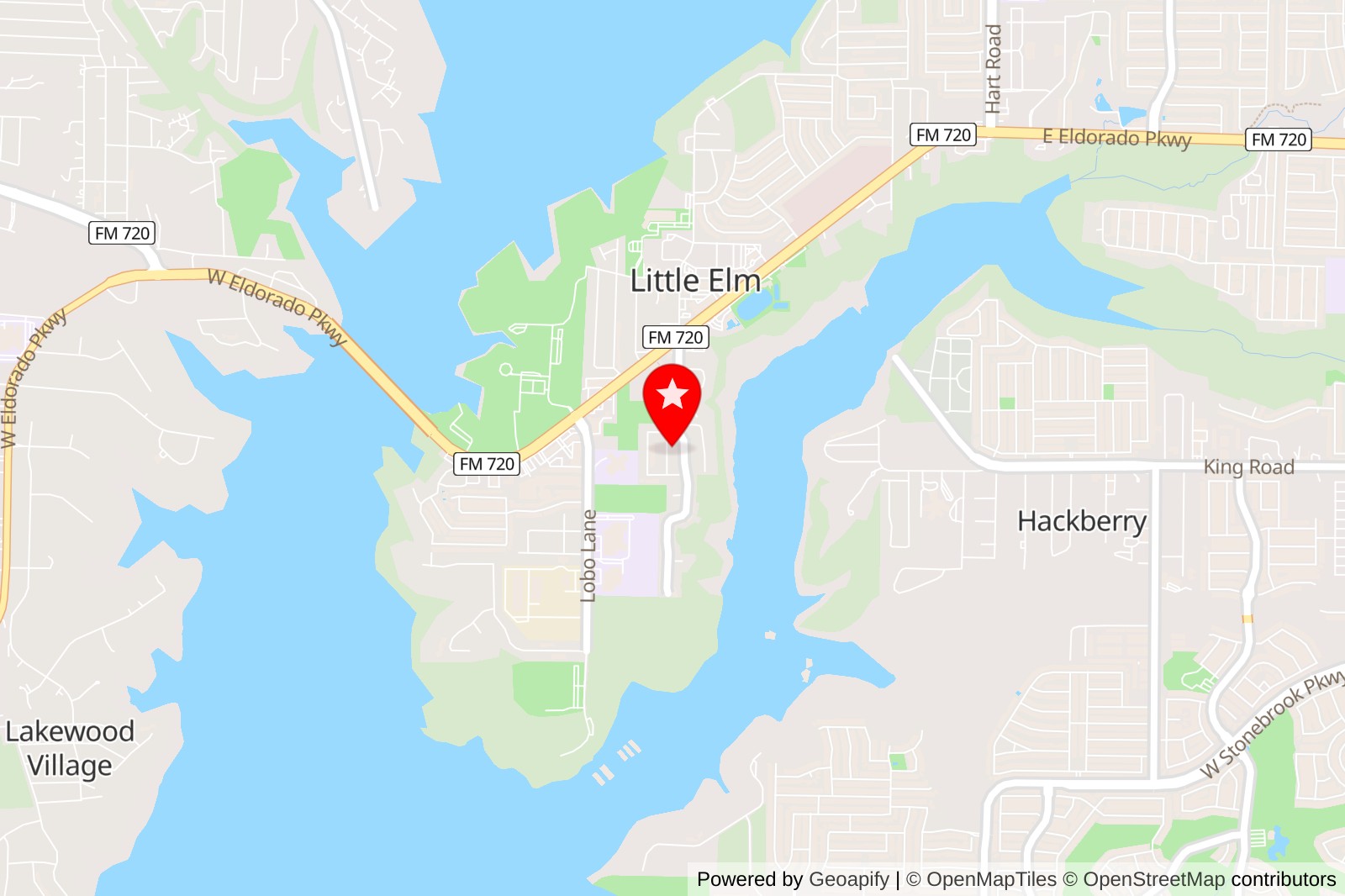
I spent a calm morning fishing with North Texas Fishing Guides on Lake Lewisville and appreciated how efficiently they got us on productive water. The guide read the wind and structure quickly, and we found consistent bites without chasing the whole lake.
Equipment was well maintained and suited for light tackle bass techniques. The boat felt safe and organized, with coolers and shade that mattered on a sunny afternoon.
The guide offered clear instruction without being overbearing, which helped me tighten up a few techniques. I left with practical tips I used on later trips and a solid sense of where to target during different conditions.
Rating: 4.9 (35 reviews)
Location: 208 Elm Ln, Little Elm, TX 75068
Contact: (860) 514-9659
Website: Visit Website
3) Clear Lake Texas Fishing Trips
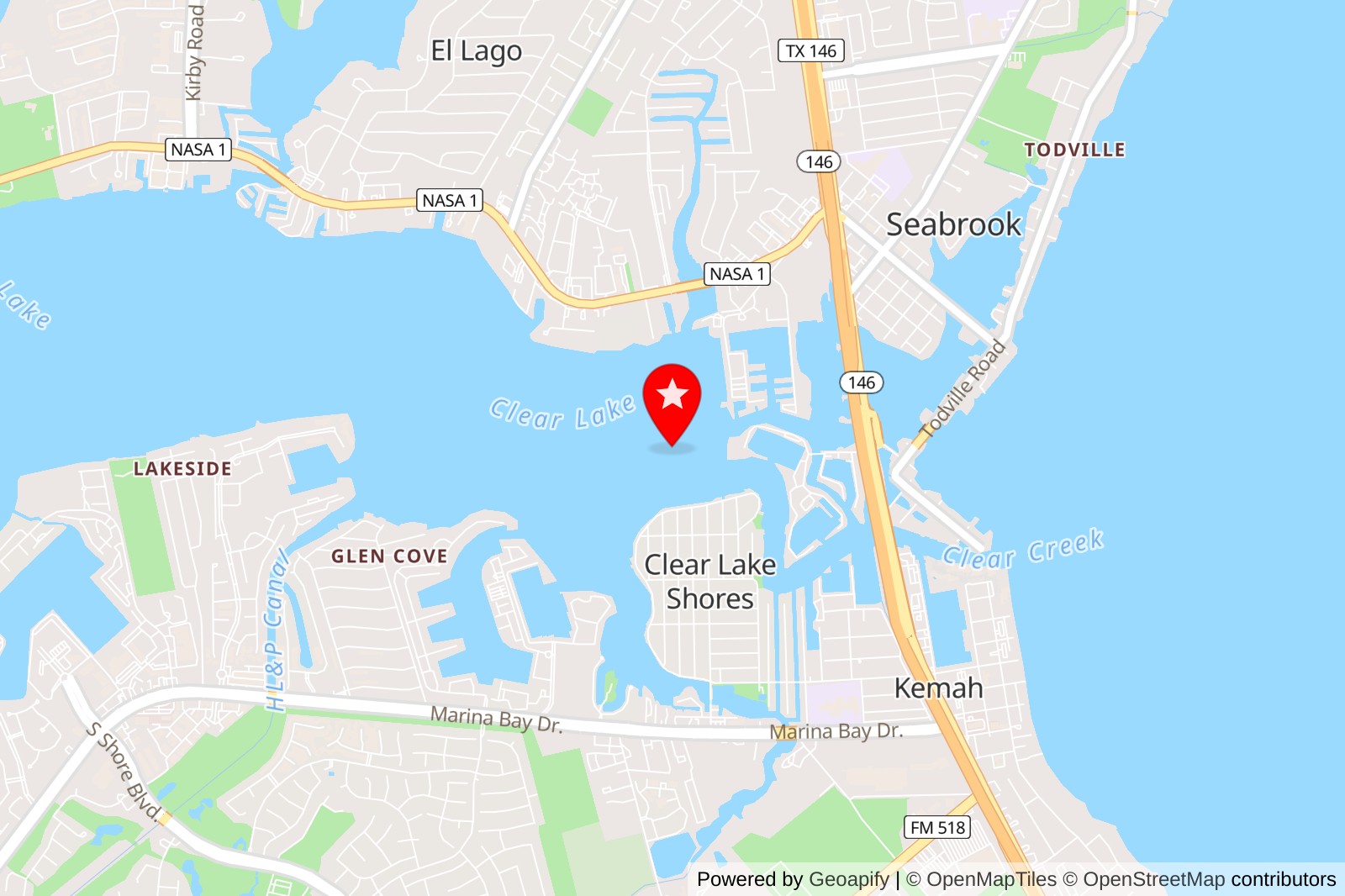
I took a half-day trip with Clear Lake Texas Fishing Trips and left impressed by how organized everything felt. The guide walked me through gear and bait quickly, then we were on the water within minutes; that made the morning efficient and focused on fishing.
The boat handled choppy bay conditions well and felt stable while we targeted redfish and speckled trout. The guide changed tactics when the bite slowed, showing local knowledge of structure and tides that produced steady action.
They offer a range of trips from inshore bay outings to offshore and overnight charters, so you can pick a style that fits your goals. Prices include fuel and most equipment, and the crew cleaned and filleted our catch before we left the dock.
Customer service was straightforward—easy booking over the phone and friendly communication on arrival. I would use them again for a reliable, no-nonsense fishing day on the Gulf Coast.
Rating: 5 (96 reviews)
Location: 100 main street, Kemah, TX 77565
Contact: (832) 221-7909
Website: Visit Website
4) fishntexas – The Saltwater Cowboy

I met the captain at the dock in Rockport and immediately noticed the relaxed, professional vibe. The boat was tidy and well-organized, which made the outing feel safe and efficient from the first minute.
We fished shallow bays and nearshore water, switching tactics as the tide changed. The captain adjusted techniques smoothly, offering clear, practical instruction that helped me land several keeper-sized fish.
The trip combined teaching and guiding—he showed useful knots, bait presentation, and where to look for structure. I appreciated the focus on skill-building; the experience felt like hands-on training rather than just a drop-off charter.
I also saw options for offshore training and a duck-hunting or cast-and-blast setup when chatting with the crew. The operation serves Port Aransas, Rockport, and Corpus Christi, so logistics were straightforward for my weekend plan.
Rating: 4.4 (14 reviews)
Location: 301 Cape Velero Dr, Rockport, TX 78382
Contact: (361) 563-8862
Website: Visit Website
5) Lead Slingers Outdoor Fishing Guide & Bowfishing Guide
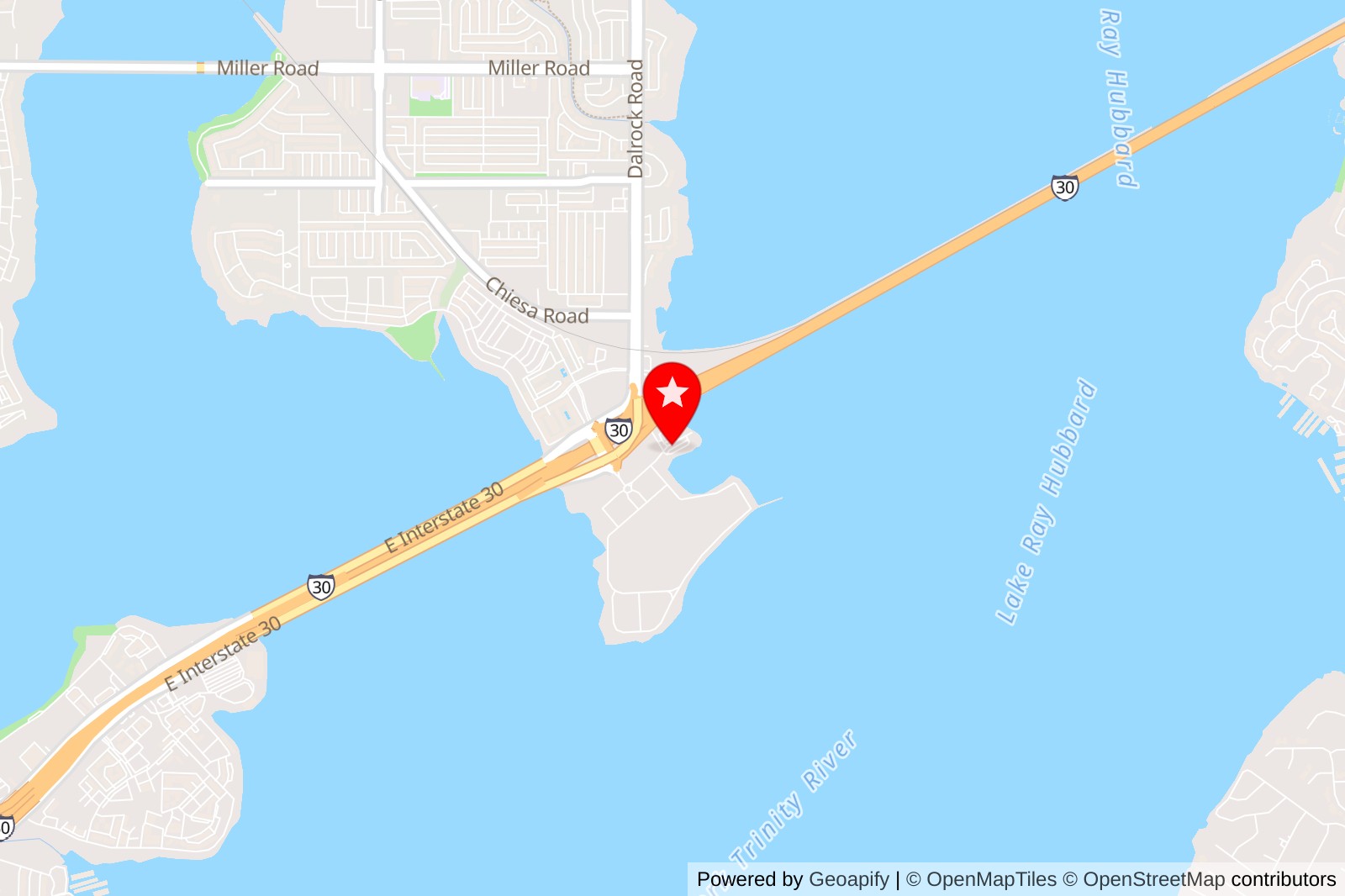
I spent a morning with Lead Slingers on a quiet stretch of the lake and left impressed by how efficiently they run trips. The guide paired practical instruction with hands-on help, so I felt comfortable trying bowfishing techniques I’d never used before.
Their setup is organized and safety-focused, with sturdy boats and the right gear for both traditional fishing and bowfishing. I noticed they adapt trips to skill levels, which kept our group productive and engaged even when fish were slow.
The guide knew local spots and reading water patterns, which turned a lanky morning into steady action. They also gave clear, concise tips on shot placement and boat positioning that improved my results by the end of the outing.
Booking was straightforward and communication beforehand was prompt. The operation felt professional without being overly formal, and I’d recommend them for anglers who want focused instruction and good chances at species other guides might skip.
Rating: 4.9 (68 reviews)
Location: 9051 Marina Vis, Rockwall, TX 75126
Contact: (469) 989-1010
Website: Visit Website
How To Choose The Right Fishing Guide In Texas
I focus on three practical priorities: local knowledge that puts you on fish quickly, verified safety and licensing, and a guide’s ability to tailor trips for small groups. These factors determine whether your day on Texas water feels productive, safe, and worth the expense.
Expertise In Local Waters
I look for guides who can cite specific lakes, river stretches, or Gulf flats and explain seasonal patterns for target species. A good guide will tell me which boat ramps, shallow flats, brushlines, or deeper humps produce results in spring, summer, fall, and winter.
Ask them about recent catches, typical tackle and fly choices, and which spots they avoid and why. That reveals if they actually fish the water or just run charters.
I prefer guides who reference local landmarks and show a map of planned water access. If they can name recent tournament results, spawn windows, or the best tides for reds and speckled trout, I trust their experience.
Consider checking photos and short trip reports before booking to confirm the guide’s claims match current conditions.
Safety And Licenses
I confirm the guide carries a current U.S. Coast Guard license (for offshore charters) or state equivalent for inland waters, and I ask to see proof of commercial insurance. That protects me if weather or equipment failures occur.
I also check the boat’s safety gear: life jackets sized for my party, a functioning VHF radio, and emergency signaling devices. If the trip is inshore or offshore, I ask about the guide’s cold-water or heat-preparedness and contingency plans.
I verify the guide follows Texas Parks & Wildlife regulations and holds required permits for private-boat access or restricted areas. I also ask about recent safety training—such as CPR, first aid, and hypothermia response—which indicates professionalism.
If anything feels unclear, I request written confirmation of cancellation and refund policies tied to weather and vessel safety.
Customization For Smaller Groups
I favor guides who explicitly offer small-group options and a clear per-person or trip rate for 1–3 anglers. That ensures the trip won’t be crowded and lets me plan gear and expectations.
Ask how the guide customizes time of day, target species, and teaching level—do they provide rods, reels, and flies/lures, or do I need to bring my own? That determines total cost and preparation.
I also ask about pacing and instruction: will the guide spend time teaching casting, knot-tying, or fish care, or focus on numbers of fish? For families or novices, I prioritize patient, instructional guides.
Finally, check turnover and scheduling flexibility—can they shift start times for sunrise anglers or shorten the day for young children? Small logistical details tell me whether the guide works well with small parties.
Maximizing Your Experience With Smaller Fishing Guides
I focus on practical steps that improve casting accuracy, rod feel, and fish handling with micro guides. The next paragraphs explain instruction advantages, Texas seasonal timing, and catch-and-release practices specific to smaller guides.
Personalized Instruction Benefits
I recommend one-on-one lessons or guided trips that emphasize casting mechanics with micro guides. These guides reduce line slap and increase sensitivity, so I work with anglers to adjust casting arcs and timing to prevent wind knots and to pass knots smoothly through tighter guide rings.
I coach on line choice and spool tension. Lighter lines and braided cores cast farther through micro guides, but knot size becomes critical; I show reliable knot variations and dressing techniques that minimize snagging on guide inserts.
I also teach hookset and fight technique tailored to the distributed stress pattern of micro-guide rods. Short, controlled hooksets and leaning into the rod blank preserve tip integrity and improve hook-up rates in cover-heavy Texas waters.
Seasonal Considerations In Texas
Spring and early summer in Texas deliver topwater action and long casts; I choose longer rods with more micro guides for accuracy and range during these months. Warm-water months bring shad and baitfish schools, so I match lighter braid or fluorocarbon leaders to reduce visibility and maximize sensitivity through the smaller guides.
During colder months I shorten casting distances and favor heavier leaders to handle sluggish fish and submerged structure. I also inspect guides for salt buildup after Gulf inshore trips; micro guides clog faster, so I rinse and dry rods immediately to prevent corrosion and line friction.
I adjust tackle selection for weather-driven behavior. Windy fall days require larger cast arcs and sometimes swapping to slightly larger guides or different line diameters to reduce casting errors and knot hang-ups.
Responsible Catch And Release Practices
I handle fish with wet hands and minimize time out of water to protect mucous layers when using lighter lines with micro guides. The sensitivity micro guides provide helps me detect subtle takes and set hooks cleanly, reducing deep hooks and the need for gutting or cutting.
I carry long-nose pliers and small hemostats to remove hooks quickly from tight mouths. When a fish is deeply hooked, I cut the leader close to the hook rather than forcing removal, which lowers mortality risk when using thin-diameter lines that can pass through small guide frames.
I also follow local Texas regulations and seasonal closures, and I release fish gently by supporting them upright in the current until they swim off. Regularly inspecting guide inserts and replacing damaged ones reduces abrasion on leaders, which lowers accidental line breakage and stress on fish during fights.