
5 Things You Need to Be Doing Right Now to Increase Your Fall Hunting Chances

Every fall, hunters head into the woods with high expectations. New gear is packed, tags are bought, and optimism is high.
Then reality hits.
The deer aren’t where they expected. The hike feels harder than remembered. Shots don’t feel as steady as they did at the range. And suddenly, months of anticipation turn into frustration.
The truth is, successful hunters aren’t just lucky—they prepare long before opening day.
If you want this season to be different, there are a few things you should already be doing right now. Because by the time fall arrives, it’s often too late to fix what should’ve been done months earlier.
1. Get in Shape—Even for Whitetail Hunting
Hiking
A lot of hunters underestimate how physical hunting actually is.
Even if you’re not chasing elk in the mountains, climbing into stands, dragging deer, walking uneven terrain, and sitting for long periods takes more out of you than most people expect. According to insights shared by the National Deer Association, fatigue impacts decision-making, patience, and even shooting accuracy.
The good news?
You don’t need to train like an athlete.
Simple steps make a difference:
- Start walking regularly
- Add hills or weighted packs if possible
- Improve mobility and flexibility
- Build leg and core strength
Getting into better shape now means less fatigue, better focus, and more energy when it matters.
Because nothing ruins a hunt faster than realizing your body isn’t ready for the terrain.
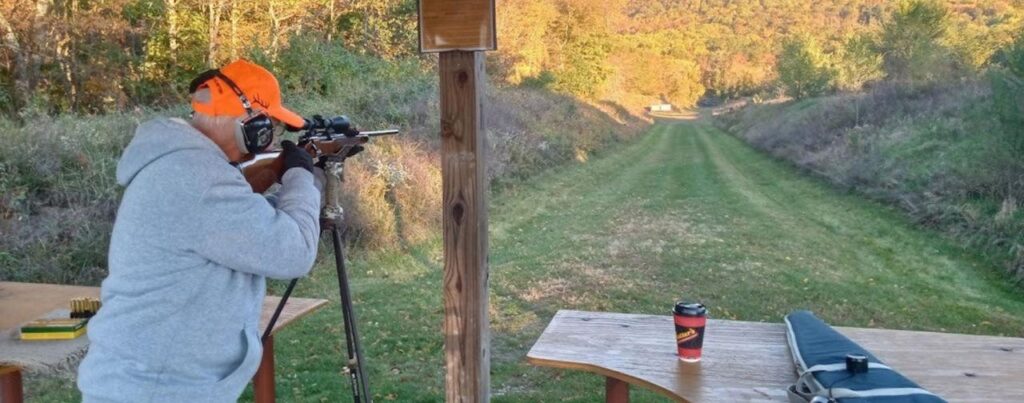
2. Practice Shooting—But Practice the Right Way
Target shooting
A few shots off a bench two weeks before season isn’t enough.
Too many hunters confirm zero and call it good. But real hunting shots rarely happen from perfect conditions.
According to shooting guidance from the National Shooting Sports Foundation, hunters should practice from realistic field positions—not just seated at a bench.
That means:
- Shooting off sticks
- Standing shots
- Kneeling positions
- Elevated angles if you hunt from a stand
You should also practice at realistic distances—not fantasy yardages.
A hunter who can consistently hit under pressure at 150 yards is far more effective than someone chasing 500-yard groups they’ll never actually use.
Confidence comes from repetition.
And confidence matters when adrenaline hits.
3. Scout in Person—Not Just With Trail Cameras

Trail cameras are great tools.
But they’re not scouting.
They’re information.
Too many hunters rely completely on cell cameras and stop actually walking their property. According to habitat and scouting guidance from the National Deer Association, understanding terrain, bedding cover, travel corridors, and food transitions is still one of the most important factors in consistently finding deer.
Right now is one of the best times to:
- Locate fresh trails
- Identify bedding areas
- Find water sources
- Study entry and exit routes
Deer patterns change fast.
The hunters who physically understand their property are usually the ones adapting fastest.
4. Start Managing Your Scent and Access Routes
Most hunters think about scent control on opening day.
That’s too late.
According to the National Deer Association, mature bucks often respond more to pressure than anything else. One bad entry route can educate deer before the season really starts.
Now is the time to:
- Trim quiet access paths
- Identify favorable winds for stand setups
- Remove obstacles that create noise
- Avoid overpressuring key areas
The best stand in the world won’t help if deer know you’re coming.
Often, successful hunting comes down to how invisible you can stay.
5. Check Every Piece of Gear Before It Matters
Nothing exposes poor preparation like opening morning.
Dead headlamp batteries.
Rusty broadheads.
Loose scope mounts.
According to preseason recommendations from the Outdoor Life, hunters should start checking gear months before season—not days before.
Go through everything:
- Boots
- Packs
- Clothing layers
- Safety harnesses
- Optics
- Ammo or broadheads
And if something feels off, fix it now.
Because gear failures never happen at convenient times.
The Bottom Line
A successful fall hunt starts long before temperatures drop.
The hunters who consistently fill tags usually aren’t doing anything magical—they’re just prepared. They’re in shape, practiced, scouting, paying attention to wind, and handling problems before season arrives.
Because once opening day gets here, the work should already be done.
And the truth is simple:
Fall success is usually built in summer.