

7 Best Best Duck Hunting Guides in Texas — Top Expert-Led Hunts and Tips
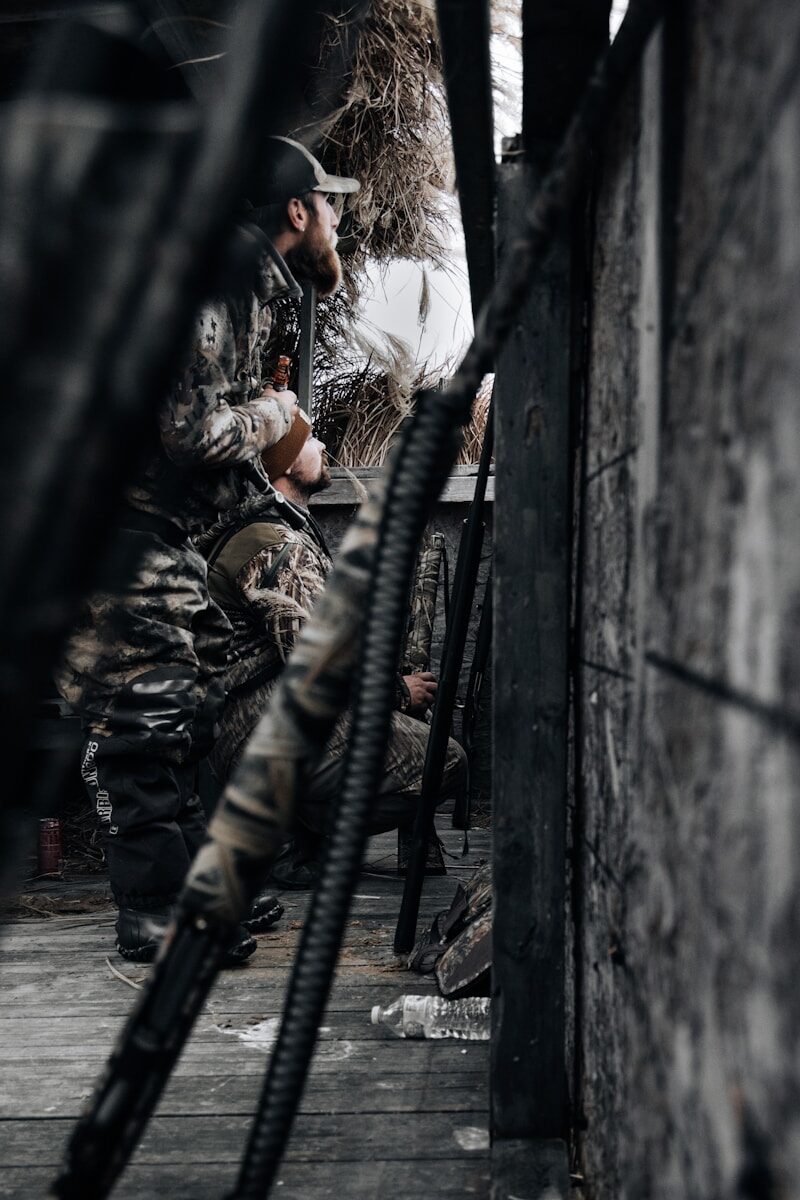
You want a dependable list of Texas duck hunting guides that saves you time and gets you into birds. I’ll show proven outfitters, what each specializes in, and what you can expect so you can pick the right hunt for your skill level and goals.
I know Texas offers huge variety — from North Texas private wetlands to guided coastal and central Texas trips — and I’ll walk you through options like membership-based ranches, family-run outfitters, and large-scale guide networks. Expect practical details about terrain, species you’ll encounter, and the typical gear and services each guide provides so you can plan confidently.
1) North Texas Waterfowl
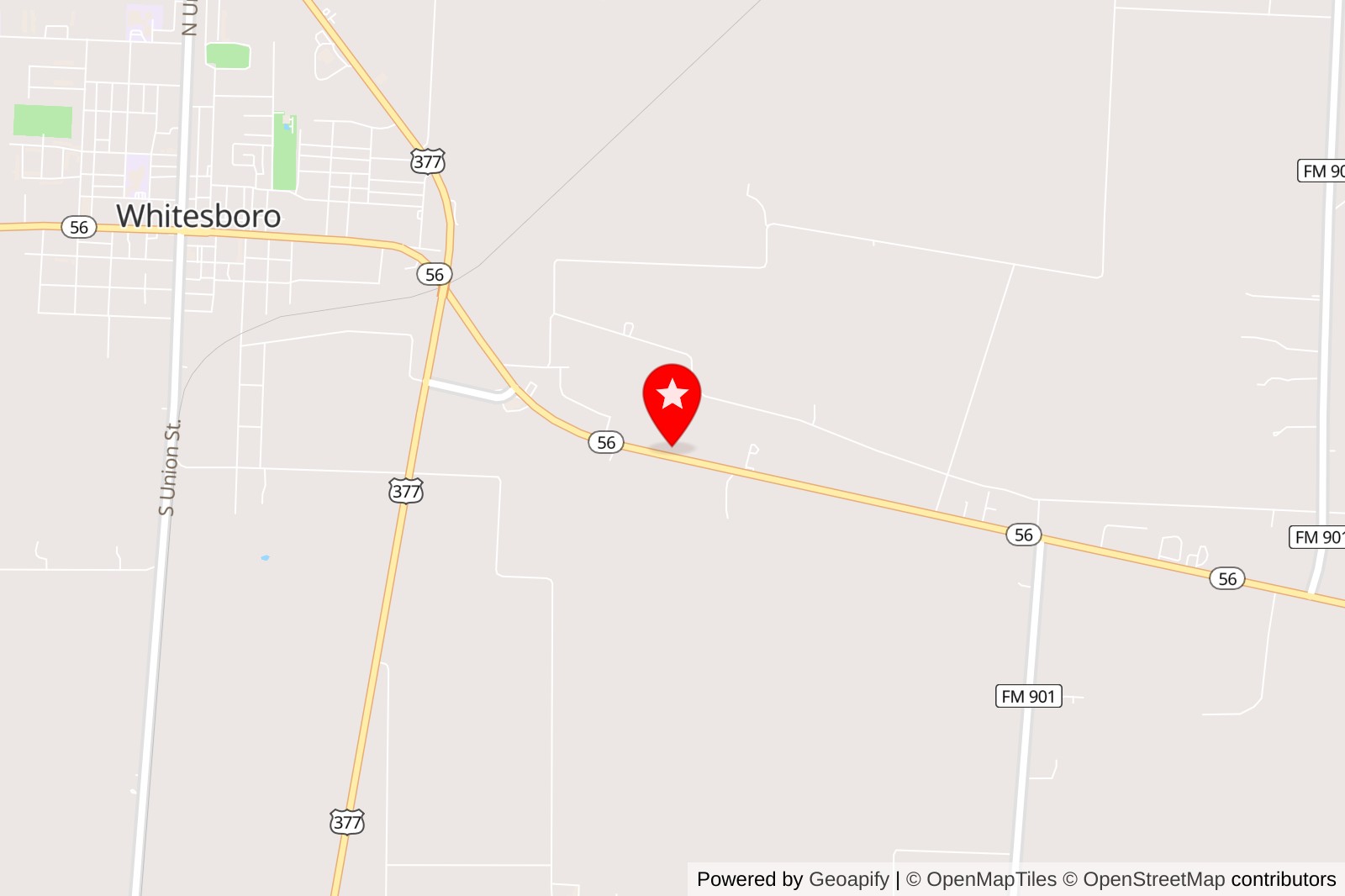
I arrived at North Texas Waterfowl on an early morning and found a well-maintained club focused on duck hunting and waterfowl education. The grounds feel organized and practical; blinds and ponds are arranged for productive shoots, and staff moved with the efficiency of people who run hunts daily.
I joined a guided outing and appreciated the clear briefings and attention to safety. Guides read the water and wind accurately, setting decoys and positions that kept birds moving without wasted effort.
Facilities are simple but functional, with a roomy staging area for gear and easy access to the ponds. Parking and trail access made moving between hunting spots straightforward, which mattered when we needed to change locations quickly.
I spoke with the owner about membership options and event schedules; they were candid about limits on group size to preserve quality of hunts. If you prefer a focused, no-frills experience with knowledgeable staff, this place delivers.
Rating: 5 (3 reviews)
Location: 1509 Sherman Dr, Whitesboro, TX 76273
Contact: (903) 821-8800
Website: Visit Website
2) Three Curl Outfitters
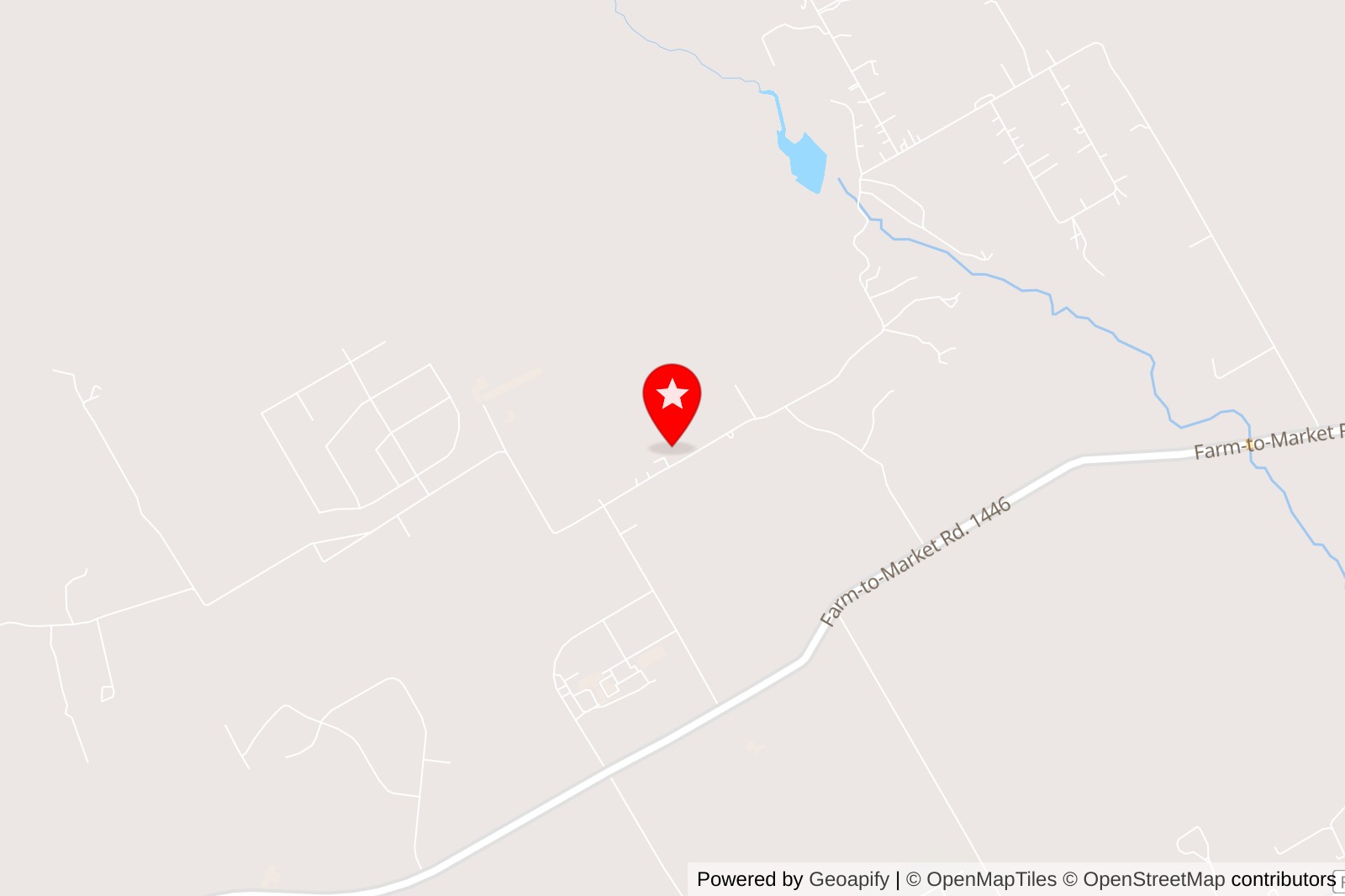
I arrived at Three Curl Outfitters expecting a straightforward guide service and found a well-organized operation with solid local knowledge. The lodge felt lived-in and practical, with a full kitchen and simple entertainment that made downtime comfortable after long mornings on the water. Staff walked me through lease options and scouting reports before the hunt, which helped me pick a strategy that matched conditions.
The guides know the region around DFW and spoke confidently about the different properties they lease. On the marshes we hunted, their setup and gear choices reflected experience — decoy spreads were sensible and blinds were positioned where the birds actually flew. They offered both guided and self-guided options, so I could tailor the day to my skill level.
Communication before the trip stood out; they told me what to expect and what to bring, and they confirmed licensing needs so there were no surprises. Lodging on-site made logistics simple, and the atmosphere among staff and other hunters felt friendly and focused on getting good shots without unnecessary risk.
Rating: 4.6 (93 reviews)
Location: 209 Cox Rd, Waxahachie, TX 75167
Website: Visit Website
3) Crooked Creek Outfitters
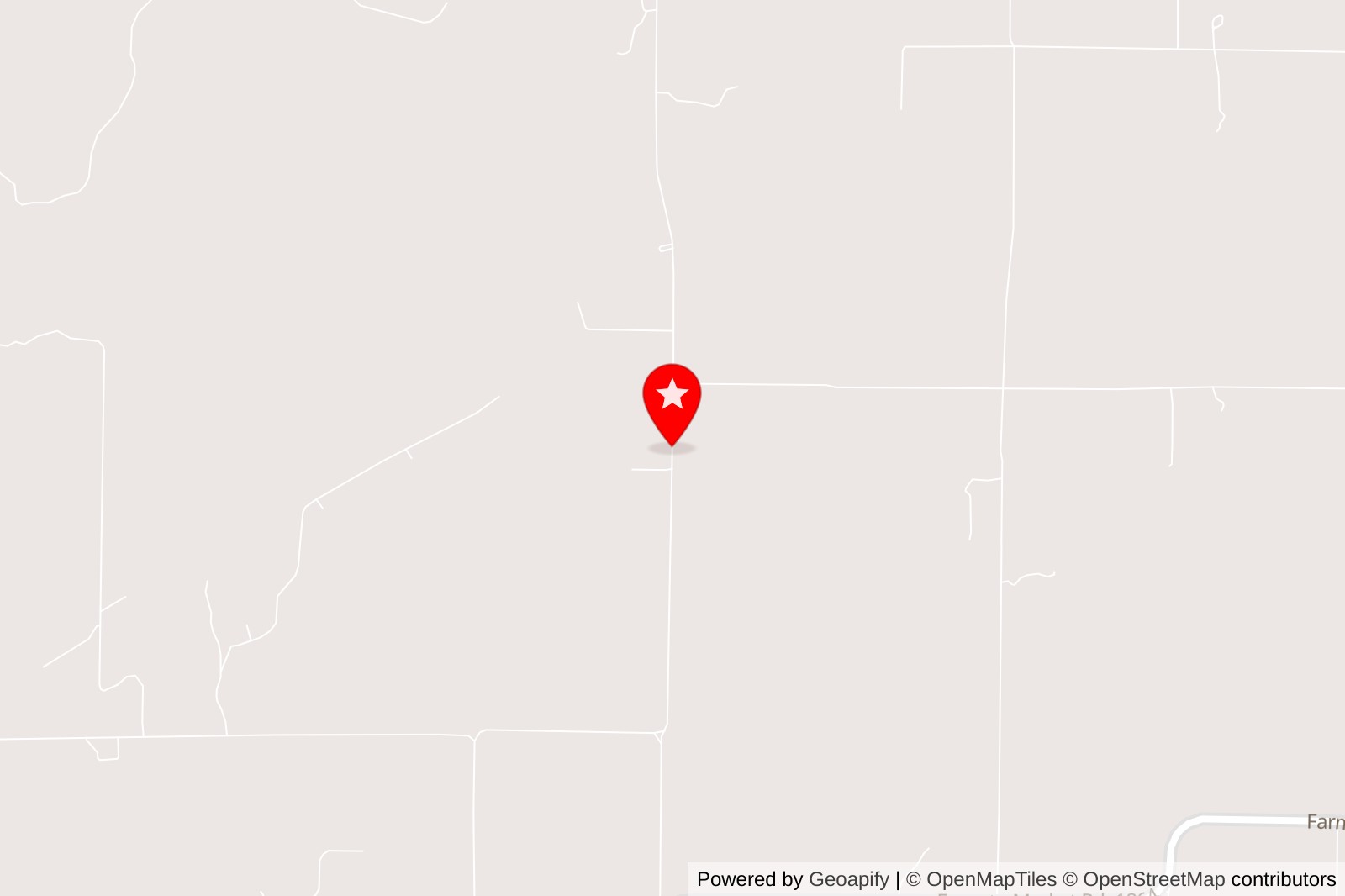
I arrived at Crooked Creek Outfitters expecting a typical guide service and found a focused, private operation that prioritizes quality over quantity. The lodge sits quietly near Cisco, and my party had exclusive use of both the accommodations and leased hunting areas, which made planning and timing simple.
Guides walked us through local waterfowl behavior with clear confidence and decades of experience. They set up decoy spreads and blinds efficiently, and the rhythm of the day felt well-practiced without being rushed.
Hunts occur over privately leased water and fields, so access felt controlled and reliable compared with public pressure points. Lodging is straightforward and centered on comfort after a long day in the field; it gave us a solid base to swap stories and review the next day’s plan.
Booking was easy through their site, and communication before arrival answered my logistical questions quickly. I left with better skills for reading local conditions and a clear sense that the team cares about delivering consistent, private waterfowl experiences.
Rating: 4.9 (70)
Location: 1802 Co Rd 136, Cisco, TX 76437
Contact: (325) 450-7446
Website: Visit Website
4) Top-Flight Hunting Preserve
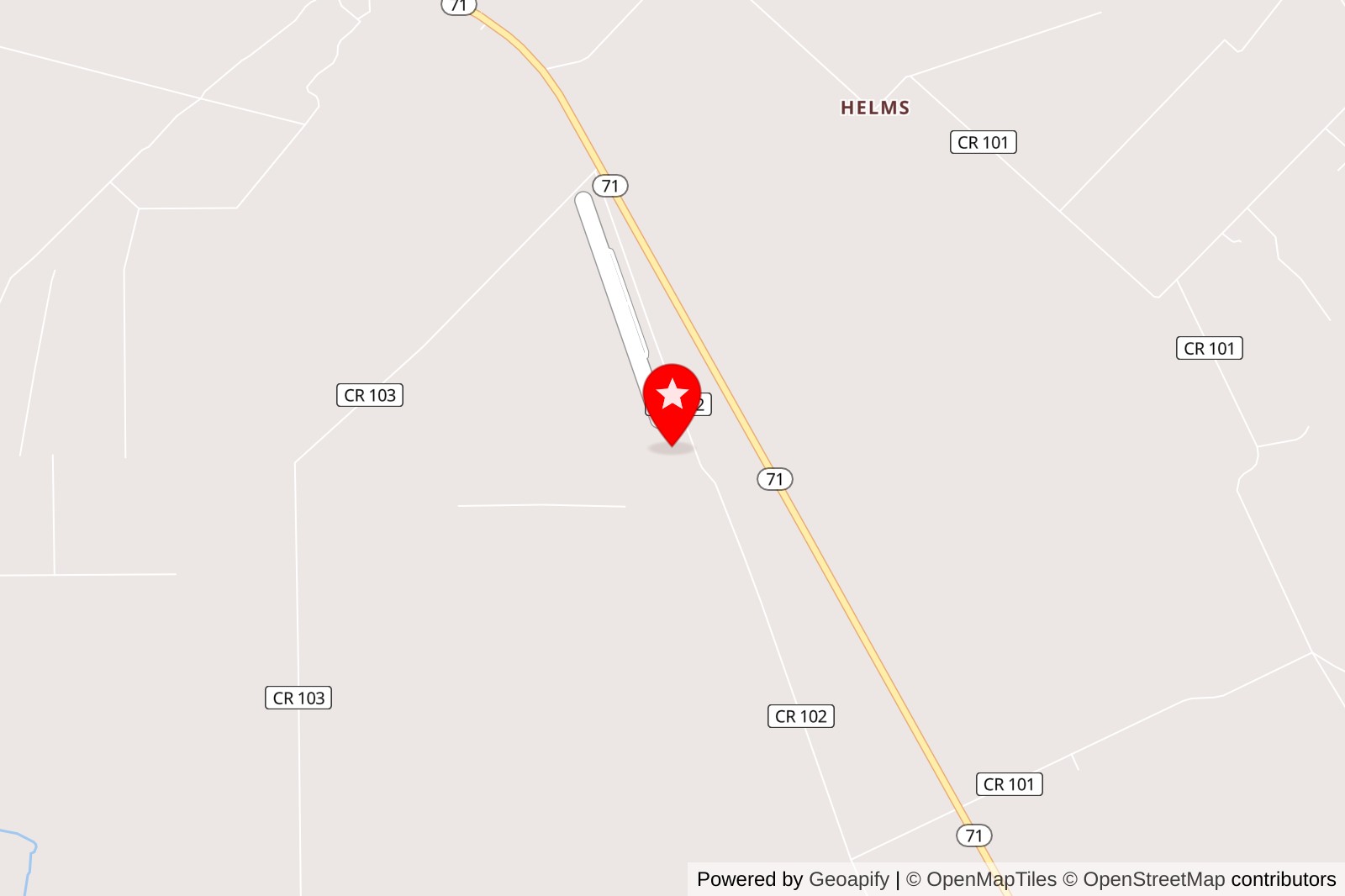
I arrived at Top-Flight early in the morning and found a well-kept preserve spread across varied terrain that feels intentionally managed for upland and waterfowl hunting. The mix of brush and open fields creates realistic cover and provided steady bird movement during my guided hunt.
My guide knew the property and the dogs intimately, which made flushing and retrieves efficient without feeling rushed. The kennel and dog handling were clearly professional; the dogs worked steady and responded well to direction.
The lodge provides a practical place to regroup after a hunt, and I saw it comfortably accommodate small groups with basic meal options available. Booking was straightforward and their cancellation policy is explicit, which made planning less stressful.
Top-Flight also offers corporate events, on-site lodging, and the option to bring the hunt to your property with their team and birds. I appreciated the flexibility to do guided or unguided hunts and the emphasis on flights conditioned birds for realistic hunting.
Rating: 4.8 (55 reviews)
Location: 1164 Cr 102 Rd, Columbus, TX 78934
Contact: (979) 732-9196
Website: Visit Website
5) Moody Ranch Outfitters, Inc.
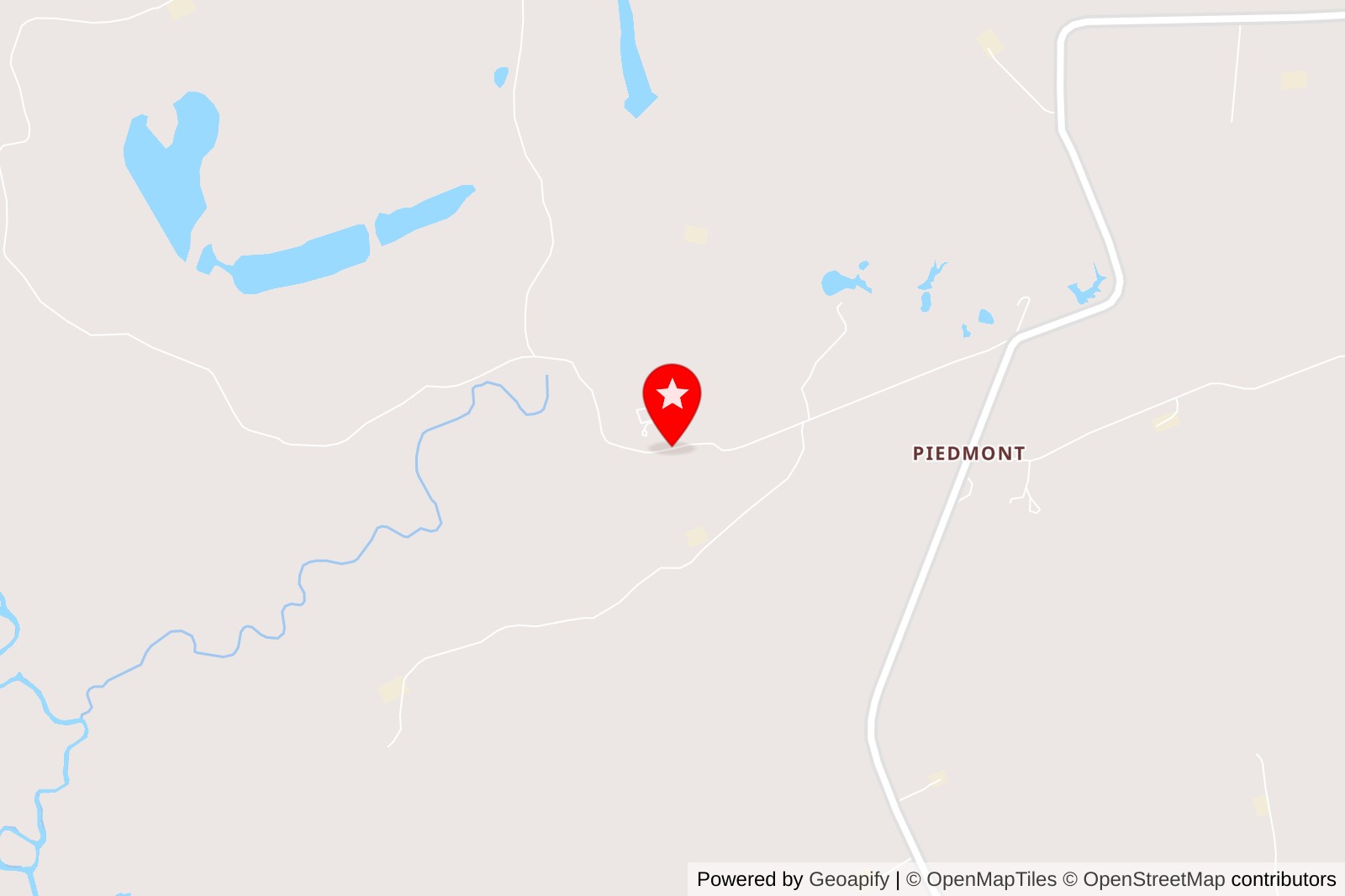
I arrived at Moody Ranch Outfitters after a short drive through East Texas farmland and immediately noticed the scale—thousands of acres of river-bottom terrain that feel built for waterfowl. The lodge blends rustic comfort with practical hunting support, so gear staging and early-morning launches feel efficient rather than rushed.
I hunted ducks here on a spring trip and found the guides well-versed in local flight patterns and decoy setups. They adjusted tactics as the light changed and kept the group quiet and organized; the blind locations offered good cover and clear shooting lanes without long walks back to the trucks.
Beyond duck hunts, I toured their fishing ponds and saw why anglers book bass trips; habitat looks thoughtfully managed and guides know where to find structure. The staff also handles event logistics and lodge meals, which made the overall visit relaxed—good for small corporate groups or families wanting a hunting-and-fishing weekend.
Rating: 4.8 (24 reviews)
Location: 4609 Co Rd 190, Anderson, TX 77830
Contact: (936) 825-2119
Website: Visit Website
6) Texas Fowl Outfitters
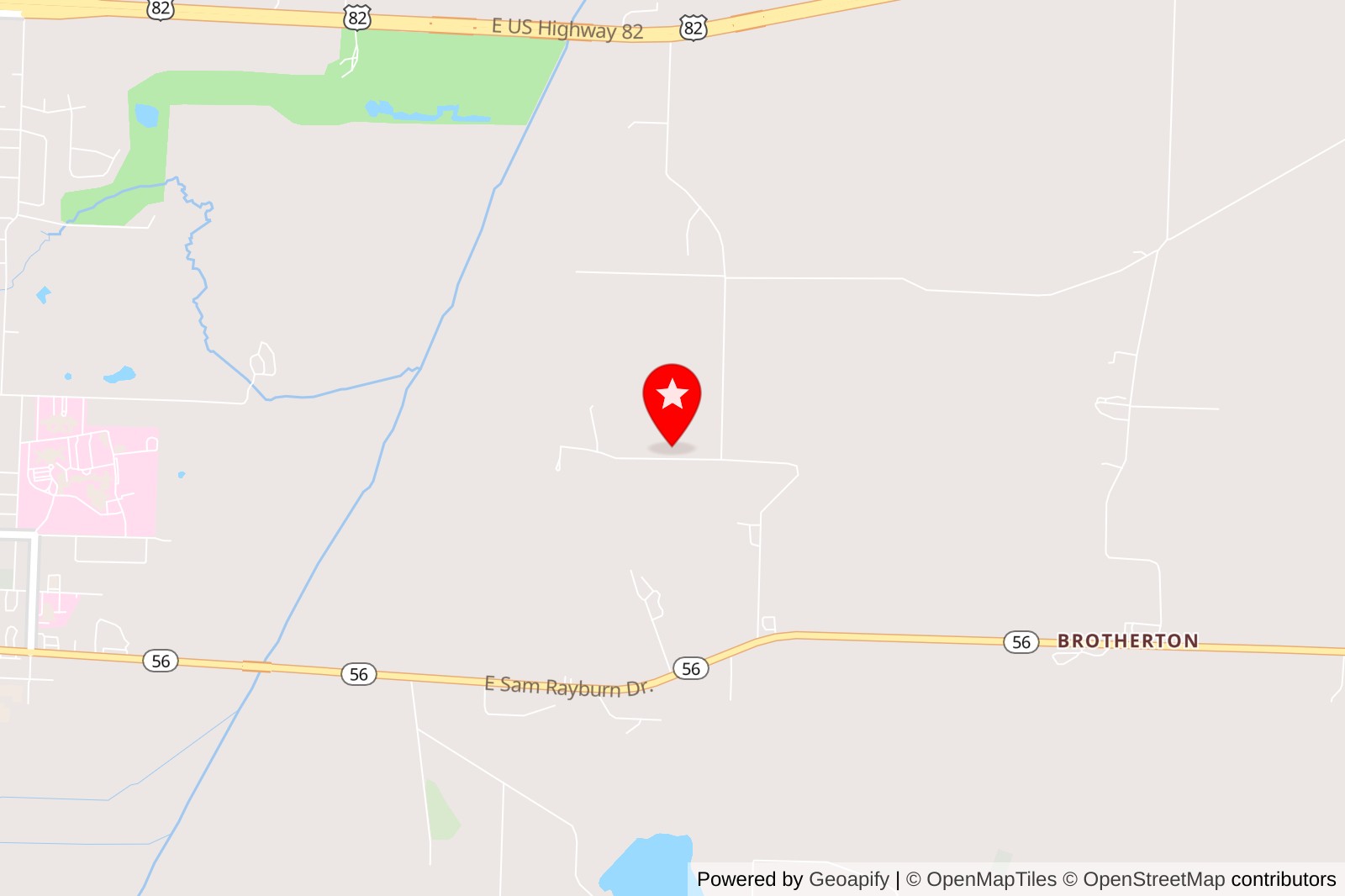
I arrived at Texas Fowl Outfitters after an easy drive north from the Dallas area and found a professional, family-run operation. The guides greeted me like an old friend and walked me through their approach to waterfowl hunting with clear, practical tips that reflected years of experience.
The blinds and decoy spreads were well-maintained and set up to give hunters good shooting lanes without feeling crowded. I hunted a mixed bag of ducks and saw the guides adjust tactics based on wind and bird movement, which made the day feel efficient and well-orchestrated.
Beyond waterfowl, they run guided goose, turkey, and whitetail hunts plus thermal pig options, so you can plan multi-species trips with the same crew. The outfit also manages private-club access and lease options, which impressed me as a good choice for repeat clients seeking regular hunting opportunities.
Rating: 4.7 (14 reviews)
Location: 352 Co Rd 2906, Dodd City, TX 75438
Contact: (903) 449-2773
Website: Visit Website
7) Top Gun Outfitters
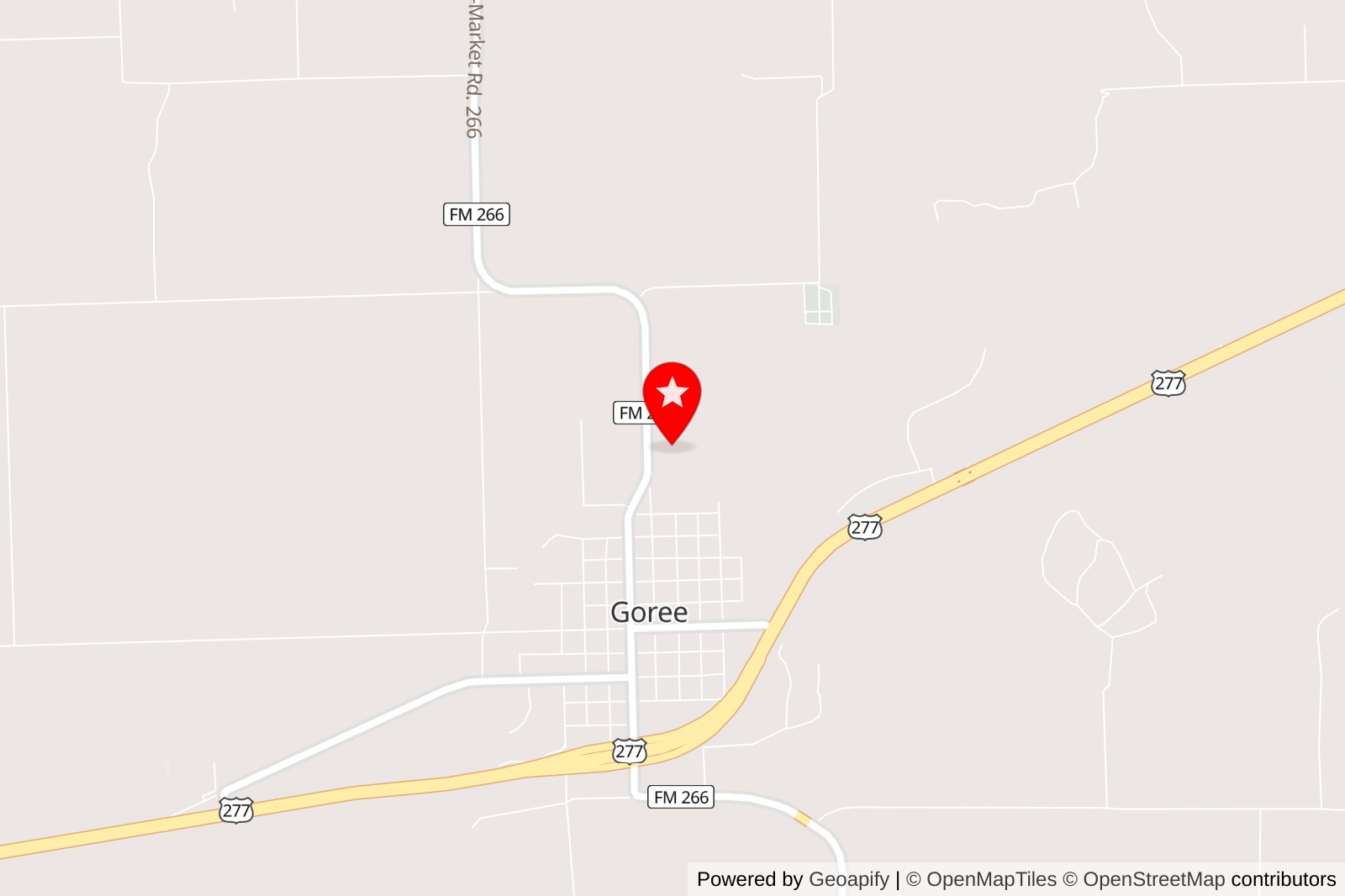
I drove out to the lodge expecting basic accommodations and found a roomy, well-kept 4,250 sq ft lodge that felt like a base camp for serious waterfowling. The guides had already set up A-frame blinds and a huge decoy spread by the time I arrived, which made the morning fast and efficient.
Hunting covered a wide variety of habitats across private properties within about a 60-mile radius. I saw real variety among species during my visit and appreciated that the guides scout daily; their local knowledge pushed birds into clean, ethical shots.
Meals at the lodge were hearty and convenient between hunts, and the operation clearly caters to groups—corporate trips, bachelor parties, and friends all felt at home. Communication and logistics ran smoothly; they handled blind setup, decoys, and calling so I could focus on shooting.
Rating: 4.8 (52 reviews)
Location: 12391 FM 266, Goree, TX 76363
Contact: (806) 701-8065
Website: Visit Website
What to Expect on Your Texas Duck Hunting Adventure
I’ll describe the conditions you’ll face, the gear you should bring, and the seasonal windows that produce the best results. Expect cold, wet mornings, long waits in blinds, and a need for reliable gear timed to peak migration and local flooding.
Typical Hunting Conditions
Texas hunts often start before sunrise and run through midmorning, with long sits in fixed blinds or layout boats. I’ve found mornings frequently deliver the best flight activity, especially when a cold front moves through.
Conditions vary by region: coastal marshes bring dense vegetation and tidal movement, while Panhandle playa lakes and northwest ponds present open water and windy exposure. Private flooded fields near the coast or central Texas attract high concentrations of puddle and teal ducks. Expect mud, standing water, and inconsistent wind—dress and plan for both wind-driven wings and quiet, calm days.
Guides usually set decoys and work the wind; calling timing changes with species and light. Bring patience: you may wait 30–90 minutes between flights, and the best shoots come from proper blind placement and decoy patterns.
Essential Gear Recommendations
Start with waterproof outerwear: a breathable, insulated jacket and bibs rated for wet conditions will keep you comfortable during long sits. I prefer breathable waders with reinforced knees and a shell layer that blocks wind without trapping moisture.
Bring 12- or 20-gauge waterfowl shells (steel or approved non-toxic shot) in multiple loads—lighter for teal, heavier for larger ducks. Pack a reliable shotgun, spare chokes, and a sling. Essential accessories include polarized sunglasses, a facemask or beanie, neoprene gloves with finger dexterity, and a seat pad.
Navigation and retrieval gear matters: a quality dog or retriever system, a floating blind bag, and a throw rope help recover birds from flooded fields. Also carry a small first-aid kit, headlamp, extra batteries, and a waterproof phone case. Label licenses and HIP tags in a dry zip pouch.
Best Times of Year for Successful Hunts
Peak waterfowl activity in Texas centers on migration pulses. I plan trips around mid-November to late December for high concentrations of mallards and puddle ducks, and late September through November for teal hunts.
Coastal and South Texas can produce strong early-season numbers, especially with rice-field flooding and mild weather. Northern and Panhandle areas often shine after cold fronts push birds south—late November through January typically yields steady numbers. Consider weather forecasts: cold fronts with northerly winds often trigger large flights within 24–48 hours.
Book guided hunts during these windows, but remain flexible by a few days to match local flooding and weather-driven movement.
Understanding Texas Duck Species
I highlight the ducks you’ll most often encounter in Texas and explain when and where you’ll find them. Expect clear ID cues, typical numbers, and the habitat that brings each species into range for hunts.
Common Ducks Encountered
I focus on species most Texas guides target: mallard, gadwall, northern pintail, American wigeon, and teal (blue-winged and green-winged). Mallards are abundant in flooded rice fields and river oxbows; drakes show the distinctive green head and yellow bill. Gadwall are common on shallow wetlands; look for the gray body and subtle patterned wing patch. Pintails favor open shallow flats and flooded coastal marshes; note the long tail and streamlined profile.
Wigeon feed in mixed grass and marsh edges; they often graze on vegetation more than many diving ducks. Teal are small and fast; blue-wings prefer fresh marshes while green-wings show up in brackish flats. I emphasize size, bill shape, and behavior—dabbling vs. diving—since those traits matter for decoy setups and calling strategy.
Migratory Patterns and Habitat Preferences
Texas sits on major flyways, so timing matters: teal arrive early (September–October) and leave late winter, while larger dabblers peak from November through January. Coastal bays and marshes hold sea ducks and scoters in colder snaps, but most inland hunts target migrants using playa lakes and flooded fields.
Specific habitats predict species: flooded rice and agricultural fields concentrate mallards and gadwall after harvest; shallow playas and potholes attract pintails and teal during migration stopovers. I plan hunts around tides on the coast—high tides push ducks into flooded marsh edges where decoys and layout blinds work best. Understanding local water levels and crop rotations helps me predict both abundance and species mix for any given hunt.