
7 Most Dangerous Animals in American Waters

America’s waters are home to some incredible wildlife—but not everything swimming beneath the surface is harmless. From freshwater rivers in the South to deep coastal waters offshore, certain animals have earned reputations for being aggressive, unpredictable, or outright deadly.
Most encounters are rare. But when they happen, they can turn serious fast.
Here are seven of the most dangerous animals found in American waters.
Bull Shark
The Bull shark is one of the most feared sharks in the United States for one reason—it can live in both saltwater and freshwater.
Unlike many shark species, bull sharks regularly move into:
- Rivers
- Bays
- Estuaries
- Shallow coastal water
According to the National Geographic Society, bull sharks are considered one of the shark species most commonly involved in attacks on humans due to their habitat overlap and aggressive behavior.
They’ve been documented far inland in river systems, including parts of the Mississippi River.
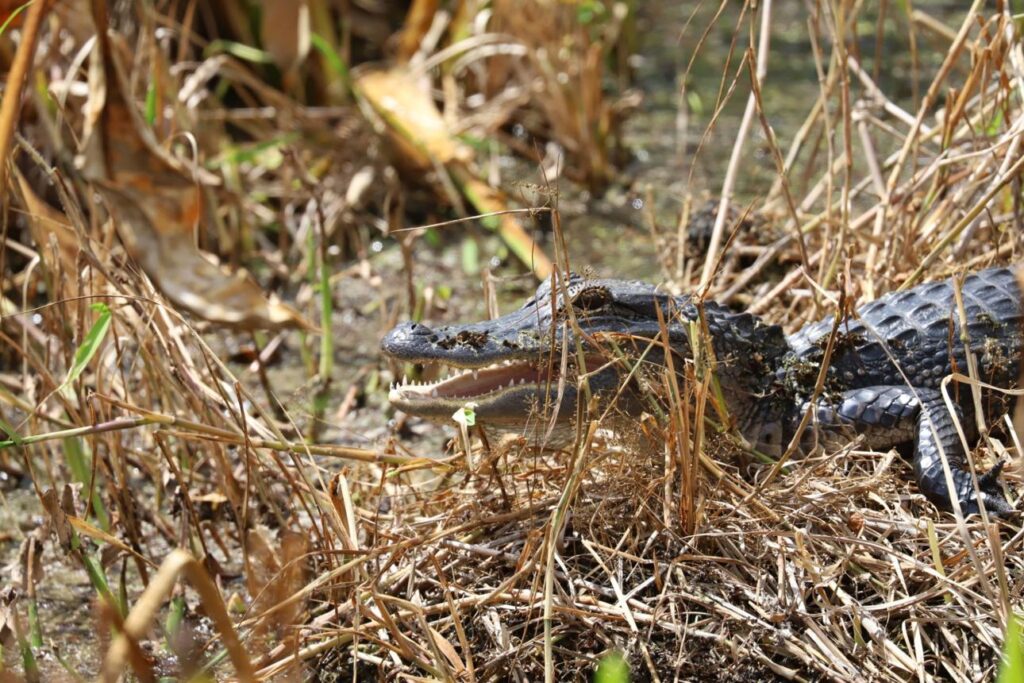
American Alligator
The American alligator is one of the top predators in southern waterways.
Found across states like Florida, Louisiana, and Texas, alligators are powerful ambush predators capable of explosive bursts of speed.
According to the Florida Fish and Wildlife Conservation Commission, serious injuries and fatalities involving alligators are rare but do occur, particularly when people swim near them or feed them illegally.
Large alligators are more than capable of attacking pets—and in rare cases, people.
Great White Shark
The Great white shark remains the most iconic predator in American coastal waters.
Found primarily off California and the Northeast, these sharks can exceed 15 feet in length and are capable of immense power.
According to the National Oceanic and Atmospheric Administration, great white sharks are apex predators that often patrol seal-rich coastal waters where human encounters occasionally occur.
While attacks are uncommon, they can be catastrophic when they happen.
Stingray
The Stingray may not look intimidating, but it causes thousands of injuries every year.
Most incidents happen when swimmers accidentally step on them in shallow water.
Their tail spine contains venom and can inflict:
- Severe pain
- Deep puncture wounds
- Serious infection
According to the Mayo Clinic, stingray injuries should be treated immediately due to the risk of complications.
The death of Steve Irwin also brought worldwide attention to how dangerous these animals can be under rare circumstances.
Cottonmouth (Water Moccasin)
The Cottonmouth is one of America’s most well-known venomous snakes and is commonly found near water throughout the Southeast.
Cottonmouths are capable swimmers and are often encountered around:
- Swamps
- Creeks
- Ponds
- Riverbanks
According to the Centers for Disease Control and Prevention, venomous snake bites require immediate medical attention and can become life-threatening if untreated.
Jellyfish
Several dangerous jellyfish species inhabit American waters, particularly in warmer coastal regions.
While most stings are mild, some species can cause:
- Severe pain
- Allergic reactions
- Respiratory distress
According to the National Ocean Service, jellyfish populations can surge seasonally, increasing the likelihood of human encounters.
Even smaller species can ruin a day on the water quickly.
Saltwater Crocodile’s American Cousin: The American Crocodile
Less common than alligators, the American crocodile lives primarily in South Florida.
They’re larger and generally more aggressive-looking than alligators, though attacks remain rare.
According to the U.S. Fish and Wildlife Service, American crocodiles inhabit coastal mangroves, estuaries, and brackish waterways.
Seeing one in the wild is uncommon—but getting too close is still a bad idea.
Why Most Encounters Happen
Most dangerous wildlife incidents happen because:
- Animals are surprised
- People ignore warnings
- Food or bait attracts predators
- Humans enter wildlife habitat carelessly
The majority of these animals are not actively hunting people.
But they are wild—and that matters.
The Bottom Line
America’s waters hold some incredible species, but they also demand respect.
According to organizations including NOAA, the Florida Fish and Wildlife Conservation Commission, the CDC, and the U.S. Fish and Wildlife Service, most dangerous encounters can be avoided through awareness and caution.
Because when you step into the water, you’re stepping into their environment—not the other way around.